
Transitioning your toddler from a baby bottle to a proper milk cup is a major developmental milestone, but walking down the baby care aisle can feel overwhelming. With shelves lined with straw cups, spout cups, and 360-degree rim cups, finding the right vessel for your child’s daily milk requires balancing their physical coordination with your daily routine. There is no single “best” milk cup for every toddler; the ideal choice depends on your child’s oral motor development, your need for spill prevention, and your willingness to clean intricate parts.
While spout cups offer a familiar transition from bottles, straw and 360-degree cups provide distinct developmental and practical benefits. Milk presents unique challenges compared to water, as its fat and sugar content can quickly lead to bacterial growth if a cup is difficult to sanitize. By understanding how each design functions and how it interacts with your child’s developing mouth, you can make an informed decision that supports their growth while keeping your daily cleanup manageable.
Understanding How Straw, Spout, and 360 Cups Work
To choose the right cup, it helps to understand the physical mechanics each design requires from your toddler. A straw cup relies on active suction and tongue retraction to draw liquid upward. When a child drinks from a straw, they must seal their lips around the tube, pull their tongue back, and create a vacuum. This action exercises the muscles in the lips, cheeks, and tongue, which are the same muscle groups used for speech development.
Products mentioned in this guide
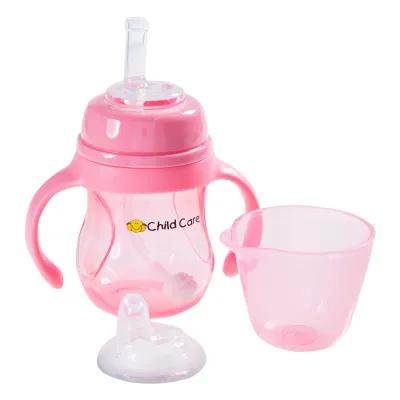
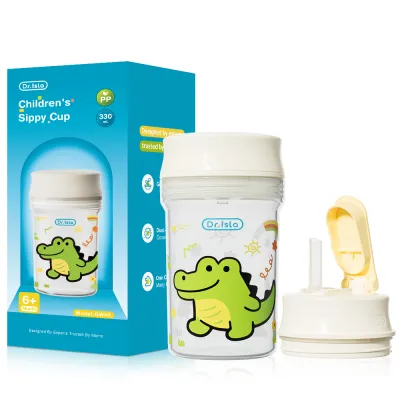
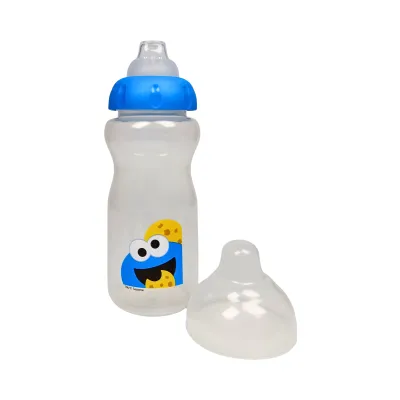
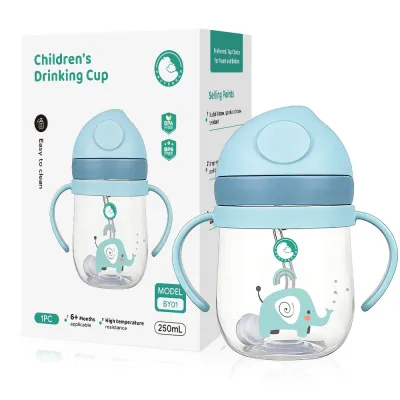
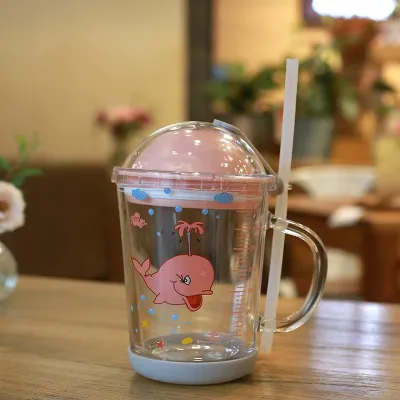
Prices are valid at publication and may change. Please refer to the product page for the latest price.
Spout cups operate on a different mechanical principle, closely mimicking the sucking action used with a standard baby bottle. To drink from a spout cup, a toddler typically bites down slightly or uses a basic sucking motion to release liquid through the opening. These cups are generally divided into soft silicone spouts, which feel familiar to a baby accustomed to bottle nipples, and hard plastic spouts, which are more durable against emerging toddler teeth. The flow rate is usually controlled by a simple one-way valve that opens under pressure.
The 360-degree cup represents a modern approach to transitional drinking by mimicking the mechanics of an open cup without the immediate mess. These cups feature a circular lid with a silicone valve secured in the center. To drink, the toddler must place their lips anywhere along the rim, tilt the cup upward, and apply gentle suction to break the seal of the silicone valve. This action teaches the child how to coordinate tilting a cup while establishing a proper lip seal, preparing them directly for standard open-glass drinking.
Comparing Key Features for Toddler Milk Drinking
When evaluating these three designs specifically for serving milk, several practical factors come into play, ranging from daily mess management to long-term oral health.

Spill Resistance
Spill resistance is often the top priority for parents dealing with active toddlers who love to toss their cups. Spout cups with high-quality silicone valves generally offer excellent leak protection, making them highly reliable when dropped from a high chair or tossed into a diaper bag. Straw cups can be highly spill-proof, but they are prone to “straw burp,” where temperature changes or pressure build-up forces milk up through the straw, creating a slow leak. The 360-degree cups are exceptionally good at preventing massive spills when tipped over, but a hard drop onto a tiled floor can momentarily break the silicone seal, releasing a small splatter of milk.
Flow Rate and Choking Risk
The viscosity of milk requires a balanced flow rate to prevent choking or gulping. Spout cups offer a highly controlled, slower flow, which is excellent for younger toddlers who are still learning to pace their swallowing. Straw cups can deliver liquid quite rapidly, which might cause occasional coughing or gulping if a toddler draws too hard before they have mastered swallowing coordination. The 360-degree cups require a coordinated tilt and suck, meaning the flow rate is entirely determined by the child’s effort, though some toddlers may struggle initially to get enough volume if the valve seal is too stiff.
Dental and Oral Development
Pediatric dentists and speech-language pathologists often emphasize how cup design affects oral development. Prolonged use of hard spout cups can encourage a forward tongue thrust, similar to bottle feeding, which may influence palate shape and dental alignment over time. In contrast, straw cups promote a mature swallowing pattern by encouraging tongue retraction and strengthening the lip seal. Similarly, 360-degree cups are highly praised by developmental experts because they train the orbicularis oris muscle (the muscle surrounding the mouth) to seal against a flat rim, supporting natural jaw and dental alignment.
Cleaning Complexity
Milk is a nutrient-rich liquid that spoils quickly, especially in warm, humid tropical climates like the Philippines. This makes cleaning complexity a critical consideration. Spout cups often have simple, accessible valves, but the spout itself can have small corners where dried milk hides. Straw cups are notoriously difficult to clean, requiring thin wire brushes to scrub the inside of the straw and the tiny air vents in the lid. The 360-degree cups consist of a collar, a silicone seal, and the cup base; while they have fewer narrow tubes, dried milk can easily get trapped under the lip of the silicone seal if it is not completely disassembled and scrubbed after every use.
Matching the Right Cup to Your Toddler's Development
Selecting the ideal milk cup is not about finding a universally perfect product, but rather matching the cup’s design to your child’s current developmental stage and your specific lifestyle needs.
Choose a Spout Cup if:
Your toddler is in the very early stages of weaning from the bottle and struggles with the coordination required for other cups. The familiar shape and highly controlled flow of a soft silicone spout can ease the anxiety of transitioning away from the nipple. However, it is wise to view the spout cup as a temporary stepping stone. Plan to transition away from hard plastic spouts as your child’s teeth emerge to support healthy oral development.
Choose a Straw Cup if:
Your child has already mastered basic suction and you need a highly reliable, spill-resistant option for active, on-the-go milk drinking. Straw cups are excellent for car rides, stroller walks, or active play sessions where tilting a cup is impractical. They are also ideal if you want to actively promote tongue retraction and lip strength to support early speech development.
Choose a 360 Cup if:
Your primary goal is to prepare your toddler for drinking from a standard open cup while keeping spills to a minimum. The 360-degree design is perfect for meal times at the family table, as it teaches the natural tilting motion required for open cups. It is also an excellent choice for parents who want to avoid the tedious task of cleaning narrow straw tubes while still supporting optimal dental alignment.
Verify First if:
Your toddler has any specific speech, occupational, or feeding therapy recommendations. Children with sensory sensitivities, low muscle tone, or swallowing difficulties may require a specific cup type or flow rate recommended by a qualified professional. Always consult your pediatrician or speech therapist if you notice persistent coughing, sputtering, or resistance to drinking during cup transitions. Additionally, verify the recommended age range, weight limits, and specific manufacturer warnings on the product packaging before introducing a new cup to your child.
Essential Cleaning and Maintenance for Milk Cups
Because milk contains fats and proteins that cling to plastic and silicone, thorough cleaning is essential to prevent the growth of harmful bacteria and mold. In warm and humid environments, milk residue left in a cup for even a few hours can quickly spoil and create persistent odors.
To keep your toddler’s milk cups sanitary, you must invest in a set of specialized cleaning tools, including a thin straw brush and a detail brush for small crevices. Every time the cup is used for milk, it must be fully disassembled. This means pulling the straw out of the lid, removing the silicone valves from spout cups, and separating the silicone membrane from the collar of a 360 cup. Wash all parts in warm, soapy water, paying close attention to the threads of the lid and any hidden hinges.
After washing, allow all components to air-dry completely in a well-ventilated area before reassembling them. Storing a cup while it is still damp can trap moisture, leading to mold growth inside silicone valves and straws. Inspect the parts regularly during cleaning. You should immediately discard and replace any silicone valves, straws, or plastic components if you observe visible mold spots, cracks in the plastic, or a persistent sour smell that does not go away after a thorough wash. Replacement parts or specialized brush kits typically cost around ₱150 to ₱300 at local baby specialty stores or online marketplaces, making regular maintenance highly accessible.
Frequently Asked Questions (FAQ)
Can toddlers drink milk from a straw cup at night?
Allowing a toddler to drink milk from any cup, including a straw cup, while lying down in bed or falling asleep is not recommended. When a child drinks milk in bed, the liquid can pool around their teeth for hours, providing a breeding ground for bacteria that cause early childhood caries (cavities). Additionally, drinking while lying down increases the risk of choking and middle ear infections. The safest routine is to serve milk during dinner or a designated snack time, follow up with thorough tooth brushing, and then put your toddler to bed with only water if they need a drink.
When should I stop using a spout cup for milk?
Most pediatric dentists recommend transitioning away from spout cups by the time a child is 12 to 18 months old. You can begin introducing straw cups or 360-degree cups as early as 6 to 9 months to ease this transition. Observable signs that your toddler is ready to move on from a spout cup include the ability to sit upright independently, a strong grasp on cup handles, and the coordination to tilt and sip from an open cup with minimal assistance. If your child is constantly biting the spout or showing frustration with the slow flow, it is likely time to upgrade to a straw or 360-degree design.

Community discussion
Share your experience or ask a question. Comments are reviewed before publication.