
Choosing the right training cup for your toddler is less about their exact age in months and more about their individual developmental milestones. While chronological age guidelines on packaging offer a helpful starting point, your child’s oral motor skills, hand-eye coordination, and swallowing patterns are the true indicators of readiness. Transitioning from a breast or bottle to a training cup is a significant step in oral development, helping your little one build the muscle strength and coordination needed for solid foods and speech.
To navigate this transition successfully, parents can choose from three primary designs: spout cups, straw cups, and 360-degree cups. Each type serves a distinct developmental purpose, targeting different muscle groups and drinking techniques. By understanding how these mechanisms work and matching them to your child’s physical cues, you can select a cup that supports their natural growth, minimizes frustration, and keeps them hydrated throughout the day.
Understanding the Three Main Training Cup Mechanisms
Spout cups are often the first step parents introduce when moving away from bottles. These cups feature a protruding mouthpiece that resembles a nipple but requires a slightly different oral action. Soft silicone spouts offer a familiar texture for babies transitioning from a bottle, allowing them to bite down gently to release liquid. Hard plastic spouts, on the other hand, are more durable and resist damage from emerging baby teeth, though they require the child to tilt their head back further to drink. The fluid flow in spout cups is typically controlled by a simple pressure-activated valve, which prevents spills but may require more effort from the child to extract liquid.
Products mentioned in this guide
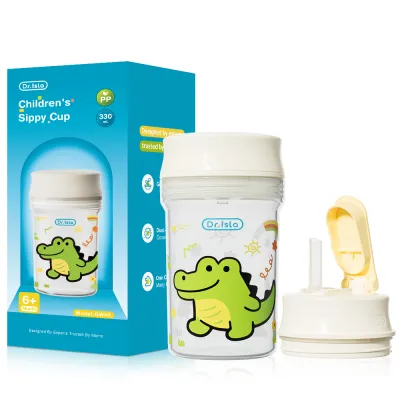
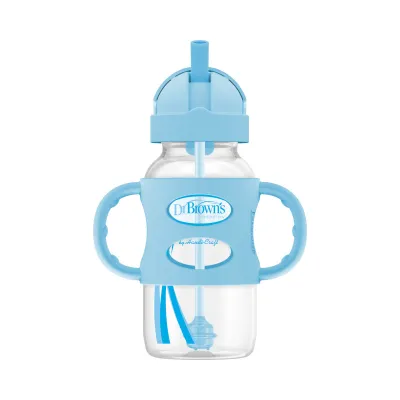
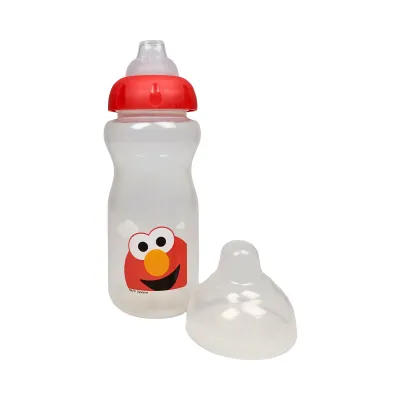
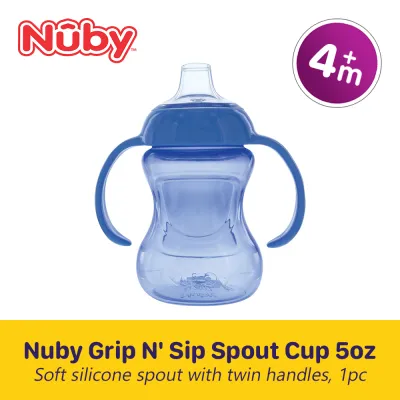
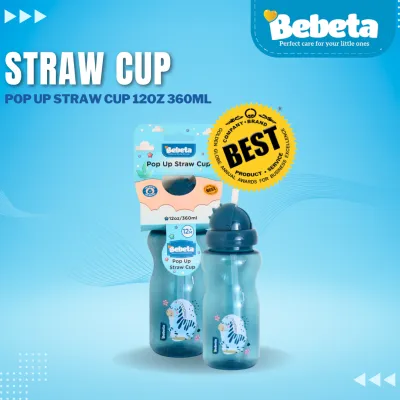
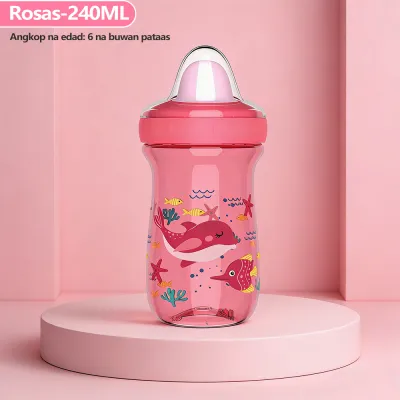
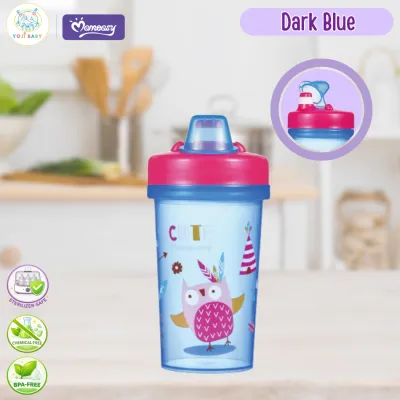
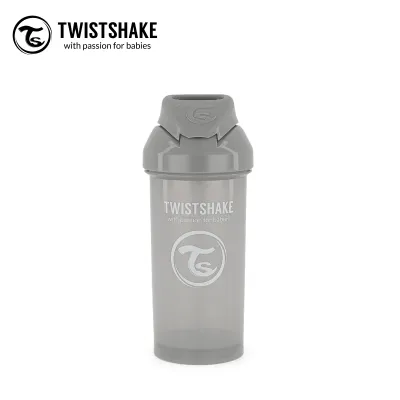
Prices are valid at publication and may change. Please refer to the product page for the latest price.
Straw cups introduce a completely different drinking dynamic that promotes advanced oral motor skills. Instead of tilting the cup and head backward, the child must keep the cup upright and use active suction to draw liquid upward. This action requires a tight lip seal around the straw and forces the tongue to retract, which helps strengthen the muscles at the back of the mouth. Many modern straw cups feature weighted straws that move with the liquid, allowing toddlers to drink from various angles, and cross-cut valves within the straw to prevent leaks when the cup is dropped or tipped over.
The 360-degree cup is designed to mimic the experience of drinking from an open cup while eliminating the mess. It features a circular, flat lid with a silicone valve that seals the edges completely when not in use. When your toddler places their lips anywhere along the rim and applies gentle suction while tilting the cup, the valve releases a controlled flow of liquid. This design encourages the child to use their upper lip to stabilize the cup edge, promoting a mature swallowing pattern and preparing them for standard open glassware or plastic cups later on.
Decision Guide: Matching Cup Types to Developmental Signals
Identifying the right moment to introduce a new cup type requires close observation of your child’s physical abilities. For spout cups, readiness signals often align with the early stages of weaning, typically around six months of age. If your baby can sit upright with minimal support, hold their head steady, and show interest in grasping objects with both hands, they may be ready for a soft spout cup. At this stage, the primary goal is helping them understand the concept of holding a vessel and bringing it to their mouth, rather than mastering complex drinking mechanics.

The transition to a straw cup is ideal when your toddler demonstrates more refined oral control, usually between eight and twelve months. Look for signs such as a strong lip seal when eating from a spoon, the ability to swallow purees without pushing them out with the tongue, and improved hand-eye coordination. Straw drinking is highly recommended by pediatric speech and feeding specialists because it discourages the infantile sucking reflex and encourages tongue retraction, which is crucial for speech development. If your child can successfully sip pureed food or water from a straw during guided practice, they are ready for their own straw cup.
Introducing a 360-degree cup is most effective when your toddler has mastered basic swallowing patterns and shows a desire to mimic adult drinking habits, often around twelve months or older. You will know they are ready when they can tilt a cup without immediately spilling the contents, control their head movement while drinking, and use their upper lip to seal against a rim. The 360-degree design is excellent for teaching the physical mechanics of open-cup drinking—such as tilting the cup to the correct angle—without the risk of a soaked shirt or a messy kitchen floor.
To help you compare these options at a glance, the table below outlines the key features and developmental focuses of each training cup type:
| Cup Type | Drinking Mechanism | Primary Developmental Skill Targeted | Ideal Transition Phase |
|---|---|---|---|
| Spout Cup | Tilting cup; biting or sucking on a raised mouthpiece | Basic grasping, hand-to-mouth coordination, head tilting | Early weaning (typically 6+ months) |
| Straw Cup | Upright cup; active suction through a narrow tube | Lip sealing, tongue retraction, cheek muscle strengthening | Active weaning and oral motor development (typically 8-12 months) |
| 360-Degree Cup | Tilting cup; lip pressure and suction along the rim | Mature swallowing pattern, upper lip control, open-cup preparation | Toddlerhood and open-cup preparation (typically 12+ months) |
While these developmental phases provide a reliable framework, always prioritize your child’s physical comfort and safety over rigid age milestones. Check the manufacturer’s packaging for specific age recommendations, weight limits, and usage instructions, as designs vary widely between brands. If your child struggles with a particular cup, do not force the transition; instead, observe their reaction, ensure they are supervised at all times during use, and adjust your approach based on their comfort level.
Essential Features to Verify Before Purchasing
When shopping for a toddler training cup, especially in warm, humid climates like the Philippines, material safety and durability are paramount. Look for clear labels indicating that the cup is made from BPA-free plastics, food-grade silicone, or lightweight stainless steel. Because toddlers frequently drop, throw, and knock over their cups, verifying drop resistance and impact durability is essential to prevent cracks or leaks. Avoid cups with brittle plastic components that can shatter or create sharp edges after a fall onto hard tile floors.
In tropical environments, high humidity can accelerate the growth of mold and bacteria in damp, enclosed spaces. Therefore, you must carefully inspect the cup’s design for ease of cleaning and mold prevention. Choose models with fully removable valves, straws, and gaskets that can be easily disassembled and scrubbed. Check the manufacturer’s instructions to verify if the parts are dishwasher-safe or if they require specialized cleaning brushes. Avoid cups with complex, non-removable internal chambers or deep, narrow crevices where moisture can trap and harbor mold.
The physical design of the cup should match your toddler’s small hands and developing grip strength. Look for cups with ergonomic, non-slip handles that are easy for tiny fingers to wrap around. If the cup does not have handles, ensure the body has a contoured shape or a textured silicone sleeve to prevent slipping. The overall weight of the cup when filled with water or milk should be light enough for your child to lift independently without straining their wrists or losing balance.
Finally, consider the delicate balance between leak-proof performance and flow rate. While parents naturally favor cups that promise zero leaks, highly restrictive spill-proof valves often require immense suction force to release any liquid. If the valve is too tight, your toddler may become frustrated, tire quickly, or refuse to use the cup altogether. Look for adjustable flow valves or cups that offer a moderate flow rate, allowing your child to drink comfortably without having to suck excessively hard.
When to Pause and Seek Professional Guidance
Transitioning to a training cup is a learning process that requires patience, but there are times when persistent difficulties indicate a need to pause. If your toddler consistently exhibits signs of frustration, frequent choking, coughing, or gagging while trying to drink, these are clear indicators that the current cup mechanism may not match their developmental stage. Consistent fluid refusal or a sudden drop in daily liquid intake can also lead to dehydration, especially in warm weather, making it crucial to monitor their hydration levels closely.
If these challenges persist despite trying different cup types and offering gentle encouragement, it is wise to consult your pediatrician or a pediatric feeding therapist. These professionals can evaluate your child’s oral motor skills, check for physical barriers like tongue-ties, and identify any swallowing difficulties or developmental delays. Early intervention can provide you with tailored strategies to help your child build the necessary muscle coordination in a safe, supportive manner.
Remember that development is rarely linear, and stepping back to a previous stage is a completely normal part of the process. If a straw or 360-degree cup is causing distress, reintroducing a soft spout cup or even returning to a familiar bottle for a short period can help rebuild your child’s confidence. Forcing a child to use a cup they are not physically ready for can create negative associations with drinking, so always prioritize their comfort and progress at their own pace.
Frequently Asked Questions (FAQ)
Can I skip the spout cup and go straight to a straw or 360 cup?
Yes, you can absolutely skip the spout cup and transition your toddler directly from a bottle or breast to a straw or 360-degree cup. Many pediatric dentists and speech-language pathologists actually recommend bypassing spout cups entirely, as the sucking motion required for spouts is very similar to bottle feeding and does not promote advanced oral motor skills. If your child shows strong lip-sealing abilities and can manage active suction, starting directly with a weighted straw cup or a 360-degree cup is a highly beneficial choice that supports healthy jaw and speech development.
How do I properly clean the valves to prevent mold buildup?
To prevent mold buildup, especially in warm and humid climates, you should disassemble all removable parts of the cup immediately after each use. Rinse the components under warm running water to remove any milk or juice residue, then wash them thoroughly using a mild dishwashing liquid and a specialized small-crevice brush. Pay close attention to the inside of straws, silicone valves, and rubber gaskets where moisture tends to collect. Allow all parts to air-dry completely in a well-ventilated area before reassembling the cup, and periodically check the manufacturer’s instructions to see if the parts can be sterilized in boiling water or a steam sterilizer.
When should my toddler transition to a regular open cup?
Most toddlers are ready to begin practicing with a regular open cup around twelve to eighteen months of age, though full mastery may take longer. You can start the transition by offering small amounts of water in a tiny, durable, open cup during mealtimes under close adult supervision. Look for physical signs of readiness, such as the ability to bring a cup to their mouth without spilling, using their upper lip to control the flow of liquid, and placing the cup back down on the table with control. Regular practice with an open cup helps refine their hand-eye coordination and oral motor control, paving the way for independent drinking habits.

Community discussion
Share your experience or ask a question. Comments are reviewed before publication.