
Finding the right sip cup for your weaning baby is not about finding a single “perfect” product, but matching a design to your baby’s current physical milestones and your daily routine. In the Philippines, where warm weather makes regular hydration essential, choosing between a straw cup, a spout cup, and a 360-degree cup can feel overwhelming. The ideal choice depends on your baby’s observable motor skills, their current weaning stage, and your personal capacity for cleaning complex parts. By understanding how each design works, you can select a cup that supports oral development while keeping spills to a minimum.
Recognizing Your Baby's Readiness for a Sip Cup
How do you know it is time to transition from a bottle or breast to a sip cup? Look for clear, observable physical signals rather than relying solely on age. A primary indicator is the ability to sit upright with minimal support, which ensures safe swallowing. Your baby should also demonstrate the hand-to-mouth coordination needed to grasp objects and bring them to their mouth.
Oral readiness is another crucial factor. You might notice your baby successfully swallowing thicker purees during weaning or showing an active interest in the glasses or mugs you use during family meals. When you observe these milestones, check the specific cup manufacturer’s packaging for age, weight, and developmental guidelines. Because every child develops at their own pace, consult your pediatrician or a pediatric dentist if you are unsure whether your baby is ready to start using a sip cup.
Products mentioned in this guide
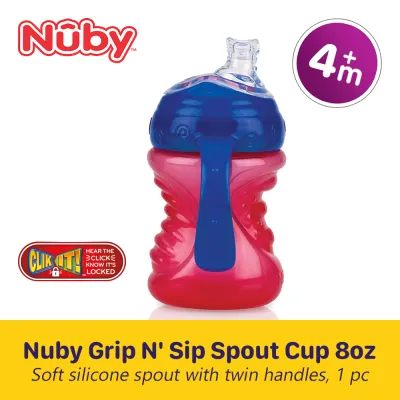
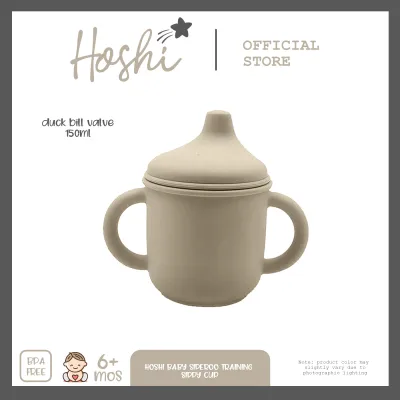
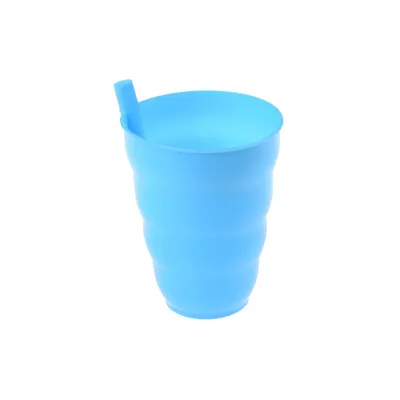
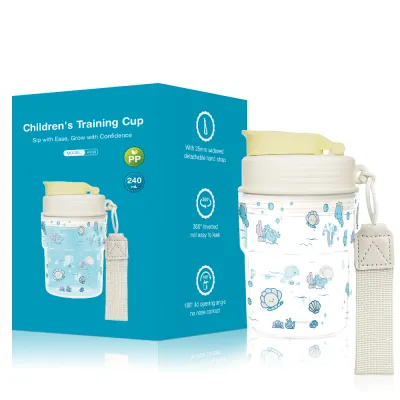
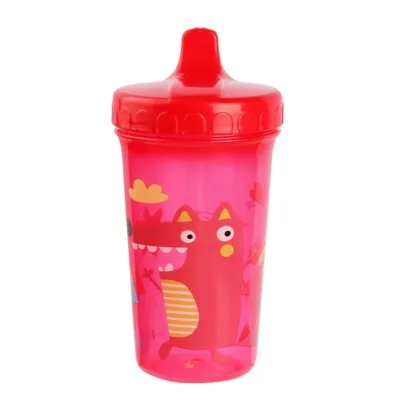
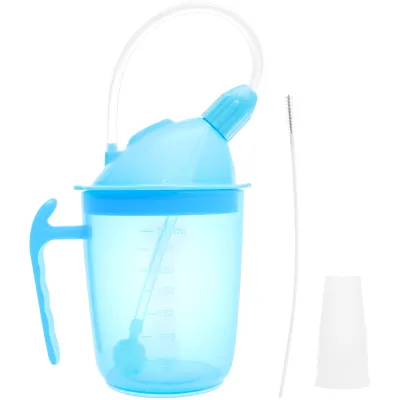
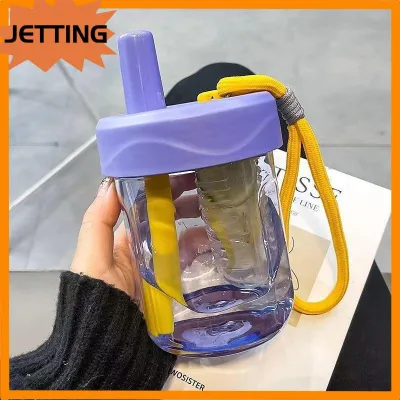
Prices are valid at publication and may change. Please refer to the product page for the latest price.
Straw, Spout, and 360 Cups: Comparing the Core Designs
Each sip cup design serves a different purpose and requires different oral mechanics. Understanding these differences helps you choose a cup that matches your baby’s current abilities.

Straw cups require your baby to use active lip closure and cheek strength to draw liquid upward. They are excellent for developing mature swallowing patterns, but they can be challenging for beginners who have not yet mastered the suction mechanic. Many straw cups feature weighted straws that allow drinking from any angle, which is highly convenient. However, the narrow silicone tubes can be difficult to clean thoroughly, especially in humid tropical climates where mold can develop quickly if moisture is trapped.
Spout cups, available with either hard or soft spouts, are often the easiest transition for bottle-fed babies because the sucking motion is highly similar. Soft silicone spouts feel familiar to a baby’s gums, but they are susceptible to bite damage once teeth begin to emerge. Hard plastic spouts are much more durable but offer less flexibility. Both types generally feature simple valves that control flow, making them highly spill-resistant, though they do not encourage the same lip-muscle development as straw or open cups.
360-degree cups feature a circular silicone valve that seals against a hard plastic rim. When your baby presses their lips against any part of the edge and sips, the seal releases to let liquid flow. This design closely simulates drinking from a regular open cup, helping babies learn the correct lip placement and head-tilt mechanics without the mess. The trade-off is that the multi-piece valve assembly requires complete disassembly and meticulous drying to prevent bacterial buildup under the silicone seal.
| Cup Type | Mechanics | Spill Risk | Cleaning Effort | Ideal User Profile |
|---|---|---|---|---|
| Straw Cup | Active suction through a narrow tube | Low (usually has a leak-proof valve) | High (requires specialized tiny brushes) | Babies with strong lip closure who can sit upright |
| Spout Cup | Familiar sucking on a raised spout | Low to Moderate (depends on valve wear) | Low to Moderate (fewer small channels) | Younger babies transitioning directly from a bottle |
| 360 Cup | Lip pressure on a rim valve | Low (seals automatically when not in use) | Moderate (requires separating the silicone disk) | Toddlers preparing for open cups who tend to spill |
Matching the Cup Type to Your Baby's Needs
Choosing the right cup requires looking at your baby’s habits and your household environment. If you live in a busy household where cups are frequently dropped on hard tile floors, or if you travel often, a highly spill-resistant straw cup with a protective flip lid may be your best option. Choose a soft spout cup if your baby is highly resistant to change and needs a familiar, nipple-like texture to accept liquids other than breast milk or formula. Choose a 360-degree cup if your primary goal is to transition your child to a standard open cup as smoothly as possible and your baby has already mastered the basic tilting motion.
Consider your own daily routine as well. If you have limited time for kitchen chores, a simple spout cup with only two or three parts will be much easier to wash than a straw cup with multiple internal valves and weighted bases. If your baby consistently rejects every cup type you introduce, or if you observe coughing, sputtering, or signs of swallowing difficulty during attempts, pause the transition. Revert to their familiar feeding method for a week or two, and consult a healthcare professional or pediatric speech-language pathologist to assess their oral motor skills.
Safety, Cleaning, and Maintenance Essentials
In the warm, humid climate of the Philippines, proper hygiene for baby gear is a constant priority. Mold and bacteria thrive in dark, damp spaces, making the tiny crevices of sip cups a primary target. To keep your baby safe, completely disassemble the cup after every single use. This means pulling out the silicone valves, removing the straws from their connectors, and sliding off any rubber seals or O-rings. Wash each part in warm, soapy water using specialized straw brushes to clean the inside of tubes.
Regularly perform visual checks on all cup components. Look closely for bite marks, tears, or thinning areas on silicone spouts and straws, as weakened pieces can tear off and become choking hazards. Check hard plastic parts for hairline cracks where bacteria can hide. Always refer to the manufacturer’s instructions regarding sterilization limits; some plastics can warp or degrade if boiled or placed in a high-temperature steam sterilizer. If you notice any signs of degradation, mold that cannot be scrubbed away, or loose parts, discard the cup immediately and replace it.
Frequently Asked Questions (FAQ)
Can I skip the spout cup and go straight to a straw or 360 cup?
Yes, you can absolutely skip the spout cup. Many pediatric dentists and speech therapists recommend transitioning directly from a bottle or breast to a straw or 360-degree cup because these designs encourage healthier oral muscle development. The transition depends entirely on your baby’s individual motor skills and comfort. Observe how your baby handles different cup styles, and always check the manufacturer’s age recommendations on the packaging to ensure the cup is safe for their developmental stage.
How do I know if the sip cup flow rate is too fast or too slow?
If the flow rate is too fast, your baby may cough, sputter, choke, or let liquid dribble out of the corners of their mouth. If the flow is too slow, they may become highly frustrated, cry, or bite down hard on the spout or straw to force liquid out. If you observe these signs, check the valve for blockages or mineral buildup from washing. If the cup is clean and the issue persists, consider switching to a different design or a cup with an adjustable flow valve.
Are sip cups safe for overnight use in the crib?
No, sip cups should not be left in the crib for unsupervised overnight use. Leaving a cup with your baby in bed poses a choking hazard if they fall asleep with liquid in their mouth. Additionally, constantly sipping on milk, juice, or even water throughout the night can lead to early childhood tooth decay as liquids pool around their teeth. To protect your baby’s safety and dental health, offer drinks only during supervised waking hours and keep the crib a cup-free zone.

Community discussion
Share your experience or ask a question. Comments are reviewed before publication.