
Choosing between a straw cup and a spout cup is a pivotal decision during your toddler’s weaning stage, as each design supports different aspects of physical development and self-feeding. While spout cups are often used as an initial bridge from traditional baby bottles, straw cups actively promote advanced oral muscle engagement and mature swallowing patterns. The right choice depends on your child’s current oral motor skills, grip strength, and developmental readiness rather than a strict age timeline. By matching the drinkware design to your toddler’s specific milestones, you can foster independent drinking skills while supporting healthy oral development.
In tropical climates like the Philippines, where keeping your little one hydrated is a constant priority, selecting the right cup also involves practical daily considerations. High humidity means that cup hygiene, ease of cleaning, and mold prevention are just as important as how your child drinks. Understanding how these cups function and how they interact with your toddler’s developing mouth will help you make an informed choice that fits both your child’s developmental stage and your daily routine.
Understanding the Weaning Timeline: Spout vs. Straw Cups
Transitioning away from the breast or bottle is a gradual process that requires your toddler to learn entirely new ways of moving their mouth, tongue, and jaw. Spout cups and straw cups serve as intermediate steps before your child transitions fully to an open cup, but they achieve this transition through very different physical mechanisms.
Products mentioned in this guide
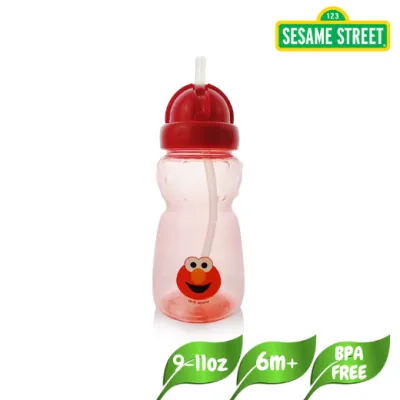
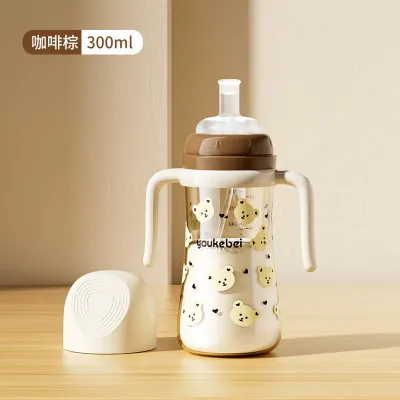

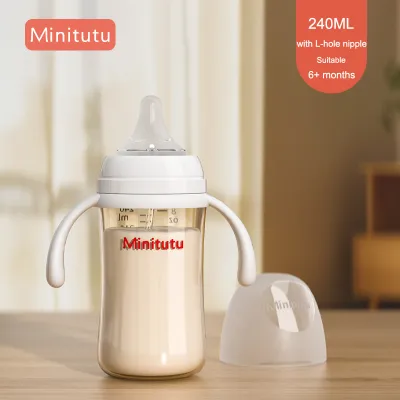
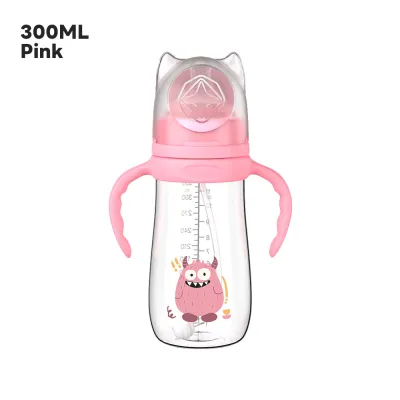
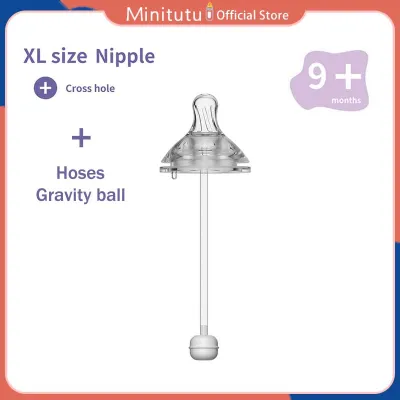
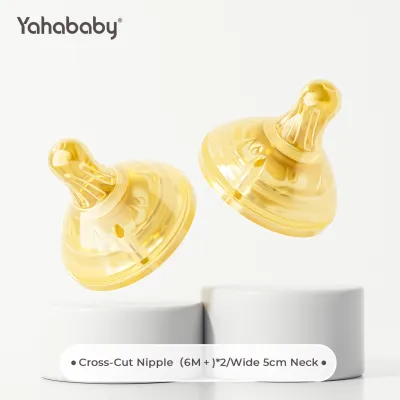
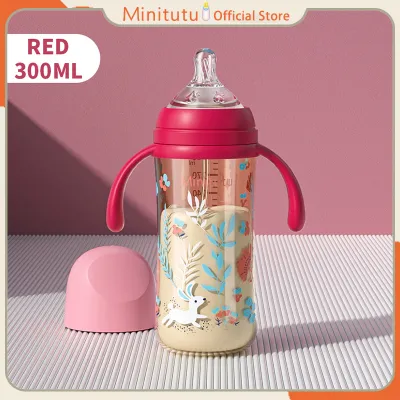
Prices are valid at publication and may change. Please refer to the product page for the latest price.
Spout cups are designed with a protruding mouthpiece, which can be either soft and pliable (often made of silicone) or hard (made of rigid plastic). Because the shape of a spout resembles the nipple of a bottle, it serves as a highly intuitive transitional tool. Toddlers can easily grasp the concept of a spout cup because it allows them to use a familiar sucking motion, making the initial shift away from bottle feeding less jarring for children who resist sudden changes.
In contrast, straw cups feature a narrow tube that extends down into the liquid, requiring the child to draw fluid upward through active suction. This design bypasses the need to tilt the head back, encouraging a completely different set of oral motor skills. Using a straw bottle for toddler drinking teaches the child to coordinate their breathing, swallowing, and lip sealing in a way that closely mirrors mature drinking habits.
While manufacturers print age recommendations on their packaging, these numbers should be treated as flexible guidelines rather than strict rules. Every toddler develops motor skills and oral coordination at their own pace. Some infants may show readiness for a straw cup as early as six months, while others may benefit from the familiar comfort of a spout cup well into their first year. Observing your child’s physical coordination and interest in table foods is a much more reliable indicator of readiness than the age printed on a box.
How Spout and Straw Designs Affect Oral Development
The physical design of your toddler’s drinkware has a direct impact on how their oral muscles develop and how they learn to swallow solid foods. Pediatric feeding specialists often emphasize the relationship between cup design and oral motor patterns, as the repetitive movements required by each cup shape the way a child uses their tongue and jaw.

Spout cups, particularly those with wide or flat spouts, require the tongue to push forward and lie flat under the mouthpiece to control the flow of liquid. This forward tongue protrusion is highly similar to the infantile sucking reflex used during bottle feeding or breastfeeding. While this familiarity makes spout cups easy to use initially, prolonged reliance on them can delay the transition to a mature swallowing pattern. If a child continues to use a spout cup as their primary drinkware for too long, it may reinforce a tongue-thrust habit, which can occasionally influence dental alignment and early speech sound production.
Straw cups, on the other hand, encourage tongue retraction and active lip sealing. To draw liquid through a straw, a toddler must wrap their lips tightly around the silicone tube, creating a vacuum while pulling the tongue backward into the mouth. This action strengthens the orbicularis oris muscle (the muscle surrounding the lips) and promotes jaw stability. These physical adjustments are critical not only for neat drinking but also for chewing solid foods and articulating speech sounds clearly.
Because of these developmental differences, it is beneficial to monitor your child’s oral habits closely as they use these cups. If you notice your toddler constantly biting down hard on a spout to get liquid or keeping their tongue constantly forward, it may be time to introduce a straw. Always check the manufacturer’s guidelines to see when they recommend phasing out specific spout types, and aim to use spout cups as a temporary bridge rather than a long-term drinking solution.
Independence, Grip, and Daily Cleaning Practicality
Beyond oral development, the practicalities of daily use play a massive role in which cup succeeds in your household. A cup that is developmentally appropriate but impossible to clean or too heavy for your toddler to lift will quickly end up forgotten at the back of your kitchen cabinet.
Grip and weight are primary factors in supporting your toddler’s fine motor skills and hand-eye coordination. Many transitional spout cups come equipped with large, easy-to-grip side handles that allow small hands to stabilize the cup with both arms. This is particularly helpful for younger toddlers who are still mastering the hand-eye coordination required to bring a cup to their mouth without spilling. Straw cups are available in both handled designs and contoured bottle shapes; as your toddler’s grip strength improves, transitioning to a handleless straw bottle for toddler use helps them practice the precise finger control needed for adult cups.
Spill resistance is another critical feature, but it often comes with a trade-off. Most spill-proof spout cups utilize a silicone valve that prevents liquid from escaping when the cup is dropped or turned upside down. However, these valves can require significant sucking force to open, which can frustrate some toddlers or encourage them to bite the spout. Straw cups also employ various leak-prevention mechanisms, such as weighted straws that move with the liquid or cross-cut valves inside the straw tip. While these features keep your floors dry, they also alter the flow rate, meaning you should observe whether your child has to struggle too hard to get a drink.
Cleaning complexity is where the two designs differ most significantly, and this is a vital consideration in warm, humid environments like the Philippines. Spout lids generally have fewer parts, making them relatively simple to wash and dry quickly. Straw cups, however, feature internal straw components, weighted bases, and narrow connectors that can easily trap moisture, liquid residue, and milk fats. Without meticulous daily cleaning, these hidden crevices can quickly harbor mold and bacteria. Caregivers must be prepared to completely disassemble all straw parts and use specialized tiny brushes to scrub the inside of the straw after every use.
How to Decide: A Condition-Based Checklist for Your Toddler
To help you navigate the selection process, you can use a condition-based decision framework based on your toddler’s observable physical signals and current feeding milestones. Rather than relying on age alone, look at how your child interacts with food and bottles to determine the best match.
You should consider choosing a spout cup if your toddler:
- Is at the very beginning of the weaning process and shows anxiety or resistance when offered anything other than a bottle or breast.
- Struggles to coordinate the suction required to pull liquid upward and needs the assistance of gravity (by tilting the cup) to drink.
- Frequently lets liquid spill out of the sides of their mouth when using other cups, indicating they need the wider, more supportive surface of a spout to practice lip placement.
You should consider choosing a straw cup (or a dedicated straw bottle for toddler use) if your toddler:
- Has already mastered the basic motor skill of holding a cup and bringing it to their mouth independently.
- Demonstrates a mature swallowing pattern when eating purees or soft solids, showing that their tongue is ready to retract rather than push forward.
- Needs to transition away from bottle-like sucking mechanics to support speech development or dental alignment, as advised by your pediatrician or dentist.
There are times when neither cup type is immediately suitable. If your child shows persistent signs of oral aversion, frequent coughing or choking while drinking, or general swallowing difficulties, do not force the transition. In these situations, pause the use of transitional cups and consult a pediatric feeding specialist or your pediatrician to ensure your child’s swallowing mechanics are developing safely.
Transitioning Safely and Maintaining Cup Hygiene
Introducing a new cup requires patience, consistency, and a commitment to strict hygiene standards to keep your toddler safe and healthy. Making the transition gradual and stress-free will help your child build confidence as they learn this new skill.
When introducing a straw cup, you can model the action yourself using a similar cup, as toddlers learn rapidly through imitation. Another effective method is the pipette technique: dip a clean, open straw into a cup of water or breast milk, place your finger over the top to trap a small amount of liquid, and let your toddler suck the liquid from the bottom of the straw. Once they understand that liquid comes out of the tube, transition them to the actual straw cup. Offering slightly thicker liquids, such as smooth fruit purees thinned with water, can also help slow down the flow rate, giving your toddler more time to coordinate their swallow.
Knowing when to phase out a spout cup is just as important as knowing when to start. Look for consistent signs of readiness, such as your child being able to seal their lips completely around the rim of a cup, controlling the tilt of a cup without dumping the contents, and drinking without coughing. Once these skills are stable, you can gradually replace spout cup sessions with straw cups or small open cups.
Hygiene maintenance is paramount, especially in tropical climates where bacteria multiply rapidly. Regularly inspect all silicone spouts, straws, and valves for signs of wear, such as bite marks, tears, or discoloration. Damaged silicone can become a choking hazard if pieces tear off, and worn surfaces are much harder to sanitize. Always follow the manufacturer’s specific instructions for sterilization, washing temperatures, and replacement intervals. Avoid using harsh chemical cleaners or unverified boiling methods that could degrade the plastic or silicone components of your toddler’s cup.
Frequently Asked Questions (FAQ)
Can I skip the spout cup and go straight to a straw?
Yes, you can absolutely skip the spout cup stage entirely and transition your toddler directly from a bottle or breast to a straw cup. Bypassing the spout cup is often recommended by pediatric dentists and speech therapists because it avoids reinforcing the infantile sucking reflex. To do this successfully, ensure your toddler can sit upright independently, shows curiosity about your own cups, and can manage the suction required to draw liquid. Starting directly with a straw cup helps establish mature oral motor habits from the very beginning of their weaning journey.
When should my toddler transition to an open cup?
Most pediatric health organizations recommend introducing small amounts of water in an open cup around six months of age with close parental assistance, with the goal of transitioning away from training cups by around 12 to 24 months. Mastering an open cup is the ultimate goal of the weaning process, as it requires the most advanced oral coordination and motor control. Look for signs of readiness such as your toddler using two hands to hold a cup steadily, controlling the tipping motion without spilling the entire contents, and sealing their lower lip against the cup’s rim.

Community discussion
Share your experience or ask a question. Comments are reviewed before publication.