
Choosing the right drinking vessel for your baby during the weaning journey is not about finding a single, universal winner. Instead, the ideal choice depends entirely on your baby’s current developmental milestones, oral motor skills, and your family’s daily routine. While training bottles offer a comforting bridge for infants transitioning from exclusive breast or bottle feeding, sippy cups provide excellent spill control for active days, and straw cups actively promote mature swallowing patterns and oral muscle development. Understanding how each vessel affects your baby’s physical development and how to maintain them safely in a warm, humid climate will help you make an informed decision that supports healthy growth.
What to Consider Before Buying a Weaning Cup
When introducing a weaning cup, the primary goal is to help your baby transition from the infantile suckling reflex to a mature swallowing pattern. During bottle or breast feeding, a baby uses a forward-and-backward tongue movement to draw out milk. As they grow and begin eating solid foods, they must learn to retract the tongue and use their lips and jaw to control liquids. The type of cup you choose directly influences how these oral muscles are engaged and trained.
Spill resistance and lifestyle compatibility are equally important practical factors for busy parents. A cup that leaks can turn a quick outing into a messy ordeal, especially when you are on the go. However, the mechanisms that prevent spills—such as silicone valves and complex sealing rings—often require more effort to clean.
Products mentioned in this guide
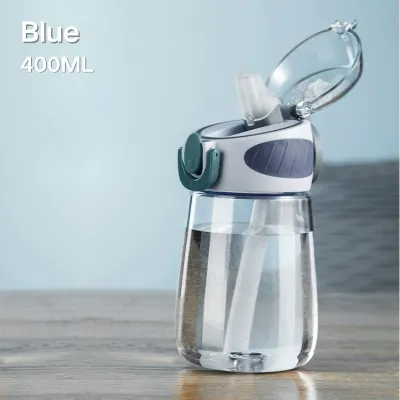
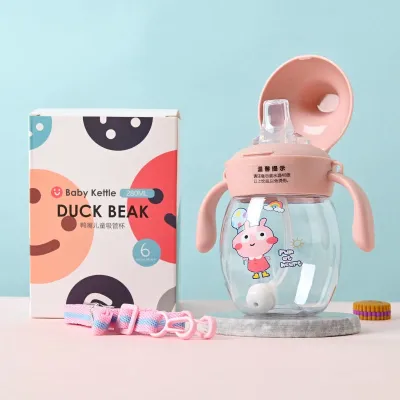
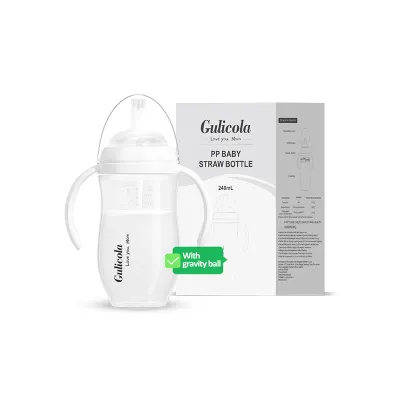
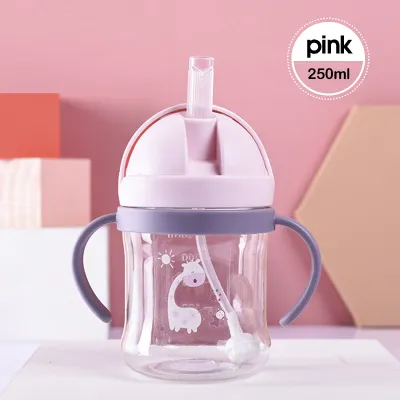
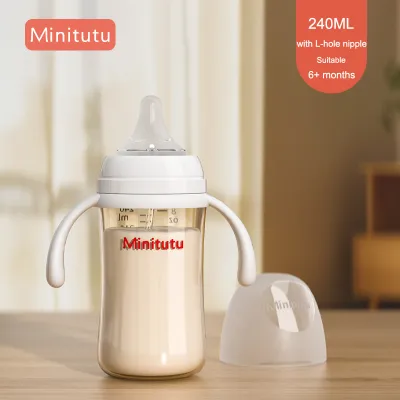
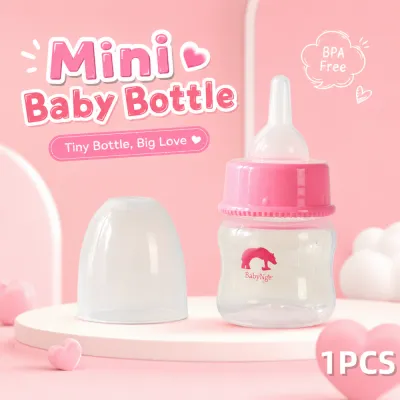
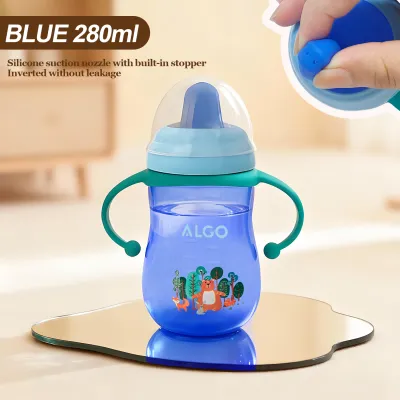
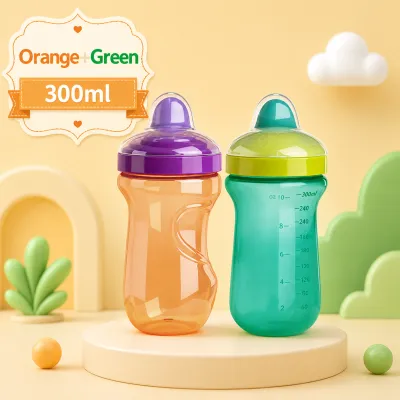
Prices are valid at publication and may change. Please refer to the product page for the latest price.
In warm and humid environments, ease of cleaning is a critical safety consideration. Moisture trapped in tiny valves, straws, or crevices can quickly become a breeding ground for mold and bacteria. When evaluating any weaning cup, look closely at how easily it can be disassembled and whether all parts can be thoroughly scrubbed and dried.
Material safety is another non-negotiable factor. Parents should verify that all components of the cup are labeled as BPA-free and made from food-grade materials like silicone, polypropylene, or stainless steel. Checking the manufacturer’s documentation for heat resistance is also essential, especially if you plan to use steam sterilizers or hot water washes to keep the vessels hygienic.
Straw Cups: Best for Oral Muscle Development
Straw cups are highly recommended by pediatric feeding specialists because they encourage excellent oral motor development. Drinking from a straw requires a baby to wrap their lips tightly around the tube, pull their tongue back, and use their cheek muscles to create suction. This action strengthens the lips, cheeks, and tongue, which are the very same muscles used for chewing solid foods and developing speech sounds later in infancy.

Most babies show readiness for a straw cup around six to nine months of age, once they can sit upright independently and have developed basic lip seal control. You can look for signs of readiness such as your baby reaching for your own drinking cups or showing curiosity when you use a straw. Teaching a baby to use a straw may take some patience, but many learn quickly through simple practice or by using specialized training cups that allow parents to gently squeeze liquid up the straw to help them understand the concept.
Despite their developmental benefits, straw cups come with specific maintenance challenges. The long, narrow design of the straw and the internal one-way valves can easily trap liquid residue. In humid tropical climates, any leftover moisture inside a straw can lead to rapid mold growth. Parents must be diligent about using specialized, thin straw brushes to clean the interior of these parts daily and verifying that they are completely dry before reassembly.
Additionally, while many modern straw cups feature weighted straws that allow babies to drink from any angle, they can still present spill risks. If a baby tilts a standard straw cup upside down or drops it from a high chair, liquid trapped in the upper portion of the straw may splash out. Checking for models with leak-proof cross-cut valves in the straw can help minimize these everyday messes.
Sippy Cups: Best for Spill Control and Early Transitions
Sippy cups have long been a popular choice for parents transitioning their babies away from traditional bottles. They are primarily designed to prevent spills, making them highly convenient for travel, car rides, or active play. The structured design allows babies who are still mastering their fine motor skills to hold and tilt the cup independently without flooding themselves with liquid.
These cups generally come in three main designs: hard spouts, soft silicone spouts, and 360-degree rimless designs. Soft spouts are often gentler on sensitive gums and feel more familiar to babies accustomed to bottle nipples. Hard spouts are highly durable and resist chewing from teething babies, while 360-degree cups allow babies to drink from any edge of the rim, mimicking an open cup while preventing spills through a pressure-activated silicone seal.
While sippy cups offer unmatched convenience, pediatric dentists often caution against prolonged or exclusive use of spouted cups. Drinking from a traditional spout requires a baby to keep their tongue forward, which is similar to the infantile sucking pattern used with bottles. If used for too long, this habit can potentially interfere with natural tongue retraction and affect dental alignment. To mitigate this, parents can view spouted sippy cups as a temporary transitional tool rather than a long-term solution.
When choosing a sippy cup, look for models that feature built-in flow control to prevent choking hazards, especially for younger babies who are still learning to coordinate breathing and swallowing. The cup should be easy for small hands to grasp, often featuring removable double handles that help babies build confidence as they transition to holding regular cups.
Training Bottles: Best for Familiarity and Grip Practice
Training bottles serve as a gentle, low-stress stepping stone for babies who are highly attached to their standard feeding bottles. These vessels typically combine the familiar shape and soft nipple of a baby bottle with ergonomic, easy-to-grip handles. This design allows babies to practice the physical act of holding their own bottle and bringing it to their mouth, building essential fine motor skills without the frustration of learning an entirely new drinking mechanism at the same time.
As your baby becomes comfortable holding the training bottle, many systems allow you to swap out the standard bottle nipple for a soft, flat spout or a straw attachment. This gradual transition helps babies adapt to new oral sensations at their own pace. It is particularly useful for babies who resist other weaning cups or those who experience sensory sensitivities during the transition to solid foods.
However, parents must be mindful of the risks associated with prolonged bottle use. Allowing a baby to carry a training bottle around throughout the day, especially when filled with milk or juice, can lead to continuous pooling of liquid around their developing teeth. This constant exposure to sugars increases the risk of early childhood tooth decay.
To protect your baby’s oral health, it is best to establish clear boundaries for training bottle use. Use them primarily during designated meal or snack times rather than allowing continuous sipping during play or sleep. Pediatric health organizations generally recommend retiring training bottles and standard bottles completely by 12 to 18 months of age to support healthy dental and speech development.
Side-by-Side Comparison of Weaning Vessels
To help you evaluate which vessel fits your baby’s current developmental stage and your daily routine, the table below compares the three main options across key practical dimensions.
| Feature | Training Bottle | Sippy Cup | Straw Cup |
|---|---|---|---|
| Recommended Starting Age | 4 to 6 months | 6 months and up | 6 to 9 months |
| Oral Development Impact | Low (maintains infantile sucking pattern) | Moderate (spouts maintain forward tongue; 360-degree rims support lip strength) | High (promotes tongue retraction and lip seal) |
| Cleaning Effort | Low (few parts, wide openings) | Moderate to High (valves and spouts require detailed scrubbing) | High (requires specialized straw brushes and deep valve cleaning) |
| Spill Control | Moderate (may drip if shaken or dropped) | High (excellent seal, designed for active travel) | Moderate to High (depends on valve design; weighted straws may drip slightly) |
| Best Daily Scenario | Early weaning, home use, and transition from standard feeding | Travel, outdoor play, and car rides | Meal times, active oral motor practice, and long-term hydration |
While general age guidelines provide a helpful starting point, your baby’s individual readiness should always guide your choice. For example, a six-month-old baby who struggles to hold a heavy cup may benefit from starting with a lightweight training bottle, while another baby of the same age with strong grip skills might transition directly to a straw cup. Observing how your baby interacts with different designs will help you tailor the transition to their unique pace.
How to Choose the Right Cup for Your Baby's Current Stage
Selecting the right weaning cup does not have to be a process of trial and error. By observing your baby’s physical cues and matching them to your lifestyle needs, you can select the vessel that offers the right balance of developmental support and practical convenience.
Choose a straw cup if:
- Your baby has mastered sitting upright independently and shows good head control.
- You want to actively support mature swallowing patterns, lip seal control, and tongue retraction.
- Your baby enjoys mimicking adults or older siblings who drink from straws.
- You are prepared to spend extra time cleaning and drying complex straw components to prevent mold.
Choose a sippy cup if:
- You need a highly reliable, spill-proof option for travel, outdoor activities, or daycare.
- Your baby is transitioning from a bottle but is not yet ready for the coordination required by a straw.
- You prefer a cup with a 360-degree rim to help your baby practice the lip movements needed for an open cup without the mess.
- You plan to use the cup as a temporary transitional tool and will monitor dental alignment.
Choose a training bottle if:
- Your baby is under six months old and is just beginning to practice holding objects independently.
- Your baby strongly resists other weaning cups and needs a familiar nipple shape to ease the transition.
- You want a modular system that allows you to gradually swap nipples for spouts or straws as your baby's confidence grows.
- You are committed to retiring the bottle design by 12 to 18 months to prevent dental issues.
Verify first if:
- Your baby has any specific oral motor delays, cleft palate, or swallowing difficulties. In these cases, always consult your pediatrician, a pediatric dentist, or a feeding therapist before introducing a new cup type, as they can recommend specialized therapeutic vessels tailored to your baby's unique anatomical needs. Always verify the recommended age, weight range, and specific method of use from the product documentation before introducing any new cup.
Frequently Asked Questions (FAQ)
Can I put formula or breast milk in a straw cup or sippy cup?
Yes, you can put formula or breast milk in a straw cup or sippy cup, but doing so requires strict hygiene practices. Milk contains fats and proteins that easily cling to the soft silicone of straws, valves, and spouts. In warm, humid climates, milk residues left in these hard-to-reach areas can lead to rapid bacterial growth and mold, posing health risks to your baby.
If you choose to serve milk in these vessels, verify that all parts can be completely disassembled for deep cleaning. Wash them immediately after use with warm, soapy water and a specialized brush, and check the manufacturer’s instructions to ensure the parts can withstand regular sterilization. For convenience, many parents prefer to use simpler, easy-to-clean cups or training bottles for milk, while reserving complex straw cups primarily for water.
When should I completely stop using a sippy cup or bottle?
Pediatric health and dental authorities generally recommend transitioning your baby away from all bottles and spouted sippy cups by 12 to 18 months of age. Prolonged use of these vessels can affect the natural alignment of developing teeth and may contribute to speech delays by reinforcing immature swallowing habits.
You can begin preparing your baby for an open cup around 12 months by offering small amounts of water in a small, open, weighted-bottom cup during supervised meal times. Signs that your baby is ready to transition include the ability to bring a cup to their mouth with both hands and control the tilt without spilling immediately. If you experience persistent difficulties with weaning or have concerns about your baby’s oral development, consult a pediatric dentist or a feeding therapist for personalized guidance.

Community discussion
Share your experience or ask a question. Comments are reviewed before publication.