
Transitioning your baby from breast or bottle to a cup is a major milestone in their weaning journey. The right baby milk container depends on your child’s developmental stage, motor skills, and the specific setting where they drink. While sippy cups offer convenience on the go, straw cups and open cups play vital roles in supporting oral muscle development and natural swallowing patterns. Finding the right balance ensures your baby stays hydrated while building healthy oral habits.
Choosing the perfect cup involves observing your baby’s physical cues rather than strictly following age charts. Every child develops at their own pace, and their readiness for different cup designs will shift as they grow. By understanding the unique benefits and limitations of each cup type, you can create a smooth, stress-free transition that supports your baby’s independence.
Understanding Your Baby's Weaning Stage and Cup Readiness
Before introducing any new baby milk container, observe your child’s physical readiness. Your baby should be able to sit upright independently with good head and neck control before attempting to drink from a cup. Grasping ability is another key indicator; if your baby can reach for, hold, and bring toys to their mouth, they likely have the motor skills to handle a starter cup.
Products mentioned in this guide
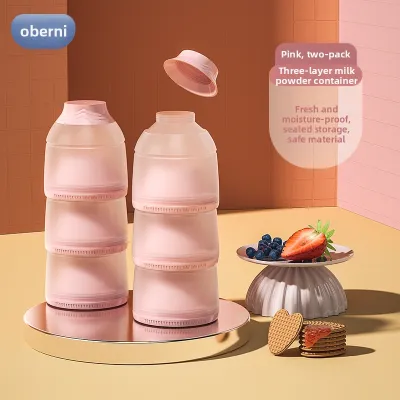
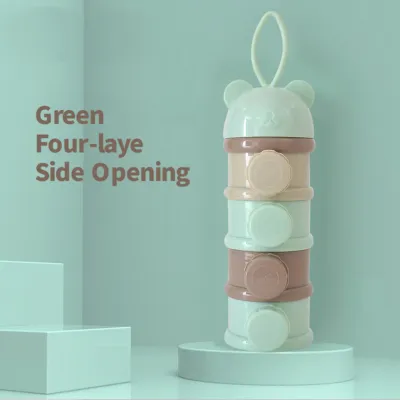
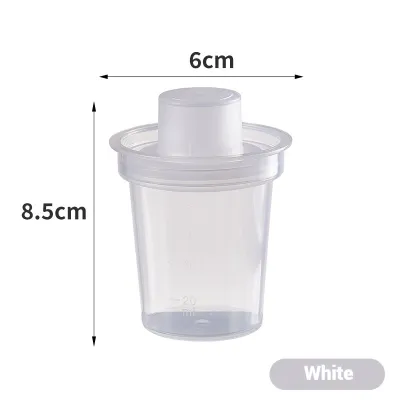
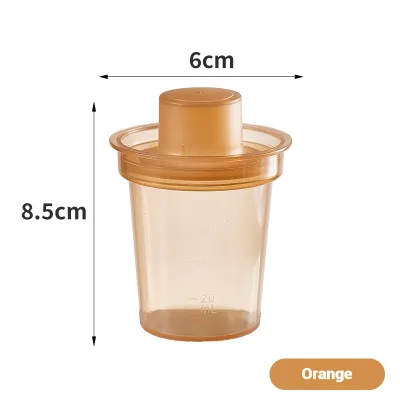
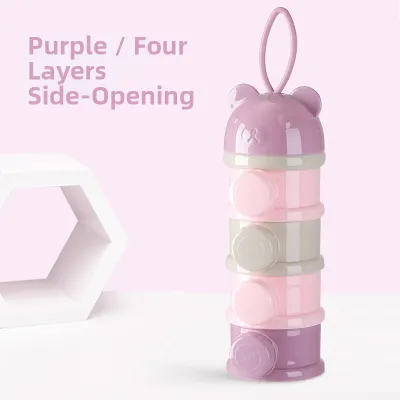
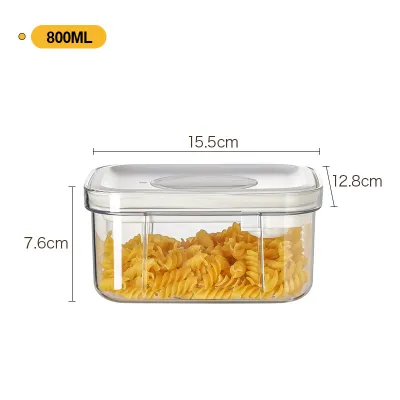
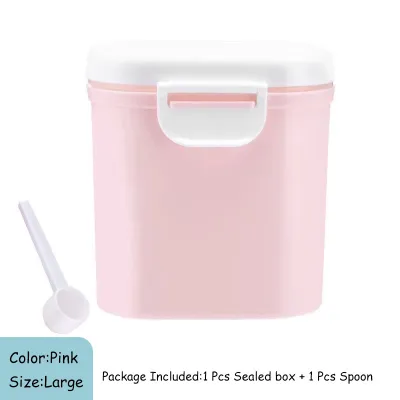
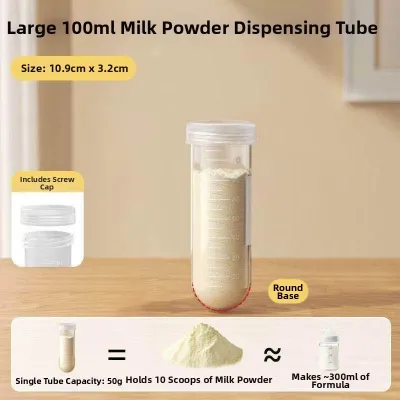
Prices are valid at publication and may change. Please refer to the product page for the latest price.
Swallowing coordination develops gradually alongside solid food introduction. Around six months of age, many babies begin to lose the tongue-thrust reflex, which naturally pushes solid objects out of the mouth. This developmental shift makes it easier for them to manage small sips of liquid without choking or sputtering.
General pediatric milestones suggest introducing a cup around six months of age, primarily for small sips of water during meals. This practice helps babies associate cups with hydration and mealtime. If you notice your baby coughing, sputtering, or showing signs of frustration, it is best to pause, offer comfort, and try again a few weeks later when their coordination has matured.
Sippy Cups: Pros, Cons, and Best Use Cases
Sippy cups are a popular choice for parents transitioning away from bottles due to their spill-proof designs. These cups typically feature a hard or soft spout and dual handles, making them easy for tiny hands to grip and tilt. For busy families navigating active daily schedules, a leak-resistant sippy cup prevents messy cleanups on living room rugs or car seats.

Despite their convenience, prolonged use of traditional sippy cups can impact oral development. Pediatric dentists often point out that the sucking mechanism required for many spout cups is highly similar to bottle feeding. This action can prevent the tongue from retracting naturally, potentially affecting speech development and dental alignment if used continuously throughout the day.
To balance convenience with healthy development, limit sippy cup use to specific scenarios. They are excellent for travel, outdoor play at the park, or quick car rides where spills are highly inconvenient. For routine mealtimes at home, consider transitioning to other cup styles that encourage advanced drinking mechanics.
Straw Cups: Developmental Benefits and Transition Timing
Straw cups offer an excellent alternative to traditional spouts by actively supporting oral motor skills. Sucking through a straw requires your baby to seal their lips tightly, pull their tongue back, and use their cheek muscles. These movements strengthen the oral muscles used for chewing solid foods and producing speech sounds.
While straw cups are highly beneficial, they do present practical trade-offs for parents. Many models feature complex anti-leak valves inside the straw to prevent spills when the cup is tipped over. These intricate parts can be challenging to clean thoroughly, requiring specialized tiny brushes to remove milk residue completely.
Most babies are developmentally ready to try a straw cup between six and nine months of age. Look for manufacturer age guidelines on product packaging to ensure the flow rate and straw size match your baby’s stage. If your baby struggles to draw liquid upward, you can practice with a squeeze-assisted training cup to help them understand the concept.
Open Cups: Building Independence and Safe Introduction
Introducing an open cup is the gold standard for promoting natural swallowing patterns and long-term dental health. Drinking from an open rim teaches babies to control their lip placement, jaw stability, and liquid flow. Because it does not rely on a sucking mechanism, it allows the tongue to rest in its natural, healthy position against the roof of the mouth.
To minimize the inevitable spills that come with learning, start with specifically designed training cups. Look for small capacities of around two to four ounces, which are lightweight and easy for a baby to lift. Cups with weighted bases help prevent accidental tipping, while dual handles or textured outer surfaces provide a secure grip for small hands.
Active caregiver supervision is absolutely essential when practicing with an open cup. Start by putting only a tiny splash of breast milk, formula, or water in the cup to keep spills manageable. If your baby becomes overly frustrated, starts choking, or repeatedly pours the liquid over themselves, stop the session and try again during a calmer mealtime.
Feature Comparison: Matching the Cup to Your Baby's Needs
To choose the right baby milk container for your daily routine, it helps to compare how each type performs across key practical categories. Each cup style serves a distinct purpose in your weaning toolkit.
| Cup Type | Leak Resistance | Oral Development Support | Cleaning Effort | Ideal Environment |
|---|---|---|---|---|
| Sippy Cup | High | Low to Moderate | Low to Medium | Travel, stroller rides, outdoor play |
| Straw Cup | Moderate to High | High | High (requires straw brushes) | Daycare, home play, supervised travel |
| Open Cup | None | High | Low (dishwasher safe) | Mealtime at the highchair, home practice |
When deciding which cup to use, apply a conditional framework based on your immediate surroundings. If you are traveling or running errands, a leak-resistant straw or sippy cup keeps your diaper bag dry. If you are sitting down for a family meal at home, use an open cup to build essential motor skills under your direct supervision.
Before purchasing any cup, verify the manufacturer’s age recommendations and material safety claims on the packaging. Ensure the product is labeled as food-grade and appropriate for your baby’s current developmental stage. Budgeting between ₱300 and ₱800 on local online marketplaces or baby boutiques will generally secure a durable, high-quality training cup.
Safety, Hygiene, and Maintenance Checks
Prioritize hygiene by verifying all manufacturer material declarations before your baby’s first use. Look for clear labels indicating the cup is BPA-free and made from food-grade silicone or high-quality, impact-resistant plastics. These materials ensure that no unwanted chemicals leach into your baby’s milk, especially when exposed to warm liquids.
In warm, humid tropical climates, mold can develop rapidly in the hidden crevices of baby cups. Always completely disassemble every part of the cup, including silicone valves, straws, and rubber gaskets, before washing. Clean these components thoroughly with warm, soapy water and dedicated cleaning brushes, then allow them to air dry completely in a well-ventilated area.
Regularly inspect all cup components for signs of wear and tear. Babies who are teething can easily chew through soft silicone straws or spouts, creating small pieces that pose a choking hazard. Establish a routine check to discard and replace any cracked plastics, torn silicone valves, or heavily chewed components immediately to keep mealtime safe.
Frequently Asked Questions (FAQ)
When should I stop using a sippy cup?
General pediatric and dental guidelines suggest transitioning away from traditional spout sippy cups by 12 to 24 months of age. Prolonged reliance on spouts can interfere with natural tongue resting positions and dental development. If your child is approaching their first birthday, gradually replace sippy cups with straw cups and open cups during regular mealtimes to encourage mature drinking habits.
Can I put formula or breast milk in a straw cup?
Yes, you can put formula or breast milk in a straw cup, but it requires diligent cleaning. The fats and proteins in milk easily cling to the inner walls of silicone straws and anti-leak valves, creating a breeding ground for bacteria if not washed immediately. Always rinse the straw components with warm water right after use, and use a specialized straw brush to scrub the interior clean.

Community discussion
Share your experience or ask a question. Comments are reviewed before publication.