
Choosing the right baby bottle sterilizer is a key decision for maintaining your infant’s feeding hygiene while managing your daily household routine. The ideal choice depends on your kitchen space, budget, the types of bottles you use, and how much time you can dedicate to maintenance. By understanding how steam, ultraviolet (UV) light, and microwave methods compare, you can select a system that keeps your baby’s gear clean without adding unnecessary stress to your day.
Quick Answer: Which Sterilizer Should You Choose?
Your choice of sterilizer should align with your primary household constraints, budget, and the specific materials of your baby bottles and accessories.
- Choose Steam if you prefer traditional high-heat reliability, have a moderate budget, and primarily use standard glass or heat-safe plastic bottles.
- Choose UV if you want to sanitize heat-sensitive items like electronic toys or delicate pump parts, prefer the convenience of a dry-only cycle, and have a higher upfront budget.
- Choose Microwave if you have limited countertop space, travel frequently, or want the most affordable initial investment.
Before making a final purchase, always verify if your preferred bottle brands, pacifiers, or breast pump parts have strict manufacturer limits regarding high heat or UV light exposure.
Products mentioned in this guide
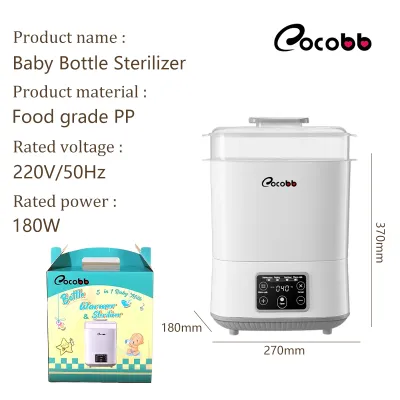
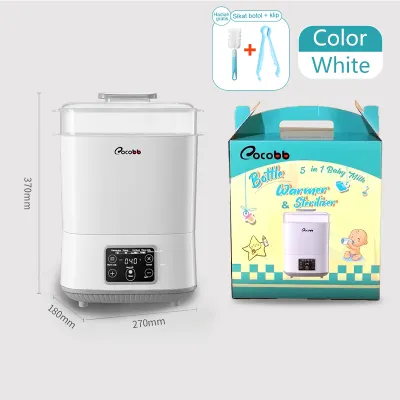
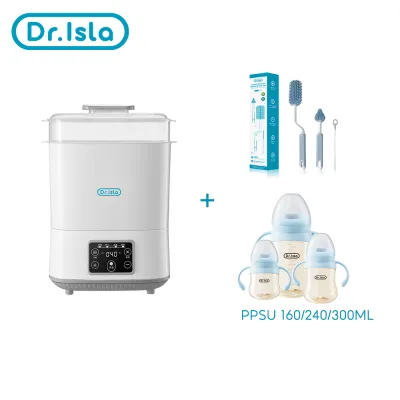
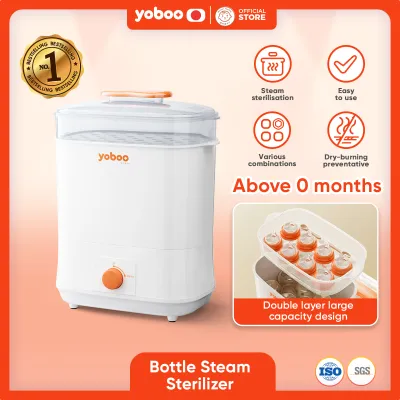
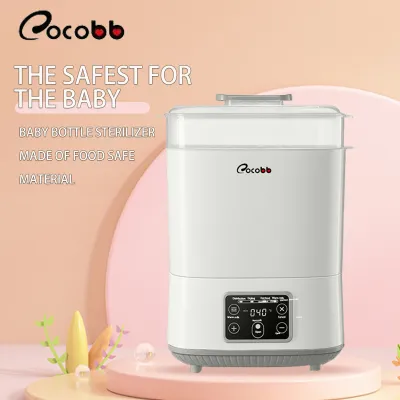
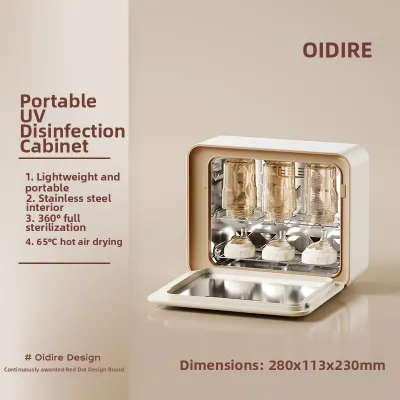
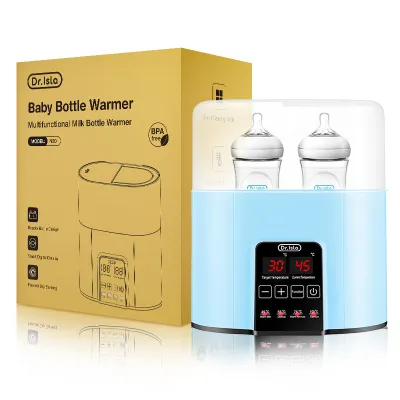
Prices are valid at publication and may change. Please refer to the product page for the latest price.
Core Differences: How Steam, UV, and Microwave Methods Work
Understanding the physical mechanisms of each sterilization method helps you evaluate their baseline requirements and operational logic.

Steam sterilization relies on high-temperature water vapor to eliminate microorganisms. Electric steam sterilizers heat a small reservoir of water to its boiling point inside an enclosed chamber. The resulting steam circulates around the bottles, transferring heat to all exposed surfaces to neutralize bacteria and viruses. Because steam leaves moisture behind, many modern electric steam units include an integrated hot-air fan to dry the items, which is crucial for preventing mold growth in humid tropical environments.
UV-C light sterilization uses ultraviolet light in the C spectrum to disrupt the DNA and RNA of microbes, preventing them from replicating. This process does not require water or high heat, making it highly versatile for items that might warp or degrade under high temperatures. However, UV light operates strictly on a line-of-sight basis. Any surface that is in a shadow, such as the inside of a bottle blocked by a nipple or another accessory, will not receive the same level of exposure, requiring careful positioning of all items.
Microwave sterilization is a compact variation of steam sterilization. You place a small amount of water inside a specialized, heat-resistant plastic pod along with your bottles, seal the lid, and place the pod inside your home microwave. The microwave’s radiation heats the water rapidly to generate pressurized steam. The effectiveness of this method depends entirely on your microwave’s wattage, the turntable’s rotation to ensure even heating, and the integrity of the pod’s seal.
Comparing Key Features for Your Daily Routine
Evaluating the practical day-to-day operational differences of each sterilizer type will help you determine how they fit into your feeding schedules and kitchen workflow.
Cycle Time and Capacity
Electric steam sterilizers often hold six to eight bottles and complete a sterilization cycle in 10 to 15 minutes, though adding a drying cycle extends the total time to 40 or 60 minutes. UV sterilizers typically take longer, often requiring 30 to 60 minutes for a full sanitize-and-dry cycle, but they can hold a variety of household items alongside bottles. Microwave pods are the fastest option, often taking only 2 to 8 minutes depending on your microwave’s wattage, but they generally hold fewer bottles (typically four to six) and require manual drying afterward.
Material Compatibility
High heat from steam and microwave units can accelerate the degradation of certain plastics, causing them to become cloudy, brittle, or warp over time. Glass and silicone handle high heat exceptionally well. Conversely, UV light is gentle on heat-sensitive electronics and plastics but can cause certain types of polypropylene or natural rubber to degrade, discolor, or lose elasticity over prolonged exposure. Always check the material composition of your baby gear before choosing a sterilization method.
Drying Functionality
In highly humid climates, leaving sterilized bottles to air-dry on an open countertop rack exposes them to airborne dust, insects, and ambient humidity. Electric steam sterilizers with integrated HEPA-filtered drying cycles and UV sterilizers with warm-air drying keep the environment sealed and dry, maintaining hygiene until you are ready to use the bottles. Microwave pods do not have built-in drying mechanisms, meaning you must transfer the hot bottles to a clean drying rack, which introduces an extra step and potential exposure to ambient air.
Power and Space Requirements
Electric steam and UV sterilizers require dedicated countertop space and access to a standard electrical outlet. UV sterilizers tend to have a larger, box-like footprint, resembling a small countertop oven, which might crowd compact kitchen counters. Microwave pods require no electrical outlet of their own but demand a microwave oven with sufficient interior clearance and a functioning turntable to prevent hot spots and ensure even steam distribution.
Matching the Sterilizer to Your Living Situation and Budget
Aligning your physical living space, lifestyle mobility, and financial constraints with the most practical device category ensures long-term satisfaction.
Small Apartments and Shared Kitchens
If counter space is at a premium, a bulky UV cabinet might feel too intrusive. A compact, vertical steam sterilizer or a microwave pod that can be tucked away in a cabinet when not in use keeps your workspace clear. Multi-functional units that combine sterilization, drying, and bottle warming can also save space by replacing multiple individual appliances on your kitchen counter.
Frequent Travelers and On-the-Go Families
For families who travel frequently or split time between households, portability is a primary consideration. Microwave sterilizer bags or compact microwave pods are lightweight, non-electric, and easy to pack in a suitcase. Electric steam and UV units are heavy, fragile, and rely on specific voltage requirements, making them impractical for travel or visits to relatives.
Upfront Cost Versus Long-Term Value
Budget considerations involve both initial costs and ongoing maintenance. Microwave pods are generally the most affordable option, often costing under ₱1,500. Electric steam sterilizers occupy a mid-range bracket, while UV sterilizers represent a premium investment, sometimes costing several thousand pesos. Long-term costs include descaling solutions for steam units, replacement HEPA filters, and eventual UV bulb replacements, which you should factor into your household budget.
Safety Checks and Maintenance Requirements
To ensure effective sterilization without damaging your baby gear or compromising hygiene, establish a regular safety and maintenance routine.
Manufacturer Limits
Before placing any item into a sterilizer, read the manufacturer’s packaging or manual. Look for specific symbols or text indicating whether the item is dishwasher-safe, microwave-safe, or compatible with UV sterilization. Some breast pump membranes or natural rubber pacifiers will degrade rapidly under UV light or warp under high steam temperatures.
Descaling and Cleaning
Steam and microwave sterilizers accumulate mineral scale from tap water, especially in areas with hard water. This white or chalky buildup reduces heating efficiency and can harbor bacteria. Regularly descale the heating plate using a mixture of white vinegar and water or a manufacturer-approved descaling solution, followed by a thorough rinse with clean water.
UV Bulb Lifespan
If you choose a UV sterilizer, monitor the bulb’s operating hours. Even if a UV-C bulb still emits visible light, its germicidal efficacy declines over time. Check the user manual to see how often the manufacturer recommends replacing the bulbs or sensors, and look for indicators on the device’s display that signal a drop in light output.
Stop Conditions
Regularly inspect your baby gear for signs of wear. Discontinue using and discard any plastic bottles that appear warped, cracked, or excessively cloudy. Inspect silicone nipples and pump parts for stickiness, tears, or discoloration, as these structural changes can harbor bacteria or affect feeding safety. If a microwave sterilizer pod becomes cracked or warped, replace it immediately to prevent steam burns or uneven heating.
Frequently Asked Questions (FAQ)
Do I really need a dedicated baby bottle sterilizer?
While thorough washing with hot, soapy water and a clean brush is the baseline for daily hygiene, sterilization provides an extra layer of protection. In areas where tap water quality is inconsistent or during humid seasons when mold spores thrive, a dedicated sterilizer ensures a consistent level of cleanliness. Pediatricians often recommend strict sterilization for newborns, premature infants, or babies with compromised immune systems. If you find traditional stovetop boiling tedious, a dedicated device offers convenience and peace of mind.
Can I put breast pump parts and teethers in these sterilizers?
Many breast pump parts, such as hard plastic flanges and silicone valves, can be sterilized, but you must verify this with the pump manufacturer’s instructions. Delicate silicone membranes can lose their elasticity under high heat, affecting suction performance. Teethers filled with water or gel should never be subjected to steam or microwave sterilization, as the heat can cause them to burst or leak chemical gels; some may be compatible with UV sterilization, but washing with warm, soapy water is often the safest default.
How often should I sterilize baby bottles?
For newborns under three months of age, daily sterilization of all feeding equipment is highly recommended due to their developing immune systems. As your baby grows, becomes more mobile, and begins putting household objects in their mouth, the necessity for daily sterilization typically decreases. You can transition to sterilizing bottles once or twice a week, relying on thorough washing with hot, soapy water for daily cleaning. However, if your baby is sick or recovering from an infection, return to daily sterilization until they are fully recovered.

Community discussion
Share your experience or ask a question. Comments are reviewed before publication.