
Quick Answer: Which Sterilization Method is Best?
Choosing the right method for cleaning bottle for baby setups depends heavily on your household routine, budget, and the specific materials of your baby gear. There is no single option that fits every family perfectly, as each approach balances safety, convenience, and cost differently.
Traditional boiling remains the most accessible option for families on a strict budget or with limited kitchen space. Electric steam sterilizers offer automated, fast, and highly convenient daily cycles for busy parents. Ultraviolet (UV) sterilizers provide a modern, waterless solution that combines sterilization with a drying cycle, making them highly versatile for various household items.
Before committing to any method, you must check the manufacturer labels on your bottles, nipples, and accessories. Understanding their specific material limits and temperature tolerances is essential to prevent damage and ensure proper hygiene.
Products mentioned in this guide
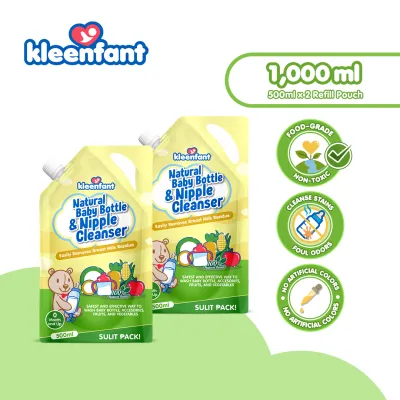
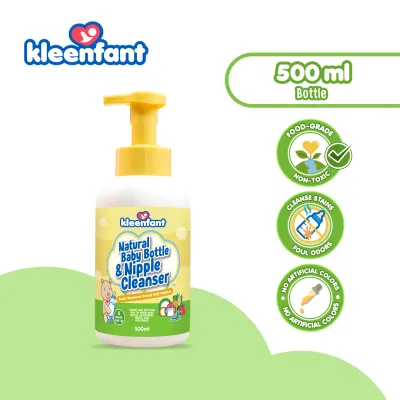
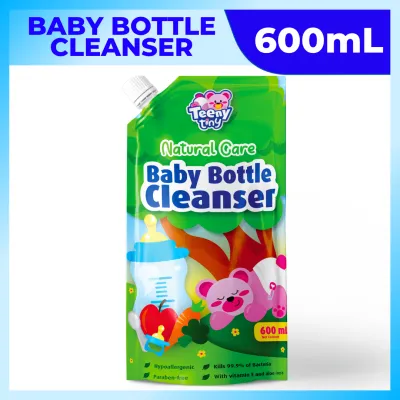
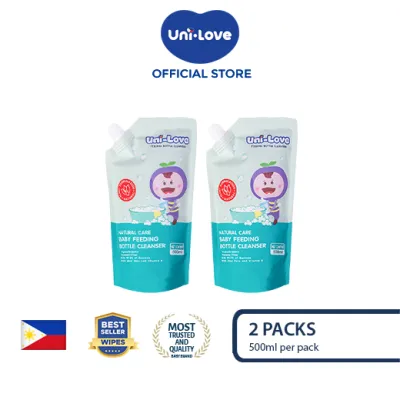
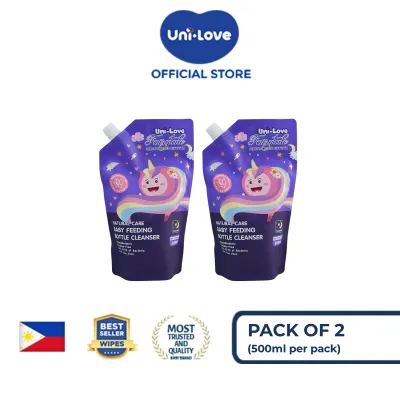
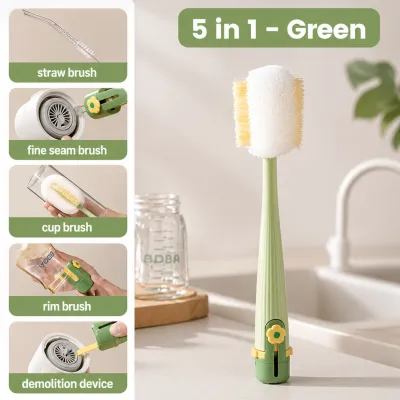
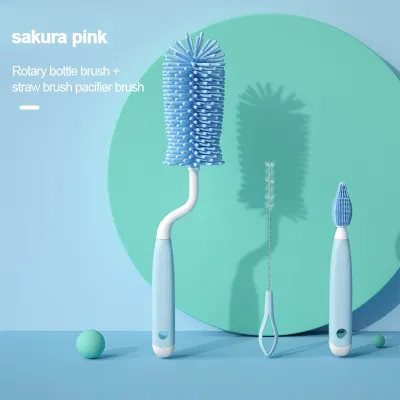
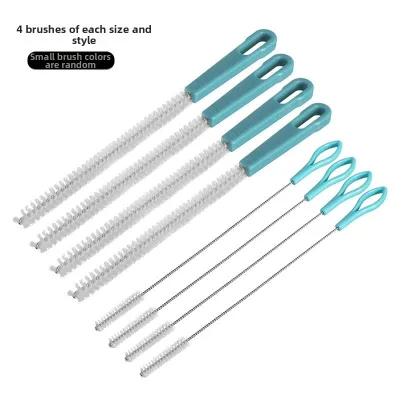
Prices are valid at publication and may change. Please refer to the product page for the latest price.
How Steam, UV, and Boiling Sterilizers Work
To make an informed decision, you must first understand the physical processes behind each sterilization method. Each system uses a distinct scientific principle to eliminate potential pathogens from your baby’s feeding equipment.

The traditional boiling method relies on thermal energy. By completely submerging pre-washed bottles and accessories in rolling boiling water, the intense heat denatures the proteins of harmful microorganisms. This manual process requires constant monitoring to ensure items remain submerged for the correct duration without touching the hot bottom of the pot.
Electric steam sterilizers elevate this thermal process by using a small amount of water heated to its boiling point inside a sealed chamber. The resulting high-temperature steam circulates rapidly around the bottles, penetrating hard-to-reach crevices. Because the chamber is enclosed, the steam remains concentrated, and the cycle shuts off automatically once completed.
UV sterilizers use electromagnetic radiation in the ultraviolet-C (UV-C) spectrum rather than heat or moisture. The UV-C light penetrates the cell walls of bacteria, viruses, and molds, directly disrupting their DNA and preventing them from replicating. Many modern UV units also feature built-in fan heaters to dry the items after the light cycle is complete.
Regardless of the method you choose, sterilization is only effective if you follow the specific device’s instruction manual. You must maintain correct water levels for steam units, ensure proper bulb function in UV units, and always pre-wash every item thoroughly to remove stubborn milk fats and proteins.
Comparing the Three Methods for Daily Use
Evaluating how these three methods perform in a real-world household involves looking closely at daily practicalities. Parents must balance safety verification, time management, and the physical wear and tear on feeding equipment to find a sustainable routine.
Safety and Effectiveness Verification
When verifying the effectiveness of any sterilizing device, you should look for independent testing certifications or compliance marks on the packaging. Reliable manufacturers often display specific pathogen reduction rates, which can give you peace of mind regarding the unit’s performance.
It is critical to remember that sterilization is not a cleaning step. You must thoroughly wash all bottles, nipples, and collar rings with warm water, dedicated baby bottle dishwashing liquid, and a clean bottle brush before sterilizing. If milk residue remains on the surface, bacteria can survive underneath the film, rendering any sterilization method ineffective.
For UV sterilizers, physical positioning is the most critical factor for safety. UV-C light operates on a strict line-of-sight basis, meaning the light can only sanitize surfaces it directly strikes. You must space items carefully inside the chamber, ensuring bottles are standing upright and nipples are not shadowed by larger plastic parts.
Convenience and Time Management
Managing your time efficiently is a major priority when caring for an infant. Traditional stovetop boiling requires active supervision to prevent water from boiling dry and to ensure plastic parts do not melt against the sides of the pot. Once boiled, you must also wait for the items to cool down before handling them with sterile tongs.
In contrast, electric steam and UV sterilizers offer a convenient “set-and-forget” experience. You can load the machine, press a button, and attend to your baby while the cycle runs and shuts off automatically. When comparing cycle times, electric steam units are typically faster, often completing their sterilization phase in under fifteen minutes.
However, steam-sterilized bottles emerge wet, requiring you to transfer them to a clean drying rack where they are exposed to ambient air. In the humid tropical climate of the Philippines, open-air drying can take a long time and introduces a risk of airborne recontamination. UV sterilizers solve this issue by incorporating a dedicated drying cycle, allowing you to store dry, ready-to-use bottles directly inside the closed unit.
Material Compatibility and Bottle Wear
Baby bottles and nipples are made from various materials, including polypropylene (PP), polyethersulfone (PES), borosilicate glass, and silicone. You must consult the manufacturer’s guidelines for each component to identify its maximum heat tolerance and recommended sterilization methods.
Subjecting plastic bottles and silicone nipples to the high temperatures of boiling water or pressurized steam can accelerate material degradation. Over time, frequent exposure to extreme heat can cause plastics to warp, clear silicone to become sticky or cloudy, and anti-colic valves to lose their shape and effectiveness.
UV sterilization is a low-heat alternative, but it carries its own material trade-offs. Prolonged exposure to UV-C light can cause certain plastics and silicone to yellow, become brittle, or develop a cloudy appearance over time. If you choose a UV unit, verify that your bottle brand explicitly states its products are safe for UV exposure.
Evaluating Upfront Costs and Long-Term Value
The financial commitment of each sterilization method involves both the initial purchase price and the ongoing operational expenses. In the Philippines, these costs can vary significantly depending on the technology you select.
A basic stainless steel pot for boiling represents the lowest upfront cost, requiring only a minimal investment for a dedicated pot and a pair of tongs. Electric steam sterilizers occupy a mid-range price point, typically costing between ₱1,500 and ₱5,000. UV sterilizers represent the highest initial investment, with quality units often ranging from ₱6,000 to over ₱15,000.
Long-term operational costs must also be factored into your household budget. Electric steam units consume moderate electricity and require regular descaling solutions or distilled water to prevent mineral buildup. UV sterilizers consume less power during the light cycle but require periodic replacement of the UV-C bulbs, which can be an expensive recurring cost every year or two.
Additionally, consider the indirect cost of replacing damaged feeding gear. If high-heat boiling or UV exposure degrades your bottles and nipples prematurely, you will find yourself purchasing replacement parts much sooner than expected. Balancing these factors will help you determine the true cost of ownership for each method.
Decision Framework: Matching the Method to Your Household
To choose the most practical sterilization method for your family, match your daily constraints and preferences to the strengths of each system.
Choose Boiling if:
- Your household budget is limited, and you prefer not to invest in dedicated electronic appliances.
- Kitchen counter space is highly restricted, making a bulky countertop appliance impractical.
- You only need to sterilize a few bottles occasionally, such as when supplementing breastfeeding.
Choose Electric Steam if:
- You need a fast, reliable, and automated daily sterilization cycle for a large volume of bottles.
- You prefer a chemical-free, water-based method that does not rely on replacing expensive lightbulbs.
- You already have a clean, dedicated space to air-dry bottles safely after the cycle completes.
Choose UV if:
- You want an all-in-one solution that sterilizes and thoroughly dries bottles, eliminating the risk of mold in humid conditions.
- You need to sanitize a wide variety of items, including breast pump parts, pacifiers, plastic toys, or even electronic items like mobile phones.
- You have the budget for a premium appliance and prefer the convenience of storing sterile items inside the machine until they are needed.
Before making your final purchase, always verify if your preferred bottle brand, pacifier material, or breast pump manufacturer has issued specific warnings against high heat or UV exposure.
Essential Safety and Maintenance Checks
To ensure your chosen sterilization method remains safe and effective over time, you must perform regular maintenance checks. Neglecting these steps can compromise the hygiene of your baby’s bottles or shorten the lifespan of your appliance.
- Descaling: Tap water in many areas of the Philippines contains minerals that leave white or brown deposits on the heating elements of steam sterilizers. You must descale the heating plate regularly using white vinegar or citric acid according to the manufacturer's instructions to prevent device failure.
- Bulb Replacement: UV-C bulbs gradually lose their germicidal effectiveness over time, even if they still emit visible light. Track the usage hours of your UV sterilizer and replace the bulbs strictly according to the manufacturer's recommended schedule.
- Inspection: Before every feeding, inspect bottles, nipples, and pacifiers for signs of wear such as micro-tears, stickiness, cracks, or severe discoloration. Discard and replace any damaged parts immediately to prevent choking hazards or bacterial accumulation.
If your electric or UV sterilizer displays error codes, emits unusual odors, or fails to complete its programmed cycle, stop using it immediately. Consult the manufacturer’s customer service or a qualified technician for assistance.
Frequently Asked Questions (FAQ)
Do I need to sterilize baby bottles every single time?
Strict sterilization is highly recommended for newborns, premature infants, or babies with weakened immune systems, as their bodies are still developing defenses against environmental pathogens. For these vulnerable infants, sterilizing after every single wash provides an essential layer of protection.
For older, healthy babies who have started exploring their environment and putting other objects in their mouths, daily sterilization may become less critical. Thoroughly washing bottles with hot, soapy water and a clean brush may be sufficient for daily maintenance, but you should always consult your pediatrician to get personalized advice based on your baby’s health.
Keep in mind that sterilization is never a substitute for washing. You must always physically scrub away all milk residue before attempting any sterilization process, as pathogens can easily hide beneath leftover milk film.
Can I put baby bottles in the dishwasher instead of sterilizing?
A dishwasher can be an effective way to clean baby bottles, provided your unit features a high-heat sanitizing cycle that reaches temperatures sufficient to kill common bacteria. However, you must first verify that your specific bottles, nipples, and accessories are explicitly labeled as dishwasher-safe by their manufacturers.
Be aware that the intense heat and water pressure inside a dishwasher can warp or degrade delicate silicone nipples and plastic collar rings. To protect these smaller components, always place them in a dedicated top-rack basket to prevent them from falling onto the heating element at the bottom of the machine.
If your dishwasher does not have a certified sanitizing cycle, or if your local water supply leaves heavy mineral residue, you should rely on a dedicated sterilization method after the dishwasher cycle is complete.

Community discussion
Share your experience or ask a question. Comments are reviewed before publication.