
Quick Answer: Which Sterilizer Fits Your Routine?
Choosing how to sanitize your baby’s feeding gear is a frequent decision during their first year. Parents often compare steam and ultraviolet (UV) light systems to keep bottles clean. Both methods offer distinct advantages depending on your daily routine, home layout, and bottle materials.
A steam sterilizer for baby bottles is highly suitable if you prioritize traditional, heat-based sanitization and primarily use heat-safe materials like glass, polypropylene (PP), or high-grade silicone. This method relies on water vapor to reach every corner of the bottle quickly, fitting seamlessly into high-volume feeding schedules.
Conversely, a UV sterilizer is an excellent choice if you prefer a dry workflow, want to sanitize items beyond bottles—such as plastic toys or dry accessories—and wish to avoid daily water handling. Because UV light does not rely on heat, it is gentler on certain delicate materials, though it requires careful positioning to ensure direct light exposure.
Products mentioned in this guide
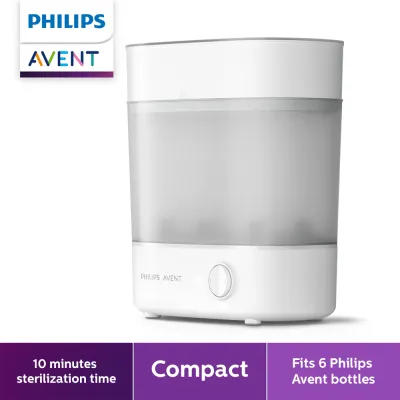
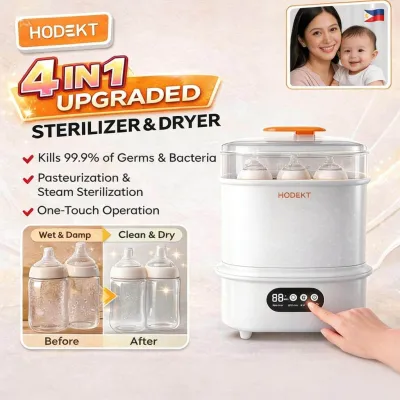
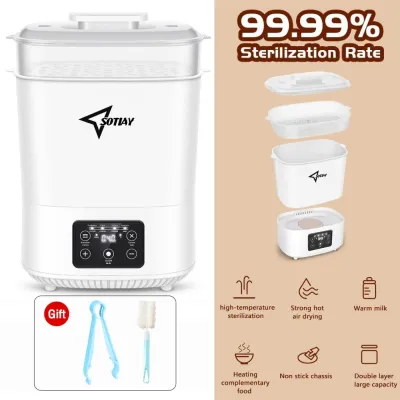
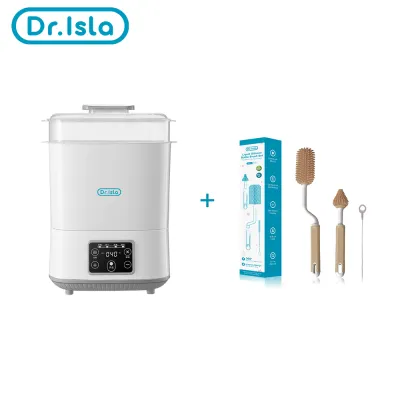
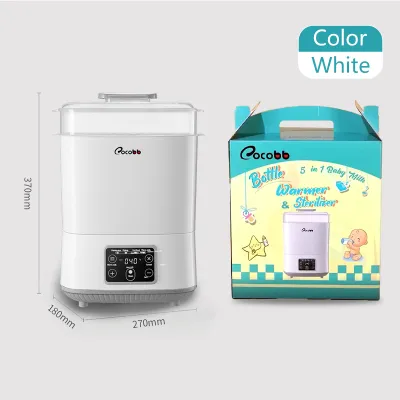
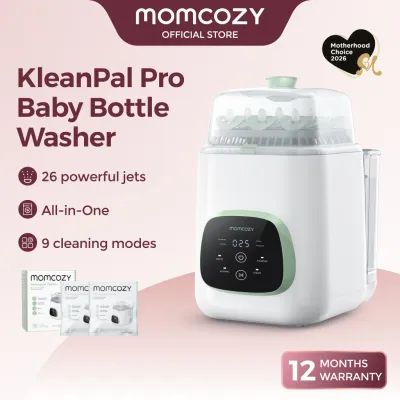
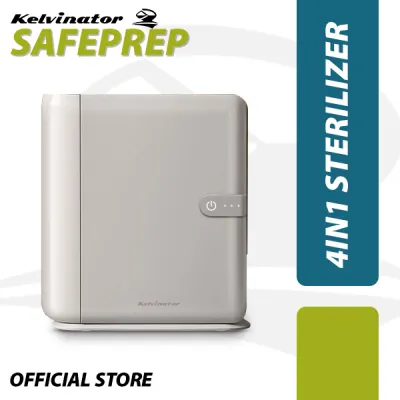
Prices are valid at publication and may change. Please refer to the product page for the latest price.
Before making a final decision, verify if your current bottle collection, breast pump parts, or pacifiers have specific manufacturer warnings against high heat or UV light exposure. Aligning your sterilizer choice with your existing gear prevents premature wear and ensures safe operation.
How Steam and UV Sterilization Work
Understanding the science behind these two appliances helps clarify how they protect your baby’s feeding equipment. Steam sterilizers operate by heating a small amount of water to its boiling point, creating a dense, high-temperature vapor. This hot steam circulates throughout the enclosed chamber, enveloping every surface of the bottles, nipples, and collars to neutralize household germs through intense heat.

UV sterilizers use a completely dry process. These units emit ultraviolet light, typically in the UV-C spectrum, through specialized bulbs or light-emitting diodes (LEDs). The UV-C light penetrates the outer barriers of microorganisms, disrupting their DNA or RNA so they can no longer replicate. Because this method does not use heat or moisture, it eliminates the risk of steam burns and keeps items dry throughout the cycle.
Regardless of the technology you choose, neither method can bypass the necessity of thorough pre-washing. Organic matter, such as leftover milk fat or formula residue, acts as a physical shield that blocks both steam and UV light. You must wash all items thoroughly with warm, soapy water, rinse them completely, and disassemble every component before placing them inside the machine.
Strategic placement inside the sterilizer chamber is equally critical. For steam units, bottles must be placed face down so the rising vapor can enter the interior cavity without trapping air pockets. For UV units, items must be arranged so that the light rays can directly strike every surface; any area cast in shadow will not receive the sanitizing benefits of the ultraviolet light.
Key Comparison Dimensions for Baby Bottle Sterilizers
Evaluating how each sterilizer fits into your daily life requires looking closely at material compatibility, physical space, and ongoing maintenance.
Bottle Material Compatibility and Wear
Before purchasing any sterilizer for baby bottles, examine the manufacturer labels on your bottles, nipples, and breast pump parts. Glass bottles are highly durable and compatible with both steam and UV methods. However, plastics like polypropylene (PP) and polyethersulfone (PES), as well as silicone nipples, react differently to heat and light over time.
Continuous exposure to high-temperature steam can accelerate the aging of certain plastics, leading to warping or a cloudy appearance. On the other hand, prolonged exposure to UV light can cause some plastics and natural rubbers to become brittle, discolor, or develop a sticky texture. Regularly inspect your feeding gear for these signs of material degradation and replace any compromised parts immediately.
The physical design of your bottles also dictates compatibility. Deep, narrow-necked bottles can be challenging for UV sterilizers because the light must travel down into the bottom of the bottle to be effective. If the light path is obstructed or if the bottle is placed at an angle where the interior remains shadowed, the sanitization process is incomplete. Steam, as a gas, naturally expands to fill any shape, making it highly effective for complex or narrow bottle geometries.
Capacity, Footprint, and Daily Workflow
Your daily feeding routine and kitchen layout play a major role in determining which appliance is more practical. Steam sterilizers often feature a modular, vertical design that holds four to six bottles along with accessories. Because a typical steam cycle is relatively short—often lasting between 8 and 15 minutes—you can quickly process multiple batches throughout the day to keep up with a newborn’s frequent feeding schedule.
UV sterilizers are generally larger, cabinet-style appliances that occupy a permanent spot on your countertop. While they have a larger physical footprint, they often accommodate a wider variety of items at once, including pacifiers, teething toys, and even household items like remote controls. However, their cycles are typically longer, often ranging from 30 to 60 minutes, because they combine the sanitizing phase with a low-temperature drying cycle.
Consider your workflow preferences when comparing these options. A basic steam unit leaves items wet, requiring you to transfer them to a clean drying rack where they are exposed to ambient air. Many modern steam units now include an integrated hot-air dryer to solve this issue, though this extends the cycle time. A UV unit delivers completely dry, cool items that can remain stored inside the sterile cabinet until you are ready to use them. While a basic steam unit might fit a modest budget, a premium UV cabinet represents a larger upfront investment of several thousand pesos (₱) but offers long-term versatility.
Maintenance, Descaling, and Component Care
Long-term upkeep is essential to keep your sterilizer running efficiently and to prevent the growth of mold or bacteria inside the machine. Steam sterilizers require regular descaling because tap water contains dissolved minerals like calcium and magnesium. Over time, these minerals form a hard, white or brown crust on the heating plate, which reduces heating efficiency and can transfer unpleasant odors to your bottles.
To descale a steam unit, you must periodically boil a mixture of white vinegar or food-grade citric acid and water in the reservoir, then rinse it thoroughly. In contrast, UV sterilizers do not use water, completely eliminating the need for descaling. This makes daily maintenance much simpler, as you only need to wipe down the reflective interior walls with a soft, damp cloth to keep them free of dust and fingerprints.
However, UV units have their own unique maintenance requirements. The UV bulbs or LEDs must function at a specific intensity to remain effective. Traditional UV bulbs degrade over time and typically require replacement every six to twelve months, even if they still appear to light up. Newer LED-based UV sterilizers have a much longer lifespan, but you must still monitor the unit for any warning lights or diminished performance as outlined in your user manual.
General component care is vital for both systems, especially in humid tropical climates where moisture can quickly lead to mold. Always empty any residual water from steam drip trays and leave the lid open to air out between cycles. Regularly inspect the silicone gaskets and door seals on both types of machines to ensure they remain airtight and free of black mold spots or physical wear.
Safety Checks and Manufacturer Guidelines
Operating any electrical appliance in the nursery or kitchen requires strict adherence to safety protocols. Always read the manufacturer’s instruction manual before the first use to understand the specific electrical requirements and water limits of your device. Never overfill a steam sterilizer’s reservoir, as excess water can boil over, damage the internal circuitry, or cause severe steam burns when you open the lid.
Avoid using third-party replacement parts, such as non-approved UV bulbs or generic power adapters, which can compromise the safety and performance of the machine. Placing items inside that are not explicitly approved by the manufacturer—such as electronics in a steam unit or highly flammable materials in a UV unit—can lead to permanent damage or hazardous situations.
Inspect your sterilizer regularly for any signs of wear or malfunction. If you notice a frayed power cord, a cracked heating plate, a leaking water reservoir, or a flickering UV light, stop using the appliance immediately. Do not attempt to repair complex electrical components yourself; instead, contact the manufacturer’s customer service or consult a qualified appliance repair professional.
Frequently Asked Questions (FAQ)
Do I really need a dedicated sterilizer for my baby's bottles?
For many families, a dedicated sterilizer for baby bottles is not strictly mandatory but offers immense convenience and peace of mind. Standard sanitizing methods, such as boiling bottles in a clean pot of water on the stove or running them through a high-temperature dishwasher cycle, are highly effective and approved by pediatric health guidelines. These traditional methods work well if you only feed occasionally or have ample time to monitor a boiling pot.
However, a dedicated countertop sterilizer simplifies the process by automating the cycle and eliminating the need to watch over boiling water. This is especially valuable during the exhausting early months of parenthood when multitasking can lead to safety hazards like boiled-dry pots. Additionally, in warm, humid climates, leaving wet bottles to air-dry on an open rack can expose them to airborne dust, insects, or mold spores; a sterilizer with a built-in drying and storage function keeps the items enclosed and protected.
Can I sterilize baby toys and pacifiers in these machines?
You can sterilize many pacifiers and baby toys in these appliances, but you must verify the material composition of each item first. Pacifiers made of medical-grade silicone generally tolerate both steam and UV sanitization well. However, pacifiers or teething toys made of natural rubber or latex will degrade rapidly under both high heat and ultraviolet light, causing them to become sticky, brittle, and unsafe for your baby to chew on.
Plastic toys must also be checked for heat resistance before being placed in a steam sterilizer, as low-grade plastics can easily melt or release unwanted chemicals when exposed to boiling vapor. When loading toys or pacifiers into either machine, ensure they are spaced out and do not block steam vents or the direct path of the UV light. Proper spacing ensures that every surface is thoroughly treated and prevents the appliance from overheating.

Community discussion
Share your experience or ask a question. Comments are reviewed before publication.