
Choosing the right tableware and cups for starting solids in the Philippines involves balancing developmental readiness, material safety, and practical maintenance. As babies transition from an all-liquid diet to purees and finger foods, the tools they use play a significant role in building their motor skills and confidence. OXO Tot offers a range of weaning products designed with ergonomic shapes and baby-friendly features, but selecting the most suitable items requires understanding how they perform in daily use. Caregivers must evaluate how these products handle local conditions, such as high humidity, and ensure they are compatible with existing highchairs and dining setups.
The weaning journey is highly individual, and what works for one infant may not suit another. Some families prefer baby-led weaning, where infants feed themselves whole pieces of soft food from the start, while others begin with traditional spoon-fed purees. Regardless of the chosen method, the primary goal is to create a safe, positive, and manageable mealtime environment. By focusing on key design elements—such as suction stability, ergonomic grips, and easy-to-clean components—parents can find tableware and drinkware that support their baby’s growing independence while minimizing the inevitable mess.
Before purchasing any weaning gear, it is essential to establish a clear framework for evaluation. Because safety standards and product designs can change, caregivers should always verify age recommendations, weight limits, and material compositions directly on the physical packaging. This guide outlines the essential features to look for in starting solids gear, compares different types of plates, bowls, and cups, and provides practical advice on maintaining these items in a tropical climate.
Products mentioned in this guide
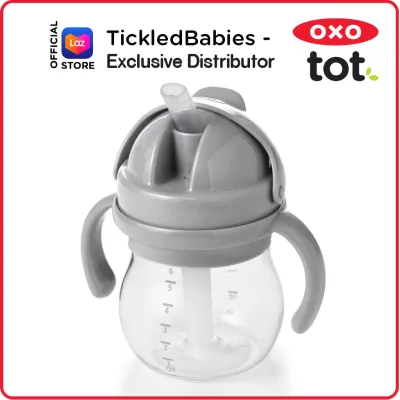
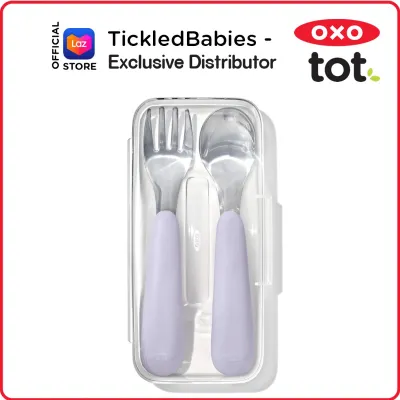
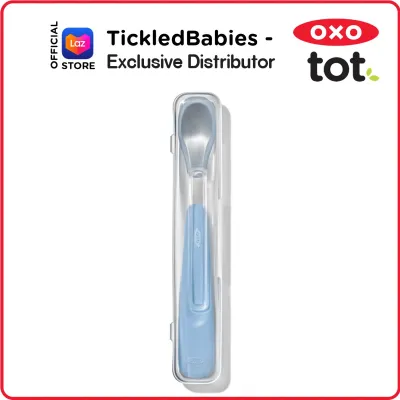
Prices are valid at publication and may change. Please refer to the product page for the latest price.
Key Features to Look for in Starting Solids Gear
When selecting weaning gear, a reliable suction base is the first line of defense against mealtime chaos. A high-quality suction base creates a secure vacuum seal on flat surfaces, keeping the dish firmly in place while your baby practices scooping. However, suction strength is highly dependent on the surface material, so it is important to choose designs that offer a wide, flat contact area to maximize stability on your specific highchair tray.
Material safety and ease of cleaning are equally critical, especially in the warm and humid climate of the Philippines. Food-grade silicone is a popular choice for baby tableware because it is durable, flexible, and resistant to breaking when dropped. It is also non-porous, which helps prevent the absorption of food odors and bacteria. When evaluating silicone products, look for items that are easy to wash by hand or are dishwasher-safe, and ensure they can withstand typical cleaning routines without degrading or warping over time.
The physical shape of the tableware should actively support your baby’s developing motor skills. Shallow bowls and plates with curved, vertical walls are ideal for early self-feeding because they provide a natural backstop for scooping. When a baby pushes a spoon against a curved wall, the food is guided onto the utensil rather than over the edge of the dish. Additionally, look for utensils with short, thick handles that fit comfortably in a baby’s palmar grasp, allowing them to guide food to their mouth with greater control.
Finally, transition features provide excellent long-term value. Some plates feature removable suction rings that allow them to convert into standard toddler dishes once your child has mastered independent eating. Similarly, training cups with adjustable lids or removable valves can help your baby progress from a straw to an open cup at their own pace, reducing the need to purchase entirely new sets of drinkware.
OXO Tot Plates and Bowls for Early Self-Feeding
As you introduce solid foods, choosing between suction bowls and divided plates depends largely on your baby’s current feeding stage and portion needs. Suction bowls are highly effective during the initial weeks of weaning when meals consist primarily of single-ingredient purees, mashed vegetables, or soft grains like rice porridge. The deep, rounded walls of a bowl make it easy for caregivers to spoon-feed or for babies to practice their first scoops without food spilling over the sides. As your baby progresses to a wider variety of foods, divided plates become highly useful for presenting distinct food groups, such as proteins, vegetables, and grains, without them mixing together.

While suction tableware is designed to prevent spills, its effectiveness relies heavily on the surface of your highchair or dining table. Suction bases require a completely smooth, clean, and non-porous surface to maintain a strong vacuum seal. Many highchairs feature textured plastic trays, and some family dining tables are made of matte-finished wood or porous materials, which allow air to seep under the suction cup and break the seal. Before purchasing, inspect your highchair tray and consider whether you may need to use the tableware directly on a smooth glass or laminate dining table to achieve a secure hold.
Caregivers must also pay close attention to the heating and cleaning limits of their baby’s dishware. While many silicone and plastic components are labeled as microwave or dishwasher safe, high temperatures can accelerate the wear of certain materials over time. Always verify the specific temperature limits and safety guidelines printed on the product packaging before heating food directly in a bowl or plate. If you prefer to warm meals in the microwave, it is often safest to heat the food in a glass container first and then transfer it to the baby’s dish to prevent hot spots.
OXO Tot Drinkware for Weaning Babies
Transitioning from breastmilk or formula to water is a significant milestone that requires different oral motor skills and swallowing coordination. When introducing cups, caregivers can choose between training cups, straw cups, and open cups, each supporting different aspects of oral development. Pediatricians and speech-language pathologists often recommend introducing a straw cup or a small open cup early in the weaning process. Straw drinking helps develop the lip strength and tongue coordination necessary for mature swallowing, while open cups teach babies how to control fluid flow and coordinate their breathing.
The choice between spill-proof valves and free-flow designs involves a trade-off between convenience and developmental practice. Spill-proof cups utilize silicone valves that seal shut when the baby is not actively drinking, preventing leaks when the cup is dropped or tipped over. While this is highly convenient for keeping floors and diaper bags dry, it requires the baby to suck with significant force, which can sometimes interfere with natural drinking mechanics. Free-flow cups and open cups, on the other hand, allow liquid to flow naturally, helping the baby learn the physical limits of tilting the cup, though they require close caregiver supervision to manage spills.
In the tropical climate of the Philippines, maintaining the hygiene of baby drinkware requires extra vigilance. The narrow passages of straws, valves, and silicone gaskets are highly susceptible to trapping moisture, which can quickly lead to hidden mold growth. When selecting a cup, check the manufacturer’s guidelines to ensure all parts can be completely disassembled for thorough cleaning. Regularly inspect the inside of straws and the crevices of valves using small cleaning brushes, and allow all components to dry completely in a well-ventilated area before reassembling them to ensure your baby’s water remains clean and safe.
OXO Tot Utensils and Bibs for Messy Meals
Mealtime accessories like bibs and utensils are essential for managing the inevitable mess of weaning while supporting your baby’s physical development. Silicone bibs with deep, sturdy catch pockets are highly practical for catching dropped food and liquids before they reach your baby’s clothes or the floor. When evaluating bibs, look for adjustable necklines made of soft, flexible material that will not chafe or irritate your baby’s sensitive skin. A good bib should be lightweight enough that the baby does not try to pull it off, yet structured enough that the pocket remains open to catch falling debris throughout the meal.
The design of early feeding utensils plays a direct role in how quickly a baby learns to feed themselves. Traditional toddler spoons are often too long and thin, making them difficult for an infant with limited fine motor skills to guide accurately to their mouth. Look for utensils with short, thick handles featuring non-slip grips, which are much easier for a baby to hold using a palmar grasp. Additionally, a shallow spoon bowl prevents the baby from having to tilt the spoon excessively to clear the food, while a short shaft design helps prevent the spoon from being inserted too far into the mouth, reducing the risk of gagging.
Safety must always remain the top priority when introducing utensils and bibs to a self-feeding baby. Before every meal, inspect utensils to ensure they are free from sharp plastic edges, cracks, or loose parts that could present a choking hazard. Ensure that bib fasteners are secure enough to stay in place during active movement, but designed to release safely if the bib becomes caught on an object. Caregivers should supervise every meal closely, ensuring that utensils are used only for eating and are not carried around while the baby is crawling or walking.
How to Verify Age Suitability and Material Safety
With a wide variety of weaning products available on online marketplaces and in local baby boutiques, caregivers must establish a strict protocol to confirm that every item is safe and developmentally appropriate. Rather than relying on general marketing claims or online product descriptions, always read the manufacturer’s explicit age, weight, and developmental milestone recommendations printed on the physical packaging. A product that is excellent for a twelve-month-old toddler may pose safety risks or cause extreme frustration for a six-month-old infant who is just beginning to sit upright and explore solid foods.
Chemical safety is another critical factor that requires direct verification. Ensure that any tableware, cup, or utensil you purchase is explicitly labeled as free from harmful chemicals, including BPA, phthalates, and PVC. These safety declarations are typically printed clearly on the product packaging or molded directly into the plastic or silicone base of the item itself. If a product lacks clear material declarations or official safety labeling, it is best to avoid using it for food preparation or feeding to protect your baby from exposure to potentially harmful substances.
Finally, remember that weaning is a learning process that requires constant observation and adjustment. If your baby shows signs of persistent gagging, extreme frustration, or refusal to use a specific cup or utensil, temporarily pause its use and consult your pediatrician or a pediatric feeding specialist for guidance. Regularly inspect all silicone and plastic items for signs of wear, such as teeth marks, tearing, or structural degradation, and discard any damaged products immediately. By prioritizing safety checks and matching gear to your baby’s unique developmental pace, you can create a positive and secure foundation for a lifetime of healthy eating.
Frequently Asked Questions (FAQ)
Can OXO Tot silicone products be sterilized in boiling water?
Before sterilizing any silicone tableware, you must check the specific product’s care instructions on the packaging, as maximum temperature limits vary. While pure, high-quality food-grade silicone can typically withstand boiling water, many weaning products feature integrated plastic frames, nylon cores, or suction rings that have much lower heat tolerances and may warp or degrade. Additionally, being labeled as top-rack dishwasher safe does not automatically mean an item can safely tolerate the intense heat of boiling water or steam sterilizers. When cleaning, avoid using harsh abrasive pads or steel wool, as these can create micro-scratches on the surface of both plastic and silicone, creating tiny crevices where bacteria can easily accumulate.
How do I remove food stains or odors from silicone bibs and plates?
Silicone is a slightly porous material that can absorb natural pigments and oils from foods, leading to stubborn stains from local weaning staples like squash or carrots, as well as lingering food odors. To address this, check the manufacturer’s guidelines for approved stain removal methods. For general maintenance, you can apply a paste made of baking soda and water directly to the stain, let it sit for a short period, and then rinse it thoroughly. Placing the clean, wet item in direct sunlight for a few hours is also a highly effective, natural way to fade organic food stains and eliminate trapped odors. Never use bleach, harsh chemical solvents, or unapproved sanitizers on items that come into direct contact with your baby’s food and mouth, as these substances can damage the material and pose health risks.

Community discussion
Share your experience or ask a question. Comments are reviewed before publication.