
Starting the weaning journey is an exciting milestone that marks your baby’s transition to solid foods. In the Philippines, choosing the right feeding set and water cup requires balancing safety, durability, and ease of cleaning, especially given the warm, humid climate. The ideal weaning gear supports your baby’s developing motor skills while ensuring that every meal remains hygienic and safe. By focusing on certified materials, ergonomic designs, and age-appropriate features, you can create a positive and stress-free feeding environment for your little one.
Establishing Safety and Developmental Baselines for Weaning
Before purchasing any weaning gear, you must establish clear safety and developmental baselines. Manufacturers print age recommendations on packaging, typically starting at six months, but these are general guidelines. You should match these recommendations with your baby’s physical milestones, such as the ability to sit upright with minimal support, steady head control, and the disappearance of the tongue-thrust reflex. Introducing utensils or cups before your baby is developmentally ready can lead to frustration and feeding aversion.
Material safety is the most critical factor when selecting items that contact your baby’s food. Always inspect product packaging or official listings for clear certifications, such as food-grade silicone, BPA-free, phthalate-free, and lead-free labels. In the Philippines, where many products are imported, look for compliance with recognized international standards like the US Food and Drug Administration (FDA) or the European LFGB. The LFGB standard is particularly rigorous for silicone, ensuring the material does not leach harmful substances even under high temperatures.
Products mentioned in this guide
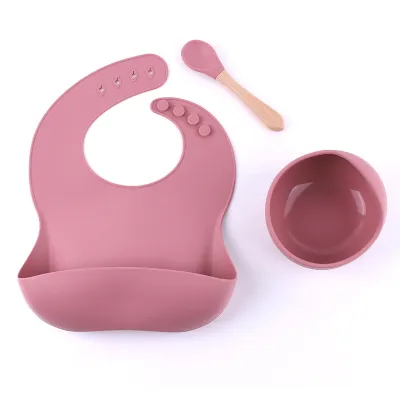
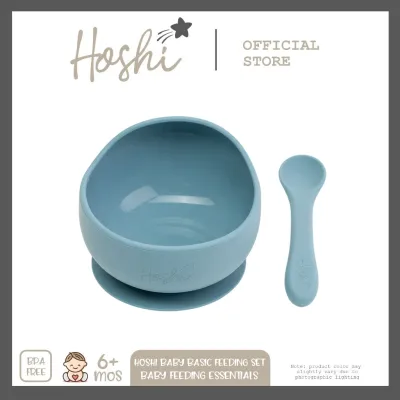
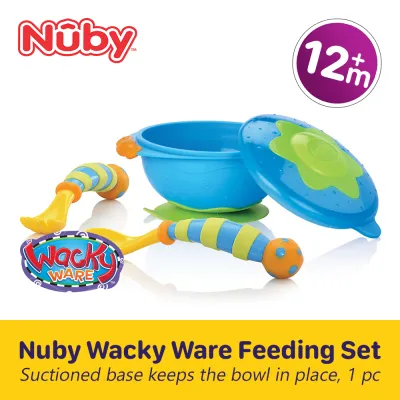
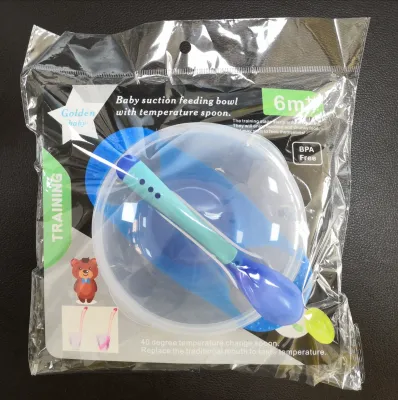
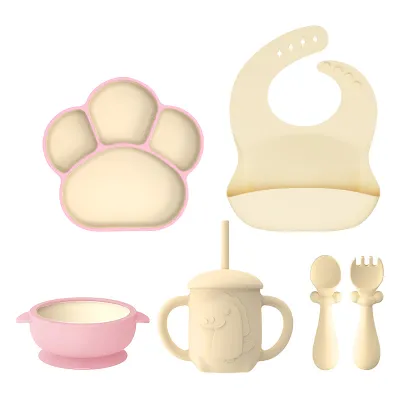
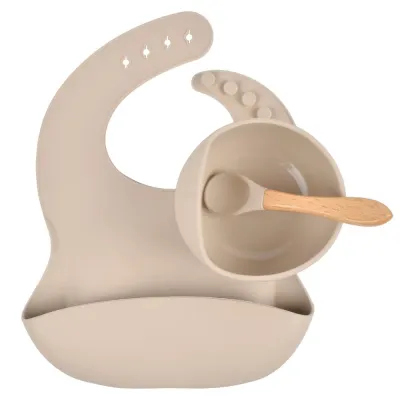
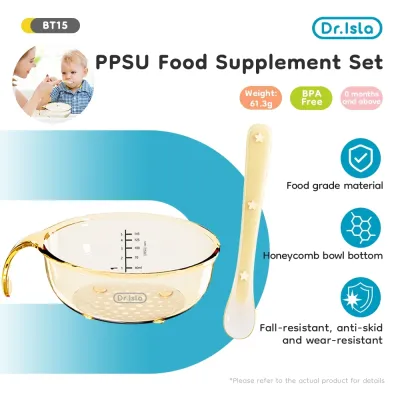
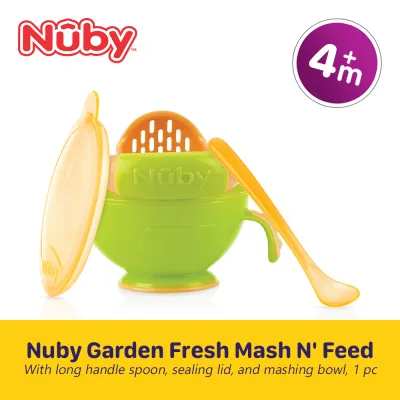
Prices are valid at publication and may change. Please refer to the product page for the latest price.
Structural integrity is another vital safety check to prevent choking hazards. Examine bowls, plates, and utensils for small, detachable parts or weak joints that could break off during use. For silicone items, you can perform a simple “pinch test” by twisting or pinching a flat surface of the product. If the twisted area turns white, the silicone likely contains cheap plastic fillers, which may not be safe for heating or long-term use; pure food-grade silicone retains its color when pinched.
The tropical climate in the Philippines introduces unique hygiene challenges that directly affect safety. High humidity levels create an ideal environment for bacterial and mold growth on damp surfaces. Therefore, you should choose designs with smooth, non-porous surfaces and minimal crevices where moisture can trap. Ensure that all components can dry completely and quickly in your kitchen setup to maintain a sterile feeding environment.
Comparing Materials and Design Features in a Feeding Set for Baby
Evaluating the materials of a feeding set for baby helps you match the gear to your daily preparation and cleaning routines. Food-grade silicone is highly popular because it is soft on sensitive gums, virtually unbreakable, and resistant to extreme temperatures. It can go from the freezer to the microwave or sterilizer without degrading. However, silicone can sometimes absorb soapy odors or oil residues from food, requiring thorough rinsing with hot water or unscented dish soap.

Stainless steel is an exceptionally durable and hygienic alternative that is naturally resistant to bacteria and odors. High-quality double-walled stainless steel bowls keep food warm or cool for longer periods, which is useful during slow feeding sessions. The primary trade-off is that stainless steel cannot be microwaved, and these sets are often heavier, making them less portable. They also rely on separate silicone sleeves or bases to provide slip resistance.
Bamboo feeding sets offer a natural, aesthetic appeal and are often marketed as eco-friendly options. While beautiful, bamboo requires meticulous care, especially in humid tropical regions. It must be hand-washed immediately after use, cannot be soaked in water, and is not safe for microwaves or dishwashers. If not dried thoroughly in a well-ventilated area, bamboo can crack, warp, or develop mold, making it less practical for busy households.
Suction bases are essential design features that prevent your baby from flipping plates and bowls onto the floor. The effectiveness of a suction base depends heavily on the surface of your high chair or dining table. Suction cups adhere best to completely smooth, non-porous surfaces like glass, polished stone, or smooth plastic. If your high chair tray has a textured matte finish or if you use a rustic wooden table, the suction seal will likely fail, so you should verify your furniture surfaces before buying.
To maintain a strong suction seal, ensure both the suction base and the tabletop are clean, dry, and free of dust or grease. Some parents find that applying a tiny drop of water to the base before pressing it down enhances the vacuum seal. However, older babies eventually learn the mechanics of peeling the suction tab, so look for designs where the release tab is positioned away from the baby’s reach.
Cleaning convenience is a major factor in long-term satisfaction with a feeding set. Check the manufacturer’s instructions regarding dishwasher safety and sterilization temperature limits. While silicone can withstand high heat, the plastic rims, suction bases, or decorative elements of a set may warp or degrade if exposed to steam or UV sterilizers. Choosing a set with uniform material composition simplifies your sterilization routine.
Matching Water Cups to Your Baby’s Drinking Progression
Transitioning from breast or bottle to a cup is a gradual process that supports your baby’s oral motor development. Pediatric dentists and speech therapists often recommend introducing an open cup or a straw cup early in the weaning process. Open cups teach babies how to control their lip movements, elevate their tongue, and manage the flow of liquid. However, open cups require constant parental supervision and can result in significant mess during the initial learning phase.
Straw cups are an excellent option for active, portable hydration while still promoting healthy oral muscle development. Drinking from a straw requires your baby to draw the tongue back and seal the lips tightly, which strengthens the muscles used for speech. Look for straw cups with weighted straws, which allow your baby to drink from any angle, whether sitting upright or reclining. This feature is particularly helpful for younger babies who are still mastering the concept of tilting a cup.
Spout cups, or traditional sippy cups, are widely available but are generally recommended for short-term transitional use only. The hard spout of a sippy cup encourages a sucking pattern similar to bottle feeding, which does not actively help develop mature drinking skills. If you choose a spout cup, opt for one with a soft, flexible silicone spout that is gentle on developing teeth and gums, and transition to a straw or open cup as soon as your baby is ready.
Spill-proof mechanisms are highly convenient for parents but can sometimes make drinking more difficult for the baby. Many spill-proof cups use silicone valves that require a strong sucking or biting action to release the liquid. While this prevents leaks in your diaper bag, it can frustrate a baby who is just learning to drink. Consider starting with a free-flow design for home practice and reserving spill-proof cups for travel or outdoor trips.
In the Philippines, the combination of milk or juice residues and high humidity makes water cups highly susceptible to mold. Mold can quickly accumulate in hidden crevices, anti-leak valves, and inside the straw itself. When choosing a cup, look for designs that can be completely disassembled into individual pieces. Avoid cups with complex, non-removable valve systems that cannot be reached with a cleaning brush.
To ensure proper hygiene, invest in a dedicated straw cleaning brush and clean all cup components immediately after use. Allow all parts to air-dry completely in a well-ventilated dish rack before reassembling them. If you notice any black spots or persistent odors in the silicone valves or straws that cannot be cleaned, replace those parts immediately to protect your baby’s health.
Verifying Product Claims and Suitability Before Checkout
With numerous options available on online marketplaces and physical baby stores, verifying product claims is essential to avoid counterfeit or low-quality items. Many generic brands copy the designs of popular premium brands but use inferior materials that may contain harmful chemicals. Always cross-reference the seller’s product description with the official manufacturer’s website to verify the materials, certifications, and safety standards.
Read user reviews carefully, focusing on feedback regarding durability, suction strength, and ease of cleaning. Look for reviews from buyers who have used the product for several months, as these provide realistic insights into how the materials hold up under daily washing and sterilization. Be skeptical of overly positive reviews that lack detail, and pay attention to photos uploaded by customers to verify the actual color, size, and texture of the items.
Check the complete set inclusions before finalizing your purchase. Some feeding sets are sold as basic starter kits containing only a bowl and a spoon, while others are comprehensive packages that include divided plates, bibs, cups, and multiple utensils. If you travel frequently or send your baby to daycare, look for sets that include travel lids for the bowls and plates, as well as travel cases for the utensils to keep them clean on the go.
Weaning gear is available across various price tiers, from budget-friendly local brands to premium imported labels. While it is tempting to opt for the cheapest option, investing in high-quality, certified materials is safer and more cost-effective in the long run. Premium sets made of medical-grade silicone or high-grade stainless steel tend to last longer, resist odors better, and maintain their structural integrity through hundreds of sterilization cycles.
Finally, review the seller’s return policies and warranty conditions before checking out. Ensure that you can easily return or exchange the product if it arrives with manufacturing defects, such as a faulty suction base, a torn silicone valve, or missing components. Purchasing from authorized distributors or official brand stores on ecommerce platforms provides an extra layer of protection and ensures you receive genuine, safe products for your baby.
Frequently Asked Questions (FAQ)
How often should I replace my baby's feeding set and water cup?
You should inspect your baby’s feeding set and water cup regularly for signs of wear and tear. Silicone components should be replaced immediately if they become sticky, develop tears, show permanent discoloration, or retain a strong, unpleasant odor that does not wash away. For stainless steel items, check for deep scratches, dents, or rust spots that can harbor harmful bacteria. Plastic parts and silicone valves in water cups generally have a shorter lifespan and should be replaced every three to six months, or sooner if you notice cracks, cloudiness, or mold that cannot be removed. Always follow the manufacturer’s specific guidelines for product lifespan.
Can I sterilize all parts of a weaning feeding set in boiling water?
Not all parts of a weaning feeding set can be safely sterilized in boiling water. While high-quality food-grade silicone and stainless steel can easily withstand boiling temperatures, other materials like bamboo, certain plastics (such as Tritan or polypropylene), and suction bases may warp, melt, or crack. Before applying heat, always read the manufacturer’s care instructions to verify the maximum temperature limit for each component. If you must boil parts, separate the heat-sensitive components, such as anti-leak valves or plastic collars, and ensure the items do not touch the hot bottom or sides of the pot. Alternatively, consider using cold-water sterilizing tablets or UV sterilizers if recommended by the brand.
Community discussion
Share your experience or ask a question. Comments are reviewed before publication.