
Setting up a nursery involves balancing comfort, space, and tropical living conditions. Choosing the right baby diaper changing table is a major decision that directly impacts your daily physical comfort, room layout, and household budget. With diaper changes occurring up to ten or twelve times a day in the early months, this station becomes one of the most heavily used areas in your home.
The ideal choice depends on your living arrangements, whether you are maximizing a compact condominium in Metro Manila or organizing a nursery in a spacious family home. The three primary options—standalone, dresser-top, and portable changing tables—each offer distinct advantages tailored to different parenting styles and spatial constraints. By evaluating how each type handles space efficiency, long-term utility, and daily convenience, you can select a setup that keeps your baby secure and your nursery organized.
Understanding the Three Main Changing Table Styles
To make an informed decision, it is essential to understand what defines each of these three styles and how they function in a modern home.
Products mentioned in this guide
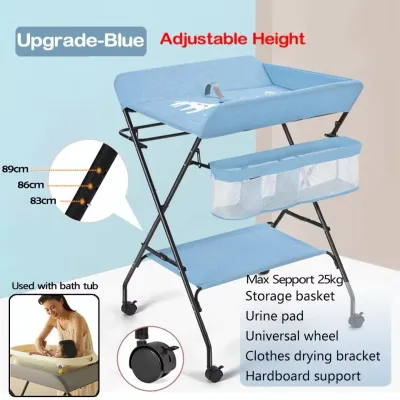
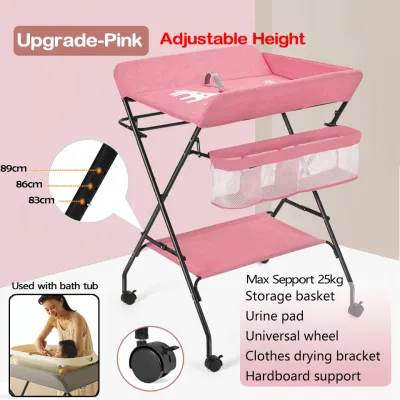
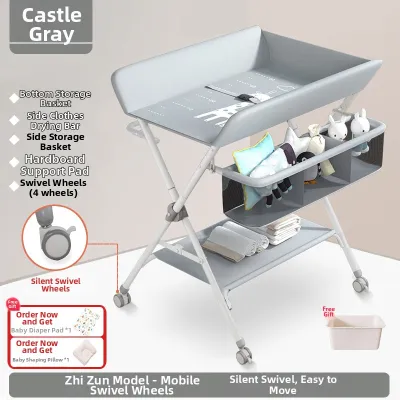
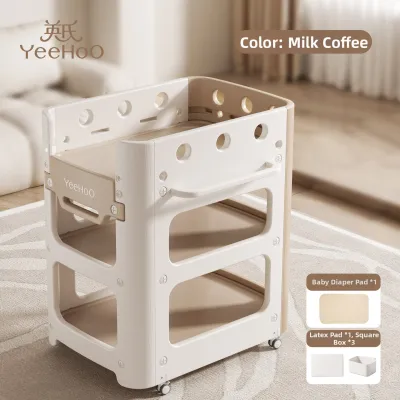

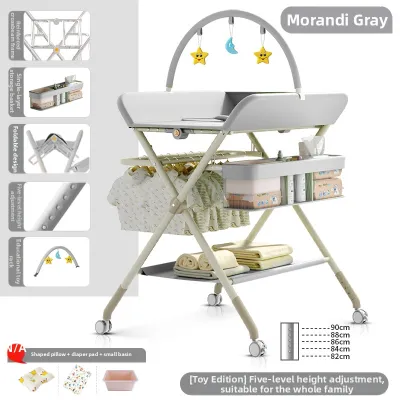
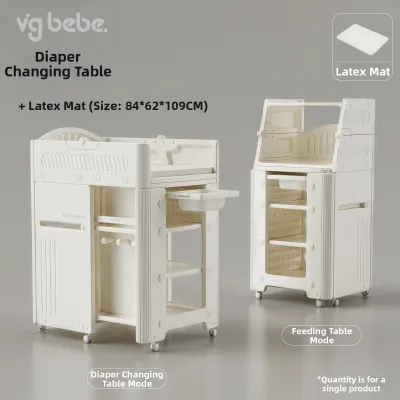
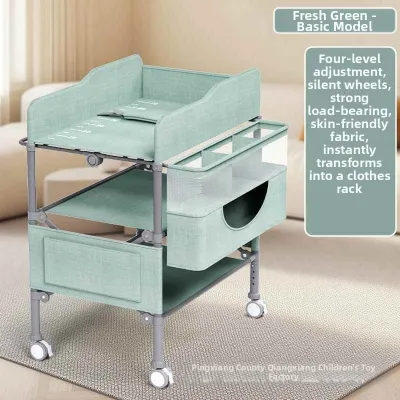
Prices are valid at publication and may change. Please refer to the product page for the latest price.
A standalone changing table is a dedicated piece of furniture built solely for diaper changes. These units typically feature a top frame designed to hold a changing pad securely, with open shelves, shallow drawers, or integrated laundry hampers directly underneath. Because they are designed for a single purpose, they often have a lightweight frame compared to heavy dressers, making them relatively easy to position during your initial room setup.
A dresser-top changing table utilizes a standard bedroom dresser as the foundation. Caregivers place a contoured changing pad or a wooden changing topper directly on top of the dresser surface, securing it with straps or brackets. This hybrid approach combines clothing storage and a changing station into a single footprint, making it a popular choice for families who want to minimize the amount of individual furniture pieces in the nursery.
A portable changing table is designed specifically for mobility, flexibility, and compact living. These units are typically constructed with lightweight metal or plastic frames, water-resistant fabric shelves, and lockable caster wheels. Many portable models are foldable, allowing you to collapse the frame and store it against a wall or inside a closet when it is not in use, or easily roll it between rooms.
Space and Layout: Matching the Table to Your Room
The physical layout of your home is often the deciding factor when choosing nursery furniture. High humidity and tropical warmth also mean that maintaining good airflow around your furniture is crucial, which influences how you position these items.

Dresser-top changing tables are highly efficient at maximizing vertical space. By combining your baby’s wardrobe storage with the changing surface, you eliminate the need for a second piece of furniture. This consolidated footprint is ideal for standard bedroom layouts where floor space is limited, leaving more open area for a crib, a nursing chair, or a play mat.
Standalone changing tables require their own dedicated floor space, which can make a small room feel crowded. However, because they are generally narrower and lighter than full-sized dressers, they offer excellent placement flexibility. You can easily tuck a standalone unit into a corner, position it adjacent to the crib, or even use it as a temporary room divider in a shared bedroom space.
Portable changing tables are the ultimate problem-solvers for tight spaces, multi-level homes, or temporary living arrangements. If you live in a compact apartment or are temporarily sharing a bedroom with your newborn, a portable unit can be set up for daily use and folded away when guests arrive. The ability to roll the table across different rooms means you do not have to carry your baby across the house for every single diaper change.
Budget and Long-Term Value: Cost vs. Lifespan
Investing in baby gear requires balancing your immediate budget with the long-term usefulness of the item. Since babies grow rapidly, understanding how each furniture piece transitions through different developmental stages will help you get the most value for your money.
Dresser-top setups generally require a higher initial financial investment in ₱, especially if you purchase a high-quality, solid wood dresser designed to withstand tropical humidity. However, this option offers the longest lifespan and the highest long-term value. Once your child outgrows diapers, you simply remove the changing pad or topper, leaving behind a classic chest of drawers that can be used throughout childhood.
Standalone changing tables usually carry a moderate upfront cost in ₱, making them an attractive middle-ground option. The primary drawback is their limited lifespan as a changing station; once your baby is toilet trained, a dedicated changing table is no longer needed for its original purpose. To get your money’s worth, you will need to creatively repurpose the unit as a toy storage shelf, a bookshelf, or a crafting station in the playroom.
Portable changing tables represent the lowest initial investment in ₱, making them highly accessible for budget-conscious families or those looking for a secondary station. However, they have the shortest functional lifespan. Because they are made of lightweight materials, they have lower weight capacities than wooden furniture, meaning you will need to transition to changing your baby on the floor or a bed much sooner. Always check the manufacturer’s labels for the maximum weight limits to understand exactly how long you can safely use a portable model.
Ergonomics, Storage, and Daily Convenience
The daily reality of diaper changes involves repetitive bending, lifting, and reaching. Choosing a table that supports your physical posture and keeps essential supplies organized can significantly reduce daily fatigue.
Storage access varies dramatically between the three styles. Dresser-top units keep clothes, swaddles, and extra diapers tucked away inside deep drawers, which keeps the nursery looking tidy but requires you to open drawers while keeping one hand on your baby. Standalone tables with open shelving allow you to grab diapers, wipes, and fresh onesies instantly without navigating drawer pulls. Portable units typically feature side caddies and fabric shelves, which hold a moderate amount of daily supplies but lack the capacity for bulk storage, often requiring a separate storage basket nearby.
Height and posture are critical for preventing lower back strain during the thousands of diaper changes you will perform. Fixed-height wooden dressers and standalone tables are generally built to standard ergonomic heights, allowing most caregivers to stand upright while changing the baby. Portable units sometimes feature adjustable legs, but some models may sit lower than standard furniture, which can force taller caregivers to bend forward uncomfortably.
Mobility versus routine is another key lifestyle consideration. A fixed dresser-top or standalone table establishes a dedicated, predictable nursery zone where all supplies are permanently organized. This is excellent for establishing a consistent routine, but it requires you to bring your baby to the nursery every time. Portable units offer the convenience of mobility, allowing you to change your baby in the cool comfort of an air-conditioned living room during hot afternoons without disrupting your family’s flow.
Decision Framework: Which Changing Table Should You Choose?
To finalize your decision, consider how your space, budget, and daily habits align with the unique strengths of each changing table type.
Choose a dresser-top changing table if you want the best long-term furniture value and have the budget for a quality dresser. This option is ideal if you have a standard-sized nursery, prefer a clean and cohesive room design, and want a piece of furniture that grows with your child for years to come.
Choose a standalone changing table if you prefer open-shelf organization for quick access to bulky diaper boxes and baby essentials. This style works well if you have dedicated floor space in the nursery, want a specialized changing zone, and plan to repurpose the shelving unit for toy or book storage later on.
Choose a portable changing table if you live in a compact home, need a secondary changing station for a different floor of your house, or require a budget-friendly option. It is also the perfect choice for families who value mobility and want the ability to fold the station away when it is not needed.
Before making any purchase, verify that your chosen setup is compatible with your home. If you opt for a dresser-top setup, measure the depth of the dresser to ensure it perfectly matches the dimensions of your changing pad or topper, and confirm that the dresser’s back panel can support secure anti-tip anchoring hardware.
Essential Safety and Setup Verifications
Regardless of the style of changing table you choose, safety must remain your top priority. Implementing a few essential setup checks will help ensure a secure environment for your baby during every change.
First, verify that all heavy furniture units, including dressers and standalone changing tables, are properly anchored to the wall. Use high-quality anti-tip hardware secured directly into wall studs to prevent the furniture from tipping over if a child attempts to climb the drawers or shelves.
Second, ensure the changing pad itself is securely attached to the furniture surface. Look for pads that feature a non-slip bottom surface and safety straps that screw directly into the back of the dresser or standalone frame. Always use the built-in safety strap across your baby’s torso during changes, but remember that straps are never a substitute for active caregiver supervision.
Third, carefully read the manufacturer’s label for specific weight and height limits, as well as any developmental milestones that indicate it is time to stop using the table. Some portable units have lower weight thresholds, and you must discontinue use immediately once your baby reaches the limit or begins to roll over and sit up actively.
Finally, organize your changing station so that all essential supplies—including diapers, wipes, rash creams, and fresh clothes—are within your arm’s reach. You should never have to step away or turn your back on your baby to grab a supply, but ensure these items are placed high enough or tucked away so they remain completely out of your baby’s curious reach.
Frequently Asked Questions (FAQ)
Can I use a regular dresser without a contoured changing pad?
Using a flat, bare dresser surface for diaper changes is not recommended due to safety risks. A proper contoured changing pad features raised edges on two or three sides, which help keep your baby centered and prevent them from rolling off the edge. Additionally, specialized changing pads are equipped with non-slip bases and safety straps that secure the pad directly to the dresser frame, preventing the entire pad from sliding during sudden movements.
When should I stop using a changing table?
You should stop using a changing table when your baby reaches the manufacturer’s specified weight or height limit, or when they reach certain developmental milestones. If your baby becomes highly active, rolls over vigorously, or attempts to pull themselves up or climb, transitioning to changing them on a clean mat on the floor is the safest option to prevent accidental falls.

Community discussion
Share your experience or ask a question. Comments are reviewed before publication.