
Deciding between a standalone bottle dryer and a 2-in-1 sterilizer-dryer depends on your existing sterilization routine, available kitchen space, and budget. If you already have a reliable sterilization method—such as boiling or microwave bags—and simply need a compact, budget-friendly way to dry parts quickly, a standalone bottle dryer is the practical choice. Conversely, if you want a seamless, single-step workflow that sterilizes and dries bottles in a sealed environment, investing in a 2-in-1 sterilizer-dryer is highly beneficial, provided you have the counter space and budget for it.
To set a factual baseline, it is important to understand what each appliance actually does. A standalone bottle dryer is designed solely to remove moisture from washed bottles, pump parts, and accessories. It utilizes built-in fans or gentle heating elements to circulate air, ensuring that no damp spots remain where bacteria can multiply. These units do not sanitize or sterilize; they simply transition wet items to a dry state.
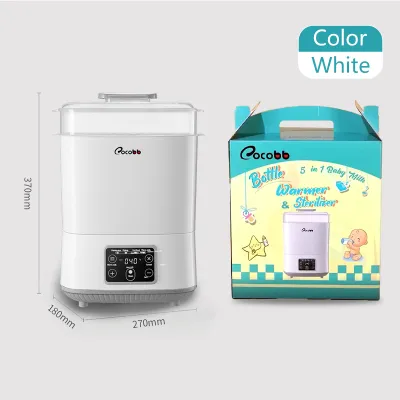
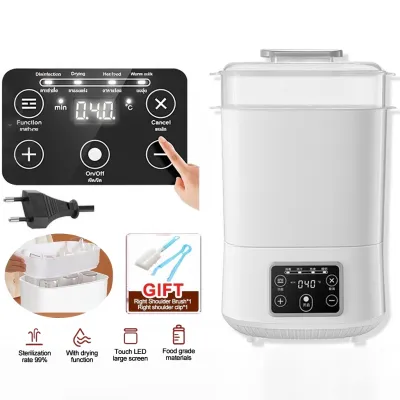
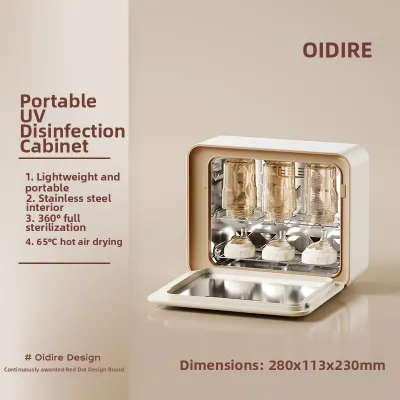
A 2-in-1 sterilizer-dryer, on the other hand, combines two distinct functions into a single automated cycle. First, it sterilizes the items using either high-temperature steam or ultraviolet (UV) light to eliminate microbes. Once the sterilization phase is complete, the machine automatically switches to a drying cycle, using heated air to dry the items. While drying is the shared function between these two appliances, sterilization is the key differentiator that sets the 2-in-1 units apart.
Products mentioned in this guide
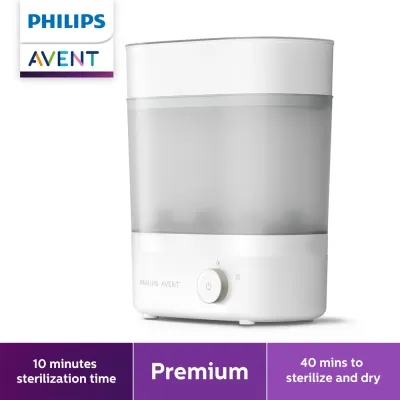
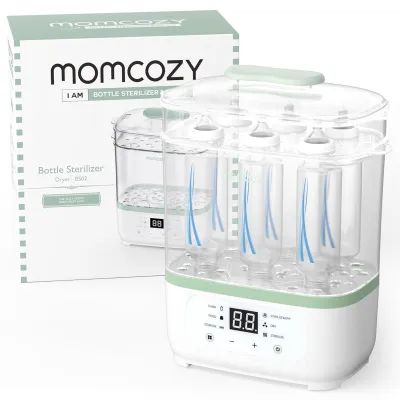
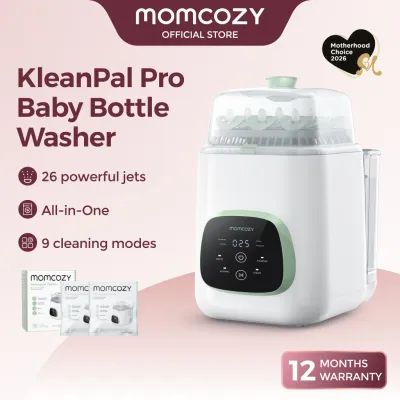
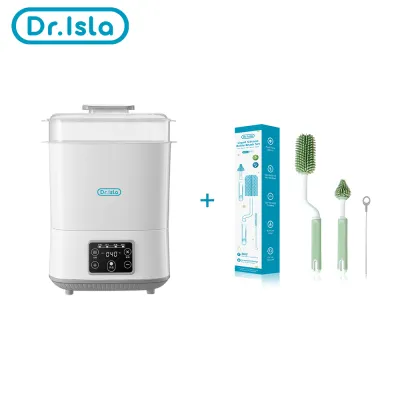
Prices are valid at publication and may change. Please refer to the product page for the latest price.
Key Household Factors to Evaluate
Before making a purchase, you must evaluate several practical constraints within your home. Kitchen and nursery layouts vary greatly, and counter space is often at a premium, especially in urban apartments or condominiums. A bulky appliance can quickly crowd your food preparation areas, making a smaller footprint highly desirable. Measure your available counter space and check the height clearance under your kitchen cabinets before choosing a model.
Your daily feeding volume and bottle turnover rate should also guide your decision. If you are exclusively pumping or formula-feeding, you may find yourself washing six to ten bottles a day, along with numerous breast pump components. A high-volume routine requires a setup that can handle rapid turnover. If you only use one or two bottles a day for occasional supplemental feeding, a smaller, simpler drying solution may be more than adequate.
Budget considerations are equally important. Standalone bottle dryers are generally more affordable, often fitting easily into a modest budget, with prices typically starting under ₱3,000. In contrast, multi-functional 2-in-1 units represent a larger upfront investment, with prices ranging from ₱4,000 to well over ₱10,000 for advanced UV models. Consider the long-term utility of the appliance; some units can transition to drying toddler cups, silicone bowls, and family utensils as your baby grows, which helps justify a higher initial cost.
Finally, check the power consumption and cycle times against your household electrical limits. High-wattage heating elements in steam sterilizers can draw significant power, which may impact your monthly utility bills. Review the manufacturer specifications for wattage ratings and the duration of the drying cycles. A longer cycle time means the appliance runs longer, so balancing efficiency with speed is crucial for a smooth daily routine.
When a Standalone Bottle Dryer Makes Sense
A dedicated bottle dryer is highly suitable for households that already have a trusted sterilization method in place. If you prefer traditional boiling on the stove or use convenient microwave sterilizing bags, you do not need to pay extra for a machine that duplicates this function. A standalone dryer simply steps in to finish the job, eliminating the need to leave wet bottles sitting on an open rack.

These units offer the benefits of simpler mechanics, lower upfront costs, and a significantly smaller counter footprint. Because they do not require water reservoirs or complex steam generators, they are often easier to clean and maintain. There are fewer electronic components that can fail over time, making them a durable and straightforward addition to your kitchen.
However, this setup does introduce a manual step into your workflow. You must physically transfer wet, hot bottles from your sterilizing pot or microwave bag into the dryer. This extra handling requires careful hygiene; you must wash your hands thoroughly and use clean tongs to avoid recontaminating the freshly sterilized items. If you prefer a hands-off process, this manual transfer may feel tedious during late-night feeding prep.
When selecting a standalone dryer, always verify material compatibility with your specific baby bottles. Some dryers use high-heat air circulation that may not be suitable for certain plastics or delicate silicone valves. Check the manufacturer instructions for both your bottles and the dryer to ensure the heat settings will not warp or degrade your feeding equipment over time.
When a 2-in-1 Sterilizer-Dryer is the Better Choice
For busy caregivers who prioritize convenience, a 2-in-1 sterilizer-dryer is often the more practical choice. This appliance offers a true “wash to ready” workflow. Once you wash the bottles with soap and water, you load them into the machine, press a single button, and walk away. The unit handles both the sanitizing and the drying without requiring any further intervention from you.
One of the greatest advantages of a combined unit is the sealed environment it provides. After the sterilization cycle ends, the machine immediately dries the bottles inside a closed chamber. This prevents exposure to airborne dust, pet dander, or household pests like ants and flies, which are common concerns in tropical climates. Many models can keep the contents sterile for up to 24 hours as long as the lid remains closed, serving as a clean storage hub.
Despite these benefits, combined units do have limitations. They carry a higher initial cost and occupy a much larger portion of your kitchen counter. Additionally, the combined sterilization and drying cycles can take anywhere from 40 to 90 minutes to complete. If you suddenly run out of clean bottles, you will have to wait for the entire cycle to finish before you can safely use them.
Before purchasing a 2-in-1 unit, advise yourself to check the manufacturer specifications for maximum bottle capacity and layout options. Some units feature modular baskets that allow you to sterilize small accessories like pacifiers and breast shield parts alongside large bottles. Always verify the manufacturer’s specific sterilization efficacy claims and safety certifications printed on the product packaging.
Final Decision Framework for Your Nursery
To finalize your decision, consider how each option aligns with your daily habits and physical space. Choose a standalone dryer if your kitchen counter space is highly limited, your budget is strict, and you already own a reliable sterilizing tool. This setup keeps your initial costs low while ensuring your bottles dry quickly and hygienically without cluttering your home.
Choose a 2-in-1 sterilizer-dryer if convenience is your top priority, your budget is flexible, and you want to minimize manual steps. The ability to wash, load, and retrieve warm, dry, sterile bottles hours later is a massive time-saver for tired parents, especially during the demanding newborn stage.
Verify first if your bottles are made of specialized materials that require low-heat drying, or if your local tap water is highly mineralized. In many regions of the Philippines, hard water can cause rapid mineral scaling on the heating plates of steam units. If you choose a steam-based 2-in-1 unit, be prepared for frequent descaling using vinegar or citric acid to keep the machine running efficiently.
Before making your final purchase, always check the product labels, warranty terms, and customer service availability in your area. A reliable warranty provides peace of mind, ensuring that you can easily get replacement parts or support if the appliance encounters any technical issues during its period of daily use.
Frequently Asked Questions (FAQ)
Do I really need to sterilize baby bottles every time?
Sterilization needs often change as your baby grows and their immune system develops. For newborns, premature infants, or babies with weakened immune systems, pediatric guidelines generally recommend sterilizing feeding equipment daily to protect them from harmful bacteria. As your baby gets older and begins putting other objects in their mouth, meticulous sterilization may become less critical, and thorough washing with warm, soapy water may suffice. Always consult your pediatrician to get personalized advice based on your baby’s specific health status and developmental stage.
Can I just air-dry bottles on a regular rack instead of using an electric dryer?
While air-drying on a traditional plastic or wooden rack is a zero-cost and energy-free method, it comes with distinct trade-offs in tropical environments. High humidity can cause bottles to remain damp for hours, creating an environment where mold and bacteria can slowly grow. Open racks also expose clean bottles to household dust, cooking grease, and pests like ants or cockroaches. An electric bottle dryer provides a faster, enclosed, and highly controlled environment that keeps your baby’s feeding gear clean and ready for immediate use.

Community discussion
Share your experience or ask a question. Comments are reviewed before publication.