
Quick Answer: Which Option Fits Your Nursery Needs?
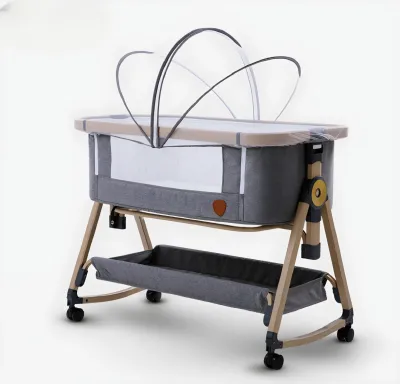
Deciding between a standalone bedside bassinet co-sleeper and a complete nursery furniture set is a foundational step in preparing your home for a newborn. This choice is not about finding a universally superior product, but rather about identifying which option aligns with your physical living space, immediate budget, and long-term parenting strategy. A standalone bedside bassinet co-sleeper is designed for proximity, mobility, and compact living, making it an excellent choice for parents who plan to room-share during the first few months. It sits directly next to your bed, allowing for effortless nighttime feeding and comforting.
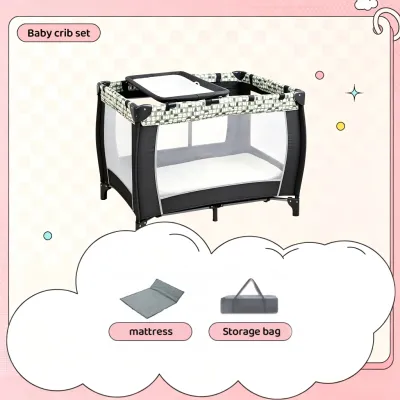
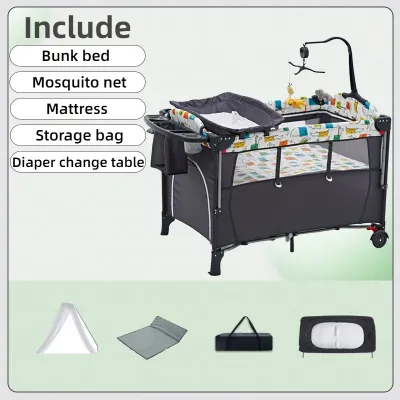
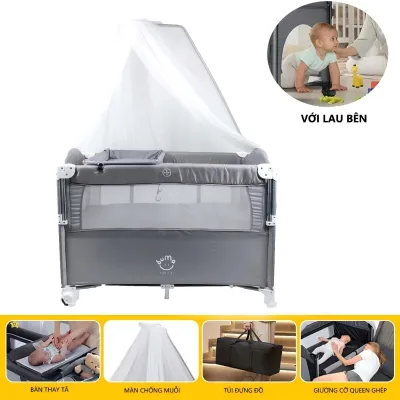
On the other hand, a nursery furniture set is a comprehensive investment that establishes a dedicated, organized space for your child. Typically bundling a convertible crib, a dresser, and a changing table, a furniture set offers cohesive design and extensive storage that will serve your family for years. By evaluating your home’s layout and your daily routine, you can make a practical decision that ensures safety, comfort, and convenience for both you and your baby.
Key Differences at a Glance
To help you visualize how these two options compare, the table below outlines the core distinctions across key practical categories. This comparison highlights the structural and functional differences to guide your initial decision-making process.
Products mentioned in this guide



Prices are valid at publication and may change. Please refer to the product page for the latest price.

| Feature | Standalone Bedside Bassinet Co-Sleeper | Nursery Furniture Set |
|---|---|---|
| Primary Function | Close-proximity nighttime sleeping and easy room-sharing. | Comprehensive sleep, diapering, and storage solution. |
| Space Required | Minimal footprint; fits adjacent to an adult bed. | Substantial footprint; requires a dedicated room. |
| Typical Lifespan | Short-term (approximately 4 to 6 months). | Long-term (several years; transitions with growth). |
| Mobility | High; often lightweight with lockable wheels. | Very low; heavy, stationary furniture pieces. |
| Storage Capacity | Extremely limited; may require external organizers. | High; integrated drawers, shelves, and changing areas. |
| Ideal User Profile | Families in compact homes prioritizing close contact. | Families with a dedicated nursery seeking long-term utility. |
Space and Room Layout Considerations
The physical dimensions of your home play a decisive role in determining which furniture configuration is safe and practical. In many urban residential settings, such as condominiums and townhouses in the Philippines, master bedrooms often have limited floor space. A standalone bedside bassinet co-sleeper is specifically engineered to address these spatial constraints. Its compact frame allows it to slide flush against the adult bed, utilizing otherwise empty bedside space. This tight integration ensures that parents can keep their newborn within arm’s reach without obstructing the main pathways of the bedroom. It provides a dedicated, safe sleep surface for the baby while preserving the functional flow of a shared room.
In contrast, a full nursery furniture set demands a dedicated room with a generous layout. A standard set usually comprises a full-size crib, a chest of drawers, and a changing table or dresser combo. Attempting to crowd these substantial pieces into a standard master bedroom can quickly lead to a cramped, hazardous environment. It can block closet doors, restrict access to the adult bed, and make navigating the room in the dark a significant safety risk. If you are considering a nursery set, it is essential to measure the exact dimensions of the intended nursery room. Take into account door swing clearances, wardrobe doors, and window placements to ensure that the room remains easy to navigate and clean.
Regardless of whether you choose a compact bassinet or a multi-piece furniture set, sleep area safety must guide your layout planning. Infant sleep spaces must always be positioned far away from potential hazards. Keep the crib or bassinet well clear of windows, curtain cords, electrical wiring, and wall decorations. In tropical environments, you must also consider the placement of air conditioning units and electric fans. Avoid placing the baby’s sleep area directly in the path of strong, cold drafts, while ensuring the room maintains adequate air circulation to keep the infant comfortable in warm, humid weather.
Functionality and Daily Parenting Tasks
Standalone Bedside Bassinet Co-Sleeper
The primary appeal of a standalone bedside bassinet co-sleeper lies in how seamlessly it integrates into the demanding routine of early infancy. During the first few months, newborns wake frequently throughout the night for feeding, soothing, and diaper changes. A bedside co-sleeper minimizes the physical toll of these disruptions. Many models feature a drop-side wall or a lowering fabric barrier that allows a parent to reach the baby directly from the adult bed. This close proximity is particularly beneficial for mothers recovering from childbirth, especially after a Cesarean section, as it eliminates the need to repeatedly stand up, walk, and bend over during the night.
Furthermore, the construction of modern co-sleepers often incorporates breathable mesh side panels. These mesh walls serve a dual purpose: they promote optimal airflow around the baby—a crucial feature for maintaining comfort in warm climates—and they provide clear visibility, allowing parents to monitor their baby’s breathing and movements without getting out of bed. Many standalone units are also designed with lightweight frames and lockable caster wheels. This mobility allows caregivers to roll the sleep space from the bedroom to a living area or home office, facilitating supervised daytime naps while keeping the infant close during daily household activities.
However, the focused design of a standalone bassinet means it offers virtually no storage capacity. Parents who choose this route must plan for alternative storage solutions to keep diapers, wipes, swaddles, and change clothes close at hand. This often requires purchasing separate bedside organizers, utility carts, or small baskets to avoid chaotic searches in the middle of the night.
Nursery Furniture Set with Bassinet
A nursery furniture set approaches daily parenting tasks from a perspective of organization and centralized care. By bundling multiple essential items, a set creates a dedicated workstation for all baby-related tasks. The inclusion of a sturdy chest of drawers and open shelving ensures that clothing, linens, diapers, and grooming supplies are neatly categorized and immediately accessible. This level of organization is highly efficient, saving parents valuable time and reducing the clutter that naturally accumulates with a new baby.
It is important to understand, however, that the “bassinet” functionality in a furniture set is rarely a portable bedside sleeper. Instead, these sets usually center around a full-size crib, which may feature an adjustable mattress height to accommodate a newborn but remains stationary. If the furniture set is assembled in a separate nursery room, parents must be prepared to walk back and forth between bedrooms for every nighttime feeding and soothing session. While this encourages an early transition to an independent sleep space, it can increase parental fatigue during the demanding early weeks.
On the plus side, a nursery set typically features a dedicated, ergonomically designed changing table. Changing a baby on a waist-height surface that is structurally stable significantly reduces physical strain on the caregiver’s lower back. Bending over a low bed, sofa, or floor pad to perform dozens of diaper changes a day can quickly lead to chronic back pain. A dedicated changing station provides a safer, more comfortable posture for parents, while keeping diapering supplies safely organized in drawers directly beneath the changing surface.
Cost, Value, and Long-Term Use
Evaluating the financial aspect of baby furniture requires looking beyond the initial purchase price to consider the overall lifespan and utility of the items. A standalone bedside bassinet co-sleeper represents a relatively low upfront cost, with quality models in the Philippines typically priced between ₱4,000 and ₱12,000. While this is highly accessible, the practical lifespan of a bassinet is short. Most infants outgrow a bassinet by 4 to 6 months of age. As a general safety rule, you must transition your baby out of a bassinet as soon as they reach the manufacturer’s specified weight limit, or when they show signs of developmental milestones such as rolling over, pushing up on their hands and knees, or sitting up. Once this transition occurs, parents must purchase a full-size crib, making the bassinet a temporary stepping stone.
A nursery furniture set demands a much larger initial financial commitment, often ranging from ₱25,000 to ₱60,000 or more, depending on the materials and pieces included. Despite this high entry cost, a high-quality furniture set offers exceptional long-term value. The center of the set is usually a convertible crib designed to grow alongside your child. These versatile cribs can transition from a newborn sleep space to a toddler bed, a daybed, and eventually a full-size bed. Furthermore, the accompanying dresser and storage cabinets remain functional parts of your child’s bedroom furniture well into their school-age years.
When deciding between these two paths, parents must plan for the transition phases. If you choose a standalone bassinet, you must budget both the money and the physical space for a full-size crib and storage solutions down the line. If you choose a nursery furniture set from the beginning, you must decide how you will handle the first few months of sleep. If you wish to practice room-sharing, you will need to verify if the master bedroom can temporarily accommodate the large crib, or if you will need to acquire a budget-friendly, secondary sleep surface for your bedroom.
Sleep Safety and Furniture Compliance Checks
Ensuring a safe sleep environment is the single most critical responsibility when selecting and setting up infant furniture. Parents must always look past aesthetic designs to verify that every product complies with established safety standards. When unboxing any sleep product, carefully read the manufacturer’s instruction manual and locate the safety labels. These labels specify critical limits, including maximum weight capacity, age restrictions, and developmental milestones that dictate when to stop using the product.
For a bedside bassinet co-sleeper, structural stability and secure attachment are paramount. If the co-sleeper is designed to secure directly to your adult bed, you must use the provided attachment straps or anchoring systems exactly as directed by the manufacturer. Never attempt to secure the bassinet using makeshift cords or by simply pushing it against the bed. A secure connection is vital to prevent the bassinet from shifting, which can create a dangerous gap between the two mattresses where an infant could become trapped. Additionally, ensure the bedside sleeper has rigid, sturdy sides and that the mattress is firm, flat, and fits tightly within the frame with no gaps along the perimeter.
Be extremely cautious when considering second-hand infant furniture, whether it is a gifted bassinet or a pre-loved crib from an online marketplace. Before accepting or using second-hand items, you must thoroughly verify their safety history. Check for any manufacturer recalls, inspect the structural integrity of the frame, and ensure all original hardware is present and undamaged. Avoid using older cribs with drop-side designs, as these have been widely banned due to safety hazards.
Nursery furniture sets also require rigorous safety checks, particularly regarding physical stability as your child grows. Heavy items such as dressers, changing tables, and shelving units present severe tipping hazards once a baby begins to crawl, stand, and climb. To mitigate this risk, you must securely anchor all heavy furniture to the wall using high-quality anti-tip kits. These kits are often included with reputable furniture sets, but if they are not, they should be purchased separately and installed immediately during assembly. Never assume a heavy dresser is stable enough on its own.
How to Decide: The Final Checklist
To help you finalize your decision and choose the option that best supports your family, use this practical, condition-based decision framework:
Choose a standalone bedside bassinet co-sleeper if:
- Your living space is limited: You reside in a compact apartment or condominium where a full-size nursery set cannot physically fit.
- You prioritize close nighttime contact: You want your newborn directly next to your bed to simplify midnight feedings, diaper changes, and soothing.
- You need mobility: You want a lightweight sleep space that can easily roll between rooms to keep your baby close during daytime tasks.
- You want to defer major expenses: You prefer a lower initial investment and are comfortable purchasing a full-size crib and storage furniture at a later date.
Choose a nursery furniture set if:
- You have a dedicated nursery room: Your home has a separate bedroom with ample square footage to accommodate large, stationary furniture.
- You want long-term utility: You prefer to make a one-time, durable investment in a convertible crib and dresser that will grow with your child for years.
- You need substantial storage: You want to organize all baby clothes, blankets, toys, and diapers in a single, cohesive room from day one.
- You value a dedicated diapering station: You want a stable, waist-height changing table to reduce back strain during frequent diaper changes.
Verify first if:
- Your master bedroom has sufficient clearance to safely place a bedside sleeper without blocking doorways or emergency exits.
- The specific furniture pieces you are considering carry clear, verifiable safety certifications and labels.
- Your walls can support the installation of anti-tip anchors for heavy dressers and changing tables.
Frequently Asked Questions (FAQ)
Can I use a bedside bassinet co-sleeper for daytime naps?
Yes, a bedside bassinet co-sleeper can be used for daytime naps, provided the baby is always placed on their back on a firm, flat mattress and is supervised by a caregiver. If the bassinet is equipped with wheels for mobility, you must ensure that the caster locks are fully engaged whenever the baby is inside to prevent the unit from moving unexpectedly. Always keep the sleep space clear of loose blankets, pillows, toys, and bumper pads, and place the bassinet away from hazards like direct sunlight, air conditioning drafts, or dangling cords.
Do nursery furniture sets always include a bassinet?
No, most nursery furniture sets do not include a dedicated bedside bassinet. Instead, these sets are designed around a standard full-size crib, which has a much larger footprint and is meant to remain stationary. If you purchase a nursery furniture set but still want to practice room-sharing during your baby’s first few months, you will likely need to purchase a separate, standalone bedside bassinet or co-sleeper to keep next to your bed until your baby is ready to transition to the full-size crib.

Community discussion
Share your experience or ask a question. Comments are reviewed before publication.