
Welcoming a newborn requires setting up a safe, functional environment, but the path you choose depends heavily on your living space, budget, and daily caregiving workflow. If you plan to room-share during the first few months or have limited space, a standalone baby bassinet newborn station is the most practical choice. It provides a compact, portable sleeping area that fits easily next to your bed. On the other hand, if you have a dedicated nursery room and want a long-term investment, a nursery furniture set with a changing table offers centralized storage, excellent ergonomics, and pieces that transition with your child as they grow.
Space and Room Layout Considerations
The physical layout of your home is often the ultimate deciding factor when choosing baby furniture. Pediatric health organizations globally recommend room-sharing with your infant for at least the first six months to promote safe sleep and ease of nighttime feeding. Placing a sleeping surface close to your bed is much simpler with a standalone bassinet. These units typically feature a compact footprint, often measuring around 90 centimeters in length and 50 centimeters in width, allowing them to tuck neatly into the master bedroom without obstructing walkways.
In contrast, a complete nursery furniture set—which typically includes a full-sized crib, a chest of drawers, and a dedicated changing table—demands a significant amount of permanent floor space. While some parents attempt to fit these large pieces into their own bedroom, doing so can quickly make the space feel cramped and difficult to navigate. The mobility of a bassinet, often equipped with lockable wheels, allows you to move the sleeping baby from the bedroom to the living room during the day. A heavy wooden changing table or crib, however, remains stationary.
Products mentioned in this guide
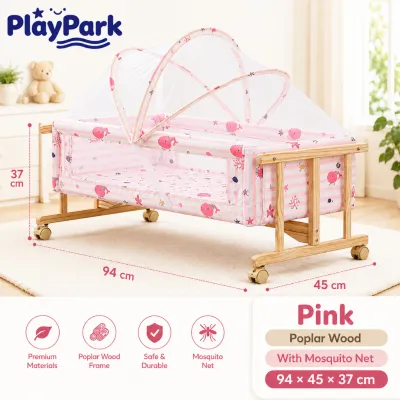
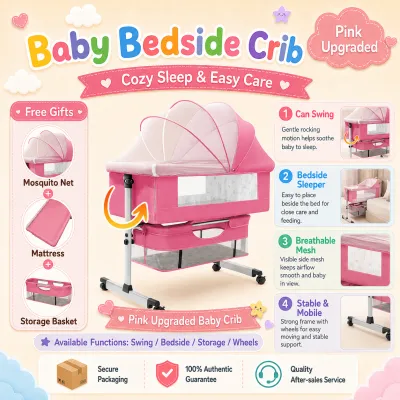


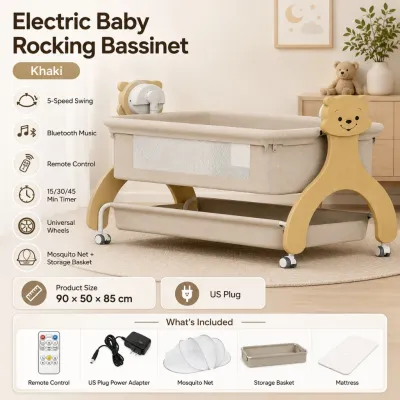
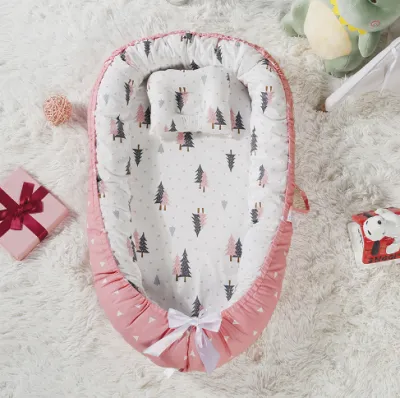
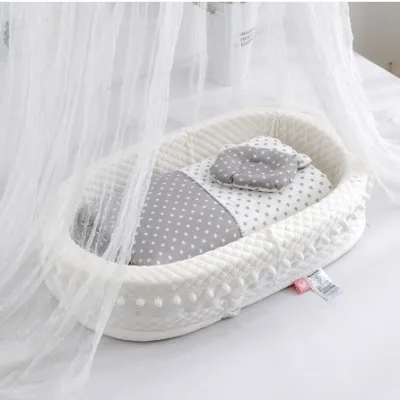
Prices are valid at publication and may change. Please refer to the product page for the latest price.
Before committing to any furniture purchase, it is vital to measure your home’s doorways, hallways, and the specific area where the furniture will sit. In many homes, particularly those with narrow corridors or tight corners, moving a pre-assembled changing table can be an exhausting challenge. Ensure there is at least a 60-centimeter clearance around all sides of any sleeping or changing station to allow caregivers to move freely, especially during middle-of-the-night care routines when visibility might be low.
Adapting to Compact Living Spaces
For families living in urban condominiums or townhouses where floor space is at a premium, a massive furniture set can easily overwhelm a room. Maximizing utility in smaller areas requires a strategic approach to furniture selection. Opting for foldable or highly modular baby gear can save precious square footage. Some modern bassinets can be folded flat and stored under a bed or inside a closet when not in use, which is highly beneficial once the baby transitions to a larger crib.
If you are considering a changing table or a dresser-changing combo in a compact room, pay close attention to the clearance required for drawers and cabinet doors. A drawer that cannot open fully because it hits the edge of your bed is not only frustrating but also limits your access to essential baby supplies like diapers and onesies. Measure the depth of the drawers when fully extended and ensure they do not block primary walking paths. Using vertical wall space for hanging organizers or choosing multi-functional furniture, such as a crib with built-in under-crib drawers, can help bridge the gap between storage needs and space limitations.
Budget, Lifespan, and Value of a Baby Bassinet Newborn Setup
Analyzing the financial commitment of these two options requires looking past the initial price tag to evaluate the cost-per-use over several years. A standalone baby bassinet newborn setup represents a significantly lower upfront investment. In the local market, basic standalone bassinets typically range from ₱3,000 to ₱8,000, while premium models with advanced features like electronic swaying or integrated mesh can cost between ₱10,000 and ₱20,000. This lower entry cost is highly appealing to parents who want to spread out their baby-related expenses over time.

However, the primary trade-off of a bassinet is its remarkably short lifespan. Most infants outgrow a bassinet by four to six months of age. Caregivers must closely monitor their child’s development; the moment a baby shows signs of rolling over, pushing up on their hands and knees, or reaching the manufacturer’s specified weight limit (often around 9 kilograms), they must transition to a full-sized crib for safety. This means that the initial investment in a bassinet only covers a brief window of development, after which you will still need to purchase a crib and storage solutions.
A nursery furniture set requires a much larger upfront budget, often ranging from ₱25,000 to over ₱60,000 depending on the materials, brand, and number of pieces included. Despite this high initial cost, a quality furniture set offers exceptional long-term value. Many modern cribs are designed to convert into toddler beds, daybeds, and eventually full-sized headboards, meaning a single purchase can serve your child from infancy through their school-age years. Similarly, a high-quality changing table often features a removable topper, allowing the unit to transition into a standard bedroom dresser once the diaper-wearing days are over.
When opting for the standalone bassinet route, parents must also account for hidden secondary costs. Because a bassinet does not provide substantial storage or an elevated changing surface, you will likely need to purchase a separate changing pad, portable storage caddies, diaper pails, and eventually a full-sized crib. When these individual items are added up over the first year, the total expenditure can sometimes equal or exceed the cost of a bundled nursery furniture set. Parents should calculate their total projected budget over a two-year horizon rather than focusing solely on immediate newborn expenses.
Daily Care, Convenience, and Storage
The daily rhythm of caring for a newborn involves an astonishing number of diaper changes, outfit swaps, and soothing sessions. Having an ergonomically designed workspace can make a profound difference in a caregiver’s physical well-being. A dedicated changing table is engineered to stand at waist height, typically between 85 and 95 centimeters. This design allows parents to change diapers and dress their baby without bending over, significantly reducing the risk of lower back strain and fatigue—a crucial benefit for mothers recovering from childbirth or anyone dealing with chronic back pain.
Storage capacity is another area where a furniture set excels. Newborns require a massive inventory of small items, including diapers, wipes, swaddles, burp cloths, and multiple changes of clothes. A coordinated nursery set provides deep drawers and dedicated shelving that keep these items organized and out of sight. In contrast, a standalone bassinet offers very limited storage, perhaps only a small fabric basket underneath the sleeping surface. This setup often forces parents to rely on portable plastic caddies or open bins, which can quickly look cluttered and accumulate dust.
Workflow efficiency is the final piece of the convenience puzzle. A furniture set creates a centralized “care station” where sleeping, changing, and dressing all happen in one spot. If your baby wakes up wet in the middle of the night, you can lift them from the crib, place them on the adjacent changing table, grab a fresh diaper and onesie from the drawer below, and complete the change without taking more than a step or two. With a standalone bassinet placed in the master bedroom, you may find yourself carrying a fussy, wet baby across the house to a separate changing area, which can disrupt sleep cycles for both the baby and the rest of the household.
In tropical, high-humidity environments, storage choices also affect item preservation. Closed drawers in high-quality wooden dressers help protect baby clothes and paper diapers from airborne moisture and dust, reducing the risk of musty odors or mold. If you rely on open fabric baskets under a bassinet, you must regularly check that stored items remain dry and clean, particularly during the rainy season when indoor humidity levels climb.
Alternatives to a Traditional Changing Table
If you decide that a standalone bassinet is the best fit for your space and budget, you do not have to sacrifice ergonomic comfort during diaper changes. A highly popular and cost-effective alternative is placing a contoured changing pad on top of a sturdy, waist-high dresser you already own. To do this safely, the dresser must be completely stable, and the changing pad must be securely fastened to the back of the furniture using the manufacturer’s provided safety straps or brackets.
Another flexible solution is the use of portable changing caddies. These lightweight organizers feature compartments for diapers, wipes, creams, and a foldable changing mat, allowing you to establish a temporary changing station on any safe, flat surface throughout the house. For homes with severe space limitations, wall-mounted or fold-down changing stations—similar to those found in public restrooms but styled for residential use—can be bolted securely into wall studs and folded flat against the wall when not in use, preserving valuable floor space.
Safety Standards and Setup Requirements
Regardless of which furniture path you choose, adhering to strict safety standards is the absolute highest priority when preparing for a newborn. For sleep environments, the golden rule is simplicity. A baby bassinet newborn sleeping surface must feature a firm, flat mattress that fits snugly within the frame with no gaps wider than two fingers along the edges. The mattress must be covered only by a tight-fitting sheet designed specifically for that model. Never place loose blankets, pillows, bumper pads, stuffed animals, or sleep positioners inside the bassinet, as these items pose severe suffocation and entrapment hazards. Always verify the manufacturer’s weight and developmental limits, and stop using the bassinet immediately if the baby reaches the maximum weight or shows signs of rolling.
Changing table safety requires constant vigilance and physical proximity. When using a changing table, always secure the safety strap around your baby’s torso. However, remember that a safety strap is never a substitute for active adult supervision; you must keep at least one hand on your baby at all times during a diaper change. Before you place your baby on the pad, gather all necessary supplies—diapers, wipes, ointments, and fresh clothes—and place them within your arm’s reach but completely out of the baby’s reach to prevent accidental ingestion or choking hazards. Never leave a baby unattended on a changing table, even for a split second.
A critical, often overlooked safety step for nursery furniture is tip-over prevention. Heavy furniture, including dressers, changing tables, and even sturdy shelving units, poses a severe hazard as babies grow and begin to pull themselves up or climb. You must anchor all tall or heavy furniture securely to the wall studs using high-quality anti-tip straps or brackets. This is especially vital in earthquake-prone regions where sudden tremors can easily destabilize unanchored items.
Before purchasing or assembling any baby furniture, take the time to verify safety labels and check for active product recalls. Look for recognized safety certifications on the packaging or product labels, such as those from the Juvenile Products Manufacturers Association (JPMA) or compliance with ASTM International standards. If you are considering secondhand furniture or family hand-me-downs, inspect the pieces carefully for missing hardware, loose joints, peeling paint (which could contain lead if the item is very old), or outdated designs that do not meet modern safety benchmarks.
Decision Framework: Which Option Fits Your Needs?
To finalize your nursery setup plan, evaluate your household circumstances against these practical criteria.
Choose a standalone bassinet if:
- You are committed to room-sharing with your newborn in the master bedroom for the first four to six months.
- Your current living space, such as a studio or one-bedroom apartment, cannot accommodate large, multi-piece furniture sets.
- You prefer a lower upfront financial commitment while you assess your long-term baby gear needs.
- You value portability and want the ability to move your baby's sleeping space easily from room to room during daytime naps.
Choose a nursery furniture set if:
- You have a dedicated nursery room with ample floor space to accommodate a full-sized crib, dresser, and changing table.
- You want a comprehensive, coordinated aesthetic that will serve your child from infancy through toddlerhood and beyond.
- You require substantial, organized storage space to keep a large inventory of diapers, clothes, and baby essentials tidy and dust-free.
- You prioritize ergonomic convenience and want a dedicated, waist-height station to minimize back strain during frequent daily changes.
Verify first if:
- You are renting your current home and face restrictions on drilling holes to anchor heavy furniture to the walls.
- The height of the changing table in a furniture set is comfortable for all primary caregivers, as a table that is too high or too low can cause physical discomfort over time.
- You have checked the specific dimensions of your doorways and hallways to guarantee that larger furniture pieces can be successfully delivered and assembled in your chosen room.
Frequently Asked Questions (FAQ)
Can I use a regular dresser as a changing table?
Yes, you can safely convert a regular dresser into a changing table by securing a contoured changing pad to the top surface. Ensure the dresser is sturdy, completely level, and at a comfortable working height for caregivers. You must use the safety straps provided with the changing pad to screw it directly into the back of the dresser so it cannot slip. Most importantly, the dresser itself must be securely anchored to the wall studs with anti-tip brackets to prevent it from tipping over when drawers are pulled open or when weight is applied to the top.
When should I transition my baby from a bassinet to a crib?
You should transition your baby from a bassinet to a crib as soon as they meet any of the developmental milestones or physical limits specified by the manufacturer. Typically, this transition occurs between four and six months of age. Key developmental signs that indicate it is time to move include the baby rolling over, pushing up on their hands and knees, or sitting up. Additionally, if your baby approaches the manufacturer’s weight limit (usually between 6.8 to 9 kilograms) or if they simply look too long for the bassinet and are bumping against the sides, they should be moved to a full-sized crib immediately to ensure a safe sleep environment.
Is a changing table really necessary for a newborn?
While a dedicated changing table is highly convenient, it is not strictly mandatory for newborn care. The primary benefit of a changing table is ergonomic, as it prevents caregivers from bending over repeatedly, which can cause back strain. It also provides excellent centralized storage for diapering essentials. If space or budget is limited, you can easily use safe alternatives such as a secure changing pad on top of an existing dresser, a portable changing mat placed on a firm bed, or even a clean mat on the floor. The key is ensuring the surface is flat, stable, and that you never leave your baby unattended.
Community discussion
Share your experience or ask a question. Comments are reviewed before publication.