
Deciding between a standalone bassinet and one integrated into a nursery furniture set depends on your available floor space, daily diapering routine, and whether you plan to room-share. If you want to keep your baby close to your bed for the first few months and need a highly portable sleep space, a standalone bassinet is usually the most practical option. However, if you have a dedicated nursery and want a centralized, all-in-one station that combines sleep, diaper changes, and storage, a furniture set bassinet is highly efficient.
In the Philippines, where high humidity and warm tropical temperatures are common, ensuring proper airflow around your newborn’s sleep space is essential. Both options have distinct advantages, but your decision should ultimately align with your home’s layout, your daily caregiving flow, and the manufacturer’s specific safety guidelines. This guide breaks down the practical trade-offs to help you choose the right sleep and care setup for your newborn.
Defining Your Options: Standalone vs. Furniture Set Bassinets
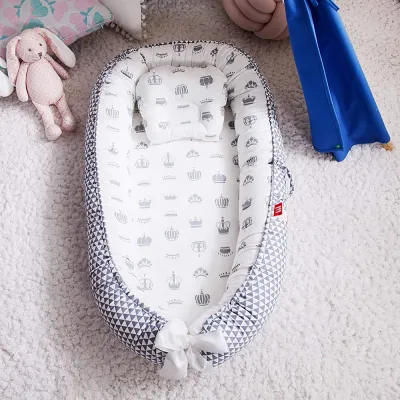
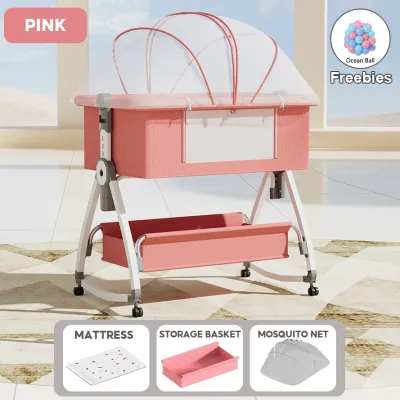
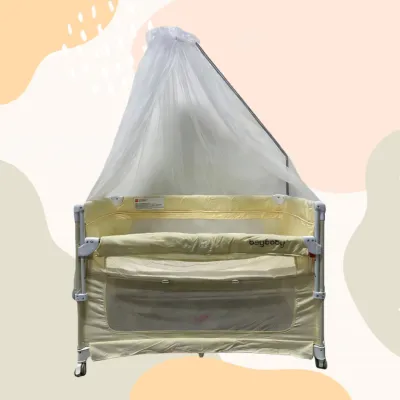
Understanding the structural differences between these two options is the first step in planning your nursery layout. A standalone bassinet is a freestanding, lightweight sleep space designed exclusively for infant rest. These units are highly focused on simplicity and portability, often featuring wheels, folding frames, or compact bases that allow you to slide them right next to your bed or move them from room to room during the day.
Products mentioned in this guide

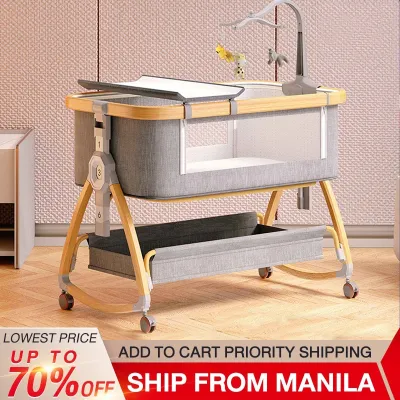
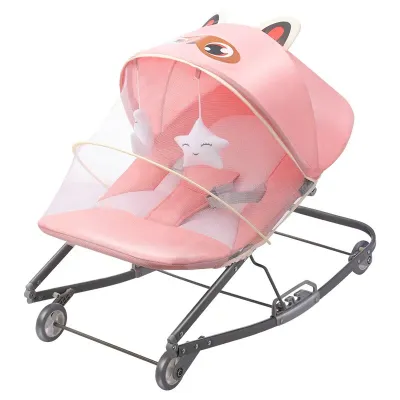
Prices are valid at publication and may change. Please refer to the product page for the latest price.
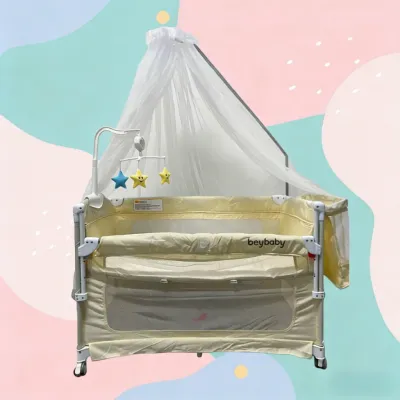
In contrast, a furniture set bassinet is a multi-piece, integrated unit that combines a baby sleep space with other essential nursery furniture. Typically, this setup includes a bassinet attached to or nested within a changing table, shelving units, and drawers. It is designed to serve as a comprehensive care station where you can sleep, change, and dress your baby in one fixed location, making it a permanent fixture in your child’s room.
4 Key Dimensions to Evaluate for Your Nursery
To determine which option fits your lifestyle, you need to evaluate your specific living situation against four critical dimensions: space, mobility, longevity, and budget.

Space and Footprint
Before purchasing any furniture, measure your available floor space carefully. A standalone bassinet has a small footprint, making it easy to fit into tight corners or narrow spaces beside your bed, which is particularly useful in compact condominium units or shared family bedrooms. A furniture set bassinet requires a much larger, permanent footprint. You must check the clearance around the unit to ensure that drawers can open fully and that you can comfortably stand and move around the changing table without blocking walkways.
Mobility and Room-to-Room Use
Consider how often you will need to move the sleep space throughout the day. If you want your baby to nap in the living room during the day under your supervision and sleep in your bedroom at night, a standalone bassinet with wheels or a lightweight frame is ideal. This mobility is also highly beneficial in tropical climates, allowing you to move the bassinet to the room with the best air conditioning or natural ventilation. A furniture set bassinet is heavy and bulky; once assembled, it is meant to remain in a fixed location, meaning your baby will sleep and be changed in that specific room every time.
Longevity and Transition
Every bassinet has strict limits on when a baby must stop using it. You must check the manufacturer’s product label for the exact weight and height limits, as well as developmental milestones, such as when the baby begins to push up on hands and knees or roll over. Standalone bassinets are strictly temporary, usually lasting only a few months before your baby must transition to a full-sized crib. While the bassinet portion of a furniture set has a similar short lifespan, the attached changing table, drawers, and shelves can often be used for years as your child grows, providing excellent long-term utility.
Budget and Value
Evaluate the upfront cost in Philippine Pesos (₱). A standalone bassinet generally has a lower initial price point, but you will need to purchase separate storage solutions and a changing station later. A bundled furniture set requires a larger upfront investment in ₱, but it provides multiple pieces of furniture at once. This bundled approach can sometimes offer better long-term financial value if you plan to use the storage and changing table components throughout toddlerhood, saving you from buying separate pieces later.
When a Standalone Bassinet Makes the Most Sense
A standalone bassinet is highly recommended for families who plan to follow safe sleep guidelines by room-sharing with their newborn during the first few months. Because these units are compact, they easily fit next to an adult bed, allowing you to keep your baby close for nighttime feedings and comfort without the safety risks associated with bed-sharing.
This option is also ideal for homes with limited space, such as apartments or multi-generational households where a massive furniture set would overwhelm the room. The minimalist design allows you to maintain a flexible living space, and many models can be folded and stored away once your baby transitions to a full-sized crib.
However, choosing a standalone unit means you must plan your storage separately. Because a standalone bassinet does not come with built-in drawers or shelves, you will need to set up a nearby dresser, a rolling utility cart, or a portable diaper caddy to keep diapers, wipes, swaddles, and change clothes within arm’s reach during those frequent nighttime changes.
When a Bassinet in a Furniture Set is the Better Fit
An integrated furniture set bassinet is an excellent choice if you have a dedicated, spacious nursery room where you plan to conduct all baby care activities. Having the sleep space, changing table, and storage drawers combined into one unit creates a highly organized, centralized hub for your daily routine.
This setup is incredibly convenient for caregivers who prefer to have everything in one place. During late-night diaper changes, you do not have to walk across the room or search through separate bins; diapers, wipes, fresh clothes, and swaddles are stored directly beneath or beside the sleeping area, minimizing disruption to your baby’s sleep cycle.
The primary trade-off is mobility. These units are heavy, sturdy, and designed to stay put. If you choose this option, you must be comfortable with your baby sleeping in a fixed location from day one, and you will likely need to rely on a separate portable sleep solution if you want to keep your baby close to you in other rooms during the day.
Side-by-Side Comparison Checklist
To help you make an informed decision, use this checklist to compare the physical specifications and features of the specific models you are considering. Always verify these details on the manufacturer’s product labels and instruction manuals before making a purchase.
| Feature | Standalone Bassinet | Furniture Set Bassinet |
|---|---|---|
| Footprint | Small and compact; fits easily in master bedrooms | Large and permanent; requires dedicated nursery space |
| Mobility | High; often features wheels or a folding frame | Low; heavy and designed to remain in a fixed spot |
| Storage Capacity | Minimal to none; may have a small lower basket | High; includes built-in drawers, shelves, or cabinets |
| Weight & Height Limits | Check manufacturer label (typically lower limits) | Check manufacturer label for each individual component |
| Long-Term Utility | Temporary; stored away once baby outgrows it | High; changing table and drawers remain useful for years |
Regardless of which style you choose, always verify that the mattress is firm and flat, the sides are made of breathable mesh to promote airflow in warm tropical climates, and the overall structure is stable and secure.
Your Final Decision Framework
To make your final choice, start by assessing your sleeping arrangements. If your primary goal is to room-share in a compact master bedroom and you value the ability to move the baby’s sleep space around your home, choose a standalone bassinet. This path offers the flexibility and portability needed for the early months of parenthood.
If you have ample space for a dedicated nursery and want a permanent, highly organized station that streamlines diapering, dressing, and sleeping, choose a furniture set bassinet. This option provides a long-term storage solution that continues to serve your family long after the newborn phase.
Before finalizing your purchase, always verify that the specific model meets current safety guidelines. Check the manufacturer’s label for weight limits, assembly instructions, and safety warnings, and ensure that the bassinet component provides a firm, flat sleep surface with excellent ventilation.
Frequently Asked Questions (FAQ)
Can I use a furniture set bassinet for room-sharing in the master bedroom?
While it is technically possible, it is often impractical due to the size and weight of these units. Before attempting this, you must measure your master bedroom’s layout and check the exact dimensions of the furniture set. Ensure there is enough clearance for your bedroom door, closet doors, and drawers to open fully, and verify that the unit can be safely disassembled or moved if you need to rearrange the room.
What happens to the furniture set once the baby outgrows the bassinet?
Once your baby reaches the manufacturer’s weight or developmental limit for the bassinet, you must stop using that portion for sleep. However, the rest of the furniture set remains highly functional. The changing table can still be used for diaper changes, and the drawers and shelves will continue to store clothes, toys, and books throughout your child’s toddler years. Some models even allow you to convert the bassinet section into extra toy storage or a small shelving unit.
Are standalone bassinets safer than those attached to furniture?
Neither style is inherently safer than the other; safety depends entirely on proper assembly, usage, and adherence to manufacturer guidelines. For both types, you must verify that the mattress is firm, flat, and fits snugly without gaps, and that the sides feature breathable mesh for optimal airflow. Always check the manufacturer’s instructions to ensure the unit is structurally stable, and stop using the bassinet immediately once your baby reaches the weight limit or begins to roll over.

Community discussion
Share your experience or ask a question. Comments are reviewed before publication.