
Choosing the right tableware for your baby’s weaning journey is a major developmental milestone that directly impacts both their physical coordination and your daily cleaning routine. When shopping for a stainless suction plate, you must prioritize three critical elements: a robust suction mechanism that prevents spills, verified food-grade steel (such as 304 or 316 grade) that ensures chemical safety, and a physical layout tailored to your chosen feeding method. In a tropical and highly humid climate like the Philippines, these factors become even more vital, as high moisture levels can accelerate mold growth on porous materials and make hygiene a constant battle.
A high-quality stainless suction plate offers a hygienic, durable, and long-lasting alternative to standard plastic or silicone dishes. While the initial investment might be higher than plastic options, the long-term benefits in terms of food safety, ease of sterilization, and resistance to wear make it a preferred choice for many modern parents. By understanding what to look for before purchasing, you can select a plate that supports your baby’s self-feeding milestones while ensuring the highest standards of cleanliness and safety in your household.
Why Stainless Steel Beats Silicone and Plastic for Weaning
When preparing for your baby’s transition to solid foods, the market presents an overwhelming array of plastic, silicone, and metal tableware. While silicone has gained massive popularity due to its soft texture and bright colors, it possesses several inherent material limitations that become highly apparent in everyday use, particularly in warm, humid regions. Silicone is a polymer that, despite being food-safe, can easily absorb and retain food odors, oils, and soap residues over time. This often leaves a persistent soapy taste or a stale food smell on the plate, which can discourage sensitive babies from eating. Furthermore, in humid environments, the moist gaps beneath integrated silicone bases can become breeding grounds for mold and mildew if they are not dried perfectly after every wash.
Products mentioned in this guide
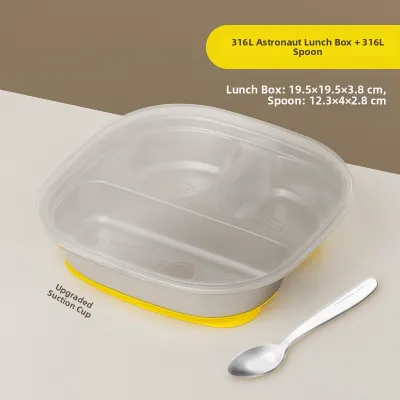
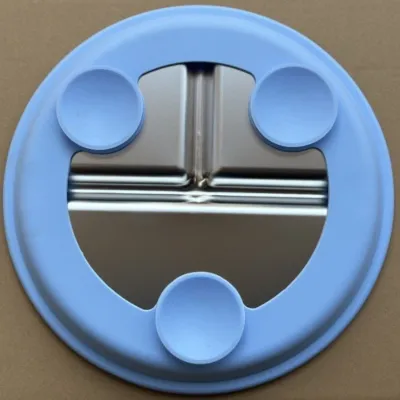
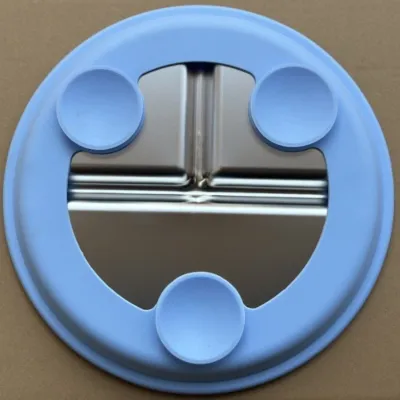
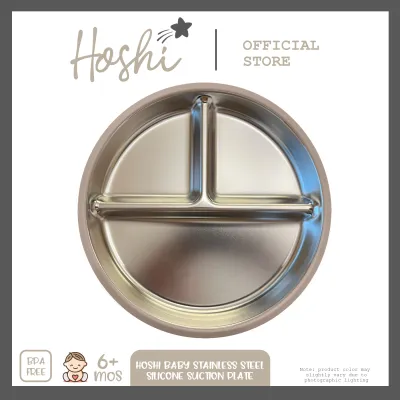
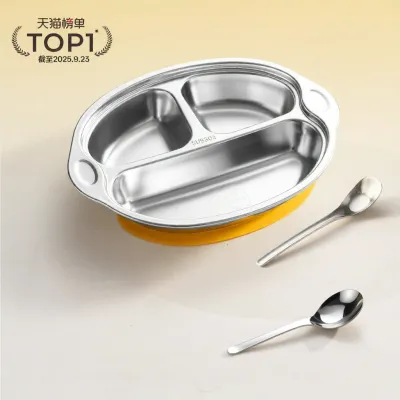
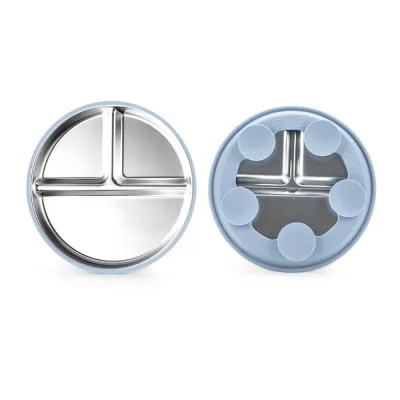
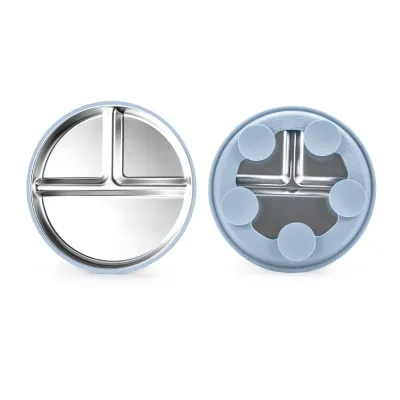

Prices are valid at publication and may change. Please refer to the product page for the latest price.
Plastic tableware, on the other hand, presents distinct durability and safety concerns. Even BPA-free plastics degrade over time when subjected to frequent washing, high-temperature sterilization, or acidic foods. As plastic plates get scratched by metal cutlery or rough cleaning sponges, these microscopic crevices can harbor stubborn bacteria that are difficult to sanitize. Additionally, the degradation of plastic raises concerns about the potential leaching of microplastics into warm baby food.
Stainless steel addresses these pain points effectively due to its completely non-porous surface. Because bacteria cannot penetrate or cling to the smooth surface of high-quality steel, it is exceptionally hygienic and easy to clean. It does not absorb strong food odors—such as those from fish or garlic—nor does it stain when exposed to highly pigmented foods like tomato sauce, squash, or purple yam. Even after years of daily drops, tosses from the highchair, and rigorous scrubbing, a stainless steel plate remains free of deep scratches and structural degradation. This unmatched longevity means a single stainless steel plate can easily last through multiple children, making it a highly sustainable and cost-effective investment for growing families. In the local market, these plates typically range from ₱800 to ₱1,800, representing a durable investment that outlasts multiple plastic alternatives.
Core Features to Evaluate in a Stainless Suction Plate
To ensure you choose a plate that performs reliably at every meal, you need to look closely at its physical construction and material specifications. Not all baby plates are engineered equally, and small design details can make a significant difference in how easily your baby can feed themselves and how much food ends up on the floor.

Suction Mechanism and Base Versatility The suction base is the most critical component for preventing messy spills. When evaluating a stainless suction plate, pay close attention to how the suction mechanism is attached to the metal body. Most high-quality plates utilize a two-piece design featuring a removable silicone suction ring or base that stretches around the bottom of the stainless steel plate. This design is highly advantageous because it allows you to separate the two materials completely for thorough cleaning and drying, preventing water from getting trapped in the seams where mold could develop. Additionally, a removable base means that once your child outgrows the need for suction, you can remove the silicone ring and continue using the steel plate as standard tableware for older toddlers. In contrast, plates with permanently integrated suction bases can be harder to dry completely and offer less versatility as your child grows, though they may eliminate the risk of the baby figuring out how to peel the silicone ring off the steel.
Steel Grade Verification Because your baby’s food will directly contact the metal surface, verifying the specific grade of stainless steel is non-negotiable. Do not rely on generic marketing terms like “premium steel” or “baby-safe metal.” Instead, look for explicit manufacturer specifications on the packaging or product description indicating food-grade stainless steel, specifically 304 or 316 grades (often labeled as 18/8 or 18/10 stainless steel, respectively). Grade 304 is the industry standard for high-quality kitchenware, offering excellent rust resistance and durability for daily use. Grade 316, which contains molybdenum, offers even higher corrosion resistance against acidic foods and harsh detergents. Always verify that the product has undergone rigorous safety testing and carries clear labels confirming it is free from lead, phthalates, and other heavy metals.
Compartment Depth and Dividers The physical layout of the plate’s compartments plays a vital role in food presentation and sensory development. For younger babies just starting their weaning journey, deep dividers are highly beneficial. They keep different food textures and flavors separate, which is crucial for helping babies identify individual tastes without them mixing into an unappealing mash. Furthermore, deep compartments (typically around 1 to 1.5 inches deep) are essential for holding liquid-heavy or semi-solid foods like purees, stews, yogurt, or local favorites like warm lugaw (rice porridge) without spilling over into adjacent sections.
Edge and Lip Design A subtle but highly impactful feature to look for is an inward-curving lip or a raised, vertical outer edge. When babies are learning to use a spoon or their fingers, they naturally push food toward the edge of the plate to scoop it up. If the plate has shallow, sloped edges, the food will simply slide off onto the highchair tray or the floor. An inward-curving lip acts as a physical barrier, guiding the food back onto the spoon or into the baby’s hand, which significantly reduces mealtime frustration and builds self-feeding confidence.
Base Width and Weight The overall stability of the plate does not rely solely on the vacuum seal of the suction cup; the physical weight and width of the base are equally important. A stainless steel plate with a wide, heavy base distributes weight more evenly across the highchair tray. This lower center of gravity makes it much harder for a determined baby to tip the plate over, even if they manage to break the suction seal slightly. When comparing options, look for plates that have a wide footprint relative to their height, as tall, narrow designs are inherently more prone to leverage-based tipping.
Verifying Safety Labels and Daily Convenience
While stainless steel is incredibly durable, integrating it into your daily routine requires an understanding of its material limitations and specific care requirements. Before purchasing, consider how the plate will fit into your existing kitchen setup and cleaning habits.
Microwave Limitations and Food Warming The most important safety rule to remember is that solid stainless steel cannot be placed in a microwave. Metal reflects microwave radiation, which can cause electrical arcing, damage your appliance, and pose a fire hazard. If you frequently prep meals in advance and rely on the microwave for quick reheating, you must plan accordingly. Some manufacturers address this by designing double-walled plates where the inner stainless steel bowl can be completely removed from an outer, microwave-safe plastic or silicone shell. This allows you to heat the food in the outer shell before inserting the steel liner. If the plate you choose is a single solid piece of steel, you must heat the baby’s food in a separate microwave-safe ceramic or glass container first, verify the temperature, and then transfer it to the stainless plate for serving.
Dishwasher, Sterilizer, and High-Heat Safety To maintain high hygiene standards, verify the manufacturer’s specific instructions regarding dishwasher and sterilizer compatibility. High-quality 304 or 316 stainless steel can easily withstand the high temperatures of dishwashers, steam sterilizers, and UV sterilizers without warping, degrading, or releasing chemicals. However, the removable silicone suction base is often more sensitive to extreme heat. While food-grade silicone is generally heat-resistant, frequent exposure to high-heat drying cycles in a dishwasher or prolonged steam sterilization can cause the silicone to lose its elasticity over time, reducing its suction strength. Look for products that specify the silicone components are top-rack dishwasher safe and can be sterilized separately at lower temperatures or via cold-water sterilizing tablets if necessary.
Physical Safety and Quality Checks Before introducing any new tableware to your baby, conduct a thorough physical inspection. Check the entire perimeter of the plate, including the edges of the dividers and the outer lip, to ensure there are no sharp seams, rough welding points, or metal burrs left over from the manufacturing process. The surface should feel completely smooth to the touch, with rounded corners that will not scratch a baby’s delicate hands, lips, or gums. Reading customer reviews can provide valuable insights into whether a specific brand has consistent quality control or if parents have reported issues with rough edges.
Age and Developmental Stage Guidelines Always cross-reference the plate’s dimensions and weight with the manufacturer’s recommended age and developmental stage guidelines. A large, heavy three-compartment plate may be too bulky for a six-month-old infant sitting in a compact highchair, while a small single-section suction bowl might not provide enough variety or space for an active twelve-month-old toddler. Ensure the plate’s size fits comfortably within the flat surface area of your specific highchair tray, as any overhang will prevent the suction base from creating a proper vacuum seal. Always verify the manufacturer’s specific age, weight, and developmental stage recommendations on the product documentation rather than relying solely on the product name. Ensure active adult supervision is maintained during all meals, and inspect the product before each use. If you notice your baby struggling with swallowing, gagging excessively, or showing signs of developmental delays in self-feeding, consult a pediatrician, pediatric dentist, or a qualified occupational therapist for professional guidance.
Choosing the Right Layout for Your Weaning Approach
The way you present food can significantly influence your baby’s relationship with eating. Depending on whether you follow Baby-Led Weaning (BLW), traditional purees, or a flexible mixed feeding approach, certain plate layouts will be much more practical than others.
Baby-Led Weaning (BLW) Layouts
If you are practicing Baby-Led Weaning, your baby will be feeding themselves whole pieces of soft food right from the start. For this approach, look for plates that feature wide, flat, and relatively shallow compartments. A layout with two or three spacious sections is ideal, as it allows you to lay out finger foods—such as steamed broccoli florets, carrot sticks, or slices of ripe mango—in a clear, uncluttered arrangement.
This open design makes it easy for tiny hands to grasp, pinch, and lift food items without having to navigate deep, narrow corners. Because BLW involves a lot of manual exploration, babies will naturally pull, push, and tug on the plate with significant force. Therefore, a BLW-focused plate absolutely requires an exceptionally strong, wide silicone suction base to withstand this physical interaction and keep the plate firmly anchored to the tray.
Puree and Mixed Feeding Layouts
For parents starting with smooth purees, mashed foods, or a combination of spoon-feeding and finger foods, a plate with deeper, bowl-like compartments is a much more practical choice. Deeper wells are essential for containing liquid-heavy foods, preventing them from running together or sloshing over the sides when your baby tries to scoop them.
A highly versatile option for mixed feeding is a hybrid layout. This typically features one large, deep compartment designed for holding mashes, stews, or grains, paired with one or two smaller, flatter sections for introducing soft finger foods or sliced fruits. This setup allows you to transition seamlessly from spoon-feeding to self-feeding as your baby’s fine motor skills and hand-eye coordination develop over time.
Frequently Asked Questions (FAQ)
Can you put a stainless steel suction plate in the microwave?
No, you cannot put a solid stainless steel suction plate in the microwave. Metal reflects microwave radiation, which can cause dangerous electrical arcing, damage your microwave, and create a fire hazard. If you need to warm your baby’s food, you must heat it in a separate microwave-safe ceramic, glass, or silicone container first, stir it thoroughly to eliminate hot spots, test the temperature, and then transfer the warm food onto the stainless steel plate. The only exception is if the product features a completely removable inner steel bowl designed to sit inside a separate, microwave-safe outer plastic or silicone shell, in which case only the outer shell can be microwaved.
How do you get a suction plate to stick to a highchair tray?
To achieve a strong, long-lasting vacuum seal, both the highchair tray and the silicone suction base must be completely clean, dry, and free of any grease, dust, or food residue. Wipe both surfaces with a damp cloth and dry them thoroughly before pressing the plate down firmly from the center to force out all trapped air. Keep in mind that suction cups require a completely smooth, non-porous surface to work effectively; textured, matte, or heavily scratched plastic or wooden highchair trays will allow air to seep under the seal, causing the plate to release. If your highchair tray is textured, you can place a smooth, flat silicone placemat on the tray first to create a suitable surface for the suction base.
Is 316 stainless steel significantly better than 304 for baby plates?
Both 304 and 316 grades are high-quality, food-safe stainless steels that are completely safe for baby tableware. Grade 304 (often labeled as 18/8) is the standard for culinary use, providing excellent durability and rust resistance for everyday meals. Grade 316 (often called medical or marine grade) contains added molybdenum, which gives it superior resistance to corrosion, salt, and acids. While 316 steel is technically more resistant to pitting when exposed to highly acidic foods like tomato-based pasta sauces or vinegar over long periods, 304 steel is more than adequate for daily baby meals, provided it is washed promptly and dried thoroughly after use. The choice comes down to budget, as 316 stainless steel products are typically more expensive.

Community discussion
Share your experience or ask a question. Comments are reviewed before publication.