
Transitioning your toddler from a baby bottle or breast to a regular cup is a major milestone in their weaning journey, but walking down the baby aisle can feel overwhelming. There is no single “best” sippy tumbler for every weaning toddler; the right choice depends entirely on your child’s current oral motor skills, weaning stage, and your household’s spill tolerance. While spout cups offer maximum leak protection for early transitions, straw cups build advanced tongue and lip coordination, and 360-degree cups mimic the mechanics of an open glass to support dental health. By understanding how each lid mechanism interacts with your child’s developing mouth, you can make an informed decision that supports their growth while keeping mealtime messes manageable.
In tropical climates like the Philippines, where hydration is crucial during warm afternoons and active play, choosing a functional cup is even more important. A reliable tumbler keeps water accessible during family trips or daily routines, but the wrong style can lead to frustration, refusal, or hygiene challenges. Balancing developmental benefits with practical daily use is the key to a smooth transition.
Assessing Your Toddler's Oral Motor Readiness
Before purchasing any new tumbler, it is helpful to observe your toddler’s physical capabilities during feeding times. Oral motor readiness involves more than just the ability to swallow; it requires a coordinated sequence of lip sealing, tongue retraction, and jaw stability. If your child can sit upright independently, shows interest in your own drinking glass, and can grasp objects and bring them accurately to their mouth, they are likely ready to begin transitioning away from the bottle.
Products mentioned in this guide
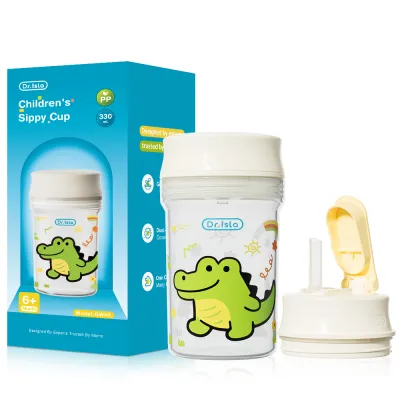
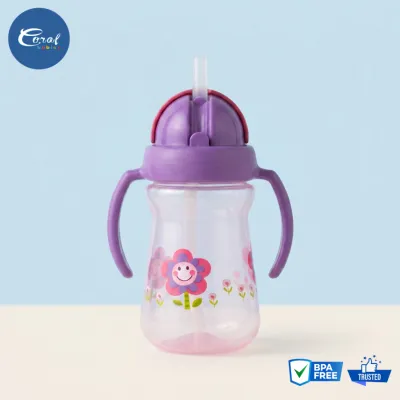
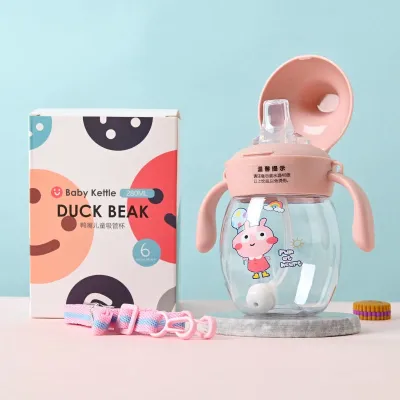
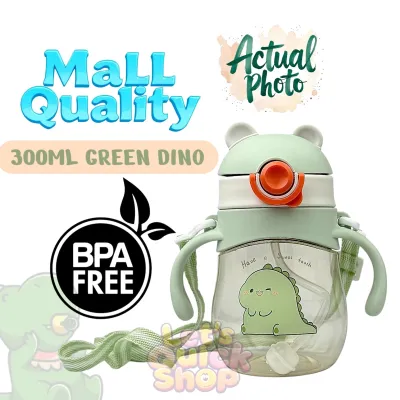
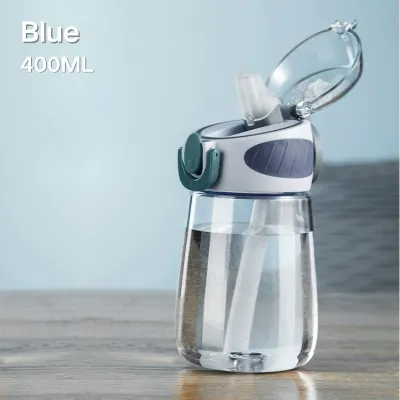
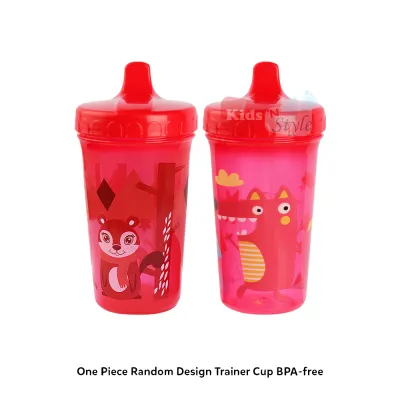
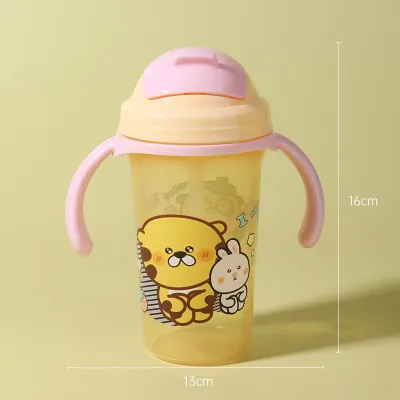

Prices are valid at publication and may change. Please refer to the product page for the latest price.
Different lid mechanisms require distinct physical actions that can either support or hinder natural oral motor development. For instance, a traditional hard spout requires an infant-like sucking pattern where the tongue thrusts forward under the spout. In contrast, straw drinking encourages tongue retraction, where the tongue moves backward to allow the lips to seal tightly around the straw, strengthening the cheek muscles and jaw. A 360-degree cup requires the child to press their upper lip against the rim to release the liquid, which closely mirrors the muscle activation needed for a standard open cup.
While introducing these cups is a normal part of weaning, every child develops at their own pace. If you observe persistent signs of feeding difficulties—such as frequent coughing, gagging, liquid escaping from the nose, or an outright refusal to drink from any new vessel—it is best to pause the transition. In these situations, stop using the cup and consult your pediatrician or a pediatric dentist to evaluate your child’s oral structure and ensure there are no underlying developmental hurdles before proceeding.
Spout Cups: Evaluating the Traditional Transition Option
Spout cups have long been the traditional first step after bottles because their shape feels familiar to a baby accustomed to a nipple. These cups generally feature either a soft silicone spout or a hard plastic spout, operating via bite-valves or free-flow designs. Bite-valve spouts require the toddler to compress the spout with their gums or teeth to open the pathway for liquid, offering excellent spill prevention even when dropped on the floor. Free-flow spouts, on the other hand, allow liquid to flow readily when tilted, which helps toddlers learn that tilting the cup yields water, though they offer less protection against leaks.

Despite their convenience, pediatric dentists often caution against the prolonged use of spout cups. Because many spouts rest on top of the tongue, they can encourage a continuous forward tongue thrust, similar to bottle feeding. If used excessively beyond the early weaning stage, this habit can potentially impact palate development and teeth alignment, sometimes leading to an open bite where the front teeth do not meet properly.
However, spout cups still have a practical place in a toddler’s transition toolkit when used mindfully. They are highly suitable for the very initial phase of weaning when a baby is first learning to hold a cup, as well as in high spill-risk environments. If you are traveling in a car seat, riding in a tricycle, or navigating a busy outdoor park, a high-quality spout cup can prevent messy cleanups while keeping your child hydrated.
Straw Cups: Developing Advanced Oral Motor Skills
Straw cups are highly recommended by speech therapists and pediatric dentists because they actively promote advanced oral motor skills. Drinking from a straw requires a toddler to perform a mature swallow pattern, which involves pulling the tongue back into the mouth and sealing the lips tightly around the tube. This action strengthens the lips, cheeks, and jaw, laying a strong foundation for speech development and clear articulation.
While straw cups offer excellent developmental benefits, they demand a rigorous cleaning routine to remain safe. The internal straw valves, weighted bases, and narrow silicone tubes are notorious for trapping moisture and organic residue. In warm, humid environments, bacteria and mold can develop rapidly inside these hidden crevices. Parents must perform daily hygiene checks, using specialized tiny wire brushes to scrub the inside of the straw and ensuring all components are completely dry before reassembly.
It is also important to recognize that straw drinking has a learning curve. Beginners who have not yet mastered the coordination of sucking and swallowing may experience frustration, swallow excessive air (leading to gas), or experience minor choking risks if the flow rate is too fast. When introducing a straw cup, look for models with valved straws that control the flow, and supervise your toddler closely to ensure they are swallowing comfortably without coughing.
360-Degree Cups: Bridging the Gap to Open-Cup Drinking
The 360-degree cup is an innovative design featuring a circular silicone valve resting on a plastic rim, allowing the child to drink from any side of the cup. When the toddler places their lips on the edge and sips, their upper lip gently presses the silicone valve down, releasing a controlled flow of liquid. This mechanism is highly praised because it requires the exact same lip and tongue coordination as drinking from a regular, open glass, making it an excellent developmental bridge.
While 360-degree cups are fantastic for teaching open-cup mechanics without the immediate mess, they do come with specific trade-offs. The flow rate is inherently limited by the pressure of the child’s lip against the valve, which can sometimes frustrate a very thirsty or impatient toddler who wants a fast drink. Additionally, while they are highly spill-resistant during normal use, a hard drop onto a tiled floor can momentarily break the seal of the silicone valve, resulting in a sudden splatter of water.
Maintaining a 360-degree cup requires diligent routine checks. The silicone valve rim must be completely peeled back and separated from the plastic collar during every wash. Because moisture can easily get trapped between the silicone and plastic layers, failing to clean and dry these parts thoroughly can lead to hidden mold growth and degraded suction, which can make the cup difficult or unpleasant for your toddler to use.
How to Choose the Right Sippy Tumbler Style
Selecting the perfect cup style does not require guessing; instead, you can use a clear, condition-based decision framework tailored to your child’s current stage and your specific daily needs.
- Choose a spout cup if your toddler is in the very early stages of weaning (around six to nine months), is struggling to transition directly from a bottle, and you require maximum spill control for travel or outdoor activities. Limit its use to short transition periods to protect dental alignment.
- Choose a straw cup if your child has already mastered basic sipping, is around nine months or older, and needs to develop advanced oral motor skills. Straw cups are also excellent if you want a versatile option that can handle slightly thicker liquids like smoothies, provided the straw diameter is wide enough.
- Choose a 360-degree cup if your toddler is approaching twelve months or older, is ready to learn the mechanics of open-cup drinking, and you want to minimize prolonged contact of plastic or silicone with their developing teeth.
Before introducing any new cup mechanism, always verify the recommended age, weight range, and specific method of use from the product’s official documentation rather than relying solely on the product name, and ensure active caregiver supervision during use. If your toddler shows persistent signs of oral aversion, frequent gagging, or swallowing difficulties, stop using the cup immediately and consult a healthcare professional or pediatric dentist to ensure a safe and comfortable feeding journey.
Essential Hygiene and Maintenance Checks for Sippy Tumblers
No matter which sippy tumbler style you choose, establishing a strict hygiene and maintenance routine is vital for your child’s health. Toddler cups are subjected to constant moisture, backwash, and food particles, creating an ideal breeding ground for bacteria.
A mandatory disassembly routine must be followed after every single use. This means completely separating all complex parts, including bite valves, straw weights, silicone rims, and rubber gaskets. Wash each component in warm, soapy water, using specialized straw brushes to reach tight spaces, and allow them to air dry completely in a well-ventilated area. In humid climates, leaving parts even slightly damp can lead to rapid mold colonization.
In addition to daily cleaning, perform regular visual inspection checkpoints. Look closely for signs of wear and tear, such as hairline cracks in the plastic, stretched-out silicone valves, or deep toddler bite marks. Damaged silicone can tear further, creating small pieces that pose a choking hazard, while cracked plastic can harbor bacteria that cannot be washed away.
Always refer to the manufacturer’s guidelines for the expected lifespan of the tumbler and its individual parts. Many brands sell replacement straws and valves separately—often costing only around ₱100 to ₱300—allowing you to refresh the hygienic components without buying an entirely new cup. If you notice persistent discoloration, a sour odor that remains after washing, or degraded suction, it is time to discard and replace those parts immediately. Additionally, remember that safety standards and product recalls are dynamic; always verify the latest safety notices and material certifications directly from the manufacturer’s official website.
Frequently Asked Questions (FAQ)
At what age should a toddler stop using a sippy tumbler?
Most pediatric dentists and speech therapists recommend transitioning away from all types of sippy tumblers and moving toward regular open cups by around 12 to 18 months of age. Prolonged use of valved cups beyond this window can interfere with mature swallowing patterns and potentially affect speech development and dental alignment. To ease this transition, gradually phase out sippy tumblers during structured meals and snacks at home, offering a small, weighted open cup with just a splash of water, while reserving the spill-proof tumblers for travel and active play.
Can I put milk or formula in a straw or 360-degree cup?
While it is physically possible, putting milk or formula in complex straw or 360-degree cups significantly increases the risk of rapid bacterial growth and stubborn clogs within the valve systems. Milk proteins and fats easily cling to narrow tubes and silicone seals, making them incredibly difficult to sanitize thoroughly. If you do use these cups for milk or formula, you must implement an immediate, thorough cleaning protocol, flushing the valves with hot, soapy water right after use. To simplify your routine, it is highly recommended to reserve complex, valved cups strictly for water, and use simpler, easily washable open cups or basic free-flow cups for milk.

Community discussion
Share your experience or ask a question. Comments are reviewed before publication.