
Finding the right tool to clean your baby’s feeding equipment is a balancing act between achieving a spotless clean and preserving the integrity of the bottle material. There is no single “best” baby bottle brush that excels in every household; the ideal choice depends entirely on whether you use glass, plastic, or silicone bottles, as well as your daily washing habits. The three primary options—sponge, silicone, and nylon—each offer distinct advantages and trade-offs. To make the right choice, you must weigh their scrubbing power, drying speed, and the risk of creating microscopic scratches where bacteria can hide.
How to Match the Brush Material to Your Baby Bottles
Before purchasing any cleaning tool, your first step should always be to consult the care guidelines provided by your bottle’s manufacturer. Different bottle materials react differently to mechanical friction, and using the wrong brush can permanently damage the container.
Glass baby bottles are highly durable and resistant to scratching. Because of their robust surface, they are compatible with almost all brush types, including stiffer nylon bristles. This durability allows you to scrub vigorously to remove stubborn, dried-on milk film without worrying about clouding or damaging the interior surface.
Products mentioned in this guide
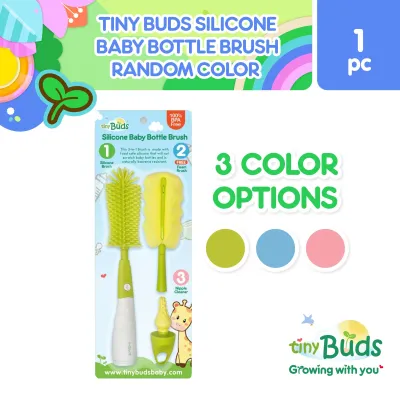
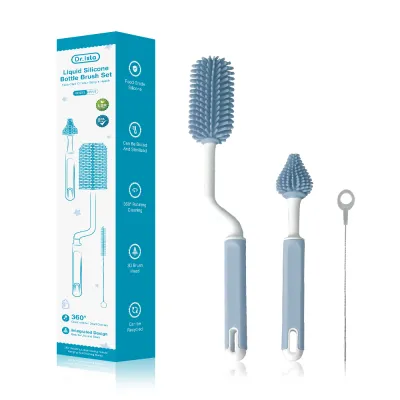
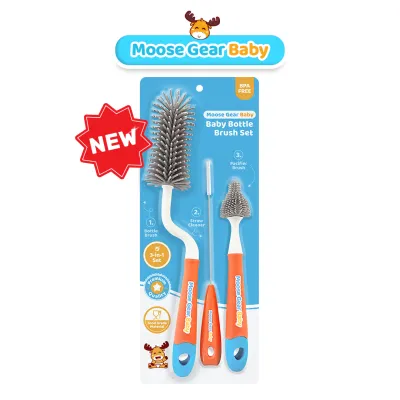
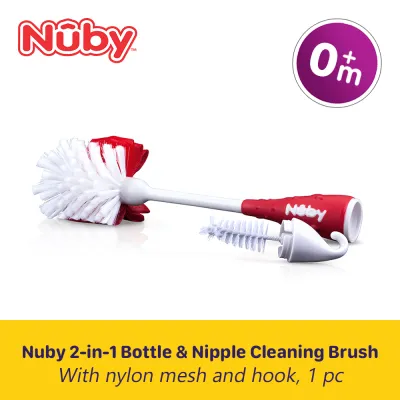
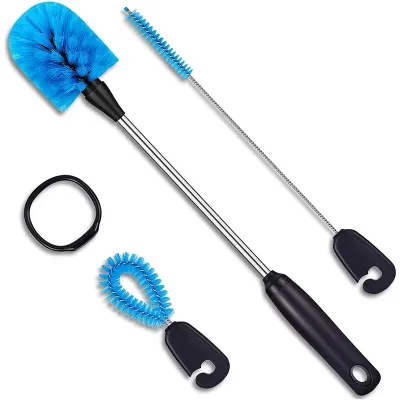
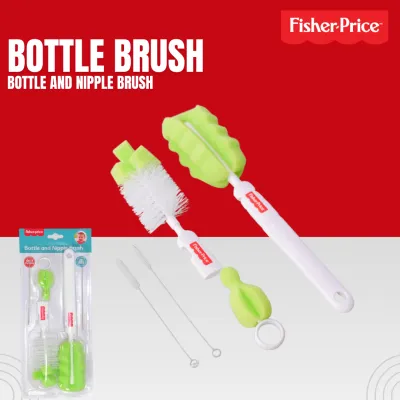
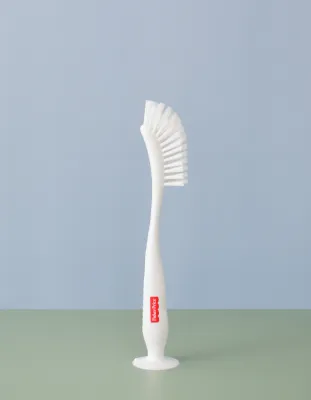
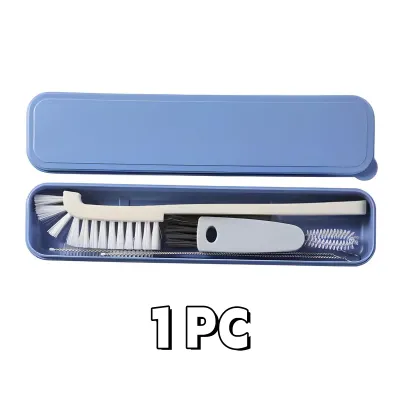
Prices are valid at publication and may change. Please refer to the product page for the latest price.
Plastic bottles, typically made from polypropylene (PP) or polyphenylsulfone (PPSU), require a much gentler touch. These materials are highly susceptible to micro-scratches from stiff brushes. Over time, these tiny abrasions can harbor milk fats, proteins, and harmful bacteria that are difficult to sanitize, while also making the bottle look cloudy and worn. For plastic, softer materials like sponge or very soft, flexible bristles are highly recommended.
Silicone bottles have a unique, flexible texture that demands careful maintenance. While they are durable, their soft surfaces can be compromised by sharp or highly abrasive cleaning tools. Always check the manufacturer’s instructions, as some silicone bottle brands specify using only non-abrasive silicone brushes or soft sponges to maintain the structural integrity and finish of the bottle walls.
Sponge Bottle Brushes: Cleaning Power and Hygiene Checks
Sponge bottle brushes are widely favored for their exceptional liquid retention and superior lathering capabilities. When paired with a mild baby bottle cleanser, a sponge brush quickly creates a rich, thick foam that effectively breaks down fresh breast milk fats and formula residues. This high absorbency ensures that soapy water is distributed evenly across the entire inner surface of the bottle during the wash.

The physical structure of a sponge is highly compressible, allowing it to conform easily to the contours of various bottle shapes. A well-designed sponge brush can squeeze into tight corners, molded bases, and the delicate interiors of bottle nipples without requiring excessive force. This flexibility makes it highly efficient for quick, thorough washes immediately after a feeding.
However, hygiene maintenance is a critical consideration when choosing a sponge brush. Sponges are highly porous and retain moisture for extended periods. In warm, humid tropical climates, this prolonged dampness creates an ideal breeding ground for mold, mildew, and bacterial growth. If a sponge brush is left sitting in a damp sink area, it can quickly develop unpleasant odors and become a source of contamination rather than a cleaning tool.
To keep your cleaning routine safe, you must monitor the brush for clear replacement triggers. Sponges degrade much faster than silicone or nylon. You should discard and replace a sponge brush immediately if you observe tearing, crumbling pieces, discoloration, or a persistent sour smell that remains even after a thorough rinsing and air-drying session.
Silicone Bottle Brushes: Durability and Delicate Bottle Care
Silicone bottle brushes have gained significant popularity due to their hygienic properties and long-term durability. Unlike sponges, silicone is a non-porous material that does not absorb water, milk residue, or liquid soap. This characteristic allows the brush to shed water almost instantly after use, drying rapidly even in high-humidity environments. Consequently, silicone brushes are highly resistant to harboring bacteria, mold, and sour odors.
The soft, flexible nature of silicone bristles provides a gentle cleaning action that is exceptionally safe for delicate bottle materials. If you primarily use plastic or silicone baby bottles, a silicone brush offers peace of mind, as it is virtually impossible for these soft bristles to scratch the bottle walls. This helps preserve the smooth interior finish of your bottles, extending their usable lifespan and keeping them clear.
Despite these benefits, silicone brushes come with a notable trade-off in terms of scrubbing efficiency. Because silicone bristles are smooth and flexible, they lack the abrasive friction of nylon or the absorbent scrubbing power of a sponge. Removing stubborn, dried-on formula or milk film that has sat for several hours may require more physical effort, more soap, or repeated passes to clean completely.
When shopping for a silicone brush, it is also essential to inspect the physical design of the brush head and handle. Some silicone bristles are relatively short or widely spaced, which can make it difficult to scrub the very bottom corners of narrow-neck bottles. Look for a design with varied bristle lengths at the tip to ensure complete coverage.
Nylon Bristle Brushes: Scrubbing Effectiveness and Wear
Nylon bristle brushes are the traditional workhorses of bottle cleaning, valued for their superior mechanical scrubbing power. The stiff, dense arrangement of nylon bristles allows you to dislodge stubborn, dried-on milk fat and sticky formula residue with minimal physical effort. This makes them highly effective for busy parents who may not always have the time to rinse bottles immediately after a feeding.
However, the stiffness of the nylon bristles requires careful consideration based on your bottle collection. While stiff nylon is excellent for durable glass bottles, it can easily scratch plastic bottles if used too vigorously. If you use plastic bottles, look for brushes labeled with soft-textured nylon bristles, or those that combine a nylon body with a soft sponge tip to cushion the impact against the bottom of the bottle.
Regular safety inspections are vital when using nylon brushes. Over time, the metal wire core that holds the bristles can bend, rust, or become exposed, which can scratch bottles or pose a safety risk. Additionally, you must check the brush regularly for shedding bristles, splaying, or fraying. Loose nylon fibers can easily cling to the inside of a bottle or nipple, presenting a subtle but serious choking hazard if they are not thoroughly rinsed out before feeding.
As nylon bristles wear down, they lose their elasticity and begin to splay outward. Once the bristles are splayed, they no longer make optimal contact with the bottle surface, reducing their cleaning efficiency. Furthermore, worn, bent, or broken bristles can develop sharp edges that are more likely to scratch plastic surfaces, indicating that the brush has reached the end of its useful life.
Decision Framework: Choosing the Right Brush for Your Routine
To help you navigate these options, consider how your bottle materials and daily habits align with each brush type. Choosing the right tool is about matching the brush’s physical properties to your specific household needs.
Choose a Sponge Brush if:
- You primarily use plastic bottles and want to avoid any risk of scratching.
- You always wash bottles immediately after feedings before milk residue can dry.
- You prefer a rich, soapy lather that covers the bottle interior quickly.
Choose a Silicone Brush if:
- You live in a highly humid area and want a brush that dries rapidly to prevent mold.
- You want a highly durable, long-lasting cleaning tool that resists odors.
- You use a mix of plastic and silicone bottles and prioritize gentle, scratch-free care.
Choose a Nylon Bristle Brush if:
- You primarily use glass bottles that can withstand vigorous scrubbing.
- You frequently deal with dried-on formula or milk residue that requires heavy-duty cleaning.
- You want a brush that easily dislodges stubborn buildup from tight corners with minimal effort.
| Dimension | Sponge Brushes | Silicone Brushes | Nylon Bristle Brushes |
|---|---|---|---|
| Scrubbing Power (Dried Residue) | Moderate | Low to Moderate | High |
| Drying Speed | Slow | Very Fast | Moderate |
| Scratch Risk (Plastic Bottles) | Extremely Low | Extremely Low | Moderate to High |
| Lifespan & Durability | Short (Replace frequently) | Long | Moderate |
Before making your final decision, verify your specific bottle brand’s warranty and care guidelines. Some premium bottle manufacturers explicitly state which brush materials will void their warranty or cause premature wear to their anti-colic valves and silicone nipples.
For the most versatile setup, many parents find it practical to keep a secondary brush type on hand. For example, you might use a hygienic silicone brush for your quick, daily washes of plastic bottles, while keeping a sturdy nylon or sponge-tipped brush reserved for deep-cleaning glass bottles or tackling stubborn, dried-on residue when bottles are left unwashed overnight.
Essential Care, Cleaning, and Replacement Rules
Maintaining the cleanliness of your bottle brush is just as important as washing the bottles themselves. After every cleaning session, thoroughly rinse the brush under warm running water to remove all traces of soap, milk film, and loose debris. If recommended by the manufacturer, you can use a small drop of mild dish soap to wash the bristles or sponge head, ensuring no organic matter remains trapped inside.
Proper drying is crucial to prevent the growth of bacteria and mold. Always store your bottle brush upright in a well-ventilated area, preferably in a dedicated drying rack or a clean cup that allows water to drain away from the brush head. Avoid storing damp brushes in closed cupboards, under the sink, or flat on countertops where moisture can pool.
Before attempting to sanitize your brush, check the product packaging or manufacturer label to verify its heat tolerance. While some silicone and nylon brushes are designed to be boil-safe or compatible with steam sterilizers, others feature plastic handles, adhesives, or internal metal wires that can melt, warp, or rust when exposed to high heat. Never assume a brush is sterilizer-safe unless the manufacturer explicitly states it.
To ensure a safe feeding environment, establish a routine of inspecting your brush weekly. Discard and replace the brush immediately if you observe any of the following signs:
- Torn, crumbling, or thinning sponge material.
- Splayed, missing, or shedding bristles.
- Exposed metal wires or signs of rust on the handle or core.
- Persistent sour odors or visible dark spots indicating mold growth.
- Discoloration that does not wash away.
Frequently Asked Questions (FAQ)
Can I use a regular kitchen sponge for baby bottles?
No, you should never use a standard kitchen sponge to clean baby feeding items. Kitchen sponges are commonly used to wipe down countertops, plates, and cookware, making them primary reservoirs for food particles, grease, and household bacteria. Using the same sponge on baby bottles introduces a high risk of cross-contamination. Always maintain a dedicated bottle brush and sponge set that is kept completely separate from your general dishwashing tools and used exclusively for infant feeding equipment.
How do I know when it is time to throw away my bottle brush?
You should replace your bottle brush immediately when it shows visible signs of physical wear or hygiene compromise. For sponge brushes, look for tearing, crumbling, or a soft texture that has lost its springiness. For nylon brushes, watch for splayed bristles, shedding fibers, or an exposed metal wire core. Regardless of the material, any brush that develops a persistent sour odor, permanent discoloration, or visible dark mold spots should be discarded right away to protect your baby’s health.
Are silicone bottle brushes safe to put in a sterilizer?
Whether a silicone bottle brush is sterilizer-safe depends entirely on its specific construction and materials. While pure food-grade silicone can withstand high temperatures, many silicone brushes feature handles made of standard plastic, internal metal reinforcement rods, or adhesives that cannot tolerate steam or boiling water. Always read the manufacturer’s instructions on the packaging to verify the exact temperature limits and approved sanitizing methods before placing any brush into a steam, microwave, or UV sterilizer.

Community discussion
Share your experience or ask a question. Comments are reviewed before publication.