
Choosing the right sip tumbler for kids is a pivotal step in your toddler’s transition from bottle feeding to independent drinking. While this milestone represents a major leap in their physical development, it also introduces a unique set of challenges for parents, most notably the inevitable spills and messes. A well-designed transitional cup helps bridge this gap, allowing your child to practice tipping and sipping without leaving a trail of liquids across your floors.
Finding the ideal cup requires balancing your child’s developmental stage with practical features like leak prevention, material safety, and ease of cleaning. Because every toddler develops at their own pace, there is no single cup that works perfectly for every child. Instead, understanding the mechanics of different tumbler designs allows you to select a model that supports your child’s current motor skills while keeping cleanup manageable.
Understanding the Transition from Bottle to Sip Tumbler
Before introducing a sip tumbler for kids, it is helpful to observe your toddler for specific physical signs of readiness. Most infants begin showing interest in cups around six to nine months of age, often coinciding with the introduction of solid foods. Key indicators include the ability to sit upright in a high chair unassisted, a strong grasp that allows them to hold small objects, and the hand-to-mouth coordination required to bring an item directly to their lips.
Products mentioned in this guide
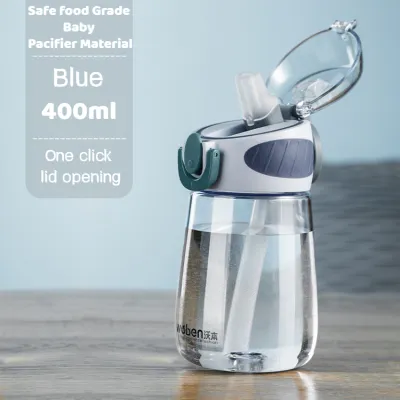
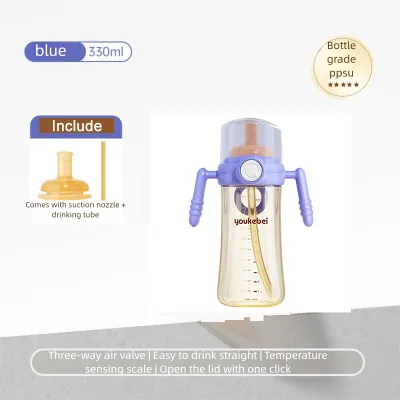
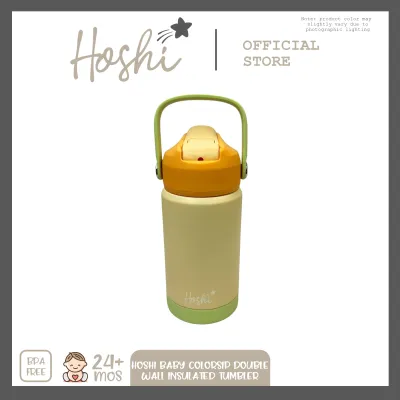
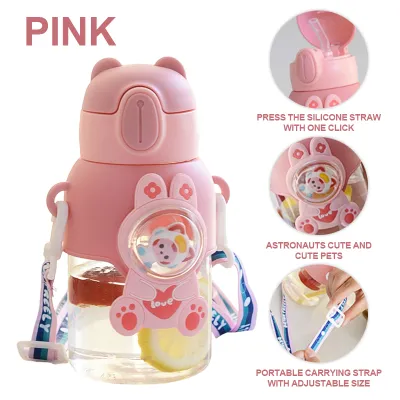
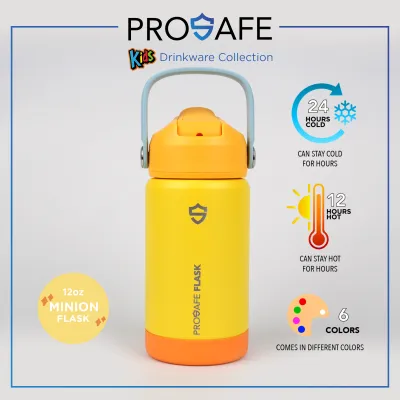
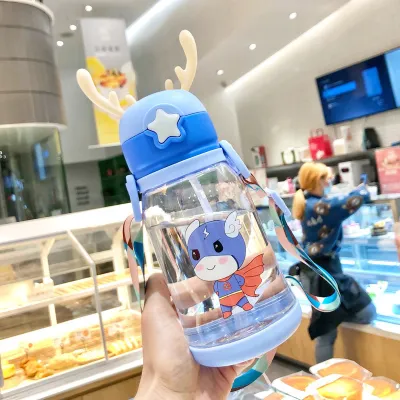
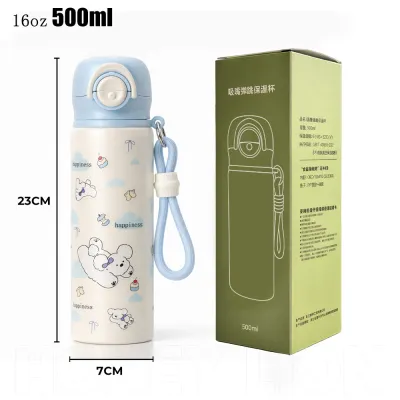
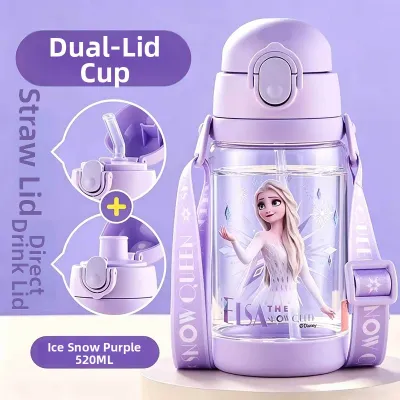
Prices are valid at publication and may change. Please refer to the product page for the latest price.
During the weaning journey, different types of cups serve distinct developmental purposes. Training cups with soft spouts or handles are often the first step, mimicking the familiar feel of a bottle nipple while encouraging a slightly different sipping action. Straw cups help develop mature oral motor patterns by requiring the tongue to retract and the lips to seal around a narrow tube. Open cups represent the ultimate goal, teaching toddlers how to control liquid flow and judge distances, though they require constant supervision and a high tolerance for spills.
Spill-proof mechanisms are incredibly valuable during the early stages of this transition. They give toddlers the freedom to explore their drinking skills independently, building confidence as they carry their cups around the living room or play area. However, parents should view these leak-proof designs as a temporary phase. The continuous, heavy suction required to draw liquid through some spill-proof valves can affect dental alignment and tongue positioning if used exclusively for too long, making it important to gradually introduce free-flowing cups as your child’s skills improve.
In tropical environments, managing spills is not just about keeping floors dry; it is also a matter of hygiene. Spilled milk or sweet juices can quickly spoil in warm, humid weather, attracting ants and other household pests within minutes. A reliable spill-proof cup helps maintain a clean, sanitary home environment while your little one learns to navigate their new drinking skills.
Key Features to Look for in a Spill-Proof Tumbler
When evaluating different sip tumblers in stores or on an online marketplace, the spill-proof valve design is one of the most critical components to examine. Bite valves require the child to apply gentle pressure with their lips or teeth to open the pathway, which prevents leaks when the cup is dropped but can sometimes be difficult for younger babies to master. Weighted straw systems allow the straw to move with the liquid, enabling the child to drink from any angle, even when tilted. 360-degree rim cups mimic open-cup drinking by releasing liquid only when pressure is applied to the edge, offering an excellent balance of oral development and mess prevention.

Material safety is paramount when choosing any product that comes into contact with your child’s food or drink. Always look for clear “BPA-free” labels on the packaging to ensure the plastic does not contain harmful bisphenol A. Food-grade silicone is highly desirable for spouts and straws because it is gentle on sensitive, teething gums and highly flexible. For parents looking to avoid plastic entirely, stainless steel tumblers are an excellent alternative; they are incredibly durable, resistant to odor retention, and help keep water cool during hot, humid days.
Ergonomics play a major role in how easily your toddler will adapt to a new cup. Lightweight bodies are essential, as a heavy cup can frustrate a child who is still building arm strength. Removable, easy-grip handles are perfect for beginners who use a two-handed grasp, while contoured or textured cup bodies help older toddlers transition to a mature, single-handed grip. A non-slip silicone base is another helpful feature, preventing the tumbler from easily sliding off high chair trays or dining tables.
Ease of disassembly is a feature that parents often overlook until they are faced with cleaning the cup for the first time. Complex valve systems with multiple tiny, interlocking parts can be incredibly frustrating to wash daily. In warm climates, moisture trapped inside unventilated crevices can lead to rapid mold growth. Look for designs that can be completely taken apart with minimal effort, featuring wide openings and simple valve structures that allow water and air to reach every surface.
How to Build Your Shortlist of Weaning Tumblers
Building a practical shortlist of potential tumblers starts with establishing a realistic budget. In the local market, basic plastic training cups typically range from ₱150 to ₱300, offering an affordable entry point for testing different styles. Mid-range options, often featuring advanced 360-degree rims or weighted straws, generally cost between ₱400 and ₱700. Premium insulated stainless steel tumblers can range from ₱800 to over ₱1,500; while more expensive, their durability and temperature-retention capabilities often justify the higher price tag for long-term use.
To narrow down your choices, read user reviews on ecommerce platforms with a critical eye. Instead of focusing solely on overall star ratings, look for specific feedback regarding leak performance during real-world drops and shakes. Pay close attention to comments about how difficult the cup is to clean, whether the silicone parts tend to retain odors, and how well the materials hold up after repeated washings. Reviews that mention a cup being “impossible to dry completely” are a warning sign, especially in humid regions where mold is a constant concern.
Always verify the manufacturer’s age and flow-rate recommendations printed on the product packaging. A cup designed for an 18-month-old may have a flow rate that is far too fast for a 6-month-old, leading to coughing or sputtering. Conversely, a cup meant for younger infants might frustrate an older toddler who wants to drink quickly. Matching the cup’s design to your child’s specific age and developmental stage ensures a safer and more comfortable transition.
Creating a simple comparison matrix can help you make a final decision. List your top three or four candidates and compare them across key columns: valve type, liquid capacity (e.g., 150ml for beginners versus 300ml for older toddlers), material composition, and dishwasher safety. This structured approach prevents you from being swayed by cute patterns or marketing jargon, ensuring you select a cup that truly meets your family’s daily needs and cleaning preferences.
Safe Usage, Cleaning, and Maintenance
Maintaining a strict cleaning routine is essential for protecting your toddler’s health, as damp, dark cup valves are ideal breeding grounds for bacteria. Immediately after use, especially if the cup contained milk or juice, rinse all components under running water. Disassemble the cup completely, removing all silicone seals, straws, and valves from the lid. Wash each part thoroughly using warm water, a mild, baby-safe dishwashing liquid, and specialized micro-brushes designed to clean narrow straw interiors and valve openings.
Allow all parts to air-dry completely in a well-ventilated area before reassembling the cup. Avoid storing assembled cups in closed cabinets if they are still slightly damp, as this trapped moisture can trigger mold growth within hours. If you live in a highly humid area, consider using a drying rack placed in a sunny spot or a well-ventilated kitchen counter to speed up the drying process.
Regular visual inspections are a crucial safety practice. Before each use, inspect the silicone spouts, straws, and valves for signs of wear and tear, such as tiny tears, bite marks, or thinning material. Teething toddlers often chew on soft silicone, which can weaken the material over time. Damaged silicone parts can tear completely, creating a potential choking hazard or causing the spill-proof valve to fail.
Establish clear criteria for when to replace parts or the entire tumbler. If you notice persistent black spots that do not wash away, a sour odor that remains after deep cleaning, or a valve that no longer seals properly, it is time to discard the affected component. Additionally, always supervise your toddler while they are drinking. Ensure they remain seated while using the cup, as running or walking with a hard spout or straw in their mouth can lead to oral injuries if they trip and fall.
Frequently Asked Questions (FAQ)
When should I transition my toddler from a spill-proof cup to an open cup?
Most toddlers are developmentally ready to begin practicing with an open cup between 12 and 18 months of age. You can look for signs such as improved hand-to-mouth coordination, the ability to hold a cup with two hands without tipping it immediately, and a growing interest in mimicking adult drinking habits. Transitioning to an open cup helps strengthen the jaw muscles and promotes proper tongue resting positions.
To make this transition manageable, start by offering very small amounts of water—just a tablespoon or two—during structured meal times when your child is seated at the high chair. This minimizes the mess while allowing them to practice the physical mechanics of tipping and sipping. Using a small, lightweight, shatterproof cup designed specifically for tiny hands can make the process much easier for your toddler to control.
Are straw cups better than spout cups for weaning toddlers?
From a developmental perspective, straw cups are generally preferred over hard spout cups by pediatric dentists and speech therapists. Drinking from a straw requires active lip closure and tongue retraction, which helps strengthen the muscles needed for speech development and proper swallowing. Hard spouts, on the other hand, often encourage a forward tongue movement that is very similar to the immature sucking pattern used with a baby bottle.
However, some toddlers may initially find a soft silicone spout cup easier to accept because the texture feels familiar to a bottle nipple. If your child struggles with a straw, a soft spout can serve as a helpful intermediate step. The key is to look at your child’s individual drinking mechanics and choose the style they accept most readily, while keeping in mind that the ultimate goal is to move toward open-cup drinking.
How do I safely remove residue from a tumbler's silicone valve?
To safely clean a silicone valve without damaging the delicate material, always begin by fully disassembling the cup according to the manufacturer’s instructions. Soak the silicone parts in a bowl of warm water mixed with a gentle, baby-safe dishwashing liquid for about ten minutes to loosen any dried milk or juice residue. Avoid using harsh household chemicals, bleach, or abrasive scrubbing pads, as these can degrade the silicone and ruin the valve’s seal.
After soaking, use a soft, specialized micro-brush to gently clean the inside of the valve openings. Do not force large brushes through tiny slits, as this can tear the silicone and cause the cup to leak. Rinse the parts thoroughly with clean water and inspect them closely. If the valve has persistent residue or mold spots that cannot be removed with gentle scrubbing, replace the valve or the cup entirely to ensure your child’s drinking water remains safe and hygienic.

Community discussion
Share your experience or ask a question. Comments are reviewed before publication.