
Transitioning a toddler to independent drinking during the weaning phase is a major milestone, but it often comes with a trail of spilled milk, water, or juice across the living room floor. To minimize these daily messes, a reliable straw tumbler for kids must feature a combination of active leak-prevention mechanisms, such as specialized spill-proof valves, secure physical seals, and flexible weighted straws. Choosing the right tumbler requires looking past marketing claims and evaluating how these specific design elements perform when the cup is dropped, tilted, or shaken by active little hands.
Decoding Spill-Proof Valve and Seal Specifications
The primary defense against spills in any toddler cup lies in its internal valve design. Unlike standard open straws that allow liquid to flow freely, a spill-proof straw tumbler for kids utilizes specialized mechanisms to block liquid until suction is applied. The most common designs include simple silicone flaps, cross-slit mechanisms, and bite-and-suck valves. Simple flaps rely on basic physical coverage but can easily drip when the cup is shaken. Cross-slit mechanisms feature a tiny, pre-cut cross in the silicone that remains tightly closed under normal pressure, opening only when the child draws liquid upward. Bite-and-suck valves require the child to compress the straw tip with their lips or teeth to open the pathway, offering excellent leak protection but requiring more physical coordination.
Another critical component is the pressure-release vent or air valve. In warm, tropical climates like the Philippines, temperature fluctuations and humidity can cause air pressure to build up inside a sealed tumbler. When a parent or child flips open the lid, this built-in pressure can force liquid up through the straw, resulting in an unexpected spray. A well-designed pressure-release vent allows air to escape gradually as the lid is opened, balancing the internal pressure without allowing liquid to leak out during normal use.
Products mentioned in this guide
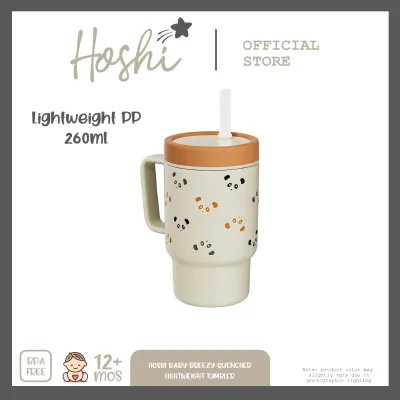
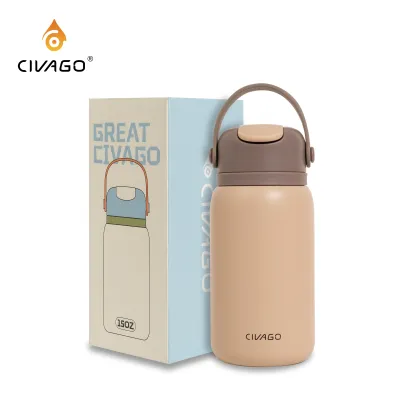
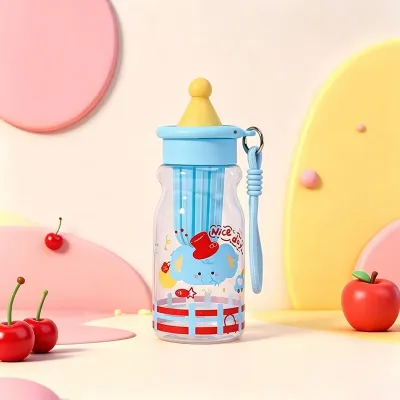
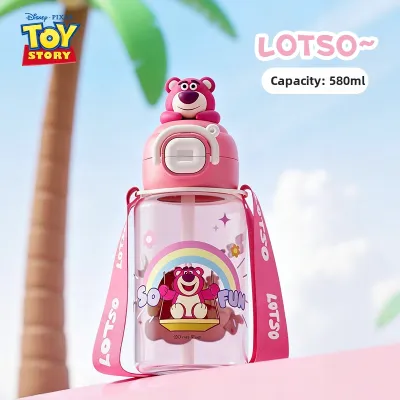
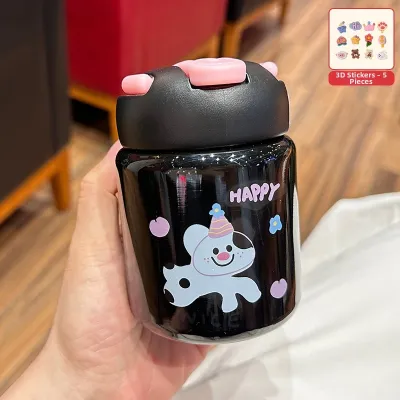
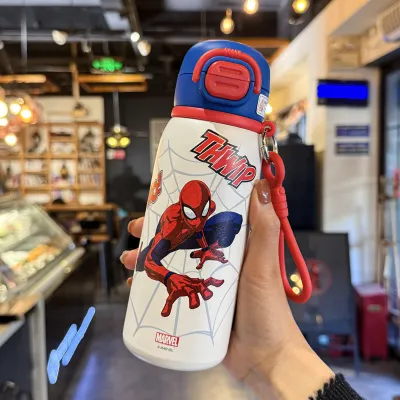
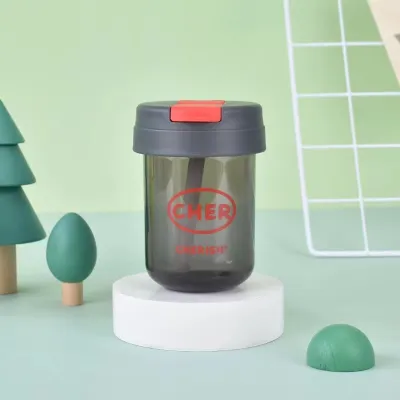
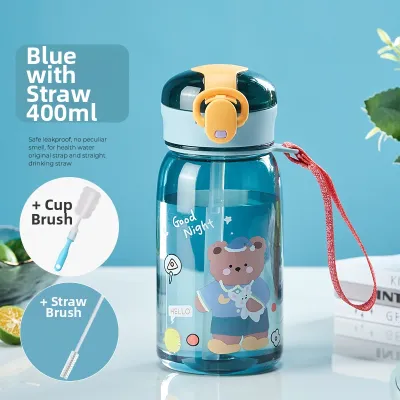
Prices are valid at publication and may change. Please refer to the product page for the latest price.
Even the most advanced valve will fail if the physical seal between the lid and the cup body is compromised. Parents should establish a habit of checking the silicone O-ring—the rubbery gasket inside the lid—before every use. Ensure this ring is seated completely flat in its designated groove without any twists, dirt, or gaps. Additionally, verify that the lid threads are aligned correctly when screwing it onto the tumbler. A misaligned or cross-threaded lid creates a microscopic gap that allows liquid to seep out under the pressure of a toddler’s grip.
Evaluating Straw Types and Weighted Base Features
Toddlers do not drink with the same upright posture as adults. They frequently tilt their cups backward, hold them sideways while playing, or try to drink while lying down. A standard straight straw will quickly lose contact with the liquid in these positions, leading to air intake and toddler frustration. A weighted straw tumbler for kids solves this issue by attaching a small, food-grade weight to the bottom of a highly flexible silicone straw. This weight responds to gravity, sliding to the lowest point of the cup and keeping the intake end of the straw submerged in the liquid regardless of the angle at which the cup is held.

When evaluating straw materials, parents must choose between soft silicone and hard plastic options. Soft silicone straws are highly flexible, making them ideal for weighted bases, and they are gentle on sensitive, teething gums. However, teething toddlers may chew on soft silicone, which can lead to rapid wear and tear. Hard plastic straws are far more durable against biting but lack the flexibility needed for a weighted base and can pose a minor safety hazard if a child falls while running with the cup in their mouth. Always consult the manufacturer’s guidelines to match the straw material with your child’s current teething habits.
Suction effort is another crucial factor that varies by developmental stage. Manufacturers typically specify an age range and flow rate for their tumblers. A cup designed for an older toddler may have a wider straw or a lower-resistance valve, whereas a cup for a younger infant starting weaning will have a more restrictive flow to prevent choking. Matching the cup’s specifications to your child’s age ensures they can drink comfortably without exerting excessive effort, which can cause them to reject the cup entirely.
Verifying Material Labels and Cleaning Specifications
Because a straw tumbler for kids is in direct contact with daily beverages, verifying the safety of its materials is a top priority. Parents should look for clear, official labels on the product packaging indicating that the tumbler is made from BPA-free, food-grade plastics (such as polypropylene) or food-grade silicone. Rather than relying solely on online product descriptions or marketing claims, verify these details on the physical packaging or the manufacturer’s official website.
In warm and humid environments, moisture trapped inside small cup components can quickly become a breeding ground for mold and bacteria. Therefore, a practical weaning tumbler must be fully disassemblable. Before purchasing, check if the straw, weighted base, silicone valves, and O-rings can be completely separated from the lid and cup body. If any part is permanently fused or difficult to reach with a standard straw brush, it poses a long-term hygiene risk.
Cleaning requirements also vary significantly by brand and material. Always review the manufacturer’s care instructions to determine which components are dishwasher-safe and which require hand-washing. High dishwasher temperatures can warp certain plastics or degrade delicate silicone valves over time, compromising their spill-proof capabilities. If hand-washing is required, using a dedicated set of small wire brushes is essential to thoroughly clean the interior of the straw and the tiny crevices of the valve.
At-Home Leak Testing and Wear Inspection Routine
Before handing a new or reassembled tumbler to your child, it is highly recommended to perform a simple at-home leak test. Fill the cup with water to the recommended fill line, secure the lid tightly, and turn it completely upside down over a kitchen sink. Give it a gentle shake. If water drips from the straw or the lid seam, disassemble the cup to check if the valve is properly seated or if the O-ring is twisted. This quick test prevents messy surprises on your floors or furniture.
Regular use, washing, and toddler biting will inevitably wear down silicone components over time. Establish a weekly inspection routine to check for wear, micro-tears, or stretching on the silicone valves and O-rings. Even a tiny tear in a cross-slit valve can destroy its vacuum seal, leading to constant leaks. If you observe persistent leaks despite correct assembly, or if you spot visible damage during your inspection, stop using those components immediately.
To maintain the cup’s integrity without buying an entirely new tumbler, check if the manufacturer offers replacement straw and valve kits. Replacing these worn parts regularly ensures the cup remains hygienic and completely spill-proof throughout your child’s weaning journey. If replacement parts are unavailable and the leak persists, it is time to replace the tumbler to ensure safe and mess-free drinking.
Frequently Asked Questions (FAQ)
Can a completely leak-proof valve make it too hard for a toddler to drink?
Yes, there is a direct trade-off between leak protection and ease of drinking. Highly restrictive valves, such as bite-and-suck or tight cross-slit designs, require coordinated oral motor skills and stronger suction. If your toddler struggles to get liquid out or becomes frustrated, check the manufacturer’s age guidelines. You may need to temporarily switch to a faster-flow valve or a softer silicone straw that matches their current developmental stage. Caregivers should supervise children during use to ensure they are drinking comfortably and not swallowing excess air.
When should I transition my toddler from a straw tumbler to an open cup?
Most toddlers show readiness for an open cup when they can sit upright independently, bring objects to their mouth with control, and show interest in drinking from your cup. This transition is usually gradual. You can introduce a small, open cup during supervised mealtimes at the family table to practice motor skills, while continuing to use a spill-proof straw tumbler for kids during active play, travel, or times when constant supervision is not possible.
Community discussion
Share your experience or ask a question. Comments are reviewed before publication.