
Choosing the right breast pump is one of the most critical decisions you will make during your breastfeeding journey. The ideal pump must seamlessly integrate into your daily routine, support your milk supply goals, and fit comfortably within your budget. Spectra has established itself as a highly trusted brand among mothers, offering medical-grade suction and user-friendly features. However, deciding between their three flagship models—the Spectra S1 Plus, the Spectra S2 Plus, and the Spectra 9 Plus—can feel overwhelming when you are trying to balance the demands of work, home, and baby care.
Your choice among these three popular models ultimately depends on your lifestyle, your daily pumping frequency, and where you plan to express milk. The Spectra S1 is the premier choice for mothers who need heavy-duty, hospital-grade suction combined with battery-powered portability, making it ideal for active lifestyles or offices without easily accessible power outlets. The Spectra S2 offers the exact same powerful motor and customizable settings as the S1 but at a lower price point because it requires a continuous connection to a wall outlet. Meanwhile, the Spectra 9+ is designed specifically for ultra-portability, serving as a lightweight, pocket-sized companion for occasional pumping, travel, or as a convenient backup pump.
Understanding how these models compare in real-world scenarios will help you avoid the frustration of purchasing a pump that does not align with your physical needs or daily schedule. By evaluating their differences in battery life, physical size, motor durability, and suction customization, you can confidently invest in a tool that protects your comfort and supports your breastfeeding goals over the long term.
Products mentioned in this guide
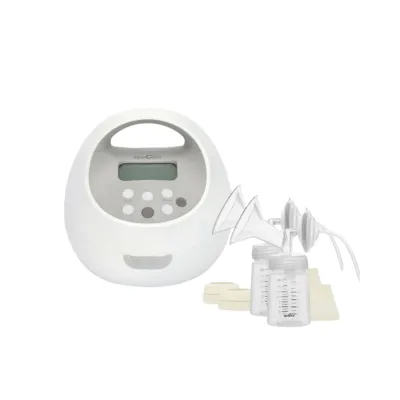
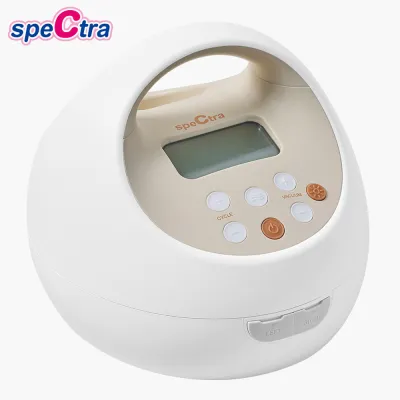
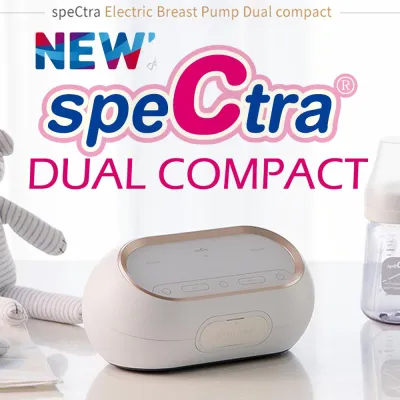
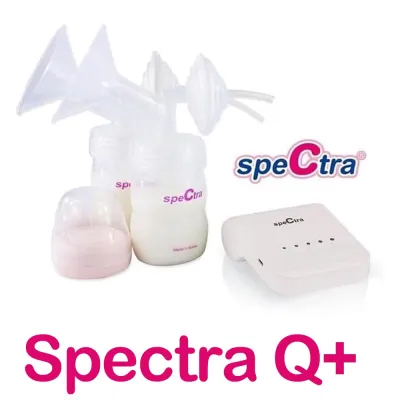
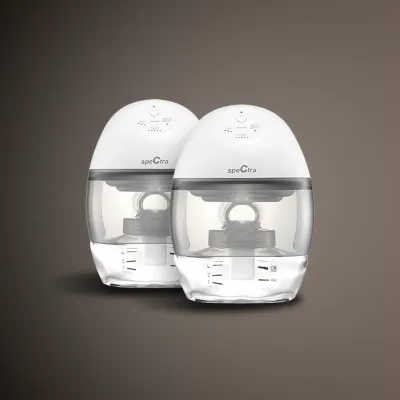
Prices are valid at publication and may change. Please refer to the product page for the latest price.
Core Specifications: Spectra S1 vs. S2 vs. 9+ at a Glance
Before diving into the detailed functional differences, it is helpful to examine the baseline technical specifications of each model. While the S1 and S2 share a nearly identical spherical design and motor output, the 9+ represents a completely different engineering approach focused on miniaturization. Comparing these core parameters side-by-side allows you to quickly identify which model fits your physical space and power requirements.
The following comparison table outlines the primary physical and functional characteristics of the Spectra S1, Spectra S2, and Spectra 9+:
| Feature | Spectra S1 Plus | Spectra S2 Plus | Spectra 9 Plus (9+) |
|---|---|---|---|
| Pump Type | Double/Single Electric | Double/Single Electric | Double/Single Electric |
| Power Source | Built-in Rechargeable Battery & Mains Power | Mains Power Only (Plug-in) | Built-in Rechargeable Battery & Mains Power |
| Weight | Approximately 1.21 kg | Approximately 0.91 kg | Approximately 0.24 kg |
| Max Suction Strength | Up to 270 mmHg | Up to 270 mmHg | Up to 260 mmHg |
| Adjustable Cycles | Yes (Independent of Vacuum) | Yes (Independent of Vacuum) | No (Cycles adjust automatically with vacuum) |
| Closed System | Yes (Physical Backflow Protector) | Yes (Physical Backflow Protector) | Yes (Physical Backflow Protector) |
Please note that package contents, included flange sizes, and exact weight specifications can vary depending on the specific retailer, manufacturing batch, or regional distributor. Before finalizing your purchase, always verify the exact package contents, warranty terms, and accessory compatibility listed on the manufacturer’s official label or the product listing of your chosen authorized retailer.
Portability and Power: Pumping on the Go vs. At Home
The presence of a built-in rechargeable battery is often the single most decisive factor for mothers choosing between the Spectra S1 and the Spectra S2. The Spectra S1 features an integrated lithium-ion battery that typically provides up to three hours of continuous pumping on a single charge. In the Philippines, where daily life often involves navigating long commutes in heavy traffic, managing hybrid work setups, or preparing for unexpected power outages (brownouts) during the rainy season, a battery-powered pump provides invaluable peace of mind. With the S1, you can pump comfortably in the back of a car, in an office lactation room that lacks convenient outlets, or even during a power interruption at home.

In contrast, the Spectra S2 operates strictly on mains power, meaning it must be plugged into an active electrical outlet at all times during use. While this tethered design limits your physical mobility, it is perfectly suited for stationary environments. If you plan to pump primarily in a dedicated nursery corner at home or have a fixed desk at work with an easily accessible wall socket, the S2 is an incredibly reliable workhorse. You will never have to worry about charging cycles, battery degradation over time, or running out of power mid-session.
The Spectra 9+ takes portability to an entirely different level by packing a rechargeable battery into a highly compact, rectangular chassis that weighs less than a quarter of a kilogram. While the S1 and S2 are bulky, spherical units with a built-in handle that require a dedicated tote bag, the 9+ can easily fit into a standard handbag, diaper bag, or even a deep pocket. This makes the 9+ the ultimate travel companion for mothers who need to express milk discreetly while running errands, traveling, or attending meetings.
However, the physical footprint of each pump also dictates how you interact with your environment. The S1 and S2 feature a built-in bottle holder on the back of the casing, which helps prevent accidental spills of freshly expressed milk—a common and heartbreaking occurrence for tired parents. The slim profile of the 9+ lacks this physical holder, requiring you to find a flat, stable surface to secure your bottles immediately after pumping. When choosing your model, consider whether you prefer the absolute lightweight freedom of the 9+ or the sturdy, self-contained design of the larger S1 and S2 models.
Suction and Frequency: Matching Your Milk Supply Goals
To choose the right breast pump, you must align the machine’s motor capability with your physiological needs and pumping frequency. The Spectra S1 and S2 are classified as hospital-grade style pumps, meaning they are powered by robust, heavy-duty motors engineered to withstand multiple daily sessions without experiencing a drop in vacuum performance. These motors deliver a highly consistent suction pattern that mimics a baby’s natural nursing rhythm. If you are an exclusive pumper—expressing milk 8 to 12 times a day to sustain your baby’s entire nutritional intake—or if you are actively working to establish, protect, or increase your milk supply, the S1 or S2 is highly recommended due to its superior motor durability.
The Spectra S1 and S2 also offer advanced customization through independent cycle and vacuum controls. These models feature a dedicated “Massage Mode” (operating at a fast, shallow speed of 70 cycles per minute) to stimulate your letdown reflex, and an “Expression Mode” where you can manually adjust both the speed (from 38 to 54 cycles per minute) and the suction strength (up to 12 levels). This level of control is highly beneficial because every mother’s body responds differently to vacuum speed and pressure. Finding the precise combination of speed and suction that triggers your milk flow can significantly increase the volume of milk you express while preventing nipple discomfort.
In comparison, the Spectra 9+ utilizes a smaller, personal-use motor that is optimized for convenience rather than heavy-duty, continuous daily use. While the 9+ still offers a respectable maximum suction strength of up to 260 mmHg, its control interface is simplified. When you increase the suction level on the 9+, the cycle speed automatically decreases. This linked system means you cannot customize the cycle speed independently of the vacuum strength. For occasional pumping, building a modest freezer stash, or relieving engorgement while away from your baby, this simplified interface is highly effective; however, it may not provide the precise adjustments needed by mothers with sensitive nipples or those struggling with low milk supply.
Regardless of which model you choose, your pumping experience should never be painful. High suction levels do not automatically equate to more milk; in fact, experiencing pain during pumping can trigger stress hormones that actively inhibit your letdown reflex. Always start your session on a low suction level in massage mode, transition to expression mode once your milk begins to flow, and adjust the settings only to your maximum comfortable level. If you experience persistent pain, localized swelling, or a sudden, unexplained drop in your milk supply, stop using the pump and immediately consult a certified lactation consultant or your healthcare provider to design a personalized feeding and pumping plan.
Budget and Value: Weighing the Cost of Each Model
When evaluating the financial investment of a breast pump, it is essential to look beyond the initial purchase price and consider the long-term value, durability, and cost of maintenance. In the Philippines, Spectra pumps are positioned across distinct price tiers. The Spectra S2 is generally the most budget-friendly entry point among the hospital-grade style models. Because it lacks an internal battery, the manufacturing costs are lower, allowing parents to access top-tier suction performance and motor durability at a highly competitive price. If you do not mind being close to a power outlet, the S2 offers the absolute best value for money in terms of milk extraction efficiency.
The Spectra S1 sits in a mid-to-high price tier, commanding a premium due to its high-capacity rechargeable battery and the sheer convenience it provides. For many working mothers, the extra cost of the S1 is quickly justified by the freedom it offers to pump anywhere without hunting for electrical outlets. The Spectra 9+ occupies a unique budget niche; while it is often priced similarly to or slightly below the S2, its value lies entirely in its specialized role as an ultra-portable secondary pump. Purchasing the 9+ as your sole pump is only cost-effective if your pumping needs are light or temporary.
Beyond the pump motor itself, you must factor in the ongoing cost and availability of replacement parts. Breast pump components are subject to wear and tear from frequent use, high tropical humidity, and regular sterilization. Key parts that require periodic replacement to maintain optimal suction include:
- Silicone Duckbill Valves: These small valves control the direction of milk flow and should be replaced every 1 to 3 months depending on pumping frequency.
- Backflow Protector Membranes: These silicone diaphragms prevent moisture and milk from entering the pump tubing, maintaining a hygienic closed system. They should be replaced every 3 to 6 months.
- Pump Tubing: While air-only passes through the tubing in a closed system, the plastic can stretch or degrade over time, requiring replacement if it becomes loose.
To ensure your investment is protected, always purchase your Spectra pump and replacement accessories from authorized physical baby stores or official online flagship stores in the Philippines. Buying from authorized channels guarantees that the materials used in the flanges and valves are genuine, medical-grade, and free from harmful chemicals like BPA. Furthermore, authorized purchases secure a valid local warranty, which is crucial for resolving any unexpected motor or battery issues without incurring high repair or shipping costs.
Final Decision Framework: Which Spectra Pump Fits You?
To make your final decision, evaluate your daily routine, physical environment, and breastfeeding goals against the specific strengths of each model. This framework simplifies the choice by matching your lifestyle directly to the ideal Spectra pump.
Choose Spectra S1 if:
- You are an exclusive pumper or pump multiple times a day to maintain your milk supply.
- You commute regularly, travel, or work in an environment where finding an available wall outlet is difficult or inconvenient.
- You want the peace of mind of a built-in rechargeable battery to cope with potential power outages or outdoor activities.
- You have the budget to invest in maximum portability without sacrificing hospital-grade motor customization and power.
Choose Spectra S2 if:
- You primary pump at home, have a dedicated nursery setup, or work in an office with a reliable desk space and nearby power outlets.
- You require a heavy-duty, hospital-grade motor to establish or maintain your milk supply but want to keep your initial expenses low.
- You do not mind being tethered to a wall outlet during your pumping sessions.
- You appreciate a sturdy pump design with a built-in bottle holder to prevent accidental spills.
Choose Spectra 9+ if:
- You only pump occasionally, such as once or twice a day, to build a modest milk stash, relieve engorgement, or supplement direct breastfeeding.
- You prioritize ultra-portability and need a pump that can slip easily into a small handbag or pocket for discreet travel.
- You already own a robust hospital-grade pump at home and require a lightweight, secondary pump specifically for commuting or quick trips.
- Your milk supply is already well-established, and your body responds easily to a simplified suction and cycle interface.
Verify first if:
Before purchasing any model, verify your correct flange size. Spectra pumps typically ship with standard 24mm or 28mm flanges, but using an incorrectly sized flange can lead to friction, pain, clogged ducts, and reduced milk output. Measure the diameter of your nipple base (excluding the areola) before buying, and consider purchasing alternative flange sizes if the standard options do not match your anatomy. If you experience persistent discomfort or are unsure about your specific pumping needs, consult a professional lactation specialist for personalized guidance.
Frequently Asked Questions (FAQ)
Are Spectra breast pumps covered by health insurance or HMOs in the Philippines?
In the Philippines, standard health insurance policies and Health Maintenance Organization (HMO) plans generally do not cover the purchase or rental of breast pumps as a standard maternity benefit. However, coverage can vary widely depending on your specific corporate account, employer-provided benefits, or premium insurance riders. It is highly recommended that you contact your company’s Human Resources department or your HMO customer service representative directly to inquire about potential wellness reimbursements, flexible spending accounts, or accredited medical equipment partners that might subsidize your breastfeeding essentials.
Can I use the same flanges and parts across the S1, S2, and 9+?
Yes, Spectra utilizes a highly standardized design across its product ecosystem, meaning that many core accessories are cross-compatible. The wide-mouth flanges, backflow protectors, silicone duckbill valves, and collection bottles can be shared among the Spectra S1, S2, and Spectra 9+. However, the tubing connection can sometimes differ slightly in fit tightness, and the power adapters are absolutely not interchangeable due to differing voltage and current requirements between the larger hospital-grade models and the compact 9+. Always consult your product manuals or verify compatibility with an authorized retailer before using third-party accessories or mixing power cords.
Is the Spectra 9+ strong enough for exclusive pumping?
While the Spectra 9+ is a highly capable and efficient personal-use pump, it is generally not recommended as the primary, sole pump for exclusive pumpers. Exclusive pumping requires expressing milk 8 to 12 times a day, which places a massive workload on a pump motor. The compact motor of the 9+ is designed for lighter, intermittent use and may wear out faster under the intense demands of exclusive pumping compared to the heavy-duty motors of the S1 and S2. If you are exclusively pumping, investing in the S1 or S2 as your primary workhorse will provide the motor durability, cycle customization, and consistent suction needed to sustain your supply over several months or years.

Community discussion
Share your experience or ask a question. Comments are reviewed before publication.