
Choosing the right breast pump is one of the most significant decisions you will make during your breastfeeding journey. The right device supports your milk supply, offers flexibility in your daily schedule, and ensures you can comfortably express milk whether you are at home, in the office, or traveling. Among the most popular options on the market are the Spectra S1, Spectra S2, and Spectra 9 Plus. While all three models utilize the brand’s signature closed-system technology designed to prevent backflow, they are built for very different lifestyles and pumping routines.
Finding the perfect match requires looking closely at your daily environment, how often you plan to pump, and your budget. A model that works wonderfully for a stay-at-home parent might not be the most practical choice for a mother who commutes daily through busy city transit. By understanding the structural differences, power configurations, and portability of each model, you can make an informed decision that fits seamlessly into your life. Before finalizing your purchase, always verify the latest specifications, package inclusions, and warranty terms on the official product packaging or through authorized local retail listings.
Core Differences and Specifications to Verify
To understand which pump aligns with your daily routine, it is helpful to compare their primary design characteristics. The table below outlines the fundamental differences in power sources, portability, and typical use cases for the Spectra S1, S2, and 9 Plus.
Products mentioned in this guide
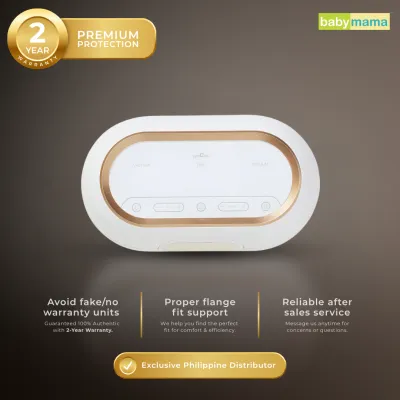
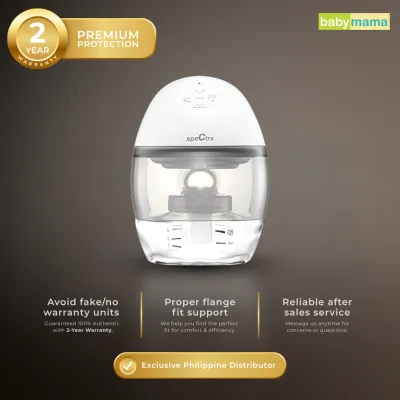
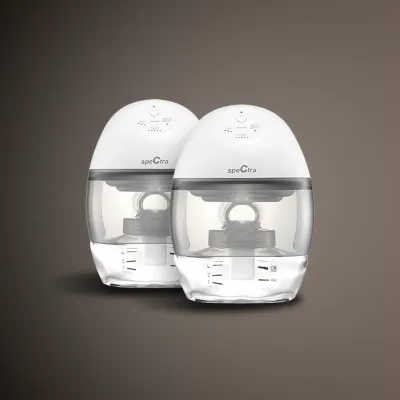
Prices are valid at publication and may change. Please refer to the product page for the latest price.
| Model | Power Source Type | Portability Design | Typical Use Case |
|---|---|---|---|
| Spectra S1 | Built-in rechargeable battery & plug-in | Medium-sized tabletop unit with integrated handle | Frequent pumping with high mobility around the home or office |
| Spectra S2 | Plug-in only (requires active power outlet) | Medium-sized tabletop unit with integrated handle | Stationary pumping near a dedicated power source |
| Spectra 9 Plus | Built-in rechargeable battery & plug-in | Compact, pocket-sized handheld unit | On-the-go pumping, travel, and occasional mobile use |
While this table provides a general overview, you should always verify the exact technical specifications on the manufacturer’s label or official product documentation before purchasing. Key details to check include:
- Exact Weight: Tabletop models are heavier and require more space in a diaper bag, whereas compact models are designed to be lightweight and highly packable.
- Battery Life and Charging Time: If you choose a rechargeable model, verify the estimated operating hours per full charge and the required charging time to ensure it matches your daily commute or work shift.
- Suction Levels and Cycle Modes: Check the range of vacuum strength (measured in mmHg) and cycle speeds available in both expression and massage modes to ensure the pump offers the adjustability you need for comfortable expression.
- Voltage Compatibility: If you plan to travel internationally or purchase from an overseas distributor, verify whether the power adapter supports dual voltage (100-240V) or is limited to local voltage standards.
Additionally, pay close attention to how these models are classified. Many retailers refer to the S1 and S2 as “hospital-grade” pumps. However, you should check the manufacturer’s current packaging and local regulatory labels to confirm their official classification. In many contexts, “hospital-grade” indicates a heavy-duty motor designed for multiple users (with separate personal collection kits), whereas personal-use pumps are intended for a single user. Understanding these distinctions ensures you select a pump that safely and effectively meets your physiological needs.
Matching the Pump to Your Lifestyle and Pumping Frequency
Your daily routine and how often you plan to express milk should be the primary drivers of your decision. If you are returning to work and commuting daily, portability becomes a major factor. Navigating public transportation or driving in warm, humid tropical conditions requires a setup that is easy to carry and quick to assemble. For those who primarily pump at home, a stationary tabletop unit like the Spectra S2 offers reliable performance without the added cost of a built-in battery, provided you have a comfortable, dedicated pumping space near an electrical outlet.

If you are an exclusive pumper—meaning your baby receives expressed milk for almost every feed—you will likely require a robust motor that can withstand multiple sessions a day without losing efficiency. Tabletop models like the S1 and S2 are generally engineered for frequent, heavy-duty use, making them highly suitable for parents building or maintaining a full milk supply. On the other hand, if you only pump occasionally to relieve engorgement, build a modest freezer stash, or allow a partner to feed the baby, the compact Spectra 9 Plus offers a highly convenient, space-saving alternative that easily slips into a handbag.
Regardless of the model you choose, achieving a comfortable and efficient pump depends heavily on proper flange sizing. The flange is the breast shield that fits over your nipple; an incorrect fit can cause friction, pain, and reduced milk output. Spectra pumps typically come with standard flange sizes, but these may not fit everyone. Before your first session, measure your nipple diameter according to the manufacturer’s sizing guide and check the compatibility of alternative flange sizes. Using a flange that is too large or too small can damage delicate breast tissue and compromise your pumping experience.
Budget, Warranty, and Long-Term Value
When evaluating the cost of a breast pump, it is important to look beyond the initial purchase price. In the Philippines, retail prices in ₱ can vary significantly depending on whether you buy from an authorized local distributor, a specialized baby boutique, or an online marketplace. While importing a unit or buying from an unauthorized seller might offer a lower upfront price, it often leaves you without a valid local warranty. A reliable warranty is crucial for an electrical appliance that you will rely on daily, so always verify the warranty terms, duration, and the location of authorized service centers before making your decision.
Long-term value also depends on the availability and cost of replacement parts. Breast pump components are subject to wear and tear from regular use, heat, and cleaning. To maintain optimal suction and hygiene, you will need to periodically replace consumable parts, including:
- Silicone Valves: These small parts stretch and lose elasticity over time, directly impacting suction strength.
- Backflow Protectors: These physical barriers prevent moisture and milk from entering the tubing and motor, which is especially critical in humid climates to prevent mold growth.
- Tubing: While tubing does not touch breast milk directly, it can collect dust or moisture and must be replaced if it becomes soiled or damaged.
Before purchasing a specific model, check how easily you can source these replacement parts locally. Additionally, consider the cost of optional accessories that can improve your pumping routine. Hands-free pumping bras, specialized travel bags, and extra bottle sets can add convenience but will increase your overall investment. Weighing these ongoing costs alongside the initial price of the pump will help you choose a model that offers true long-term value.
Decision Framework: Which Model Should You Choose?
To finalize your decision, consider this straightforward, conditional framework based on your specific lifestyle needs and constraints:
- Choose the Spectra S1 if you require a heavy-duty, highly adjustable pump for frequent or exclusive pumping, and you need the freedom to pump anywhere without being tethered to a wall outlet. This model is ideal if you move around the house, travel frequently, or experience occasional power interruptions.
- Choose the Spectra S2 if you want the same robust motor and adjustability as the S1 but plan to pump primarily in a fixed location near an active power outlet. Selecting this model allows you to save on the upfront cost associated with a built-in rechargeable battery.
- Choose the Spectra 9 Plus if portability, discretion, and a lightweight design are your absolute priorities. This model is best suited for occasional pumping, commuting, or as a secondary travel pump to complement a larger tabletop unit.
- Verify first if you have specific medical requirements, need to confirm hospital-grade suction standards, or require specialized flange sizes. Always consult a lactation consultant or healthcare professional if you need personalized guidance on maintaining your milk supply or addressing physical discomfort.
Frequently Asked Questions (FAQ)
Can I use the same flanges and bottles across the S1, S2, and 9 Plus?
Yes, many of the core accessories are interchangeable, but you must verify the connection types on the product packaging. The Spectra S1, S2, and 9 Plus typically use wide-neck bottles and compatible backflow protectors. However, connection styles and accessory designs can vary by manufacturing year or region. Before purchasing third-party bottles, storage bags, or adapter rings, check the manufacturer’s compatibility charts to ensure a secure, leak-free fit that prevents spilled milk and maintains proper suction.
How do I clean and maintain the motor unit versus the pumping parts?
Proper hygiene is essential to protect your baby’s health and maintain your pump’s performance. The motor unit and the silicone tubing must never be washed, submerged in water, or placed in a sterilizer, as moisture can damage the internal electronics and void the warranty. If the exterior of the motor unit needs cleaning, wipe it down with a damp cloth. All washable parts—such as flanges, valves, backflow protector membranes, and bottles—should be disassembled, washed in warm soapy water, rinsed thoroughly, and allowed to air dry completely in a clean area. Always refer to your user manual for specific sterilization guidelines and temperature limits.
What should I do if the suction feels weak or uncomfortable?
If you experience weak suction, perform a visual check of all physical connections. Inspect the silicone valves and backflow membranes for tiny tears, warping, or debris, as even a microscopic stretch can cause a significant drop in vacuum pressure. Ensure the tubing is pushed firmly onto both the motor and the backflow protectors, and check for any trapped moisture inside the tubes. If pumping feels uncomfortable or painful, stop using the device immediately. Pain is often a sign of incorrect flange sizing or excessively high vacuum settings. Consult a certified lactation consultant or a healthcare professional to address ongoing discomfort and ensure safe, effective milk expression.

Community discussion
Share your experience or ask a question. Comments are reviewed before publication.