
Finding the right sleeping arrangement for your infant is one of the most critical decisions you will make as a parent. When you are living in a compact apartment or a high-rise condominium in the Philippines, this decision is further complicated by real estate constraints. The ideal solution is a portable baby bed that maximizes floor space without compromising on infant sleep safety. For small homes, the most effective options are compact bedside sleepers that utilize existing bedroom footprints and lightweight, foldable travel cribs that can be packed away when not in use. Balancing space-saving designs with rigorous safety standards ensures your baby’s sleep environment is both practical and secure.
Assessing Your Nursery Space and Safety Needs
Living in modern Philippine urban centers often means navigating studio units, one-bedroom apartments, or compact multi-purpose rooms. In these settings, every square meter counts, and traditional, bulky wooden cribs are frequently impractical. However, the pressure to save space must never overshadow established safe sleep guidelines. The primary rule of infant sleep safety remains absolute: babies must sleep on a firm, flat surface free of loose bedding, pillows, or soft toys, with highly breathable mesh walls to ensure adequate airflow.
When selecting a portable baby bed, you must evaluate three primary spatial dimensions: the active footprint when the bed is fully assembled, the storage footprint when it is collapsed, and the ease of moving the unit between rooms. By prioritizing these criteria, you can maintain a safe sleep environment while keeping your living space functional and clutter-free.
Products mentioned in this guide


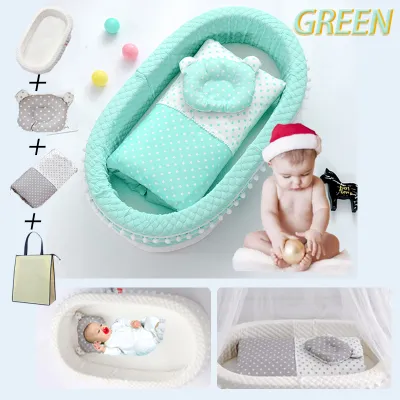
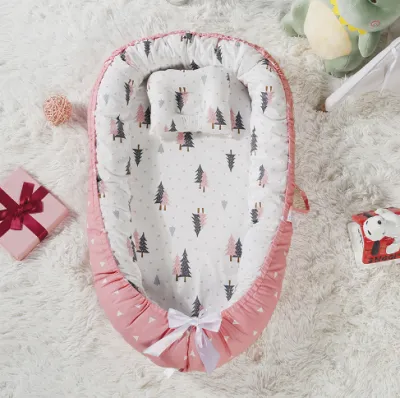
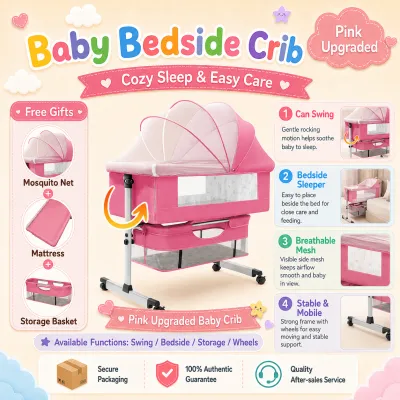
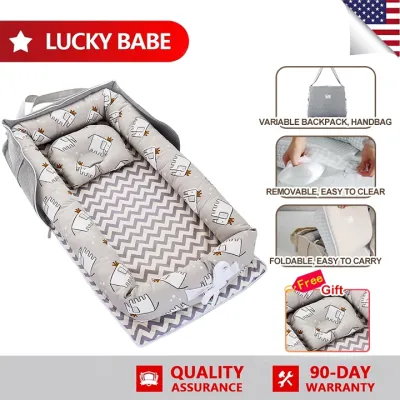
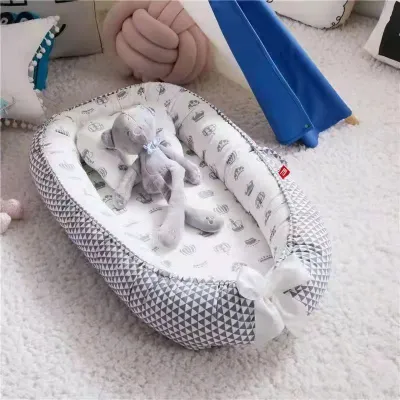
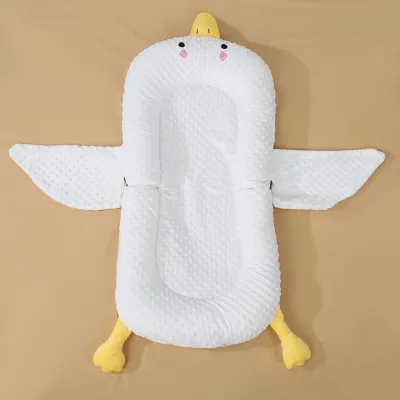
Prices are valid at publication and may change. Please refer to the product page for the latest price.
Essential Features for Compact Portable Baby Beds
To make an informed purchase, you must look beyond aesthetic appeal and focus on structural features that directly address the challenges of compact living. A well-designed portable bed should serve your child’s needs while adapting effortlessly to your daily routine and spatial limits.

Foldability and Storage Footprint
The defining characteristic of a truly portable baby bed is its ability to shrink when not in active use. Before purchasing any model, you should carefully review the manufacturer’s specifications for its collapsed or folded dimensions. Compare these measurements directly against your designated storage areas, such as the narrow gap beside your wardrobe, the space underneath an adult bed, or inside a small hallway closet.
For parents managing a baby and household chores simultaneously, a quick-fold or one-handed folding mechanism is highly advantageous. Some models feature a central pull-tab or simple push-button releases that allow you to collapse the frame in seconds. Additionally, you must verify the weight of the folded unit. If you live in a walk-up apartment or need to move the bed frequently between rooms, a lightweight frame—typically under 10 kilograms—will prevent physical strain and make daily transitions much more manageable.
Multi-Functional Designs
In a small apartment, furniture that serves only one purpose can quickly feel like a waste of space. Many modern portable baby beds incorporate multi-functional features, such as integrated changing tables, storage organizers, or convertible rocking bases. These additions can eliminate the need to purchase separate changing stations or storage drawers, keeping your nursery footprint to a minimum.
However, you must exercise caution when evaluating these multi-functional add-ons. Always measure the total operational footprint of the bed when all accessories, such as an overhanging changing pad or side-mounted diaper caddy, are fully deployed. A bed that fits perfectly in a corner might suddenly block a walkway once the changing station is flipped into place. Furthermore, because multi-functional beds rely on complex joints, hinges, and attachment clips, you must regularly inspect these moving parts for wear, stability, and secure locking to ensure your baby’s safety during high-use daily routines.
How to Measure Your Room and Clearances
To avoid the frustration of buying a bed that does not fit your home, you must conduct a thorough spatial assessment before making a final decision. This requires a systematic approach to measuring both your living areas and the physical pathways within your apartment.
Step-by-Step Measuring Guide
- Measure the placement area: Use a reliable tape measure to map out the exact floor area where the bed will sit. Write down the length and width of this space.
- Measure the access paths: Measure the distance from the main entry door to the sleeping area. Ensure there is enough room to carry the bed through without scraping walls.
- Measure all doorways: Check the width of every doorway, hallway, and tight corner the bed must pass through if you plan to roll or carry it assembled between rooms.
Mandatory Clearance Rules
- Caregiver access: Ensure you leave at least 60 centimeters of clear space on at least one side of the bed. This allows you to stand, bend, and lift your baby safely without hitting walls or adjacent furniture.
- Environmental hazards: Never place the bed directly underneath an air conditioning vent, as direct drafts can cause rapid temperature fluctuations for your baby. Similarly, keep the bed away from the direct path of oscillating ceiling fans.
- Window safety: Maintain a distance of at least one meter from windows, window blind cords, electrical outlets, baby monitor cables, and heavy shelving units to eliminate strangulation and falling hazards.
Accounting for the In-Use Footprint Many parents make the mistake of only measuring the physical frame of the bed. You must also account for the space you occupy while interacting with your child. If you have to squeeze into an awkward posture to lift your baby, you increase the risk of slips or back strain. Additionally, ensure that you always convert all measurements to a single unit—such as centimeters or inches—before comparing product specifications with your room dimensions to prevent costly mathematical errors.
Best Types of Portable Beds for Small Spaces
Different portable bed designs cater to distinct spatial layouts and parenting styles. Understanding the strengths and limitations of each type will help you select the option that aligns best with your condo or apartment layout.
Foldable Travel Cribs and Playards
Foldable travel cribs, often referred to as playards or pack-and-plays, are highly versatile options for multi-purpose rooms. During the day, they can serve as a secure play area or a spot for supervised naps, and at night, they can transition into a primary sleep space. When you need to reclaim your living room floor space for hosting guests or cleaning, these units can be collapsed and tucked away completely.
When shopping for a playard for a small space, prioritize models with a streamlined external frame. Some compact travel cribs are designed with angled legs that flare outward; while this provides excellent stability, it also increases the overall footprint, so check the floor-level dimensions rather than just the top opening. Additionally, you must verify that the mattress thickness and firmness comply strictly with the manufacturer’s guidelines. Never add aftermarket mattresses or soft toppers to a portable playard, as improper mattress sizing can create dangerous gaps where an infant could become trapped.
Bedside Sleepers and Co-Sleepers
Bedside sleepers are specialized co-sleeping cribs designed to position your baby directly next to your bed. These units typically feature a drop-down side panel and secure straps that anchor the sleeper directly to the adult bed frame. This design is incredibly space-efficient because the base legs often slide directly underneath the adult bed, utilizing what would otherwise be dead space.
To ensure compatibility, you must measure the height of your adult mattress from the floor and check the clearance underneath your bed frame. Most bedside sleepers offer adjustable height settings, but you must verify that one of these settings aligns perfectly with your mattress height according to the manufacturer’s safety instructions. It is critical to stop using a bedside sleeper and transition your baby to a different sleep environment as soon as they show signs of rolling over, pushing up on their hands and knees, or reaching the manufacturer’s specified weight limit, which is typically around 9 kilograms.
Common Sizing and Placement Mistakes to Avoid
Even with careful planning, several common spatial pitfalls can compromise both the safety of your baby and the functionality of your home. Being aware of these mistakes will help you design a safer, more efficient layout.
- Mistake 1: Ignoring Door and Hallway Widths: Many portable beds feature wheels to allow easy transport from the bedroom to the living room. However, if the assembled width of the bed is wider than your interior doorways—which are often narrower in older Philippine apartments—you will be forced to disassemble the bed every time you change rooms, defeating the purpose of its portability.
- Mistake 2: Placing the Bed in Corners with Poor Ventilation: Tucking a baby bed deep into a corner or behind a wardrobe might seem like an excellent way to save space, but it can create dead zones with stagnant air. In a tropical climate like the Philippines, poor ventilation can lead to localized heat buildup, increasing the risk of overheating. Ensure there is consistent, gentle airflow around the entire perimeter of the bed.
- Mistake 3: Choosing Ultra-Compact Models That Compromise Stability: While a tiny footprint is appealing, some generic, uncertified "micro" beds sacrifice structural integrity or mattress firmness to achieve their small size. A mattress that is too soft or a frame that wobbles when the baby moves poses severe safety risks. Always prioritize structural safety and certified compliance over extreme space savings.
- Mistake 4: Failing to Account for Door Swing Radii: Before finalizing the position of your baby's bed, test the full swing path of all nearby doors, including bedroom doors, closet doors, and cabinet drawers. A swinging door that strikes the side of a baby bed can startle or injure your child, or block your quick exit during an emergency.
Safety Verification and Daily Maintenance
Owning a portable baby bed requires ongoing vigilance to ensure it remains a safe environment for your child. In the tropical, high-humidity climate of the Philippines, maintenance routines must be adapted to protect both the product’s structural integrity and your baby’s health.
Safety Verification Steps
- Check certifications: Look for clear product labels and manufacturer documentation indicating compliance with international safety standards (such as EN, ASTM, or local DTI guidelines).
- Inspect moving parts: Before every use, verify that all folding joints, locking buttons, and zipper attachments are fully engaged and secure.
- Assess the mattress fit: Ensure there are no gaps wider than two fingers between the mattress edge and the mesh walls to prevent entrapment.
The high humidity typical of Philippine weather creates an ideal breeding ground for mold and dust mites. To prevent mold accumulation, you should regularly air out the mattress and wipe down the frame. If your apartment lacks natural cross-ventilation, consider using a compact dehumidifier or running your air conditioner on dry mode to control ambient moisture.
When cleaning the fabric parts or mesh sides, strictly follow the manufacturer’s care instructions. Never use harsh chemical cleaners or bleach unless explicitly approved by the manufacturer, as these can degrade the flame-retardant properties of the fabric or weaken the structural mesh. Always allow all components to dry completely in a well-ventilated area before reassembling the bed to prevent musty odors and fabric rot.
Frequently Asked Questions (FAQ)
Can a portable baby bed completely replace a standard crib?
While high-quality portable baby beds offer excellent temporary or short-term sleep solutions, they are generally not designed to replace a standard crib indefinitely. Portable beds typically have lower weight and height limits, and their fabric sides and lightweight frames are less durable over years of continuous use. You must monitor your baby’s developmental milestones closely; once your child can roll over, push up on their hands and knees, or reach the manufacturer’s specified weight limit, you must transition them to a standard crib or a toddler bed to prevent falls.
How do I prevent mold on a portable baby bed in a humid climate?
To prevent mold growth in humid environments, ensure the room remains well-ventilated by keeping windows open during dry days or using an electric fan to maintain airflow. Regularly inspect the mattress bottom and fabric seams for any dampness or musty smells. Always follow the manufacturer’s washing and drying guidelines precisely, ensuring the mattress cover and fabric liners are 100% dry before placing them back on the frame, as trapped moisture inside the core can rapidly lead to mold development.

Community discussion
Share your experience or ask a question. Comments are reviewed before publication.