
In tropical environments like the Philippines, where warm temperatures and high humidity persist throughout the year, insect encounters are an unavoidable part of daily life. For parents of infants, managing the discomfort of mosquito and other insect bites is a frequent challenge. A baby’s skin is significantly thinner and more delicate than adult skin, making it highly reactive to the proteins found in insect saliva. While many parents turn to skincare oils to help soothe the resulting redness and irritation, selecting the right product requires careful consideration. The ideal soothing oil must protect the compromised skin barrier without causing clogged pores, heat rash, or allergic sensitization.
Recognizing Insect Bite Reactions on Sensitive Skin
Understanding how infant skin reacts to insect bites is the first step in providing safe, effective care at home. When an insect bites, it injects saliva containing anticoagulant proteins that trigger a localized immune response. In babies, this reaction often appears as a raised, red bump, known as a wheal, which can swell more dramatically than a similar bite on an adult. The surrounding skin may look flushed, feel slightly warm to the touch, and become firm. Because infants cannot verbally express their discomfort, parents must look for behavioral changes that signal itching and irritation. A baby dealing with an uncomfortable bite may exhibit increased fussiness, difficulty settling down for naps, or disrupted nighttime sleep. You might also observe them rubbing the affected area against their bedding, clothing, or your body in an attempt to find relief.
While most localized reactions are harmless and resolve naturally within a few days, parents must remain vigilant for signs that require professional medical attention. In warm, humid climates, scratching a bite with fingernails can easily break the skin, introducing bacteria and leading to secondary infections such as impetigo or cellulitis. If you notice the redness spreading rapidly, the area becoming increasingly hot to the touch, or the development of blisters filled with yellow pus, these are clear indicators of an infection that requires a pediatrician’s evaluation. Additionally, systemic symptoms such as a fever, lethargy, swelling of the face or mouth, or any difficulty breathing are medical emergencies that require immediate professional care. Monitoring the bite site closely during the first 24 to 48 hours ensures you can intervene quickly if the reaction progresses beyond typical mild irritation.
Products mentioned in this guide
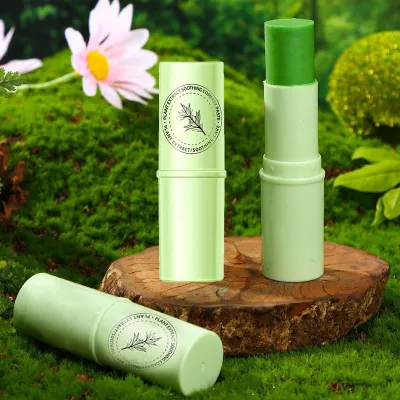
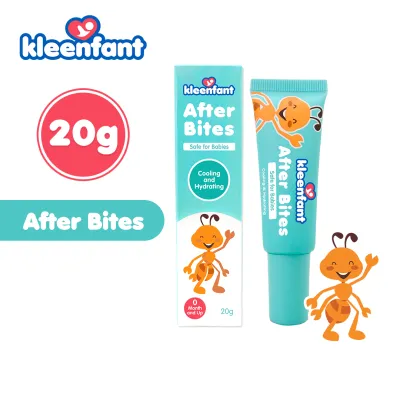
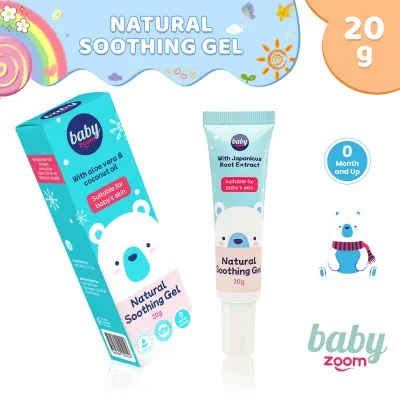
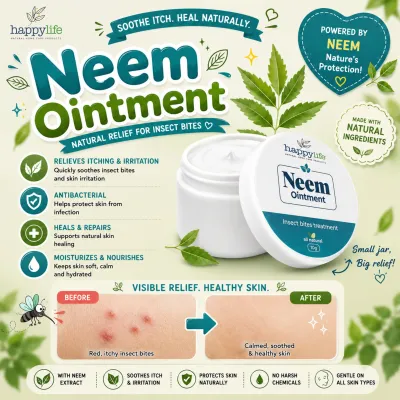
Prices are valid at publication and may change. Please refer to the product page for the latest price.
Core Safety Standards for Choosing Baby Oils
When selecting a skincare oil to soothe your baby’s skin, safety standards must always guide your purchasing decisions. The most critical step is to verify the manufacturer’s age-specific labeling and warnings on the product packaging. Many topical products that are perfectly safe for toddlers or older children contain concentrations of ingredients that are unsuitable for newborns or infants under six months of age. Always read the label to ensure the product is approved for your baby’s specific developmental stage and weight range, and strictly adhere to any usage limitations provided by the manufacturer.

To minimize the risk of contact dermatitis and skin sensitization, prioritize formulations that are fragrance-free, dye-free, and hypoallergenic. Synthetic fragrances and artificial colorants are among the most common triggers for allergic reactions on sensitive infant skin, especially when applied to areas where the skin barrier is already compromised by an insect bite. Even natural fragrances derived from essential oils can cause significant irritation. It is a vital safety rule to never apply pure, undiluted essential oils—such as tea tree, lavender, or eucalyptus oil—directly to an infant’s skin. These highly concentrated botanical extracts can be easily absorbed through a baby’s thin skin, potentially causing localized chemical burns, systemic toxicity, or respiratory distress. Any use of essential oils or botanical remedies on infants should only be undertaken under the direct supervision and explicit guidance of a qualified healthcare professional.
Navigating Ingredient Labels: What to Check
Reading and understanding the ingredient list on a baby oil bottle is the most reliable way to ensure you are choosing a safe, supportive product. The foundation of any baby oil is its carrier oil, which acts as an emollient to soften the skin and lock in moisture. Highly refined mineral oil is a widely utilized carrier because it is highly inert, meaning it does not easily oxidize or trigger allergic reactions, making it exceptionally safe for sensitive skin. Alternatively, gentle plant-based carrier oils, such as sunflower seed oil or jojoba oil, are excellent choices that help support the skin’s natural lipid barrier. However, in hot and humid tropical climates, heavy or highly occlusive oils should be used sparingly, as they can trap sweat and heat against the skin, potentially leading to heat rash or further irritation.
Parents must also carefully inspect the ingredient list to identify and avoid active compounds that are unsafe for young children. Many adult anti-itch products rely on cooling agents like camphor, menthol, or eucalyptus to provide rapid relief, but these ingredients are highly contraindicated for infants. When absorbed through a baby’s thin skin or inhaled, camphor and menthol can cause serious adverse effects, including respiratory irritation or localized skin damage. Additionally, check the label for hidden synthetic fragrances, masking scents, or harsh preservatives such as parabens and formaldehyde-releasing agents. These additives are sometimes included to extend shelf life or improve the product’s aroma, but they can easily irritate a baby’s delicate skin barrier. Choosing a product with a short, transparent ingredient list is always the safest approach for infant care.
Step-by-Step Soothing and Application Routine
A safe application routine is just as important as choosing the right product when it comes to relieving your baby’s discomfort. Before applying any skincare oil, gently cleanse the insect bite area with mild, unscented baby soap and cool water. This step helps remove any residual insect saliva, sweat, or environmental dirt that could further irritate the skin or increase the risk of infection. Gently pat the area dry with a clean, soft cotton towel, avoiding any rubbing motion that could generate heat and intensify the itching sensation.
Before applying the oil to the bite for the first time, always perform a proper patch test to check for any delayed allergic reactions. Apply a single, small drop of the oil to an unaffected area of your baby’s skin, such as the inner forearm or the side of the thigh, and leave it undisturbed for 24 hours. Monitor the test site closely for any signs of redness, swelling, tiny bumps, or itching. If the skin remains clear and healthy after 24 hours, you can safely proceed to apply a small amount of the oil to the insect bite.
When applying the oil, use a very gentle patting motion with clean fingers to distribute a thin layer over the bite. Avoid massaging or rubbing the area vigorously, as friction can stimulate nerve endings and make the itch feel worse. To protect the healing skin, implement physical anti-scratch measures to prevent your baby from breaking the skin. Keep your baby’s fingernails trimmed short and filed smooth to minimize damage from accidental scratching. For younger infants, dressing them in lightweight, breathable cotton clothing with long sleeves and pants, or using soft cotton mittens during sleep, can provide an effective physical barrier against scratching while keeping them cool in warm weather.
Your Pre-Purchase Evaluation Checklist
When shopping for baby skincare oils, whether browsing the shelves of a local pharmacy or evaluating options on an e-commerce platform, having a practical checklist can help you make an informed decision. Begin by verifying the product’s expiration date and checking the integrity of the packaging seal to ensure the oil has not oxidized or become contaminated. Carefully read the product description to confirm that the manufacturer explicitly states the oil is suitable for infants and lists clear instructions for use.
Next, look for clear allergen statements and indications of third-party testing, such as “dermatologist-tested” or “pediatrician-approved.” While these terms are not standardized safety guarantees, they indicate that the manufacturer has taken additional steps to evaluate skin compatibility. Ensure that the packaging provides accessible contact information for the manufacturer, including a customer service number or website, so you can easily reach out if you have questions about ingredient sourcing or product safety. If you are purchasing a product online, read customer reviews with a critical eye, looking for feedback from other parents regarding how the oil performs in humid conditions and whether it caused any unexpected skin reactions.
Finally, remember that there are times when you should pause your purchase and seek professional advice. If your baby has an existing skin condition, such as moderate to severe eczema, or if they have a history of highly sensitive skin and multiple allergies, do not introduce a new topical product without consulting your pediatrician first. A quick consultation can help you avoid potential triggers and ensure that the soothing oil you choose is truly safe and beneficial for your baby’s unique skin needs.
Frequently Asked Questions (FAQ)
Can I use adult anti-itch oils or balms on my baby?
No, you should not use adult anti-itch oils, balms, or creams on your baby. Infant skin is much thinner and more permeable than adult skin, which means it absorbs topical substances at a significantly higher rate. Many adult formulations contain high concentrations of active ingredients like camphor, menthol, salicylic acid, or synthetic fragrances that can be highly toxic or cause severe chemical irritation when absorbed into a baby’s bloodstream. Always choose products that are specifically formulated, tested, and labeled for infant use, or consult your pediatrician for a safe, age-appropriate recommendation.
What should I do if the insect bite swells significantly after applying oil?
If you notice significant swelling, spreading redness, or signs of increased discomfort after applying a skincare oil, immediately discontinue use of the product. Gently wash the area with mild baby soap and cool water to remove any remaining oil residue from the skin. Monitor your baby closely for signs of an allergic reaction to the oil or a worsening bite reaction, such as localized warmth, pus, or red streaks. If the swelling continues to expand, if the area feels hot, or if your baby develops a fever or seems inconsolable, seek immediate medical attention from a healthcare professional.

Community discussion
Share your experience or ask a question. Comments are reviewed before publication.