
Choosing the right baby oil requires matching the product’s formulation to your baby’s specific skin type and the environmental conditions they live in. In a tropical climate like the Philippines, where high humidity and heat alternate with dry, air-conditioned indoor spaces, an infant’s skin barrier faces unique challenges. The ideal baby oil should support the skin’s natural moisture barrier without trapping sweat or causing irritation. By understanding whether your baby has normal, dry, sensitive, or eczema-prone skin, you can select an oil with the appropriate absorption rate, viscosity, and ingredient purity to keep their skin healthy and comfortable.
Identifying Your Baby's Skin Type and Core Needs
Before purchasing any skincare product, caregivers must carefully observe their baby’s skin under different conditions. A baby’s skin is significantly thinner and more delicate than adult skin, making it highly reactive to environmental shifts. Normal skin typically appears smooth, even-toned, and well-hydrated, requiring only light maintenance to preserve its natural barrier. Dry skin often presents as rough, flaky, or slightly dull, especially after bathing or spending time in air-conditioned rooms. Sensitive skin reacts quickly to external triggers, showing temporary redness, warmth, or mild bumps when exposed to certain fabrics, heat, or skincare ingredients. Eczema-prone skin is characterized by persistent dry patches, intense itching, rough textures, and periodic flare-ups that may become red, inflamed, or scaly.
Environmental factors play a massive role in how these skin types behave. In tropical regions, high humidity can lead to sweat accumulation in skin folds, which may cause friction and heat rash if heavy, non-breathable oils are applied. Conversely, frequent bathing in warm water can strip away natural lipids, leaving the skin vulnerable to dryness. Caregivers should monitor how water temperature and bathing frequency affect their baby’s skin texture. If the skin remains persistently red, cracked, bleeding, or shows signs of infection such as pus or yellow crusting, these conditions require immediate professional medical evaluation rather than over-the-counter skincare adjustments.
Products mentioned in this guide
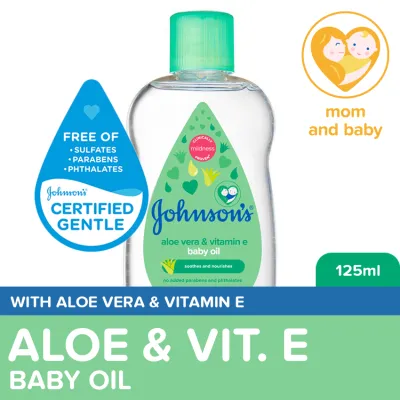
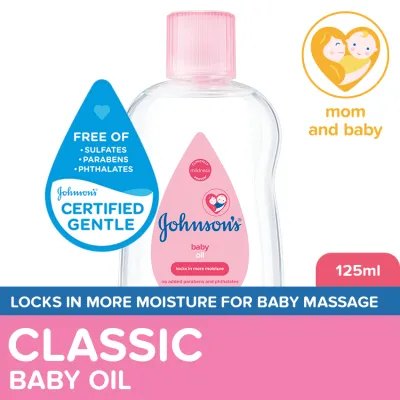
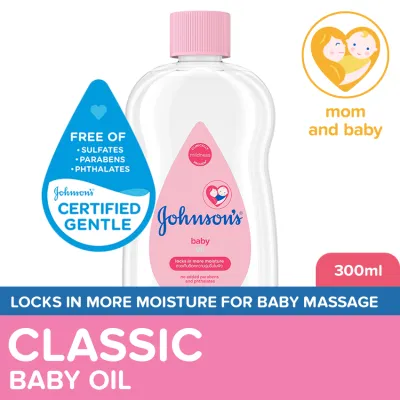
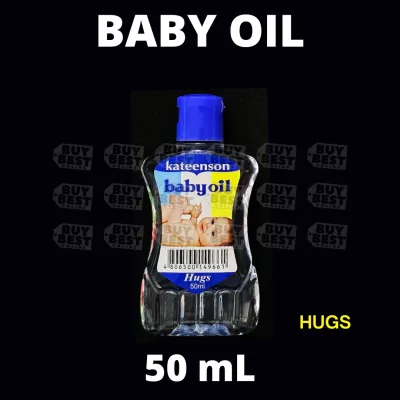
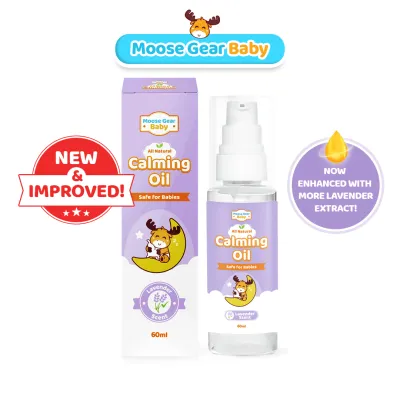
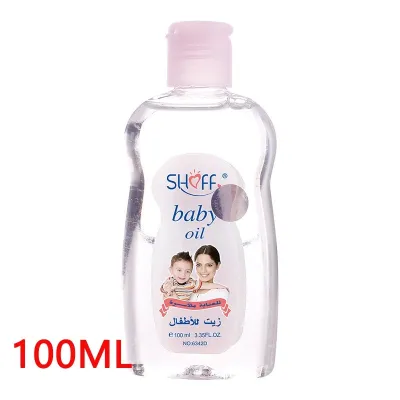
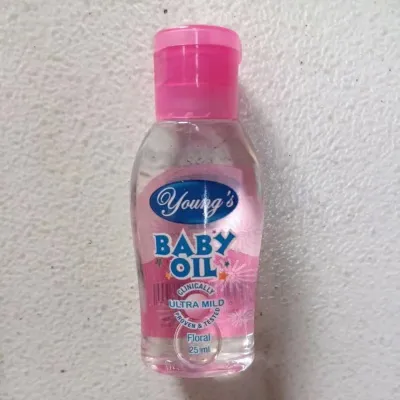
Prices are valid at publication and may change. Please refer to the product page for the latest price.
Essential Selection Criteria for Baby Oils
When evaluating baby oils, safety, purity, and formulation quality must take precedence over marketing claims. The first step is to look for products explicitly labeled as fragrance-free, dye-free, and hypoallergenic. Fragrances, even those derived from natural botanical sources, are among the most common triggers for contact dermatitis in infants. Dyes serve no functional purpose in skincare and only introduce unnecessary chemical exposure to a developing skin barrier. Hypoallergenic labels indicate that the product has been formulated to minimize allergic reactions, though caregivers must still verify the full ingredient list.

Evaluating cost-effectiveness is another practical step for families. Instead of relying solely on the total bottle price, caregivers should compare the price per milliliter (₱/ml). A larger, slightly more expensive bottle may offer a lower price per milliliter, making it more economical for daily use, such as after-bath moisturizing or infant massage. To calculate this, divide the retail price in ₱ by the total volume in milliliters.
Packaging is also a critical factor in maintaining product integrity. Look for packaging designs that prevent contamination and limit air exposure. Pump dispensers or squeeze bottles with self-closing valves are highly effective because they minimize the risk of introducing bacteria from fingers into the container. Transparent bottles should be stored away from direct sunlight, or caregivers should opt for opaque packaging to protect natural oils from light-induced oxidation and degradation.
Matching Oil Formulations to Specific Skin Conditions
Not all baby oils are created equal, and matching the oil’s physical properties to your baby’s skin condition is essential for achieving the desired results. Heavy, slow-absorbing oils may clog pores in hot weather, while ultra-light oils might not provide enough barrier protection for severely dry skin. It is important to remember that baby oils are primarily designed to seal in existing moisture; they are not a standalone treatment for severe skin barrier issues, active infections, or chronic dermatological conditions.
The following decision matrix outlines how different skin conditions align with specific oil characteristics and textures:
| Skin Condition | Recommended Oil Characteristics | Key Texture & Behavior | Primary Goal |
|---|---|---|---|
| Normal | Light, fast-absorbing, plant-based or mineral-based | Non-greasy, smooth slip, minimal residue | Maintain natural barrier and elasticity |
| Dry | Rich emollient, slow-absorbing, high lipid content | Occlusive, protective film, deeply hydrating | Seal in moisture post-bath, prevent flaking |
| Sensitive | Single-ingredient, ultra-pure, zero additives | Lightweight, soothing, non-reactive | Protect barrier without triggering redness |
| Eczema-Prone | High-barrier, non-comedogenic, deeply soothing | Thick, protective, highly occlusive | Support compromised barrier, reduce moisture loss |
Normal and Dry Skin
For babies with normal or mildly dry skin, the primary goal of applying baby oil is to maintain hydration and support the skin’s natural elasticity. Effective baby oils for these skin types combine emollient properties, which soften and smooth the skin, with occlusive properties, which form a thin protective barrier to seal in moisture. Mineral oil and light plant-based oils are excellent options because they sit on the surface of the skin to prevent transepidermal water loss without clogging pores or causing irritation.
The timing of the application is just as important as the product itself. To maximize hydration retention, apply baby oil immediately after bathing while the baby’s skin is still damp. Gently patting the skin with a towel and then massaging a few drops of oil onto the damp surface helps lock in the water absorbed during the bath. This technique creates a highly effective moisture barrier, keeping the skin soft and supple throughout the day.
Sensitive and Eczema-Prone Skin
Sensitive and eczema-prone skin requires a highly cautious approach to product selection. When the skin barrier is compromised, it is far more susceptible to absorbing irritants and allergens. For these babies, minimal-ingredient, single-source, or specifically blended barrier oils are highly preferred. The fewer ingredients a product contains, the lower the likelihood of an adverse reaction. Pure, high-quality single-source oils allow caregivers to easily isolate and identify the cause if a reaction does occur.
Caregivers must strictly avoid common irritants often found in standard baby products. These include synthetic fragrances, essential oils (such as lavender, tea tree, or eucalyptus), parabens, phthalates, and certain botanical extracts that can trigger sensitization. Even natural ingredients can be highly irritating to a compromised skin barrier.
It is vital to establish clear stop-use conditions. If you observe any signs of redness, weeping, increased fussiness (which often indicates itching or discomfort), or a spreading rash after applying an oil, discontinue use immediately. Wash the area gently with lukewarm water and mild soap, and consult a pediatrician or pediatric dermatologist for a proper medical assessment.
Comparing Common Base Oils and Ingredients
Understanding the differences between common base oils helps caregivers make informed decisions based on functionality, absorption, and stability. Baby oils generally fall into two categories: mineral-based and plant-based. Each has distinct physical properties that make it suitable for different scenarios.
The table below compares popular base oils used in infant skincare:
| Base Oil Type | Absorption Rate | Barrier Support | Stability & Shelf Life | Best Suited For |
|---|---|---|---|---|
| Mineral Oil | Slow (stays on surface) | High (excellent occlusive) | Extremely high (does not oxidize easily) | Dry skin, barrier protection, cradle cap |
| Sunflower Seed Oil | Medium | High (rich in linoleic acid) | Moderate (requires cool storage) | Normal to dry skin, barrier repair |
| Coconut Oil | Medium to Fast | Moderate to High | High (stable at room temperature) | Normal skin, mild dryness, tropical climates |
| Jojoba Oil | Fast | Moderate (mimics natural sebum) | High (resistant to rancidity) | Sensitive skin, lightweight moisturization |
When selecting a product, caregivers should verify ingredient purity and processing methods directly on the product label. For plant-based oils, look for terms like “cold-pressed” or “unrefined,” which indicate that the oil was extracted without harsh chemical solvents or excessive heat that can degrade beneficial fatty acids. For mineral-based oils, ensure the label specifies cosmetic-grade or USP-grade (United States Pharmacopeia) purity, confirming that the oil has been highly refined to remove all impurities. Avoid products that contain unnecessary additives, fillers, or synthetic preservatives unless they are specifically required to maintain the safety and stability of the formulation.
Safety Checks, Label Reading, and When to Consult a Pediatrician
Before introducing any new baby oil to your infant’s skincare routine, performing systematic safety checks is essential to prevent widespread adverse reactions. Reading the ingredient list from start to finish is the most reliable way to identify hidden irritants. Do not rely solely on front-of-package marketing claims like “natural” or “organic,” as these terms are not strictly regulated and can still contain botanical allergens or strong essential oils. Look for the scientific names of ingredients to ensure there are no hidden additives.
A standard patch testing protocol should always be performed before full-body application:
- Apply a tiny drop of the baby oil to a small, clean area of the baby's skin, such as the inner forearm or the side of the thigh.
- Leave the oil on the skin for 24 hours, keeping the area dry and clean.
- Observe the site closely for any signs of reaction, including redness, tiny bumps, swelling, or itching.
- If no reaction occurs after 24 hours, the product is generally safe for wider application. If any irritation develops, wash the area immediately and discard the product.
Caregivers must remain vigilant even after a successful patch test. Monitor your baby for behavioral cues that may indicate discomfort, such as rubbing the application site, increased fussiness, or disrupted sleep. If you notice persistent redness, swelling, hives, weeping skin, or a rash that spreads rapidly across the body, discontinue use immediately and seek professional medical advice from a pediatrician.
Frequently Asked Questions (FAQ)
Can I use adult cosmetic oils on my baby's skin?
No, adult cosmetic oils are not suitable for an infant’s delicate skin. Adult skincare products are frequently formulated with active ingredients, anti-aging compounds, strong synthetic fragrances, and essential oils that can easily penetrate a baby’s thin skin barrier, leading to severe irritation, chemical burns, or systemic absorption. Additionally, adult products may contain preservatives and stabilizers that are unsafe for infants. For your baby, always choose products specifically formulated and labeled for infant use, or opt for pure, single-ingredient, food-grade oils that have undergone rigorous safety and purity checks.
Is it safe to use baby oil for infant massage?
Yes, infant massage is a wonderful way to bond with your baby and support their physical development, provided you use the right oil and technique. For massage, select an oil that offers adequate slip to reduce friction on the baby’s delicate skin without being excessively greasy or slow to absorb. Sunflower seed oil or light mineral oil are popular choices. Always perform a patch test first. During the massage, use gentle, feather-light strokes and avoid applying pressure to the baby’s spine, joints, or abdomen. Never apply baby oil to the baby’s face, hands (as they may rub their eyes or put their hands in their mouth), or near their airway to prevent accidental inhalation or ingestion.
How should I store baby oil to maintain its effectiveness?
Proper storage is essential to prevent baby oil from degrading, oxidizing, or becoming rancid. Store the bottle in a cool, dry place away from direct sunlight, high humidity, and extreme temperature fluctuations. In tropical climates, avoid storing baby oil in hot bathrooms or near windows where sunlight can heat the bottle. Always ensure the cap or pump is tightly sealed after each use to prevent air and moisture from entering, which can introduce bacteria or accelerate oxidation. Inspect the oil regularly; if you notice a change in color, a cloudy appearance, separation of ingredients, or a sour, rancid smell, discard the product immediately as it may cause skin irritation.
Community discussion
Share your experience or ask a question. Comments are reviewed before publication.