
Choosing the right diaper pants for your baby in a tropical climate like the Philippines requires balancing absorbency, fit, and breathability. With high humidity and active daily play, finding a diaper that prevents leaks without causing skin irritation is a priority for every parent. While Softry, Pampers, and Huggies are popular choices, there is no single diaper that works perfectly for every baby. The ideal option depends on your child’s unique body shape, their level of physical activity, and how their skin reacts to different materials. By understanding how to evaluate core features, check product labels, and observe physical fit, you can make an informed decision that keeps your baby dry and comfortable throughout the day and night.
How to Evaluate Diaper Pants for Absorbency and Leak Protection
When comparing diaper pants, absorbency is the primary defense against leaks and diaper rash. To evaluate how well a diaper can handle moisture, start by checking the manufacturer’s packaging for details on the absorbent core. Many modern diaper pants utilize Super Absorbent Polymers (SAP) mixed with wood pulp to lock wetness away from the skin. Look for labels that specify the distribution of these absorbent layers, as some designs concentrate protection in the front for boys or the center for girls, while others offer a uniform distribution. Additionally, a wetness indicator—usually a line on the outside of the diaper that changes color when wet—is a highly convenient feature to help you monitor when it is time for a change without disturbing your baby.
Beyond the written specifications, the physical structure of the diaper pant plays a crucial role in leak prevention. Inspect the diaper for absorbent channels, which help distribute liquid evenly across the core rather than letting it pool in one spot. A thinner core does not necessarily mean less absorbency; advanced compression technology allows modern diapers to remain slim while maintaining high capacity, which is particularly beneficial in hot and humid weather. Pay close attention to the leg cuffs, often referred to as double leak guards. These elastic barriers should fit snugly around your baby’s thighs to catch any liquid that escapes the main core during sudden movements or heavy wetting episodes.
Products mentioned in this guide
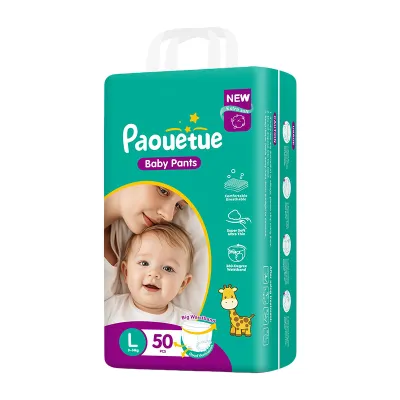
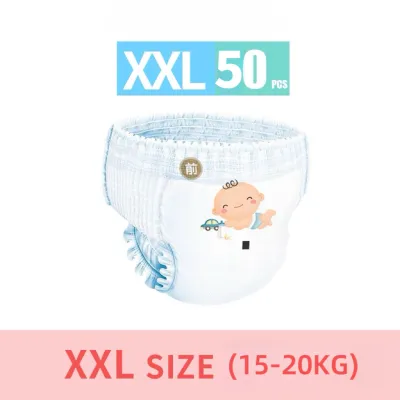
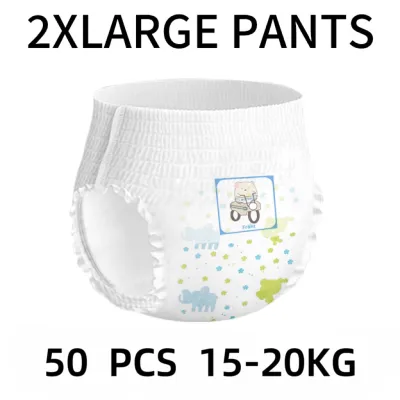
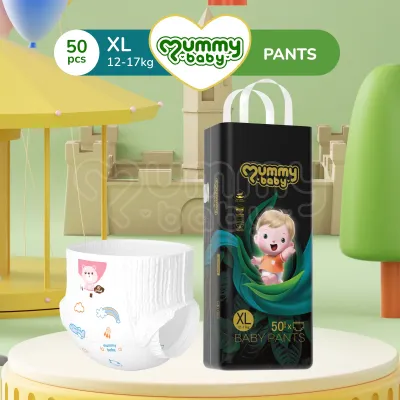
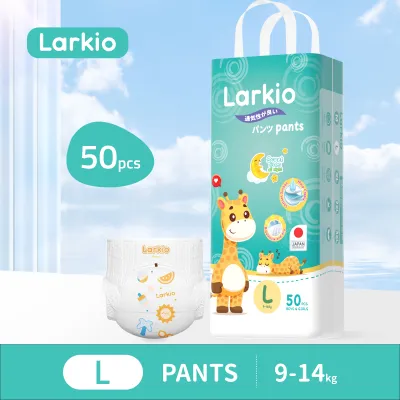
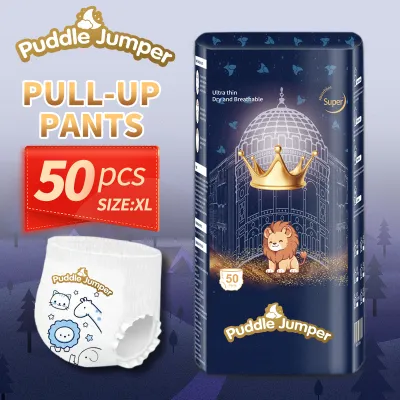
Prices are valid at publication and may change. Please refer to the product page for the latest price.
To truly understand how a diaper performs for your baby, setting up a safe, at-home trial is the most reliable method. You can monitor leak frequency and surface dryness during two distinct scenarios: active daytime play and overnight sleep. During the day, observe how the diaper holds up when your baby is crawling, walking, or sitting. For overnight use, check if the surface of the diaper feels dry to the touch when you change your baby in the morning. If the skin feels damp or if you notice frequent leaks despite using the correct size, it may indicate that the diaper’s absorption speed or capacity is not matching your baby’s current needs.
Assessing Fit, Comfort, and Skin Sensitivity
A diaper pant can have excellent absorbency, but if the fit is poor, leaks and discomfort are inevitable. The waistband is the anchor of any diaper pant, and its elasticity is critical for both comfort and security. When examining diaper pants, test the stretch of the waistband and the leg gathers. A high-quality waistband should stretch easily to accommodate your baby’s belly after feeding, yet retract gently to prevent the diaper from sagging when full. The leg gathers must be flexible enough to allow a full range of motion without digging into your baby’s delicate skin, especially during active milestones like crawling or walking.

Skin sensitivity is another vital factor, particularly in warm tropical climates where sweat and friction can quickly lead to diaper rash. Parents should carefully read product labels for dermatological testing, hypoallergenic certifications, or fragrance-free formulations. Fragrances and certain synthetic materials can trigger irritation in babies with sensitive skin or conditions like eczema. If your baby is prone to redness, prioritizing diapers that explicitly state they are free from elemental chlorine, latex, and added perfumes is a prudent step. Breathability is equally important; look for outer covers with micro-pores that allow hot air to escape while keeping moisture locked inside.
Identifying observable signs of a poor fit is essential for preventing skin damage and leaks. Regularly inspect your baby’s waist and thighs when changing their diaper. Red marks, deep indentations, or chafing are clear indicators that the elastic is too tight or that the diaper is too small. Conversely, gaps around the legs or a waistband that easily pulls down suggest that the diaper is too large or does not suit your baby’s body shape. If you notice these signs, or if the diaper frequently sags even when it is not fully wet, it is time to adjust the fit or size up to ensure continued comfort and protection.
Softry, Pampers, and Huggies: Feature Comparison Matrix
To help you compare these three brands systematically, it is helpful to look at their verifiable design features and available product lines. Because diaper designs and features can vary by region and product tier, always verify the latest specifications on the packaging or official brand websites before purchasing. Below is a comparison matrix highlighting the general design characteristics of standard diaper pants from Softry, Pampers, and Huggies.
| Feature / Specification | Softry Diaper Pants | Pampers Diaper Pants | Huggies Diaper Pants |
|---|---|---|---|
| Primary Product Lines | Softry Ultra Dry / Standard Pants | Pampers Baby Dry Pants / Premium Care | Huggies Dry Pants / Ultra Natural |
| Size Range Availability | Medium (M) to Double Extra Large (XXL) | Small (S) to Triple Extra Large (XXXL) | Small (S) to Double Extra Large (XXL) |
| Wetness Indicator | Available on select premium lines | Commonly featured across most lines | Available on select premium lines |
| Waistband Design | 360-degree elastic stretch band | Stretchy, body-conforming belt | Cushion-soft, high-stretch waistband |
| Leg Cuff Structure | Double-layer leak guards | Flexible leg cuffs with barrier walls | Double leak guards with snug fit |
| Stated Material Focus | Soft cottony cover, breathable backing | Air channels, lotion-infused top sheet | Breathable dry touch liner, soft materials |
When comparing these brands, it is important to match equivalent tiers. For instance, comparing a basic line from one brand to a premium line from another will not yield an accurate assessment of performance. Pampers often highlights its air channel technology and lotion-infused top sheets designed to protect skin from wetness. Huggies frequently emphasizes its snug-fit waistbands and specialized liners that pull runny mess away from the skin. Softry focuses on providing reliable everyday protection with a soft, breathable outer cover designed to keep babies comfortable in warm weather. Always check the specific packaging of the pack you are buying to confirm which features are included in that particular size and edition.
Decision Framework: Which Brand Fits Your Baby's Needs?
Choosing between Softry, Pampers, and Huggies does not require finding a universal winner; instead, it is about matching a brand’s specific design strengths to your baby’s unique physical needs and your family’s budget. Every baby has a different body shape—some have rounder bellies, while others have chubbier thighs—meaning a diaper that fits one baby perfectly might leak on another. By focusing on your baby’s daily routine and physical characteristics, you can select the brand most likely to provide a comfortable, leak-free experience.
Consider Softry diaper pants if you are looking for reliable everyday protection that balances essential features with practical value. This brand is often suitable for parents who want a soft, breathable diaper for regular daytime changes without paying a premium for advanced cosmetic features. It provides a solid option for maintaining a frequent changing schedule, which is highly recommended in humid climates to keep the skin dry and healthy.
Opt for Pampers diaper pants if your baby has a leaner build and benefits from a highly conforming, stretchy fit around the waist and hips. If you rely heavily on a wetness indicator to manage changing times, Pampers’ consistent inclusion of this feature across their main lines makes them a convenient choice. Their focus on thin, highly absorbent cores with air channels is also beneficial for parents who prefer a less bulky diaper under lightweight clothing.
Select Huggies diaper pants if your baby is extremely active, constantly crawling, climbing, or walking, and requires a robust waistband that stays secure during vigorous movement. Huggies’ design often suits babies with rounder thighs or bellies, as their elastic gathers are engineered to stretch comfortably while maintaining a secure seal. Their specialized liners are also highly suitable if you need extra protection against runny bowel movements.
Regardless of the brand you choose, always prioritize your baby’s skin health. If your baby has known skin sensitivities, eczema, or a history of diaper rash, consult a pediatrician before switching brands. Carefully review the ingredient list on the packaging to ensure the materials are free from any substances that have previously triggered irritation on your baby’s skin.
Where to Buy and How to Verify Authenticity
To protect your baby’s skin from the risks associated with counterfeit or poorly stored products, it is crucial to purchase diaper pants from reputable sources. Counterfeit diapers may lack proper sanitary manufacturing standards, use substandard absorbent materials, or contain harsh chemicals that can cause severe diaper rash. Always buy from official brand stores on major e-commerce platforms, authorized supermarkets, or established department stores in the Philippines. These retailers maintain proper supply chains and storage conditions, ensuring the diapers remain clean and dry before they reach your home.
When you receive your diaper pants, take a few moments to inspect the packaging for signs of authenticity and quality. Check that the outer plastic wrap is completely sealed, with no tears, punctures, or signs of water damage. Look for printed batch numbers, manufacturing dates, and expiration dates, which are typically stamped clearly on the bottom or side of the pack. Genuine products will have crisp, clear printing and correct brand logos; blurry text or misspelled words are common red flags of counterfeit goods.
Finally, be cautious of deals that seem too good to be true. While discounts and bundle sales are common during online shopping events, prices that are significantly below the standard market rates for these brands should be treated with suspicion. Purchasing from unauthorized third-party sellers on online marketplaces increases the risk of receiving old stock, damaged goods, or counterfeits. Investing in authentic products from trusted sellers ensures that the diaper pants perform as designed, keeping your baby safe, dry, and comfortable.
Frequently Asked Questions (FAQ)
Can I mix different diaper pants brands for day and night use?
Yes, mixing different diaper pants brands for day and night use is a highly practical strategy for many parents. During the day, when changes are more frequent, you might choose a lighter, value-focused diaper like Softry to manage your budget while keeping your baby fresh. For overnight use, when your baby sleeps for longer stretches, you might transition to a brand like Pampers or Huggies that offers a higher-capacity core or specialized overnight protection. This approach allows you to optimize both cost and performance based on your baby’s changing needs throughout a 24-hour cycle.
How do I know if I need to size up in a specific brand?
You should size up when you observe physical signs of poor fit, regardless of the weight range printed on the diaper packaging. Key indicators include red marks or deep elastic indentations around your baby’s waist or thighs, frequent leaks even when the diaper is not fully saturated, or the waistband sitting significantly below your baby’s belly button. If you find it difficult to slide two fingers comfortably under the waistband or leg cuffs, or if the diaper’s absorbent core no longer covers your baby’s bottom completely, it is time to transition to the next size up to ensure adequate protection and comfort.

Community discussion
Share your experience or ask a question. Comments are reviewed before publication.