
Determining the right diaper pants for an active toddler in the Philippines requires balancing absorbency, fit, and cost. With tropical humidity and high temperatures, diaper performance is critical to prevent skin irritation and leaks. As toddlers grow more active, transitioning to larger sizes like XXXL becomes necessary to accommodate their movement and increased urine volume. Comparing Slumber Night XXXL baby pants with established brands like Pampers, Huggies, and Equator helps caregivers identify which option aligns best with their child’s needs and their household budget. Because real-world performance varies based on a child’s unique body shape and activity level, this guide focuses on verifiable manufacturer specifications, observable fit indicators, and pricing structures to help you evaluate which brand offers the right combination of features and value for your family.
Absorbency and Leak Protection Features
Diaper cores typically rely on Superabsorbent Polymers (SAP) mixed with wood pulp or structured into channels. Pampers and Huggies often highlight proprietary channel designs, such as speed-dry layers or specialized absorption pockets, on their packaging. These designs are engineered to distribute liquid evenly and prevent sagging. Slumber Night and Equator focus on straightforward, high-capacity absorbent cores designed to lock away moisture quickly.
When evaluating these brands, look closely at the packaging for features like wetness indicators—lines that change color when wet—and double leak guards around the thighs. These features help caregivers monitor saturation without constantly opening the diaper, which is especially useful during active outdoor play in warm weather.
Products mentioned in this guide
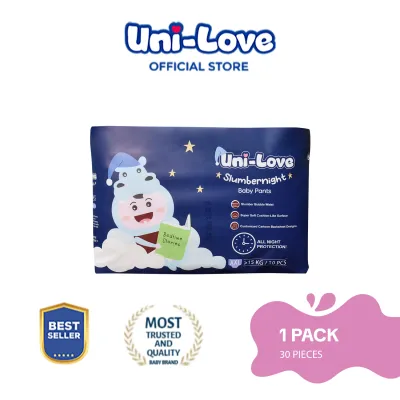
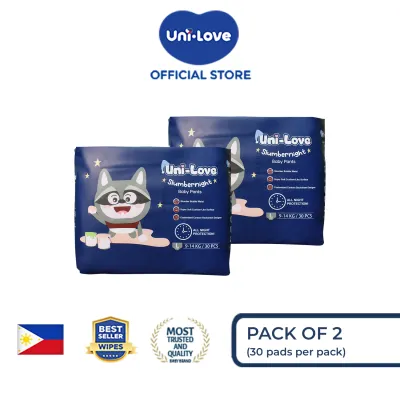
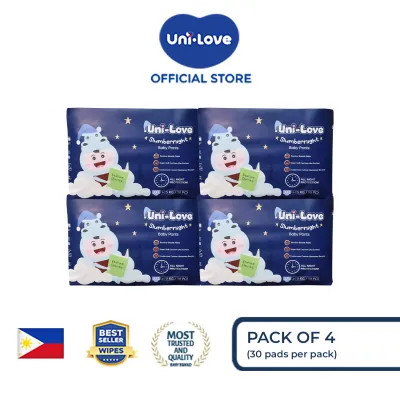
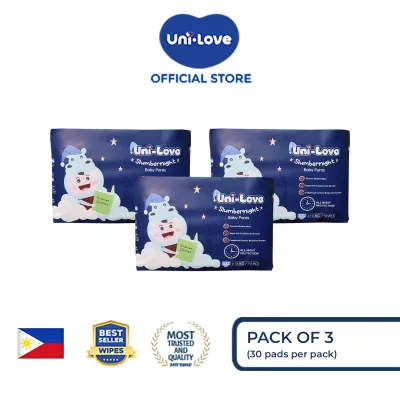
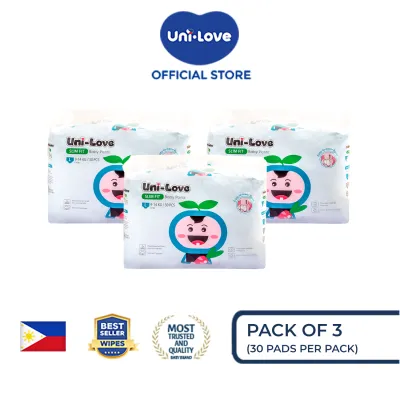
Prices are valid at publication and may change. Please refer to the product page for the latest price.
To evaluate absorbency at home safely, you can conduct a simple saturation test. Place a dry diaper flat on a clean surface. Pour a measured amount of water (approximately 150 milliliters, which simulates a typical toddler wetting) onto the center of the diaper. Wait for three to five minutes to allow the core to absorb the liquid. Press a dry, clean paper towel firmly onto the surface. If the paper towel remains dry, the diaper’s core is effectively locking away moisture. You can also lift the diaper to observe if the liquid has pooled in one spot or distributed evenly across the core.
Keep in mind that actual absorbency in daily life depends on several dynamic factors. Your toddler’s hydration levels, the volume of urine per wetting, and their physical movement—such as running, climbing, or sleeping on their side—will all affect how well a diaper prevents leaks. A diaper that performs perfectly during quiet play might require more frequent changes during highly active periods.
Fit, Comfort, and XXXL Sizing Standards
Achieving a proper fit is essential for preventing leaks and ensuring your toddler’s comfort, especially in a hot and humid climate where tight elastics can trap sweat and cause chafing. Sizing standards are not uniform across manufacturers. An XXXL diaper from Slumber Night may have a different weight range and cut compared to Pampers, Huggies, or Equator. Always check the specific weight guidelines printed on the packaging of each brand before purchasing, as these ranges serve as the primary baseline for fit.

When comparing the physical construction of these diaper pants, pay close attention to the waistband and leg cuffs. Look for a 360-degree elastic waistband that stretches easily without applying excessive pressure to the toddler’s abdomen. The leg cuffs should feature double-layered barriers that sit snugly in the groin crease without folding inward.
To determine if your toddler’s current diaper pants fit poorly, use this observable checklist:
- Red marks or deep indentations left on the skin around the waist or thighs after removal.
- Frequent sagging of the diaper even when it is not fully saturated, indicating the waistband is losing its elasticity.
- Visible gaps between the leg cuffs and the skin when the toddler bends, sits, or runs.
- Frequent side leaks during active play or overnight sleep.
- The waistband consistently rolling down below the belly button.
If you observe any of these signs, it may be time to adjust the size or try a brand with a different cut that better matches your toddler’s body shape.
Price Comparison and Value per Diaper
Managing household expenses requires calculating the true cost of diapering rather than relying solely on the retail price of a single pack. To find the most economical option, calculate the cost per piece. Take the total retail price of the diaper pack in Philippine Pesos (₱) and divide it by the number of diaper pants inside. For example, if a pack costs ₱500 and contains 40 diaper pants, the cost per piece is ₱12.50.
You can optimize your budget by leveraging local purchasing strategies. Buying in bulk or purchasing mega-packs generally offers a lower cost per piece compared to small travel packs. Additionally, look for subscription discounts, bundle deals, and promotional vouchers on local online marketplaces or during major supermarket sales.
However, the cheapest diaper does not always offer the best value. Consider the trade-off between upfront cost and performance. A budget-friendly diaper that leaks frequently may require you to change your toddler twice as often, leading to higher overall diaper consumption. Furthermore, frequent leaks increase your laundry load, consuming more water, detergent, and electricity, which quickly offsets any initial savings. Balancing a reasonable cost per piece with reliable absorbency and fit is the key to finding true value.
Decision Framework: Choosing the Right Diaper Pants
Selecting the right diaper pants depends on your family’s specific priorities, your toddler’s daily routine, and their skin sensitivity. Use this conditional framework to guide your choice:
- Choose Slumber Night XXXL if you are looking for a dedicated larger size that offers a balanced combination of standard absorbency and a comfortable fit at a competitive mid-range price point.
- Choose Pampers or Huggies if your toddler has highly sensitive skin, or if you prioritize advanced features like specialized channel designs, wetness indicators, and premium softness for overnight use or long outings.
- Choose Equator if your primary focus is finding an economical, budget-friendly option for frequent daytime changes, especially when your toddler is at home and can be changed immediately upon wetting.
Before committing to a large bulk purchase of any brand, always buy a small trial pack first. This allows you to verify how the diaper fits your toddler’s unique body shape and ensures their skin does not experience any adverse reactions to the materials or elastics. If your child develops a persistent rash or severe skin irritation, stop using the diaper immediately and consult a qualified pediatrician.
Frequently Asked Questions (FAQ)
When should I transition my toddler to XXXL diaper pants?
While the manufacturer’s weight chart on the packaging serves as your primary baseline, physical signs are often more reliable indicators. You should transition to XXXL diaper pants when the current size consistently leaves deep red elastic marks on your toddler’s waist or thighs, or when the diaper sits too low on their hips. Frequent leaks, difficulty pulling the pants up over the hips, or restricted leg movement during play also indicate that it is time to move up to a larger size.
Can I mix different diaper brands for day and night use?
Yes, mixing diaper brands is a highly effective strategy for managing both your budget and your toddler’s comfort. Many caregivers use budget-friendly diaper pants like Equator or Slumber Night during the day when changes are frequent and easy to manage. They then switch to high-absorbency, premium brands like Pampers or Huggies for overnight sleep or long travel periods to ensure maximum leak protection. When rotating brands, monitor your toddler’s skin closely for any redness or irritation, as different manufacturers use different materials, adhesives, and elastic compositions.

Community discussion
Share your experience or ask a question. Comments are reviewed before publication.