
Pregnancy triggers a cascade of hormonal shifts that fundamentally alter your skin’s behavior. While some women experience a radiant glow, others face sudden challenges like hormonal acne, extreme dryness, or hyperpigmentation. Navigating these changes requires a careful look at your daily vanity table. Because the skin barrier can become more sensitive and permeable during these nine months, certain topically applied ingredients can absorb into your bloodstream and potentially reach your developing baby. Prioritizing maternal health means understanding that what you apply to your face is just as important as what you consume. Transitioning to a pregnancy-safe skincare routine is not about abandoning self-care, but rather about making informed, conscious choices. By learning which ingredients to pause and which gentle alternatives to embrace, you can maintain a healthy, radiant complexion while ensuring peace of mind. Always remember that your obstetrician or a board-certified dermatologist is your best partner in verifying the safety of any product during this special chapter of your life.
Common Skincare Ingredients to Review with Your Doctor
When managing your skincare during pregnancy, the marketing claims on the front of a bottle are rarely enough to guarantee safety. Terms like “maternity-friendly” or “baby-safe” are often used loosely by brands, making it essential to turn the bottle over and examine the actual ingredient list. Identifying specific chemical compounds by their scientific names allows you to make informed decisions and have productive conversations with your healthcare provider. Because individual health profiles, skin types, and pregnancy stages vary, there is no one-size-fits-all list of approved products. Factors such as the concentration of an active ingredient, the formulation type—whether it is a quick wash-off cleanser or a leave-on overnight cream—and how frequently you apply it can dramatically alter its safety profile. Before introducing any active treatment into your daily regimen, compile a list of your current products and review them with your obstetrician or dermatologist to establish a personalized, risk-free routine.
Retinoids and Vitamin A Derivatives
Vitamin A derivatives, collectively known as retinoids, are celebrated in the beauty industry for their ability to accelerate cell turnover, combat acne, and smooth fine lines. However, during pregnancy, these powerful compounds require strict caution. On product labels, you will commonly find them listed as retinol, retinyl palmitate, retinaldehyde, retinyl acetate, or prescription-strength formulations like tretinoin, tazarotene, and adapalene. There is a strong, long-standing medical consensus to completely avoid oral retinoids, such as isotretinoin, due to their documented association with severe congenital developmental issues. While the systemic absorption of topical retinoids is generally low, healthcare professionals universally recommend pausing all topical Vitamin A derivatives as a preventive measure to eliminate any potential risk to the fetus. If you are looking to address signs of aging or maintain skin elasticity during your pregnancy, discuss plant-based alternatives like bakuchiol with your dermatologist. Bakuchiol offers similar antioxidant and skin-smoothing benefits without the associated risks of retinoids, making it a popular option to review with your doctor.
Products mentioned in this guide

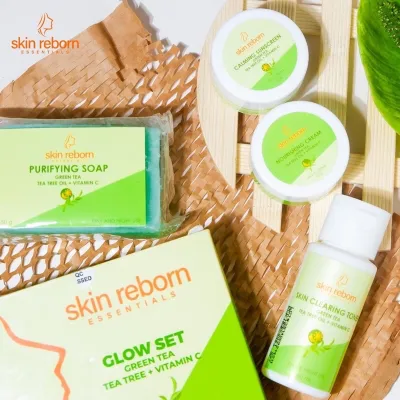
Prices are valid at publication and may change. Please refer to the product page for the latest price.
Salicylic Acid and Other Beta Hydroxy Acids (BHAs)
Beta hydroxy acids, most notably salicylic acid, are oil-soluble exfoliants that penetrate deep into pores to dissolve excess sebum and dead skin cells, making them highly effective for treating breakouts. On ingredient lists, look out for salicylic acid, betaine salicylate, or willow bark extract. While high-dose oral salicylic acid is contraindicated during pregnancy, the safety of topical application depends heavily on concentration and usage. Low-dose daily cleansers containing 2% or less of salicylic acid are generally considered safe by many obstetricians because the product is quickly washed off, minimizing absorption. Conversely, high-dose leave-on treatments, concentrated serums, and professional-grade chemical peels should be avoided entirely. If you need to manage pregnancy-induced breakouts or uneven skin texture, ask your doctor about milder alpha hydroxy acids (AHAs) such as lactic acid or glycolic acid. These water-soluble acids work primarily on the skin’s surface and are widely considered gentler alternatives when used in low concentrations.
Hydroquinone and Skin Lighteners
Hormonal fluctuations during pregnancy often trigger melasma, a form of hyperpigmentation characterized by dark patches on the face, which is frequently exacerbated by the intense tropical sun and high UV index in regions like the Philippines. To combat this, many turn to strong skin-lightening agents, with hydroquinone being the most prominent. Hydroquinone is highly effective at inhibiting melanin production, but studies indicate it has an unusually high systemic absorption rate of up to 35% to 40% when applied topically. Because a significant amount of the chemical can enter the bloodstream, medical professionals strongly advise pausing all hydroquinone treatments until after pregnancy and breastfeeding. Instead of aggressive skin lighteners, focus on safer, supportive brightening agents. Ingredients such as vitamin C, azelaic acid, and niacinamide are excellent alternatives that help manage dark spots, reduce redness, and even out skin tone without the systemic risks associated with hydroquinone.
How to Read and Verify Skincare Labels
Navigating the beauty aisle while pregnant requires becoming a savvy label reader. The most reliable way to evaluate a product is by studying its International Nomenclature of Cosmetic Ingredients (INCI) list, which lists ingredients in descending order of concentration. This means the first few ingredients make up the bulk of the product, while active ingredients and preservatives appear further down. Do not let front-of-package buzzwords like “natural,” “organic,” “clean,” or “hypoallergenic” lull you into a false sense of security. These terms are largely marketing-driven and lack standardized medical definitions. For instance, many “natural” products contain concentrated essential oils—such as rosemary, jasmine, clary sage, or tea tree oil—which can trigger severe skin irritation, allergic reactions, or even uterine contractions when used in high amounts. Instead of relying on brand claims, cross-reference your skincare ingredients with reputable medical databases, such as those maintained by dermatological societies or maternal health organizations. When in doubt, take a photo of the ingredient list and share it directly with your obstetrician or dermatologist for a professional assessment.

Building a Safe and Effective Pregnancy Skincare Routine
Managing your skin in a warm, humid tropical climate during pregnancy requires a streamlined, gentle approach that prevents clogged pores without stripping your skin’s natural moisture. The foundation of a safe routine consists of three basic steps: mild cleansing, consistent hydration, and daily sun protection. Start with a gentle, fragrance-free cleanser that removes sweat, sebum, and environmental pollutants without disrupting your skin barrier. For hydration, look for lightweight, non-comedogenic humectants such as hyaluronic acid, glycerin, and ceramides. These ingredients draw moisture into the skin and lock it in, keeping your skin plump and resilient without feeling heavy or greasy in high humidity. Sun protection is your most critical defense against pregnancy-induced melasma. Opt for physical or mineral sunscreens containing zinc oxide or titanium dioxide, which sit on top of the skin to reflect UV rays rather than absorbing into the skin. Because pregnancy hormones can make your skin highly unpredictable and prone to sudden irritation, always patch test any new product. Apply a small amount to your inner arm or jawline for 24 to 48 hours to check for adverse reactions before applying it to your entire face.
When to Discontinue Use and Consult a Professional
If you experience any signs of localized irritation—such as persistent redness, burning, itching, peeling, or hives—you should immediately discontinue using the suspected product. Wash your face thoroughly with cool water to remove any remaining residue and simplify your routine to just water and a basic, doctor-approved moisturizer. While mild, temporary irritation can happen due to heightened skin sensitivity, systemic concerns or severe allergic reactions require prompt medical attention. If you discover that you have accidentally been using a product containing a flagged ingredient like retinol or hydroquinone, do not panic. Simply stop using the product immediately and bring the bottle or a photo of the ingredient list to your next routine prenatal appointment. Your obstetrician or a board-certified dermatologist can evaluate your skin, provide professional reassurance, and help you transition to safer, highly effective alternatives tailored to your specific needs.
Frequently Asked Questions (FAQ)
Can I use vitamin C serum while pregnant?
Yes, topical vitamin C is generally considered safe to use during pregnancy and is highly recommended for managing dullness and hyperpigmentation. This powerful antioxidant helps protect your skin from environmental damage and supports collagen production. However, before adding a new vitamin C serum to your routine, check the ingredient list to ensure it does not contain other flagged compounds, such as salicylic acid or retinoids, which are sometimes blended into anti-aging or acne-fighting formulas. It is also wise to consult your doctor before using exceptionally high concentrations of vitamin C to ensure it will not irritate your sensitive skin.
Are chemical sunscreens safe during pregnancy?
The choice between chemical and mineral sunscreens is an important consideration during pregnancy. Chemical sunscreens utilize active filters like oxybenzone, avobenzone, octisalate, and homosalate, which absorb UV rays and convert them into heat. Some of these chemical filters can be absorbed into the bloodstream in small amounts, raising questions about their long-term effects during fetal development. Mineral sunscreens, which use physical blockers like zinc oxide and titanium dioxide, sit on the skin’s surface to physically block UV rays and are not absorbed into the body. Because of this, most healthcare providers recommend switching to mineral sunscreens during pregnancy, especially in sunny, tropical climates where daily sun protection is essential.
What should I do if I accidentally used a retinol product?
If you realize you have been using a skincare product containing retinol or another Vitamin A derivative, the most important first step is to stop using it immediately and remain calm. Accidental, short-term topical use of over-the-counter retinoids is highly unlikely to cause any harm to your developing baby, as the amount absorbed through the skin is extremely minimal compared to oral medications. To ease your mind, take a photo of the product’s ingredient list and mention it to your obstetrician during your next routine prenatal check-up. They can offer personalized reassurance and help you select safe, alternative products to keep your skin healthy throughout your pregnancy.

Community discussion
Share your experience or ask a question. Comments are reviewed before publication.