
Navigating your skincare routine during pregnancy requires a careful balance between managing hormonal skin shifts and ensuring the safety of your developing baby. While your skin might suddenly experience breakouts, dark patches, or intense dryness, certain common cosmetic ingredients can absorb into your bloodstream and pose potential risks. To protect your health, the safest approach is to simplify your routine, eliminate known high-risk actives, and switch to gentle, clinically supported alternatives.
Understanding Skin Changes and Safety During Pregnancy
During pregnancy, your body undergoes a profound hormonal transformation, primarily driven by surges in estrogen and progesterone. These hormonal fluctuations can dramatically alter your skin’s behavior, leading to unexpected issues such as pregnancy acne, dryness, or melasma—often referred to as the “mask of pregnancy.” Because your skin barrier can become more sensitive and reactive during this time, managing these concerns requires a mindful, safety-first strategy.
The primary medical concern with maternity skincare is systemic absorption. When you apply topical products, small amounts of active chemicals can penetrate the skin barrier, enter your bloodstream, and potentially cross the placenta to reach the developing fetus. While many cosmetic ingredients are perfectly safe in everyday life, minimizing exposure to unnecessary or high-risk active chemicals is a standard precautionary principle recommended by healthcare providers worldwide.
Products mentioned in this guide
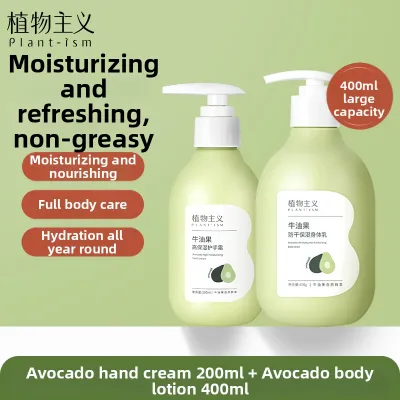
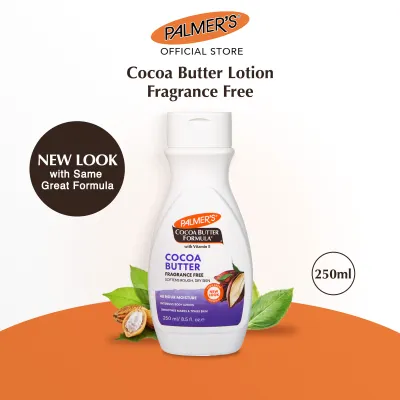
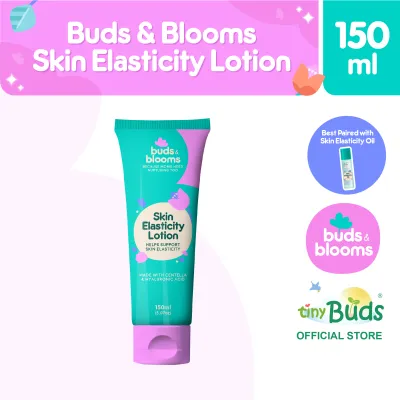
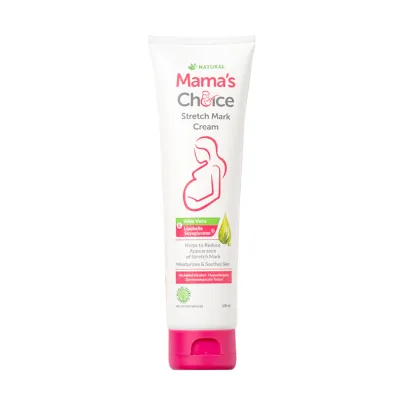
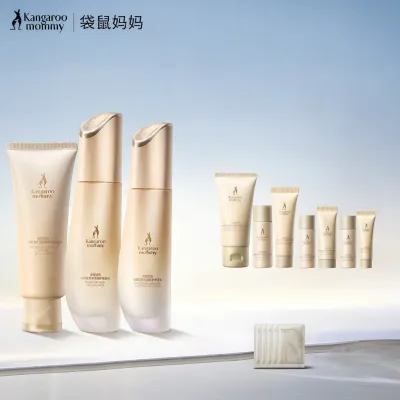
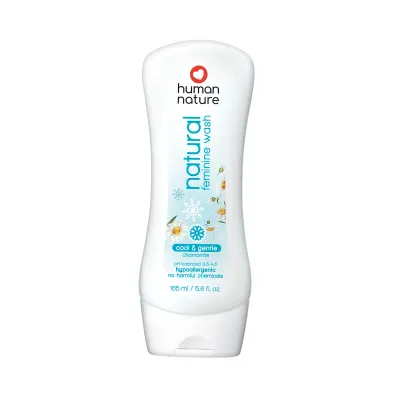
Prices are valid at publication and may change. Please refer to the product page for the latest price.
Because every pregnancy is unique and individual skin sensitivities vary, this guide is designed for educational purposes to help you identify ingredients that warrant caution. It is essential to consult your obstetrician or a board-certified dermatologist before introducing new products or if you have specific medical concerns. Always prioritize personalized medical advice to ensure both your comfort and your baby’s safety.
Skincare Ingredients to Avoid During Pregnancy
To keep your routine safe, you must learn to identify and avoid specific active ingredients that medical experts widely recommend pausing during pregnancy. Many of these ingredients are highly effective for general skin concerns but carry potential risks when used during gestation.

Retinoids and Vitamin A Derivatives
Retinoids are celebrated in the beauty industry for their powerful anti-aging and acne-clearing properties, but they are the most critical ingredients to avoid while pregnant. While the most severe developmental risks are linked to oral retinoids, such as prescription isotretinoin, topical retinoids are also universally advised against by dermatologists as a strict precautionary measure.
Topical retinoids include ingredients like retinol, retinaldehyde, retinyl palmitate, retinyl retinoate, and prescription-strength adapalene or tretinoin. These actives are commonly formulated into night creams, anti-aging serums, eye treatments, and targeted acne solutions.
When auditing your skincare collection, look closely at the ingredient labels for any words containing the “retin-” prefix. If you find any of these derivatives in your active products, stop using them immediately and set them aside until after you have finished breastfeeding.
High-Dose Salicylic Acid and Strong Exfoliants
Salicylic acid is a popular beta hydroxy acid (BHA) known for its ability to penetrate deep into pores to dissolve excess sebum and treat acne. However, its safety profile during pregnancy depends heavily on the concentration, the application method, and the overall dosage.
While low-dose topical salicylic acid—typically found in daily cleansers or spot treatments at concentrations of 2% or lower—is often considered acceptable in limited areas by some clinical guidelines, high-dose formulations must be avoided. This includes full-body applications, oral salicylates (such as aspirin), and professional-grade chemical peels.
You should also steer clear of strong, unbuffered chemical exfoliants that compromise your skin barrier. When your skin barrier is compromised or inflamed, its permeability increases, which can inadvertently lead to higher systemic absorption of any topical products you apply afterward.
Hydroquinone and Certain Chemical Sunscreens
Hydroquinone is a potent skin-lightening agent frequently prescribed to treat hyperpigmentation, dark spots, and melasma. Despite its efficacy, hydroquinone has an unusually high systemic absorption rate—estimated at up to 35% to 45% of the applied topical dose—making it a primary ingredient to avoid during pregnancy.
In addition to lightening agents, you should carefully evaluate the UV filters in your sun protection products. Certain chemical sunscreen ingredients, most notably oxybenzone (benzophenone-3), octinoxate, and homosalate, have raised safety concerns regarding their potential endocrine-disrupting properties and systemic absorption.
To protect your skin from intense tropical UV rays without exposing your body to these chemicals, dermatologists strongly recommend shifting toward mineral-based physical sunscreens. Look for products that utilize zinc oxide or titanium dioxide as their active sun barriers, which sit on top of the skin rather than absorbing into it.
Essential Oils and Unregulated Botanical Extracts
A common misconception in beauty is that “natural” or “organic” ingredients are inherently safer than synthetic ones. In reality, many botanical extracts and essential oils contain highly concentrated organic compounds that can cause severe skin sensitization or even physiological complications during pregnancy.
High concentrations of specific essential oils, such as rosemary, clary sage, juniper, jasmine, and sage, are advised against because they may possess uterine-stimulating properties or mild hormonal activity. Because essential oils are highly concentrated, their systemic absorption can be unpredictable.
Furthermore, unregulated botanical extracts and complex herbal blends often lack rigorous clinical testing for maternity safety. To minimize risks, avoid using homemade remedies or unbranded herbal skincare, and stick to well-tested, commercially formulated products that feature transparent, simple ingredient lists.
Safe Maternity Skincare Alternatives for Common Concerns
Eliminating high-risk ingredients does not mean you have to abandon your skincare goals. You can easily manage common pregnancy skin issues by adopting gentle, pregnancy-safe alternatives that keep your skin healthy and glowing.
Hydration and Barrier Repair
Pregnancy can sometimes strip your skin of its natural moisture, leading to dry patches, itching, and heightened sensitivity. To safely restore and maintain your skin’s moisture barrier, look for hydrating ingredients like hyaluronic acid, ceramides, glycerin, and squalane.
Hyaluronic acid and glycerin act as powerful humectants that draw moisture into the skin, while ceramides and squalane function as emollients that seal that moisture in. These ingredients are naturally occurring or highly compatible with human skin, making them incredibly safe and non-irritating during pregnancy.
If you live in a warm, humid climate like the Philippines, managing hydration can be tricky due to heavy sweating and constant exposure to indoor air conditioning. To maintain a healthy balance, layer a lightweight hyaluronic acid serum under a non-comedogenic ceramide moisturizer, which protects your skin barrier without clogging your pores.
Brightening and Managing Melasma
Melasma, often triggered by hormonal surges and worsened by UV exposure, is a frequent concern for pregnant women. While you must avoid hydroquinone and retinoids, you can safely address hyperpigmentation with alternative brightening agents like topical Vitamin C (L-ascorbic acid), azelaic acid, niacinamide, and kojic acid.
Vitamin C is a potent antioxidant that neutralizes free radicals and inhibits melanin production, helping to fade dark spots and boost your skin’s natural radiance. Niacinamide (Vitamin B3) further assists by reducing redness and strengthening the skin barrier, while azelaic acid targets hyperpigmented cells directly.
The most critical step in managing melasma is daily sun protection. Because the tropical sun can rapidly darken hyperpigmentation, applying a broad-spectrum mineral sunscreen containing zinc oxide or titanium dioxide every morning is your best defense against the “mask of pregnancy.”
Acne and Blemish Control
Hormonal acne can be incredibly frustrating during pregnancy, especially when standard treatments like benzoyl peroxide or high-dose salicylic acid are restricted. Fortunately, azelaic acid is an exceptional, multi-tasking alternative that is widely considered safe for topical use during pregnancy.
Azelaic acid helps clear acne by gently exfoliating the pores, reducing acne-causing bacteria, and calming the inflammation that leads to red blemishes. For mild exfoliation, you can also look for low-dose glycolic acid or lactic acid (alpha-hydroxy acids, or AHAs), as well as gentle sulfur-based spot treatments.
To prevent breakouts from worsening, maintain a gentle, non-stripping cleansing routine. Avoid harsh scrubs or foaming cleansers that strip your natural oils, as over-drying your skin can trigger a rebound overproduction of sebum and intensify inflammatory acne.
Body Care and Itch Relief
As your pregnancy progresses, the skin on your abdomen, hips, and breasts stretches to accommodate your growing baby, which often causes intense itching and dryness. While many products claim to prevent stretch marks, it is important to manage your expectations: genetics, hormone levels, and rapid skin expansion play the primary roles, and no topical cream can guarantee complete prevention.
However, you can significantly improve your skin’s elasticity, comfort, and barrier function by applying rich, nourishing emollients. Ingredients like shea butter, cocoa butter, coconut oil, and centella asiatica (often called cica) are excellent for soothing itchy, stretching skin.
Apply these rich creams immediately after bathing while your skin is still slightly damp to lock in maximum hydration. This simple practice helps soothe the sensory nerves in your skin, reducing the urge to scratch and preventing secondary irritation or micro-tears.
How to Audit Your Products and Transition Safely
Transitioning to a pregnancy-safe skincare routine does not require throwing away every product you own, but it does require a systematic audit of your current collection. Knowing how to read ingredient labels and introduce new products safely will save you time and protect your skin.
Start by examining the International Nomenclature of Cosmetic Ingredients (INCI) list on the back of your products. Avoid relying solely on front-label marketing claims like “hypoallergenic,” “natural,” or “dermatologist-tested,” as these terms are not strictly regulated and do not guarantee the absence of pregnancy-restricted actives. Look up ingredients you do not recognize, paying close attention to hidden names for retinoids (like retinyl palmitate) or chemical sunscreens.
When you introduce safe alternatives to replace your old products, follow the “one product at a time” rule. Your skin’s immune response changes during pregnancy, making you more susceptible to sudden contact dermatitis or allergic reactions. Patch test any new product by applying a small amount to your inner forearm or jawline for 24 to 48 hours to monitor for redness, itching, or swelling before applying it to your entire face.
If you find yourself confused by complex chemical names, utilize reputable, medically reviewed skincare databases or consult your local pharmacist. Taking a few minutes to verify an ingredient can provide immense peace of mind as you build a clean, supportive routine.
When to Stop Self-Treating and Consult a Doctor
While over-the-counter maternity skincare can manage mild dryness, light breakouts, and minor hyperpigmentation, there are clear limits to what self-treatment can safely achieve. Recognizing when your skin concerns require professional medical attention is vital for your health and safety.
You should stop self-treating and schedule a visit with your doctor if you experience severe cystic acne, sudden and painful rashes, or rapidly spreading, intensely itchy skin lesions. For instance, a condition known as Pruritic Urticarial Papules and Plaques of Pregnancy (PUPPP) presents as hives-like bumps that require specific, medically supervised treatment.
Attempting to treat severe dermatological conditions on your own with strong, potentially unsafe active ingredients can lead to skin damage or systemic risks. A professional diagnosis ensures you receive targeted, effective treatments that are clinically proven to be safe for both you and your baby.
Always encourage open communication and coordinated care between your obstetrician and your dermatologist. By keeping both specialists informed about the topical products and treatments you use, you can confidently navigate your pregnancy journey with absolute peace of mind.
Frequently Asked Questions (FAQ)
Is it safe to use vitamin C serum every day during pregnancy?
Yes, topical Vitamin C is generally considered safe and highly beneficial for daily use during pregnancy. It provides excellent antioxidant protection and helps manage hyperpigmentation without the risks associated with stronger lightening agents. However, always review the ingredient list of your Vitamin C serum to ensure it does not contain combined prohibited actives, such as retinol or high concentrations of salicylic acid. If your skin has become more sensitive during pregnancy, start with a lower concentration (such as 10% L-ascorbic acid or a gentle derivative like sodium ascorbyl phosphate) to prevent irritation.
Can I use self-tanners or spray tans while pregnant?
Topical self-tanning lotions and creams containing dihydroxyacetone (DHA) are generally considered safe to use during pregnancy. DHA is a non-toxic sugar compound that reacts only with the dead cells on the outermost layer of your skin, resulting in very minimal systemic absorption. However, you should avoid professional spray tans or aerosol self-tanning sprays. Inhaling the mist during a spray tan session can allow DHA to enter your lungs and bloodstream, posing potential risks to your developing baby. Stick to manual creams or lotions, and apply them in a well-ventilated room.
Are chemical peels safe during pregnancy?
Superficial, mild chemical peels utilizing low-dose alpha hydroxy acids, such as lactic acid or glycolic acid, are generally considered safe when performed by a qualified professional. These mild peels only exfoliate the very surface of the skin to improve texture and tone. However, deep chemical peels, particularly those containing high concentrations of salicylic acid (BHA) or trichloroacetic acid (TCA), must be strictly avoided due to the high risk of systemic absorption and skin barrier damage. Always obtain explicit clearance from your obstetrician before scheduling any clinical skincare treatments or professional peels.
Community discussion
Share your experience or ask a question. Comments are reviewed before publication.