
Quick Answer: Ingredients to Avoid While Nursing
Finding the right skincare for breastfeeding mom routines can feel overwhelming, especially when you want to ensure every ingredient is safe for your baby. While the vast majority of over-the-counter cosmetic products are perfectly safe to continue using, a few potent active ingredients should be paused or avoided entirely during lactation.
As a quick reference, the primary ingredients to avoid or use with extreme caution include:
- Topical Retinoids: Retinol, tretinoin, adapalene, and other vitamin A derivatives.
- High-Concentration Salicylic Acid (BHA): Leave-on treatments, peels, or products exceeding a 2% concentration.
- Hydroquinone: A strong skin-lightening agent with high systemic absorption rates.
- Specific Chemical UV Filters: Particularly oxybenzone, which can act as an endocrine disruptor.
Disclaimer: The information provided in this guide is for educational purposes only and does not constitute medical advice. Because every individual’s skin and health profile is unique, always consult your obstetrician, pediatrician, or a board-certified dermatologist before starting or stopping any active skincare regimen while nursing.
Products mentioned in this guide
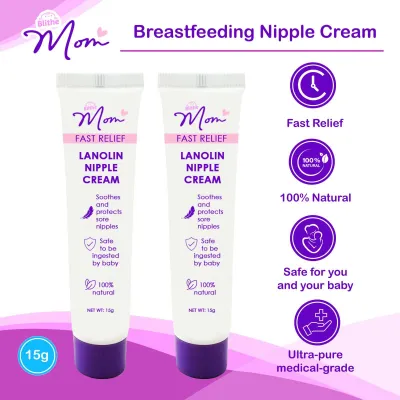
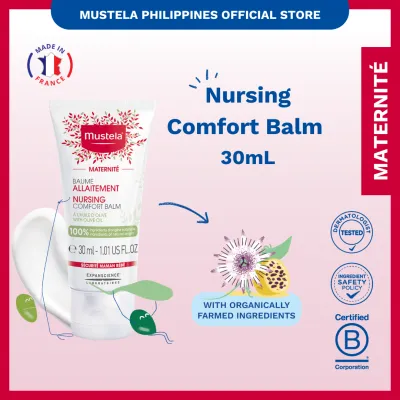
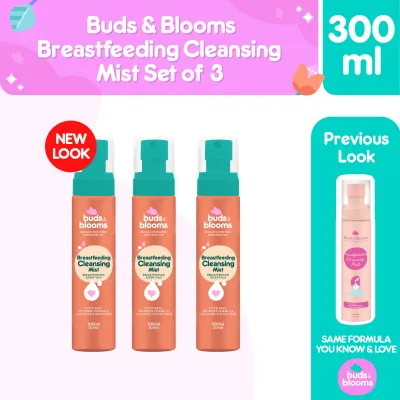
Prices are valid at publication and may change. Please refer to the product page for the latest price.
How Skincare Ingredients Can Affect Breast Milk
To understand why certain ingredients are flagged during lactation, it helps to look at how the skin barrier functions. Your skin is highly effective at keeping environmental hazards out, but it is not completely impermeable. When you apply creams, serums, or lotions, small amounts of the active chemicals can penetrate the outermost skin layer, enter the local blood vessels, and theoretically circulate throughout your body.

This process is known as systemic absorption. The rate at which an ingredient enters your bloodstream depends heavily on several factors, including its molecular size, lipid solubility, and the overall formulation. For example, a wash-off cleanser has very little contact time with your skin, resulting in minimal absorption. In contrast, a leave-on night cream or a heavy lotion applied over large areas of the body has a much higher potential to be absorbed systemically.
For the vast majority of cosmetic products, systemic absorption is so low that the amount of the ingredient reaching your breast milk is practically negligible. However, potent pharmaceutical-grade actives, highly concentrated chemical peels, or products applied to cracked, broken, or irritated skin warrant strict caution. These formulations are designed to penetrate deeply and can pose a higher risk of entering the bloodstream.
Determining absolute safety is also complicated by a lack of clinical data. Because clinical trials rarely include pregnant or lactating women due to obvious ethical considerations, researchers cannot definitively test how most synthetic chemicals affect breast milk. Consequently, medical professionals rely on precautionary avoidance as the standard safety approach for certain high-risk compounds.
Specific Skincare Ingredients to Avoid or Use with Caution
Postpartum skin changes in the tropical climate of the Philippines can be challenging. The intense heat and high humidity often trigger excess sebum production, leading to stubborn breakouts, while strong daily sun exposure can worsen postpartum melasma. While you might feel rushed to use potent actives to clear your skin, understanding which ingredients require caution is the first step to keeping your baby safe.
Retinoids (Retinol, Tretinoin, Adapalene)
Oral retinoids, such as isotretinoin, are well-documented to cause severe birth defects and are strictly prohibited during pregnancy and lactation. While the systemic absorption of topical retinoids is significantly lower than oral versions, the potential risks to a developing infant remain a serious theoretical concern.
To minimize any risk, medical professionals universally advise pausing the use of prescription-strength topical retinoids, including tretinoin, tazarotene, and adapalene, while breastfeeding. It is also highly recommended to stop using over-the-counter retinol, retinaldehyde, and retinyl esters as a standard safety precaution.
These ingredients are frequently found in anti-aging serums, night creams, eye treatments, and targeted acne gels. Always check the labels of any “youth-restoring” or “wrinkle-reducing” products you used before pregnancy, as these are the most common hiding places for vitamin A derivatives.
High-Concentration Salicylic Acid (BHA)
Salicylic acid is an oil-soluble beta-hydroxy acid (BHA) that penetrates deep into pores, making it a highly popular treatment for acne and blackheads. However, salicylic acid is chemically related to aspirin (acetylsalicylic acid). High systemic levels of salicylates are associated with rare but serious conditions in infants, such as Reye’s syndrome.
Fortunately, low-dose wash-off products are generally considered acceptable by dermatologists. Using a daily face wash with a salicylic acid concentration of 2% or less is safe because the product is quickly rinsed off, limiting the time it has to absorb into the skin.
In contrast, you should strictly avoid high-concentration leave-on treatments, such as spot creams, overnight serums, or professional-strength chemical peels. Applying BHA products over large areas of the body, like the back or chest, is also highly discouraged due to the increased surface area for absorption.
Hydroquinone and Strong Depigmenting Agents
Postpartum hyperpigmentation, often called the “mask of pregnancy” or melasma, is incredibly common among Filipinas due to hormonal fluctuations combined with year-round tropical sun. Hydroquinone is the gold standard for treating dark spots, but it is not safe for nursing mothers.
Studies show that hydroquinone has an exceptionally high systemic absorption rate compared to other topical ingredients, with up to 35% to 45% of the applied product entering the bloodstream. This high rate of absorption significantly increases the likelihood of the chemical reaching your breast milk.
You should completely avoid hydroquinone and related prescription-strength depigmenting agents while breastfeeding. It is best to wait until you have fully weaned your baby before starting any intensive skin-bleaching or spot-fading treatments.
Oxybenzone and Certain Chemical UV Filters
Sun protection is non-negotiable in the Philippines, where UV levels are consistently high. However, the type of sunscreen you choose matters. Many chemical sunscreens contain organic UV filters like oxybenzone, octinoxate, homosalate, and octisalate.
Oxybenzone, in particular, is easily absorbed through the skin and has been detected in human breast milk, amniotic fluid, and urine. Research suggests these chemicals can mimic hormones in the body, raising concerns about potential endocrine disruption in growing infants.
During your breastfeeding journey, swap out chemical sunscreens for physical (mineral) alternatives. Mineral sunscreens sit on top of the skin like a protective shield rather than absorbing into the bloodstream, making them the safest choice for both you and your baby.
How to Check Product Labels for Hidden Ingredients
Navigating the beauty aisle can be overwhelming when product packaging is filled with marketing buzzwords like “clean,” “organic,” or “hypoallergenic.” These terms are not strictly regulated, meaning they do not guarantee safety for breastfeeding mothers. To truly protect your baby, you must learn to read the International Nomenclature of Cosmetic Ingredients (INCI) list on the back of the bottle.
Retinoids often hide under various chemical names. When scanning an ingredient list, look out for terms such as retinyl palmitate, retinyl acetate, retinyl linoleate, retinyl propionate, and hydroxypinacolone retinoate (often marketed as granactive retinoid). If any of these appear on the label, put the product aside until your nursing journey is complete.
Salicylic acid can also be listed under alternative names or derived from natural sources. For instance, willow bark extract (Salix alba) naturally contains salicylates and is often used in “natural” acne products. While it may seem safer because it is plant-based, it can still cause sensitization or absorption issues in high concentrations and should be used with caution. Other names to watch for include beta-hydroxy acid, salicylate, and butyric acid.
It is also helpful to understand the structure of a product label. In many regions, including the Philippines, cosmetics distinguish between “active ingredients” (listed separately with their percentages, common in sunscreens and acne treatments) and the general ingredient deck (listed in descending order of concentration). Always review both sections carefully.
If you find an ingredient list too complex or unfamiliar, do not guess. You can use reputable online skincare ingredient databases or mobile checker apps designed to analyze cosmetic safety. When in doubt, snap a photo of the label and consult a pharmacist or your dermatologist for a professional opinion.
Safe Skincare for Breastfeeding Moms: Alternatives for Common Postpartum Concerns
You do not have to abandon your skincare routine entirely while breastfeeding. Many gentle, highly effective ingredients can address your postpartum skin concerns without posing a risk to your baby. Transitioning to these safe alternatives will keep your skin glowing and healthy.
For Acne and Congestion
If you are dealing with postpartum breakouts exacerbated by the humid Philippine weather, look for products containing azelaic acid. Azelaic acid is a naturally occurring dicarboxylic acid that clears pores, reduces inflammation, and is highly recommended by dermatologists as a safe alternative to retinoids and high-dose salicylic acid during lactation.
Alpha-hydroxy acids (AHAs), such as glycolic acid and lactic acid, are also excellent choices. These water-soluble acids gently exfoliate the skin’s surface to reveal a brighter complexion. Additionally, low-dose wash-off salicylic acid cleansers (2% or less) can be safely integrated into your daily routine.
For Hyperpigmentation and Melasma
To fade dark spots and even out your skin tone safely, turn to vitamin C (ascorbic acid). Vitamin C is a powerful antioxidant that inhibits melanin production and protects your skin from environmental damage. It is completely safe to use while nursing and pairs beautifully with daily sun protection.
Niacinamide (vitamin B3) is another fantastic, multi-tasking ingredient that strengthens the skin barrier, reduces redness, and fades hyperpigmentation. Topical tranexamic acid and licorice root extract are also low-risk, highly effective brightening agents that can help manage melasma without the risks associated with hydroquinone.
For Hydration and Barrier Repair
Postpartum hormonal shifts can sometimes leave your skin feeling dry, sensitive, or stripped. To restore moisture, look for products rich in hyaluronic acid, ceramides, glycerin, and peptides.
These ingredients are naturally occurring or skin-identical substances that do not penetrate the bloodstream in significant amounts. They work by drawing moisture into the skin and sealing it, keeping your skin plump and hydrated even in air-conditioned environments.
For Anti-Aging
If you want to target fine lines but must skip retinol, bakuchiol is a highly popular, plant-based alternative. Extracted from the seeds of the babchi plant, bakuchiol offers similar collagen-boosting and skin-smoothing benefits without the irritating side effects of retinoids.
However, because long-term safety data specifically for lactating mothers is still emerging, it is always wise to verify its use with your doctor before adding it to your daily routine.
General Safety Rules and When to Consult a Doctor
Beyond choosing the right ingredients, how you apply your skincare products is crucial for your baby’s safety. Always avoid applying any active skincare products, heavily fragranced lotions, or treatments directly to your chest, breasts, or nipple area. This prevents your infant from accidentally ingesting the product or transferring it to their sensitive skin during feeding or skin-to-skin contact.
Develop the habit of washing your hands thoroughly with soap and water after applying any active serums, acne treatments, or sunscreens before you handle, pick up, or nurse your baby. This simple step eliminates the risk of accidental contact transfer.
If you experience an unexpected skin reaction, such as severe redness, itching, or peeling, stop using the product immediately. You should also consult a healthcare provider if your baby shows any unexplained signs of skin irritation, or if you are considering prescription-strength dermatological treatments. Your pediatrician and dermatologist can help you navigate these choices safely.
Frequently Asked Questions (FAQ)
Is vitamin C serum safe to use while breastfeeding?
Yes, topical vitamin C (including ascorbic acid and its stable derivatives) is generally considered safe to use while breastfeeding. It does not pose a risk to your breast milk or your baby. It serves as an excellent, low-risk alternative to hydroquinone for fading postpartum dark spots and brightening your complexion.
Can I use hyaluronic acid and ceramides during nursing?
Absolutely. Hyaluronic acid and ceramides are large-molecule, skin-identical ingredients that occur naturally in the skin barrier. Because they do not penetrate deep enough to enter the bloodstream in any meaningful way, they are completely safe to use throughout your breastfeeding journey to maintain hydration.
What type of sunscreen is safest for breastfeeding moms?
Physical or mineral sunscreens containing active ingredients like zinc oxide or titanium dioxide are the safest choice for breastfeeding mothers. Unlike chemical filters, mineral sunscreens sit on the surface of the skin to block UV rays and are not systemically absorbed, protecting both you and your baby.

Community discussion
Share your experience or ask a question. Comments are reviewed before publication.