
Hands-free baby feeding bottles offer a practical way to manage feeding routines, especially for busy parents multitasking in a fast-paced household. These specialized systems typically utilize a tube assembly or a wearable holder, allowing the bottle to remain stationary while the baby feeds comfortably. Choosing the right material—silicone, plastic, or glass—is crucial because each interacts differently with the physical demands of hands-free setups, cleaning routines, and tropical climates.
Selecting the ideal material requires balancing weight, durability, heat tolerance, and ease of maintenance. Because hands-free systems rely on external supports, tubes, or wearable harnesses, the physical properties of the bottle body directly impact how well the system functions. Understanding these differences helps ensure a safe, hygienic, and convenient feeding experience for both caregiver and baby.
Weight and Ergonomics for Hands-Free Feeding
The weight of your hands-free baby feeding bottle plays a critical role in how well the feeding system functions. Hands-free setups generally fall into two categories: tube-based systems where the bottle rests on a flat surface, and wearable systems where the bottle is secured in a harness, strap, or specialized pocket. The material you choose determines how much physical strain is placed on these support structures during use.
Products mentioned in this guide
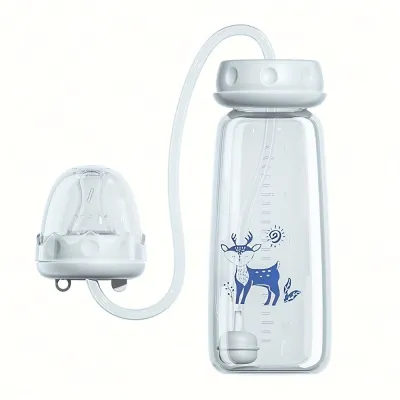
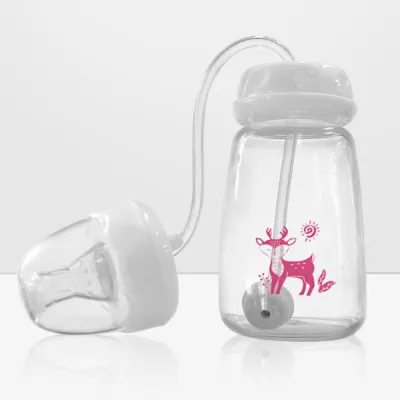
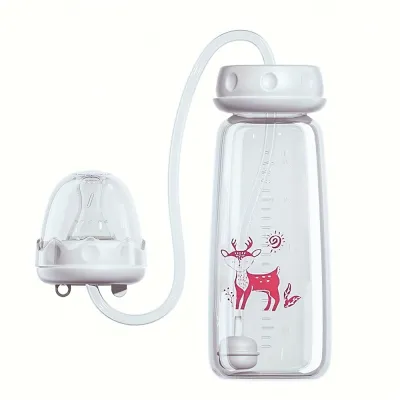
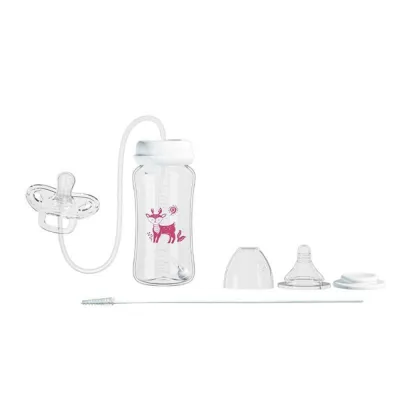
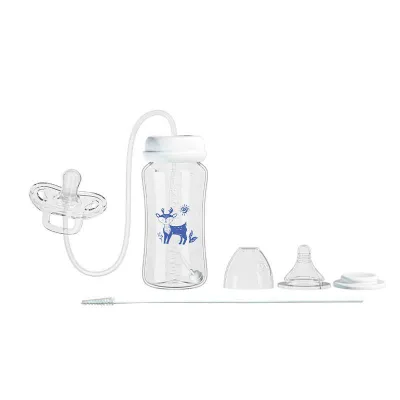
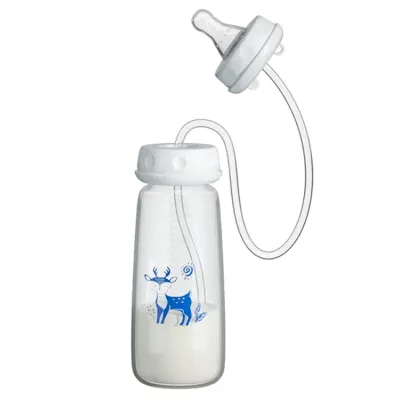
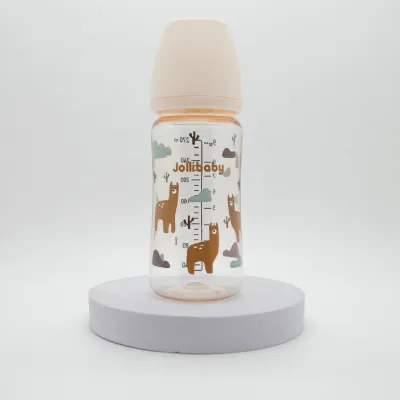
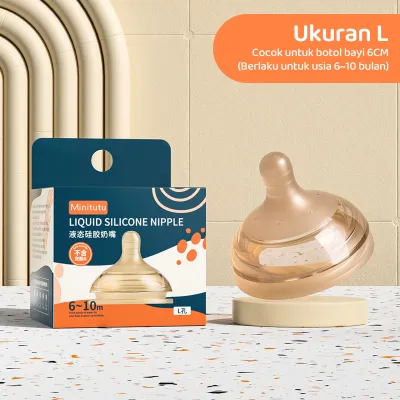
Prices are valid at publication and may change. Please refer to the product page for the latest price.
Glass is the heaviest of the three materials. When filled with breast milk or formula, a glass bottle can become quite heavy, which may cause wearable holders to sag or slip out of position. In tube-based systems, a heavy glass bottle is less likely to tip over on a table, but if it does fall, the weight can pull down on the tubing and strain the connection points at the nipple or cap.
Plastic is the lightest material available, making it exceptionally well-suited for wearable hands-free setups. A lightweight plastic bottle exerts minimal downward pull, keeping wearable harnesses secure and reducing the risk of tubing disconnection. This makes plastic highly convenient for active parents who need to move around while monitoring their baby’s feeding.
Silicone offers a mid-range weight that balances stability and portability. While heavier than plastic, silicone features a naturally grippy, non-slip texture that helps it stay securely inside fabric pockets, elastic straps, or plastic clamps. Before purchasing, always check the weight capacity and design specifications of your specific hands-free holder or bra to ensure it can support your chosen bottle material.
Durability, Scratch Resistance, and Lifespan
Daily use, frequent washing, and accidental drops will test the limits of any hands-free baby feeding bottle. Each material responds differently to physical wear, affecting how long the bottle remains safe and usable. Evaluating these durability factors helps parents anticipate replacement costs and maintain a hygienic feeding setup.

Glass is highly scratch-resistant, meaning its inner and outer surfaces remain smooth and pristine even after months of vigorous scrubbing with bottle brushes. This resistance to scratching prevents bacteria from finding microscopic hiding places. However, glass is fragile; a single drop onto hard kitchen tiles or concrete floors can cause it to shatter, presenting an immediate safety hazard.
Plastic is virtually shatterproof, making it a safe option for chaotic environments where drops are common. Despite this resilience, plastic is highly susceptible to micro-scratches from abrasive cleaning brushes or rough handling. Over time, these tiny scratches can harbor milk residue and bacteria, particularly in warm, humid environments where microbial growth occurs rapidly.
Silicone is highly flexible and completely drop-resistant, bouncing harmlessly when dropped on hard surfaces. This flexibility makes it incredibly durable for travel and outdoor use. However, silicone is softer than plastic and glass, meaning it can tear or degrade if bitten or chewed by older babies with emerging teeth. Caregivers must inspect silicone components regularly for any signs of tearing.
Regardless of the material you choose, regular inspection is essential for maintaining safety. Examine your bottles under bright light for any signs of cloudiness, deep scratches, cracks, or structural tears. Replacing damaged bottles promptly ensures that your hands-free feeding system remains clean, safe, and fully functional.
Heat Resistance and Sterilizer Compatibility
Proper sterilization is vital for protecting an infant’s developing immune system, especially in tropical climates where high humidity encourages rapid bacterial growth. The material of your hands-free baby feeding bottle dictates how it responds to high temperatures during washing, boiling, and steam sterilization.
Glass boasts the highest temperature tolerance of all three materials. It can easily withstand the intense heat of boiling water, electric steam sterilizers, and UV sanitizing cabinets without warping, degrading, or releasing odors. This high thermal resistance makes glass exceptionally easy to sanitize thoroughly day after day.
Silicone also handles high heat very well, making it compatible with most standard steam and boiling sterilization methods. However, because silicone formulations can vary, parents must verify the specific manufacturer’s temperature limits before exposing the bottle to extreme heat. Some silicone bottles may feature plastic collars or connectors that have lower heat tolerances than the silicone body itself.
Plastic has the lowest heat tolerance of the three materials and is the most prone to heat-induced damage. High temperatures can cause certain plastics to warp, bend, or lose their seal, leading to leaks during hands-free feeding. Always check the manufacturer’s labels to confirm if your plastic bottles are dishwasher-safe or sterilizer-safe, and avoid exposing them to temperatures beyond their rated limits.
To prevent premature wear and maintain product warranties, always follow the instruction manuals for both the bottle and your sterilizing equipment. Avoid exposing plastic and silicone bottles to heat sources for longer than recommended. Proper temperature management extends the lifespan of your bottles and ensures a reliable seal during assembly.
Safety, Chemical Leaching, and Maintenance
Maintaining chemical safety and daily hygiene is a top priority when managing baby feeding gear. Because hands-free systems involve extra components like tubes and connectors, choosing a bottle material that is easy to clean and free from harmful chemicals is essential for long-term peace of mind.
When selecting plastic or silicone hands-free bottles, always look for verified labels indicating that the product is BPA-free, BPS-free, and phthalate-free. These synthetic chemicals can pose health risks if they leach into milk. Glass is naturally inert and completely free from synthetic chemicals, making it a highly reliable option for parents who want to avoid plastic compounds entirely.
Silicone is highly safe and chemical-free, but its porous structure means it can absorb food odors, soap residue, or minerals from hard water. In humid tropical climates, damp silicone that is not dried properly can develop a musty smell or attract mold. To prevent this, rinse silicone bottles thoroughly with clean water immediately after washing, and allow them to dry completely in a well-ventilated area.
To keep your hands-free feeding routine hygienic, establish a consistent inspection schedule. Look for signs of material degradation, such as a sticky texture on silicone, persistent cloudiness in plastic, or deep scratches that cannot be cleaned. Replacing any bottle showing these signs of wear ensures that your baby’s milk remains fresh and free from contamination.
Decision Framework: Choosing Your Hands-Free Bottle Material
Selecting the right material for your hands-free baby feeding bottle depends on your lifestyle, your specific feeding setup, and your daily maintenance routine. By matching your primary needs to the strengths of each material, you can find the option that fits seamlessly into your household.
Choose Glass if:
- You prioritize maximum scratch resistance and long-term material purity.
- You prefer high-heat sterilization methods like boiling or heavy steam.
- Your hands-free setup consists of a sturdy tabletop tube system that can easily support the extra weight of glass without tipping.
Choose Plastic if:
- You require the lightest possible bottle for wearable harnesses, travel, or active use.
- You want a budget-friendly, shatterproof option that is easy to pack and carry.
- You are diligent about inspecting your bottles and do not mind replacing them when micro-scratches or cloudiness appear.
Choose Silicone if:
- You want a durable, drop-resistant bottle that is soft and easy to handle.
- You prefer a material that sits between glass and plastic in terms of weight and stability.
- You have a well-ventilated drying area and are committed to thorough cleaning routines to prevent odor absorption.
Before making a final purchase, verify whether your specific hands-free pumping or feeding system has strict material, weight, or dimension restrictions. Some specialized tube systems or wearable holders are designed to work exclusively with specific bottle shapes or lightweight materials. Checking these compatibility requirements beforehand will save you time and ensure a smooth, leak-free feeding experience.
Frequently Asked Questions (FAQ)
Can I use a glass bottle with a hands-free feeding tube system?
While it is physically possible to connect a glass bottle to a hands-free feeding tube system, the heavier weight of glass requires careful management. The weight of a full glass bottle can place significant strain on the flexible tubing, potentially causing the tube to slip off the connector or pull the nipple out of the baby’s mouth. If you choose to use glass, ensure the bottle rests securely on a flat, stable surface close to the baby, and check the tube manufacturer’s compatibility guide to verify if the connectors can handle the weight.
Does silicone affect the taste of breast milk or formula?
High-quality, food-grade silicone is naturally taste-neutral and does not alter the flavor of breast milk or formula. However, because silicone is slightly porous, it can absorb strong odors from dish soaps, scented detergents, or minerals in your water supply over time. If the bottle retains a soapy residue or odor, it can affect how the milk tastes to your baby. To prevent this, use mild, fragrance-free dish soaps, rinse the bottle thoroughly with warm water, and ensure it dries completely in a well-ventilated space.
How often should I replace plastic hands-free bottles?
Rather than following a strict calendar schedule, you should replace plastic hands-free bottles based on their physical condition. Inspect the plastic regularly for signs of wear, such as visible cloudiness, deep micro-scratches, warping from heat exposure, or persistent odors that do not go away after washing. In warm, humid climates, micro-scratches can quickly become breeding grounds for bacteria. If you notice any of these visual or structural changes, replace the bottle immediately to maintain a safe and hygienic feeding routine.

Community discussion
Share your experience or ask a question. Comments are reviewed before publication.