
When it comes to maintaining the hygiene of your baby’s feeding equipment, choosing the right cleaning tool is just as important as selecting the bottle itself. The ideal bottle brush material depends primarily on the material of your baby bottles—whether they are made of glass, plastic, or silicone—and your daily washing habits. In the tropical climate of the Philippines, where ambient warmth and high relative humidity can accelerate the growth of bacteria and mold on damp surfaces, making an informed choice is critical for your infant’s health.
Silicone bottle brushes are generally the safer and more hygienic choice for preventing micro-scratches on plastic and soft silicone bottles. These tiny scratches can easily harbor milk proteins and harmful bacteria. Conversely, nylon bottle brushes provide the high-friction scrubbing power needed to dislodge dried, stubborn milk fat or formula residue from glass bottles. Before cleaning or sterilizing any feeding equipment, always check the applied product’s label and the treated item’s manufacturer instructions. If instructions conflict, the item is unidentified, or the use is not covered, stop and consult the manufacturer or a qualified professional.
Silicone Bottle Brushes: Performance and Safety Profile
Silicone bottle brushes are crafted from food-grade silicone, a flexible elastomer known for its soft, rubbery texture. The bristles of a silicone brush are typically molded as part of a single, continuous head, allowing them to bend easily and conform to the inner contours of a baby bottle. This flexibility is particularly useful for reaching the tight corners at the bottom of the bottle and the curved shoulders near the neck, where milk residue often pools and solidifies.
Products mentioned in this guide
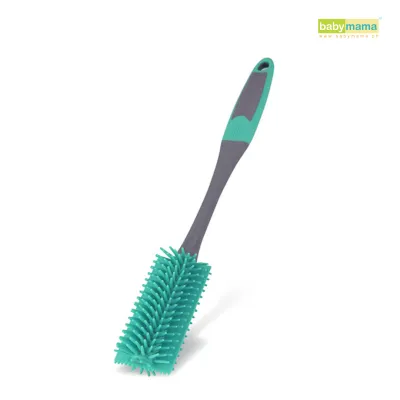

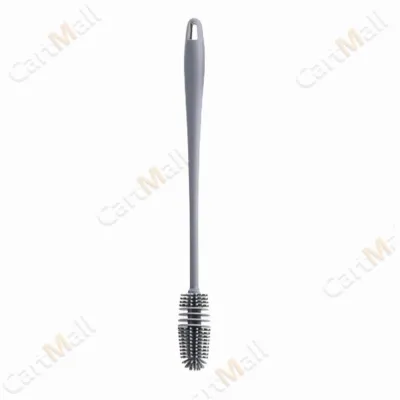
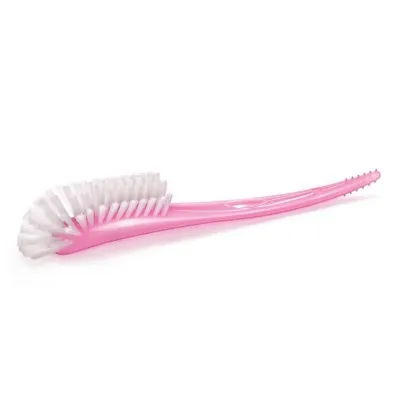
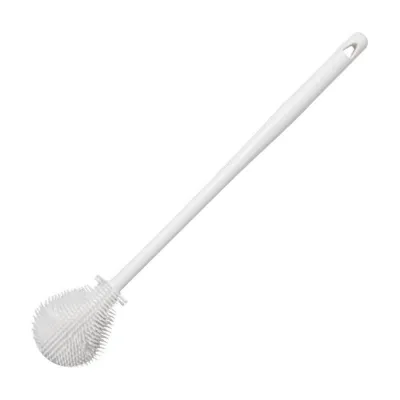
Prices are valid at publication and may change. Please refer to the product page for the latest price.
One of the most significant advantages of silicone is its low scratch risk. Many modern baby bottles are made from plastics like polypropylene (PP), polyethersulfone (PESU), polyphenylsulfone (PPSU), or soft liquid silicone rubber. These materials are susceptible to physical abrasion. Because silicone bristles are smooth and pliable, they glide over these soft surfaces without causing micro-abrasions. Preserving the smooth inner surface of the bottle is essential for long-term hygiene, as even minor scratches can become breeding grounds for bacterial biofilms that resist standard washing.
In terms of cleaning power, silicone brushes excel at routine, daily washing where bottles are rinsed and cleaned shortly after a feeding. However, because silicone is naturally hydrophobic and smooth, it has less surface friction than nylon. If breast milk or formula has dried and hardened inside the bottle—a common occurrence when a bottle is left in a diaper bag during a warm afternoon—a silicone brush may struggle to scrape away the crust. In these scenarios, caregivers must pre-soak the bottle in warm, soapy water to loosen the dried fats and proteins before scrubbing.
From a hygiene standpoint, silicone is highly suited for humid environments. The material is non-porous and hydrophobic, meaning it does not absorb water or trap moisture within the bristles. After washing, a simple shake removes most of the residual water, allowing the brush to dry rapidly. This quick-drying property prevents the development of sour odors and significantly reduces the risk of mold and mildew growth on the brush head itself.
Despite these benefits, caregivers must observe specific safety boundaries. While food-grade silicone can tolerate high temperatures, the handle and core of the brush are often made of standard plastics like polypropylene, which have much lower melting points. Always verify the manufacturer’s temperature limits on the packaging before exposing the brush to boiling water, steam sterilizers, or dishwashers. Never assume a brush is fully sterilizable based on the bristle material alone.
Nylon Bottle Brushes: Scrubbing Power and Durability
Nylon bottle brushes feature dense, synthetic polymer bristles attached to a twisted wire core. This design creates a stiff, high-friction bristle structure that delivers superior mechanical scrubbing power. The physical rigidity of nylon allows the bristles to scrape against surfaces with significant force, making them highly effective at shearing away stubborn, dried-on milk fats, proteins, and thick purees that have adhered to the bottle walls.

This aggressive cleaning action makes nylon brushes the ideal companion for glass feeding bottles. Glass is a highly durable, scratch-resistant material that can withstand the intense friction of nylon bristles without sustaining damage. For parents who use glass bottles and occasionally have delayed washing routines, a nylon brush provides the mechanical force necessary to restore the bottle to a pristine state quickly.
However, the very stiffness that makes nylon effective on glass poses a substantial risk to plastic and silicone bottles. Over weeks of daily use, the sharp tips of nylon bristles act as micro-abrasives on softer materials. This scrubbing action gradually creates a network of microscopic grooves on the inner walls of PP or PPSU bottles. These micro-scratches are highly problematic because they trap microscopic milk particles and moisture, creating an ideal environment for bacterial colonization that standard washing cannot easily reach.
Durability and physical safety are also critical considerations when using nylon brushes. Over time, nylon bristles tend to splay, lose their structural tension, and fray. In humid conditions, the metal wire core holding the bristles can corrode or rust if not dried thoroughly. Furthermore, as the brush ages, individual nylon bristles can break or shed. Caregivers must visually inspect the nylon brush before every single use; loose or shedding bristles present a serious physical hazard and choking risk to infants if they remain inside the bottle after rinsing.
Head-to-Head Comparison: Silicone vs. Nylon Bristles
To help parents make an efficient decision, the table below compares the physical properties and performance characteristics of silicone and nylon bottle brushes.
| Feature | Silicone Brush | Nylon Brush |
|---|---|---|
| Scrubbing Power | Moderate; best for fresh milk or pre-soaked residue | High; excellent for dried-on formula and thick purees |
| Scratch Risk (Plastic/Silicone) | Extremely low; preserves soft surfaces | High; can cause micro-scratches over time |
| Scratch Risk (Glass Bottles) | None; safe for all glass types | None; glass is highly scratch-resistant |
| Heat Resistance (General) | High (verify handle limits on packaging) | Low to moderate; prone to melting or deforming |
| Odor and Mold Retention | Low; non-porous material dries quickly | Moderate to high; traps moisture and organic residue |
| Best Bottle Match | Plastic (PP/PPSU), silicone, and anti-colic bottles | Glass bottles and heavy-duty scrubbing tasks |
Parents should note that exact heat resistance, durability, and bristle density vary significantly by manufacturing quality. Always verify the specific product specifications on the packaging rather than relying solely on general material traits. A high-quality nylon brush with rounded bristle tips may behave differently than a budget alternative, just as a low-quality silicone brush might have poorly secured bristles.
Decision Framework: Which Brush Should You Buy?
Choosing the right bottle brush involves matching the tool to your specific feeding setup, cleaning habits, and environmental conditions. Use the following guidelines to determine which material best suits your household.
Choose Silicone if:
- Your baby primarily feeds from plastic (PP, PPSU, PESU) or soft silicone bottles.
- You practice an immediate cleaning routine, washing bottles shortly after each feeding before milk residue can dry.
- You prioritize long-term hygiene and want to prevent micro-scratches that harbor bacterial biofilms.
- You live in a highly humid environment where quick-drying, mold-resistant cleaning tools are essential to maintain sanitary conditions.
Choose Nylon if:
- Your feeding system consists primarily of tempered glass bottles.
- You frequently deal with dried-on formula or breast milk that has sat in the sink or diaper bag for several hours.
- You require a high-friction tool to scrub away thick liquid residues or purees from narrow-neck bottles.
Neither may fit if:
- You need to clean complex valve systems, tiny anti-colic vents, or narrow straw attachments. Standard silicone and nylon bottle brushes are too bulky to clean these delicate components safely. For these parts, look into specialized micro-sponge detail brushes, miniature wire-bound valve cleaning kits, or dedicated straw brushes designed specifically for infant cup accessories.
Verify first if:
- Your baby bottle manufacturer explicitly forbids certain brush types or bristle stiffness in their official care instructions. Some premium PPSU or silicone bottle brands explicitly state in their user manuals which cleaning tools are safe to use to maintain their product warranty and material integrity.
Care, Sterilization, and Replacement Guidelines
To ensure ongoing hygiene and prevent contamination, caregivers must maintain the bottle brush with the same diligence as the bottles themselves. Establish a consistent routine for cleaning, drying, and inspecting the brush.
For routine cleaning, rinse the bottle brush thoroughly under warm running water immediately after every use to flush out any lingering milk film or soap suds. Wash the bristles with mild, baby-safe dish soap, ensuring no organic residue remains trapped at the base of the bristles. Shake off excess water vigorously and place the brush in an upright position in a well-ventilated, dry area. In the Philippines, avoiding damp, enclosed cabinets is crucial; keeping the brush in an open-air drying rack prevents mold and mildew from taking hold.
Sterilization boundaries must be respected to avoid damaging the brush. While food-grade silicone generally tolerates high temperatures, you must verify the specific brush’s heat rating on the packaging before boiling it or placing it in an electric steam sterilizer. Many silicone brushes feature plastic handles that cannot withstand boiling temperatures and will warp. Nylon brushes are highly sensitive to heat; exposing them to boiling water or steam sterilizers often causes the synthetic bristles to deform, melt, or lose their structural integrity, rendering them useless.
No bottle brush lasts indefinitely, and caregivers must regularly inspect their cleaning tools for physical signs of wear. Discard and replace the brush immediately if you observe frayed or bent bristles, bristle shedding, dark spots indicating mold, stubborn discoloration, or a persistent sour odor that does not go away after washing. As a general safety practice, consider replacing nylon brushes every 4 to 6 weeks, while high-quality silicone brushes may last up to 3 to 4 months if they show no physical signs of degradation. If your baby experiences persistent digestive issues or colic, consult a pediatrician or healthcare professional to rule out underlying medical concerns.
Frequently Asked Questions (FAQ)
Can I use a regular kitchen sponge instead of a bottle brush?
Using a standard kitchen sponge to clean baby bottles poses significant hygiene risks. Kitchen sponges are notorious for harboring millions of bacteria from raw food, grease, and household dirt, leading to cross-contamination. Furthermore, a flat kitchen sponge cannot physically reach the bottom corners, narrow necks, or curved shoulders of baby bottles, leaving behind invisible pockets of milk residue that can spoil and cause digestive distress. Always dedicate a specific, clean brush solely for your baby’s feeding equipment.
Are sponge-tipped bottle brushes better than silicone or nylon?
Sponge-tipped bottle brushes offer excellent absorbency and create a rich lather, making them very gentle on glass bottles and highly effective at wiping away light milk film. However, they have major durability and hygiene drawbacks. Sponges tear easily, especially when pushed through narrow bottle necks or rubbed against plastic threads. More importantly, in humid climates, sponge heads retain water for a long time, making them highly susceptible to bacterial growth, mold, and sour odors. If you choose a sponge brush, it must be replaced much more frequently than silicone or nylon alternatives.

Community discussion
Share your experience or ask a question. Comments are reviewed before publication.