
Choosing between silicone and natural rubber for your baby’s bottle-feeding journey often comes down to balancing durability, texture, and your baby’s unique latching style. While silicone offers a highly durable, taste-free, and heat-resistant option, natural rubber provides a softer, more flexible feel that closely mimics the natural breast. For parents navigating the Avent anti-colic feeding system, understanding how these materials perform under daily use—especially in warm, humid climates—is key to ensuring a comfortable and safe feeding experience.
Core Differences in Texture and Flexibility
Silicone and natural rubber possess distinct physical properties that immediately affect how they look, feel, and behave during a feed. Silicone is a synthetic, medical-grade material known for its crystal-clear transparency. It has a firmer, more structured feel that retains its shape even under strong suction. This structural integrity makes it highly predictable, though some infants may find it slightly rigid during their first few attempts to latch.
In contrast, natural rubber—often harvested from the sap of rubber trees—is easily recognized by its opaque, warm amber or yellow-brown hue. It is exceptionally soft and highly elastic, stretching and flexing dynamically in response to the movement of your baby’s tongue and jaw. This high level of flexibility closely replicates the natural elasticity of skin, which can make the transition from breast to bottle smoother for some infants.
Products mentioned in this guide
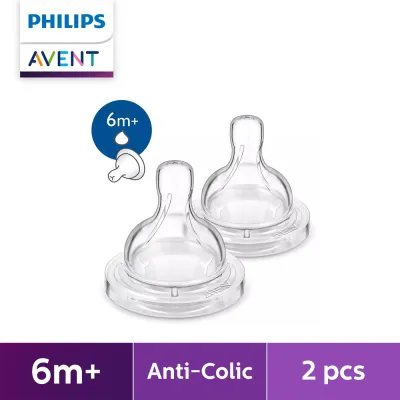
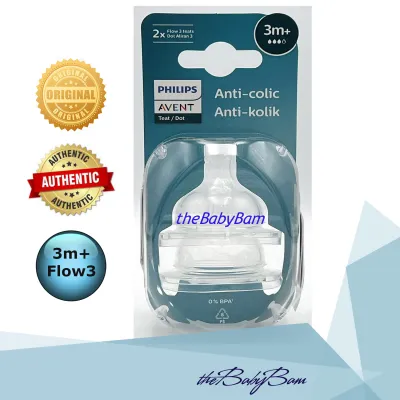
![Philips Avent 1m+ Anti-colic Slow Flow Nipples 2-pack [Expiry on September 24 2026]](https://img.lazcdn.com/g/p/650815719c5cf69b0876d133aa3dc62c.jpg_400x400q80.jpg_.webp)
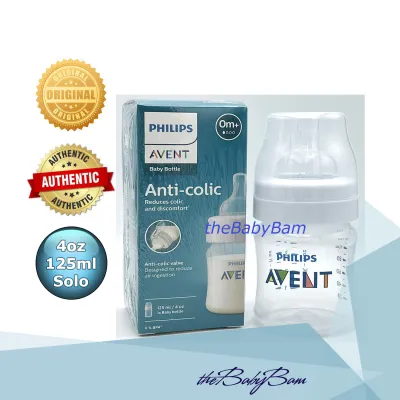
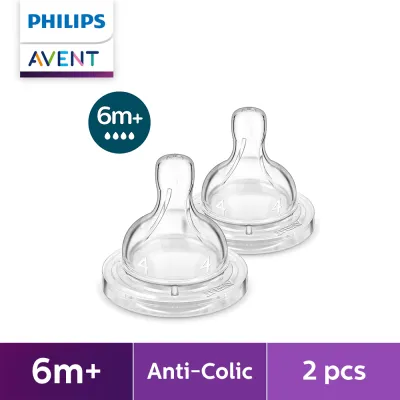
Prices are valid at publication and may change. Please refer to the product page for the latest price.
These tactile differences directly influence the initial latch experience. A baby accustomed to the firm resistance of a pacifier or a specific bottle brand might prefer the steady shape of silicone. On the other hand, a baby who relies on a highly active, wrapping tongue movement may find the yielding softness of natural rubber more comfortable. Observing how your baby’s mouth molds around the nipple during the first few seconds of a feed can give you valuable clues about their material preference.
Durability, Cleaning, and Sterilization Checks
Maintaining bottle hygiene requires careful attention to how each material reacts to heat, moisture, and cleaning agents. Because the Philippines experiences high year-round humidity and warm temperatures, storing and sterilizing these items requires a disciplined approach to prevent premature degradation. Parents must always verify the specific sterilization methods and maximum temperature limits printed on the official Avent packaging before using any device.

Silicone is highly resilient and compatible with almost all modern sterilization methods. It can easily withstand the intense heat of boiling water, electric steam sterilizers, and the specific wavelengths of UV sterilizers without losing its shape or clarity. This makes silicone an incredibly low-maintenance option for busy households where quick, high-heat sanitizing is the norm.
Natural rubber, however, is an organic material that is highly sensitive to environmental factors. It does not tolerate prolonged exposure to high heat, UV light, or moisture. When exposed to UV sterilizers or left soaking in boiling water beyond the manufacturer’s recommended time, natural rubber can break down rapidly. For this reason, parents using natural rubber must strictly adhere to gentle cleaning guidelines, often involving quick warm-water washes and air-drying away from direct sunlight.
Regularly inspecting these nipples for observable signs of wear is crucial for your baby’s safety. For natural rubber, look out for a sticky texture, visible swelling, a soft or gummy feel, or dark discoloration, which indicate the material is decomposing and must be discarded immediately. For silicone, inspect the surface for tiny tears, thinning around the tip, or distinct bite marks caused by teething. In general, natural rubber nipples require much more frequent replacement—often every 4 to 6 weeks—while silicone nipples typically last longer, though both should be replaced at the first sign of damage.
Matching the Nipple to Your Baby’s Feeding Style
Every baby develops a unique feeding style, and matching the nipple material to their biting habits and sensory preferences can prevent feeding frustration. Teething babies, for instance, often use their bottles as a soothing mechanism, biting down hard on the nipple during or after a feed. Silicone’s firm, tear-resistant nature makes it much better suited to withstand the sharp pressure of emerging baby teeth without tearing.
Natural rubber, while incredibly soft, is more vulnerable to being punctured or torn by active biting. If your baby has started teething and tends to chew aggressively on the nipple, continuing with natural rubber requires constant vigilance to ensure small pieces do not tear off. If you notice your baby repeatedly biting through rubber nipples, transitioning to a firmer silicone option is often the most practical next step.
Sensory factors also play a significant role in bottle acceptance. Natural rubber has a distinct, slightly sweet organic taste and scent that some babies find comforting because it feels more natural. However, other infants are highly sensitive to this odor and may reject the bottle entirely. Silicone is completely odorless and tasteless, offering a neutral sensory experience that is highly consistent from feed to feed.
If you need to transition your baby from one material to another, do so gradually. Start by introducing the new nipple during the first feed of the day when your baby is hungry but not overly tired or fussy. Keep the feeding environment calm, and allow your baby to explore the new texture at their own pace. If they struggle with the flow, double-check that the new nipple matches their current developmental flow rate, as material firmness can slightly alter how quickly the milk is released.
Essential Safety Verifications and Allergy Checks
Before introducing any feeding accessory to your baby, performing a thorough safety check is a non-negotiable step. When considering natural rubber, the most critical verification is checking the product packaging for latex allergy warnings. Because natural rubber contains latex proteins, babies with a family history of latex sensitivity or those showing signs of skin irritation should avoid this material entirely, making hypoallergenic silicone the safer choice.
Before every single feed, take a moment to inspect the physical structure of the nipple. Gently pull the tip in all directions to check for hidden micro-tears or structural weakness, especially around the feeding hole. For Avent anti-colic nipples, ensure that the specialized anti-colic vent is properly aligned and clear of any dried milk residue or debris, as a blocked vent can disrupt the pressure equalization and cause your baby to swallow excess air.
Additionally, always confirm that the flow rate and age recommendations printed on the product box align with your baby’s current developmental stage. Using a flow rate that is too fast can cause choking or sputtering, while a flow rate that is too slow can lead to fatigue and excessive air swallowing. Never attempt to manually enlarge the feeding hole with a needle or scissors, as this ruins the structural integrity of the material and creates a severe choking hazard.
Quick Decision Checklist for Parents
To help you finalize your choice, consider this quick summary of when each material shines brightest. Choose silicone if you prioritize long-lasting durability, easy sterilization in steam or UV devices, a completely odorless material, and a firm texture that resists teething bites. This option is highly practical for busy parents looking for a low-maintenance, cost-effective solution that holds up well under tropical storage conditions.
Choose natural rubber if your baby prefers an exceptionally soft, flexible, and skin-like texture, or if you are transitioning from direct breastfeeding and find that your baby rejects firmer synthetic materials. Keep in mind that choosing natural rubber means committing to gentler hand-washing routines, avoiding UV sterilizers, and budgeting for more frequent replacements, which can impact your monthly expenses in ₱.
While minor feeding adjustments are common, persistent issues require professional guidance. If your baby consistently rejects both materials, shows signs of excessive gas, coughs or chokes during feeds, or exhibits skin redness around the mouth, pause bottle use. Consult a pediatrician or a qualified lactation consultant to evaluate their latch, check for oral ties, and receive personalized feeding recommendations.
Frequently Asked Questions (FAQ)
Can I mix silicone and natural rubber nipples on the same Avent bottle?
Yes, but you must always verify the compatibility of the specific bottle collar and threading system. Before feeding, assemble the bottle with the chosen nipple and perform a quick leak check by tipping it over. Ensure the nipple sits perfectly flush against the collar without any gaps, as mismatched components can cause milk to bypass the anti-colic vent or leak during use.
How do I know if my baby is reacting poorly to a specific nipple material?
Monitor your baby closely during and immediately after feeding for physical signs of discomfort. Watch for redness, swelling, or a rash around the lips and mouth, which could indicate a sensitivity or latex allergy. Sudden behavioral changes, such as pulling away from the bottle, crying during feeds, or refusing to latch, are also clear signs to stop using that material immediately and consult your pediatrician.

Community discussion
Share your experience or ask a question. Comments are reviewed before publication.