
Choosing between silicone and latex wide neck nipples depends on balancing durability, allergy risks, and your baby’s latch preference. There is no single best material for every infant; the right choice relies on your baby’s specific feeding needs, texture preferences, and your daily maintenance routine. This guide breaks down the practical differences to help you make an informed decision for your bottle-feeding journey.
Understanding Wide Neck Nipples and Material Options
Wide neck nipples are designed with a broad, sloping base that closely mimics the natural shape of a mother’s breast. This structural design helps support a wider, more natural latch, making the transition between breastfeeding and bottle-feeding smoother for many infants. Because the base is wider, these bottles are generally easier to clean and fill without spilling formula or breast milk.
When selecting a wide neck nipple for bottle feeding, you will primarily choose between two materials: silicone and latex. Silicone is a clear, synthetic, medical-grade elastomer that is firm, highly durable, and resistant to heat. Latex, on the other hand, is a natural rubber harvested from trees, recognizable by its distinct amber or golden-brown color and its highly flexible, soft texture.
Products mentioned in this guide
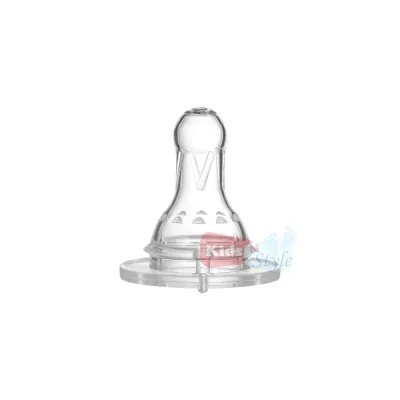
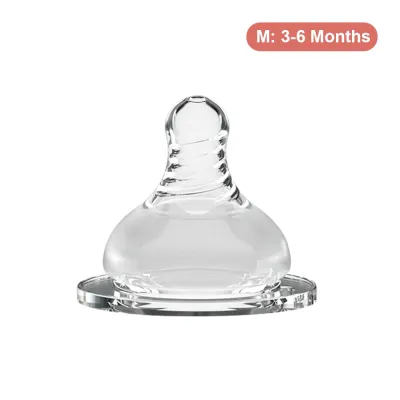
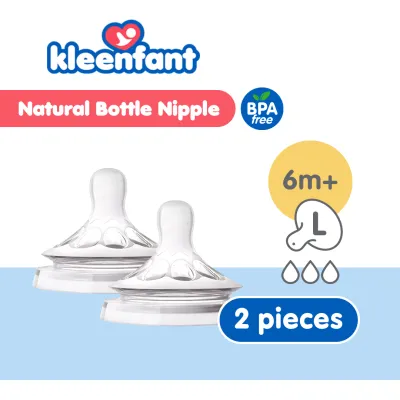
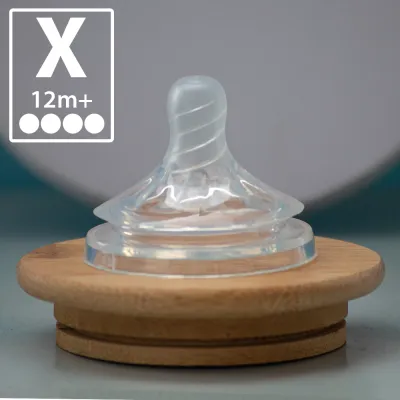
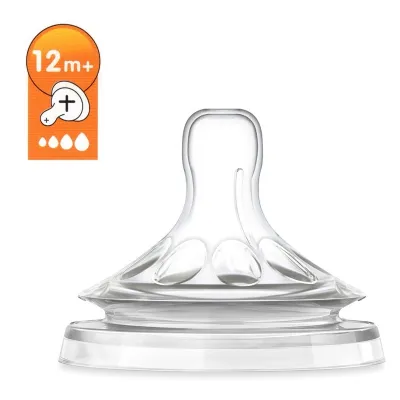
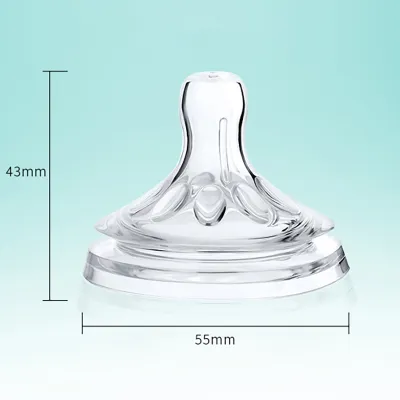
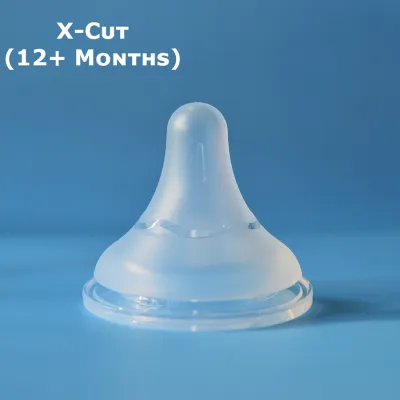
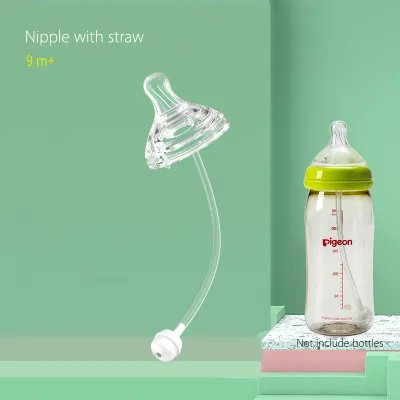
Prices are valid at publication and may change. Please refer to the product page for the latest price.
Both materials are widely available across various flow rates, shapes, and age-specific designs. Whether you need a slow-flow nipple for a newborn or a fast-flow option for an older infant, manufacturers offer both silicone and latex options to accommodate these developmental stages.
Durability and Daily Care: Silicone vs. Latex
Silicone is highly resilient and stands up exceptionally well to frequent use, biting, and high-temperature sterilization. It does not easily warp, stretch, or degrade when exposed to heat, making it highly compatible with steam sterilizers, boiling water, and UV sterilizing appliances. For parents living in warm, humid tropical climates like the Philippines, silicone remains stable and does not become sticky or degrade when stored in ambient room temperatures.

Latex is a softer, natural material that is inherently more prone to wear and tear. Over time, exposure to heat, sunlight, fats in milk, and constant cleaning causes natural rubber to break down, expand, and lose its original shape. In humid environments, latex nipples can degrade even faster, eventually becoming sticky, soft, or prone to tearing, especially once your baby starts developing teeth and biting during feeds.
Daily maintenance routines differ significantly between the two materials. While silicone can withstand rigorous cleaning and sterilization cycles, latex requires gentler handling and should be inspected daily for signs of deterioration. Always check the manufacturer’s specific instructions regarding boiling or steam sterilization limits, as excessive heat can rapidly shorten the lifespan of natural rubber.
Regardless of the material you choose, regular inspection is crucial for your baby’s safety. You should discard and replace any nipple immediately if you observe discoloration, fine cracks, a sticky texture, loss of elasticity, or visible tears. A damaged nipple can pose a choking hazard or alter the milk flow rate, which can disrupt your baby’s feeding rhythm.
Safety, Allergies, and Feeding Preferences
Safety and health considerations are paramount when selecting feeding equipment. Latex contains natural proteins that can trigger allergic reactions in sensitive infants or family members with a history of latex allergies. If there is any known or suspected latex sensitivity in your household, silicone serves as the standard, highly recommended hypoallergenic alternative that eliminates this risk entirely.
The physical feel of the material plays a major role in how easily your baby accepts the bottle. Silicone is firmer and holds its shape consistently under suction, which helps maintain a steady, predictable flow of milk. However, some babies find silicone too rigid, especially if they are accustomed to the soft, highly pliable feel of the breast.
Latex nipples are exceptionally soft and flexible, closely mimicking the natural elasticity of skin. This pliable texture allows the nipple to conform easily to the baby’s mouth, which can be highly comforting for infants who struggle to latch onto firmer silicone options. However, natural rubber can sometimes retain a slight distinct odor or taste, which some sensitive babies might reject.
Because babies develop unique sucking rhythms and sensory preferences, you may need to observe how your infant responds to each texture. If your baby seems to tire quickly or struggles to maintain a seal, the flexibility of the nipple material could be a contributing factor. Always consult a pediatrician or a lactation consultant if you experience persistent feeding refusal or suspect an allergic reaction.
How to Decide: A Practical Checklist for Parents
To make the best choice for your household, consider your daily routine, safety requirements, and your baby’s specific feeding behavior.
Choose silicone if you:
- Prioritize long-lasting durability and want to replace nipples less frequently.
- Prefer using high-heat steam sterilizers, UV sterilizers, or boiling water regularly.
- Need a completely hypoallergenic option to avoid any risk of latex protein allergies.
- Want a material that remains stable and non-sticky in warm, humid tropical conditions.
Choose latex if you:
- Have a baby who consistently rejects firmer silicone nipples and prefers a softer, more pliable texture.
- Do not have any history of latex allergies or sensitivities in your household.
- Are willing to inspect the nipples daily and replace them more frequently as they degrade.
Before introducing any new nipple, verify the manufacturer’s specifications for age suitability and flow rate to ensure it matches your baby’s developmental stage. Inspect the nipple thoroughly before every single feed by pulling on the bulb to check for tears or structural weakness. If your baby exhibits persistent feeding difficulties, colic symptoms, or signs of skin irritation, consult a pediatrician or healthcare professional for personalized guidance.
Frequently Asked Questions (FAQ)
Can I mix silicone and latex nipples for the same baby?
It is generally best to maintain consistency and stick to one material once your baby has successfully accepted it. Because silicone and latex have vastly different textures, firmness levels, and flexibility, switching back and forth between them can confuse your baby and disrupt their established sucking rhythm. If you must transition from one material to the other, do so gradually and monitor your baby’s latch and comfort during feeds.
How do I know when it is time to replace a wide neck nipple?
You should replace a wide neck nipple immediately if you observe physical signs of wear, such as stretching, cracking, stickiness, discoloration, or a change in the flow rate where milk pours out too quickly. Even without visible damage, manufacturers typically recommend replacing silicone nipples every two to three months, and latex nipples every four to six weeks, due to natural wear and hygiene considerations. Always follow the specific replacement timeline provided in your product’s documentation.
Are wide neck nipples compatible with all standard bottles?
No, wide neck nipples are specifically engineered to fit wide neck bottles and will not seal correctly on standard or narrow neck bottles. Using a nipple with an incompatible bottle collar can cause leaks, air entry, or sudden spills during feeding. Always verify brand and model compatibility before purchasing, as different manufacturers design their wide neck systems with unique thread patterns and collar diameters.

Community discussion
Share your experience or ask a question. Comments are reviewed before publication.