
Quick Answer: Which Bottle Material Is Best for Newborns?
Choosing the safest material for your baby bottle newborn set depends entirely on how you clean, handle, and maintain the bottles in your daily routine. There is no single universal winner, as each material presents distinct trade-offs that cater to different household needs.
Glass offers unmatched chemical inertness but is heavy and prone to breaking if dropped. Plastic is lightweight, highly affordable, and shatterproof, but it degrades over time and requires strict temperature monitoring during cleaning. Silicone provides a flexible, durable, and lightweight middle ground, though it can absorb milk fats and soapy odors if not washed immediately.
To ensure maximum safety, always check the manufacturer’s packaging for specific age-appropriate designs, weight ranges, and safety certifications rather than relying on the material name alone.
Products mentioned in this guide
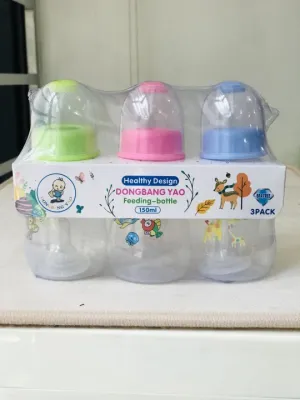
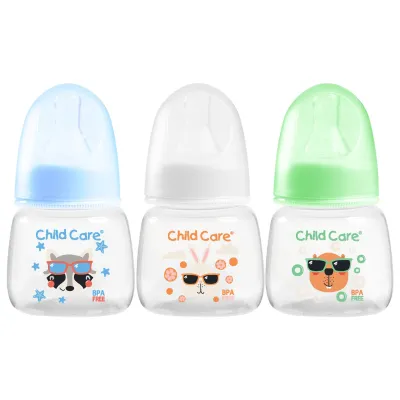
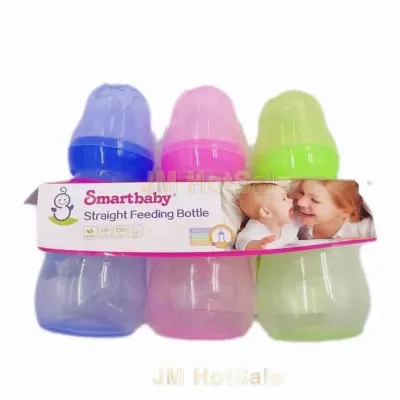
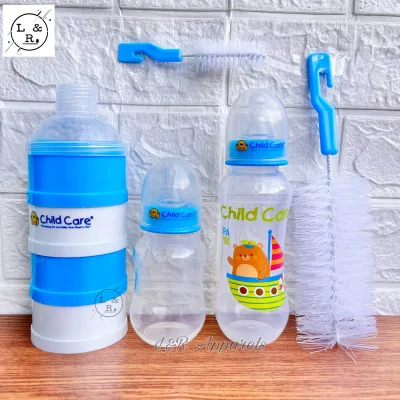
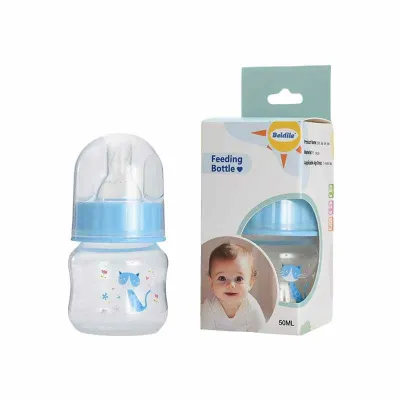
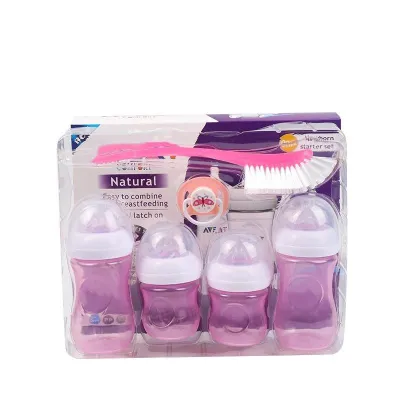
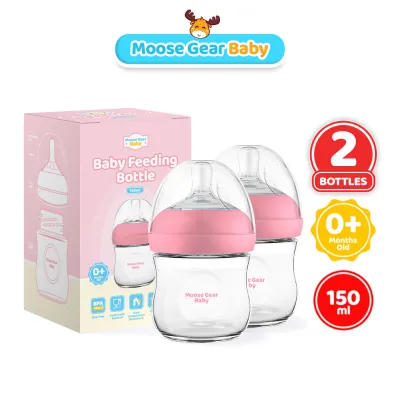
Prices are valid at publication and may change. Please refer to the product page for the latest price.
Safety and Health: What to Verify for Each Material
When evaluating bottle materials, understanding what to verify on the product label is essential for protecting your newborn’s developing immune system. Each material requires specific quality checks before it can be safely introduced to your feeding routine.

Glass Bottles
Glass is widely considered the gold standard for chemical purity because it is naturally non-porous and does not leach chemicals into breast milk or formula. When shopping for glass bottles, verify that the manufacturer specifies the use of tempered or borosilicate glass. Borosilicate glass is highly resistant to thermal shock, meaning it can safely transition from a cold refrigerator to a warm bottle warmer without cracking. Additionally, check if the brand offers compatible protective silicone sleeves to minimize the risk of shattering during handling.
Plastic Bottles
Plastic bottles are highly popular due to their convenience, but they require the most rigorous label verification. You must explicitly verify that the packaging displays “BPA-free” and “BPS-free” labels, ensuring the plastic does not contain harmful bisphenol compounds. Common plastics include Polypropylene (PP) and Polyphenylsulfone (PPSU), with PPSU offering superior heat resistance and durability. Never heat plastic bottles in a microwave or expose them to temperatures exceeding the manufacturer’s recommended limit during sterilization, as extreme heat can accelerate material degradation.
Silicone Bottles
Silicone is a soft, semi-flexible material that is naturally free from BPA, phthalates, and heavy metals. When selecting silicone bottles, verify that the product is certified as 100% food-grade or medical-grade silicone. To ensure the bottle does not contain cheap plastic fillers, perform a simple twist test: pinch and twist a flat section of the silicone. If white color shows through the crease, the material may contain fillers, and you should consult the manufacturer’s documentation to verify its purity.
Regardless of the material you choose, always inspect the bottle, collar, and nipple before each feeding. If you notice any structural changes, cracks, or persistent discoloration, stop using the bottle immediately and consult a healthcare professional or lactation specialist if your baby experiences ongoing feeding difficulties.
Durability and Daily Practicality: Weighing the Trade-offs
How a bottle performs during daily use is just as important as its chemical makeup. Caring for a newborn involves frequent feedings, often in a state of sleep deprivation, making durability and ease of handling crucial factors.
In a busy household, drops are inevitable. Glass bottles carry a constant risk of shattering, especially on hard tile floors common in tropical homes. While protective sleeves help, a shattered glass bottle creates an immediate safety hazard for everyone in the room. Plastic and silicone bottles are virtually drop-proof, making them highly practical for active households, travel, and eventual self-feeding stages.
Feeding fatigue is another practical consideration. Glass bottles are significantly heavier than plastic and silicone alternatives. Holding a heavy glass bottle for a 20-minute feeding session, especially during late-night feeds, can cause hand and wrist strain. Lightweight plastic and silicone bottles are much easier to hold for extended periods and are more comfortable to pack in a diaper bag when heading out.
Accurate measurement markings are vital for mixing infant formula correctly. Incorrect water-to-powder ratios can lead to dehydration or digestive issues for your newborn. Plastic bottles often feature printed markings that can fade or rub off after months of vigorous scrubbing. Glass and silicone bottles frequently feature embossed or deeply engraved markings that remain legible throughout the lifespan of the bottle, ensuring safe and precise preparation every time.
Cleaning, Sterilization, and Maintenance Requirements
Proper hygiene is critical to protecting your newborn from harmful bacteria. In warm, humid climates, moisture can quickly encourage mold and bacterial growth if bottles are not cleaned and dried thoroughly.
Sterilization Compatibility
Different materials react differently to sterilization methods such as boiling, electric steam, and UV light. Glass and silicone are highly heat-resistant and compatible with almost all sterilization methods. However, many plastic bottles, particularly those made of PP, can degrade or release microplastics when exposed to high heat or UV sterilization over prolonged periods. Always consult your specific product’s manual to verify which sterilization methods are approved by the manufacturer.
Inspecting and Replacing Plastic
Plastic bottles require regular inspection and a strict replacement schedule. Stiff nylon bottle brushes can create micro-scratches on the inner walls of plastic bottles, creating tiny crevices where bacteria and milk residue can hide. Use a soft sponge or silicone brush instead. Inspect plastic bottles weekly for cloudiness, deep scratches, or a sticky texture. If any of these signs are present, discard the bottle immediately to maintain feeding safety.
Maintaining Glass and Silicone
Glass bottles should be inspected before every single feed for hairline cracks, chips around the rim, or internal scratches. Even a tiny chip can pose a hazard to your baby’s mouth or hands. Silicone bottles, while highly durable, tend to absorb milk fats and soapy odors over time. To prevent this, wash silicone bottles immediately after feeding using warm water and a mild, fragrance-free dishwashing liquid. If a soapy smell persists, boiling the silicone parts in clean water for a few minutes can help release the trapped odors.
Building Your Newborn Set: Cost and Practical Combinations
When planning your baby bottle newborn set, balancing your budget with daily convenience will help you create a highly functional feeding system.
Upfront vs. Long-Term Costs
Plastic bottles are the most budget-friendly option upfront, with individual bottles often costing between ₱150 and ₱300. However, because plastic bottles should be replaced every 3 to 6 months due to wear and tear, the long-term cost can accumulate. Glass bottles (ranging from ₱500 to ₱900) and silicone bottles (ranging from ₱600 to ₱1,200) require a higher initial investment but do not need to be replaced unless damaged, making them highly cost-effective over time.
The Hybrid Approach
Many experienced parents find that a hybrid bottle set offers the best balance of safety and convenience. You can use glass bottles at home, where cleaning, sterilization, and temperature-controlled warming are easily managed. For travel, clinic visits, or daycare, you can pack lightweight plastic or silicone bottles in your diaper bag to reduce weight and eliminate the risk of breakage on the go.
Factoring in Accessories
When budgeting for your newborn set, remember to account for ongoing accessory costs. Silicone nipples wear out and lose their shape every 2 to 3 months, requiring regular replacement to match your baby’s growing developmental stage and flow-rate needs. Additionally, factor in the cost of specialized cleaning brushes, protective silicone sleeves for glass bottles, and a drying rack that allows for proper airflow in humid conditions.
How to Decide: A Conditional Choice Framework
To help you make the right decision for your family, use this straightforward framework based on your lifestyle, feeding habits, and daily routine.
Choose Glass If:
- You prioritize maximum chemical purity and want a material that will not scratch or retain odors.
- You plan to use the same bottles for future siblings and want a highly durable, long-term investment.
- You primarily feed your baby at home in a controlled, carpeted, or low-impact environment.
Choose Plastic If:
- You want an affordable, lightweight, and highly accessible option for travel and on-the-go feeding.
- You are diligent about inspecting bottles regularly and do not mind replacing them every few months.
- You need a lightweight bottle that family members or caregivers of all ages can easily handle without fatigue.
Choose Silicone If:
- You want a lightweight, drop-proof bottle that offers a soft, natural feel mimicking breastfeeding.
- You are willing to invest more upfront for a durable material that resists cracking and high heat.
- You prefer a bottle with highly durable, embossed measurement markings that will not fade over time.
Verify First If:
- The bottle brand offers slow-flow nipples specifically designed for newborns to prevent choking and gas.
- The bottle shape and neck width are compatible with your existing breast pump, bottle warmer, and sterilizer.
- The manufacturer's warranty covers replacement parts, and compatible nipples are easily purchasable online or at local baby boutiques.
Ultimately, your baby’s feeding comfort, latch quality, and nipple flow rate are just as critical to feeding success as the bottle material itself. If your newborn struggles with feeding, shows signs of colic, or rejects a specific bottle shape, consult a pediatrician or a certified lactation consultant for personalized guidance.
Frequently Asked Questions (FAQ)
Can I mix different bottle materials for my newborn?
Yes, mixing different bottle materials is entirely safe and highly practical for many families. You can use glass bottles at home for easy sterilization and transition to lightweight plastic or silicone bottles when traveling or visiting family. The most important factor when mixing materials is to keep the nipple shape, texture, and flow rate consistent across all bottles. Introducing different nipple styles simultaneously can confuse your newborn and lead to latch issues or feeding refusal.
Do silicone bottles collapse when the baby drinks?
Some soft silicone bottles are specifically designed to contract or collapse slightly as your baby drinks. This design feature mimics the natural movement of the breast and helps reduce the amount of air your baby swallows, which can minimize gas and colic. However, if a silicone bottle collapses completely and stops the milk flow, check the manufacturer’s instructions to ensure the anti-colic air vents on the nipple or collar are clean, dry, and properly aligned to allow air back into the bottle.
How often should I replace plastic baby bottles?
Plastic baby bottles should generally be replaced every 3 to 6 months, depending on how frequently they are used and sterilized. However, you should perform visual and tactile checks weekly. Discard and replace any plastic bottle immediately if you notice deep scratches, cloudiness, a sticky texture, persistent sour milk odors, or faded measurement markings. Using damaged plastic bottles increases the risk of bacterial buildup in scratches and can compromise feeding safety.
Community discussion
Share your experience or ask a question. Comments are reviewed before publication.