
Choosing between silicone and latex for your baby’s slow flow feeding nipple comes down to balancing durability, ease of sterilization, and your baby’s unique latching preference. While both materials serve the vital purpose of regulating milk flow for newborns and infants, they perform differently under daily wear, cleaning routines, and physical handling. Understanding these differences helps you select a safe, comfortable option that fits seamlessly into your daily feeding routine.
Silicone is a highly durable, hypoallergenic synthetic material that stands up well to intense heat, making it the practical choice for most modern households. On the other hand, natural rubber latex is softer, highly flexible, and mimics the natural warmth and texture of skin, which can help babies who struggle to latch onto firmer materials. By evaluating how each material behaves, you can make an informed decision that supports your baby’s feeding development while keeping maintenance manageable.
Comparing the Physical and Sensory Differences
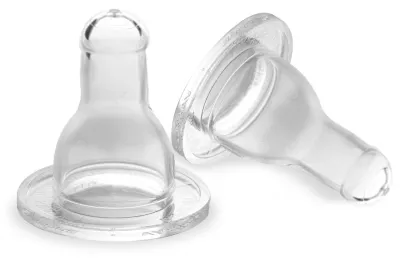
Identifying the physical and sensory distinctions between silicone and latex is the first step in choosing the right slow flow feeding nipple. Visually, the two materials are easy to tell apart. Silicone nipples are completely clear and transparent, maintaining a glass-like appearance when clean. Latex nipples have a distinct amber, golden-brown, or semi-opaque yellow tint that comes from the natural rubber sap used in their production.
Products mentioned in this guide
![Philips AVENT [Online Exclusive] 1m+ Anti-colic Slow Flow Nipple](https://img.lazcdn.com/g/p/37efcfadf7d35b4de27255246969584b.jpg_400x400q80.jpg_.webp)
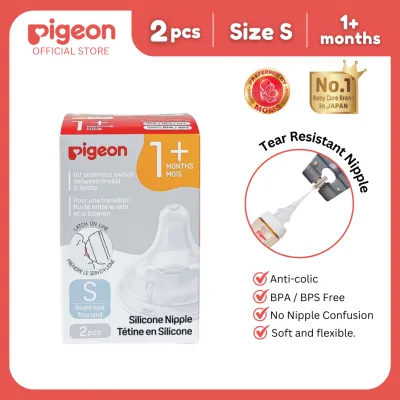
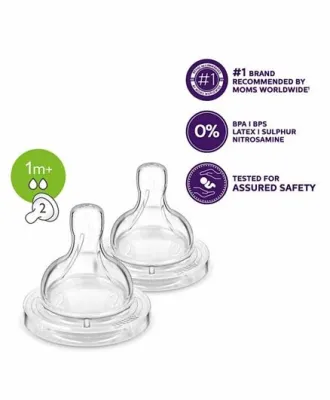
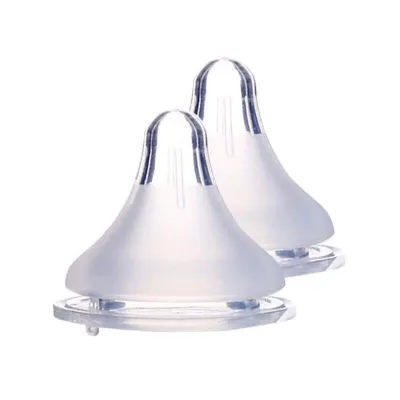
Prices are valid at publication and may change. Please refer to the product page for the latest price.
Tactile differences are even more pronounced during active use. Silicone is a firmer material that holds its molded shape under pressure, offering a consistent structure that resists collapsing. Latex is highly elastic, incredibly soft, and stretches easily in response to the baby’s tongue movements. This high elasticity gives latex a more pliable feel that closely resembles the natural movement of breast tissue.
Odor and taste profiles also differ significantly between the two materials, which can influence your baby’s initial acceptance. Silicone is completely odorless and tasteless, providing a neutral feeding experience that does not interfere with the flavor of breast milk or formula. Latex has a mild, distinct rubbery scent and a slightly sweet taste inherent to natural rubber. While some infants accept this natural profile without hesitation, others may reject the bottle initially due to the unfamiliar scent.
These sensory differences stem directly from how each material is manufactured. Silicone is a synthetic polymer made from silicon, oxygen, carbon, and hydrogen, resulting in a highly consistent, smooth, and inert surface. Latex is harvested as a natural sap from rubber trees and processed into a flexible elastomer. This organic origin gives latex a warmer, more skin-like texture when filled with warm milk, though it also makes the material more variable and sensitive to environmental factors.
Navigating Safety Labels and Allergy Risks
When introducing any feeding accessory to your baby, verifying safety labels and understanding material-specific health risks is essential. The primary concern with latex is the risk of a natural rubber latex allergy. Because latex is derived from a natural plant source, it contains organic proteins that can trigger allergic reactions in sensitive individuals. Parents should closely monitor their baby during and after feeds for any signs of irritation, such as redness around the mouth, hives, persistent spitting up, or congestion.

Cross-reactivity is another factor to consider if your family has a history of allergies. Infants with eczema, sensitive skin, or a family history of asthma and allergies may be more prone to developing a sensitivity to natural rubber. If your baby shows any signs of skin irritation or respiratory discomfort, discontinue the use of latex nipples immediately and consult a pediatrician for guidance.
Chemical safety is a priority regardless of whether you choose silicone or latex. Always check product packaging for clear certifications indicating that the nipples are BPA-free, BPS-free, and phthalate-free. Do not assume material purity based on the category alone; reputable manufacturers will explicitly state these safety standards on their packaging.
If you are uncertain about which material is safest for your child, or if your baby has a known history of food or environmental allergies, consulting a pediatrician or a pediatric allergist before introducing latex is a highly recommended step. They can help you assess the risks and guide you toward the most appropriate feeding tools for your baby’s specific health profile.
Evaluating Durability and Sterilization Tolerance
In warm, humid tropical climates like the Philippines, keeping feeding equipment sterile is crucial to prevent the growth of mold, bacteria, and yeast. However, silicone and latex react very differently to daily sterilization routines and environmental exposure. Silicone possesses excellent heat tolerance, allowing it to withstand boiling water, electric steam sterilizers, and UV sterilizers without losing its structural integrity or clouding quickly.
Latex is highly sensitive to heat, moisture, and light exposure. Frequent boiling or exposure to the high-intensity light of UV sterilizers can cause natural rubber to degrade rapidly, making it sticky, soft, or swollen. If you choose latex, you must strictly follow the manufacturer’s sterilization instructions, as many brands advise against UV sterilization or prolonged boiling for natural rubber products.
Because of these material properties, the observable signs of aging differ between the two options. A degrading latex nipple will often become sticky to the touch, develop a darker discolored hue, swell in size, or lose its elasticity, making the slow flow hole larger than intended. Silicone nipples do not become sticky, but they can gradually cloud over, become stiff, or develop tiny micro-tears along the rim or the feeding tip after months of repeated cleaning.
These aging patterns dictate how often you will need to replace the nipples. While silicone nipples generally last longer, latex nipples require much more frequent replacement due to their rapid degradation under heat and humidity. Rather than relying solely on a calendar timeline, perform a daily visual and physical inspection of each nipple to determine when it is time to discard it and open a new pack.
Matching Material to Slow Flow Mechanics and Baby's Preference
An effective slow flow feeding nipple must regulate the pace of milk delivery to match a newborn’s or young infant’s swallowing reflex. The physical firmness of silicone plays a key role in maintaining this slow, steady flow. Because silicone resists collapsing under suction, it keeps the air venting systems working correctly, reducing the amount of air your baby swallows and helping to prevent colic and gas.
Latex’s extreme flexibility offers a different mechanical advantage. Because it stretches and compresses easily, it conforms naturally to the shape of the baby’s mouth and palate during suckling. This mimics the natural compression required during breastfeeding, which can make latex an excellent transitional tool for babies who move back and forth between the breast and the bottle.
Observing your baby’s feeding cues will tell you if the material and flow rate are a good match. If your baby is sucking hard but getting frustrated, or if the nipple is constantly collapsing flat, the material may be too soft or the flow rate too slow. Conversely, if milk is leaking from the corners of their mouth, or if they are coughing and sputtering, the flow may be too fast, or they may be struggling to form a tight seal around a firmer silicone nipple.
Every baby’s oral motor development is unique, and their preference can change as they grow. Some babies prefer the firm, predictable resistance of silicone, while others find comfort only in the soft, yielding texture of latex. Paying close attention to these subtle feeding behaviors will help you determine which material supports a relaxed, efficient latch.
Decision Framework: Which Material Fits Your Needs?
To finalize your choice, it helps to weigh the practical demands of your household against your baby’s feeding preferences. Silicone is generally the best fit if you prioritize convenience, long-term durability, and easy maintenance. It is ideal for parents who rely on steam or UV sterilizers, want a material that can be washed in the dishwasher, and prefer to avoid any potential risk of latex allergies.
Latex is worth considering if your baby has consistently rejected firmer silicone nipples or struggles to maintain a secure latch on standard bottles. The soft, skin-like texture can be a comforting alternative for sensitive or picky feeders. However, choosing latex means committing to a more hands-on maintenance routine and accepting that you will need to replace the nipples more frequently.
Before making your purchase, assess your daily sterilization routine and check if your baby has any existing skin sensitivities like eczema. If you live in a highly humid area, keep in mind that latex nipples will degrade faster and require a larger budget for replacement packs, which typically cost between ₱150 and ₱300 per pack. Balancing these household factors with your baby’s comfort will lead you to the right decision.
Inspecting for Wear and Preventing Choking Hazards
Regardless of the material you choose, regular safety inspections are vital to prevent feeding accidents and choking hazards. Before every single feeding session, take a few seconds to perform a physical check on the nipple. Wash your hands, then pull firmly on the bulb or tip of the nipple to ensure it does not tear, split, or separate from the plastic collar.
Next, inspect the slow flow hole itself. Over time, friction from cleaning brushes, active biting from teething infants, or natural material degradation can enlarge the opening. If the hole becomes enlarged, a slow flow feeding nipple can quickly turn into a medium or fast flow nipple, increasing the risk of choking, gagging, or fluid entering the airway.
Discontinue use and discard the nipple immediately if you observe any of the following conditions:
- The material feels sticky, tacky, or unusually soft (common in aging latex).
- The nipple has visible cracks, chips, or micro-tears around the tip or base.
- The material has become deeply discolored, swollen, or cloudy.
- Milk pours out in a steady stream rather than dripping slowly when the bottle is turned upside down.
Finally, remember that transitioning to a faster flow rate should be based on your baby’s developmental readiness and feeding cues rather than the physical wear of the nipple. If your baby is feeding comfortably without frustration, stick with the slow flow rate, but replace the physical nipple as soon as it shows any signs of wear to ensure a safe and happy feeding experience.

Community discussion
Share your experience or ask a question. Comments are reviewed before publication.