
Choosing the right bottle nipple for your baby involves understanding how different materials interact with your child’s developing oral motor skills. When comparing silicone and latex options for a pigeon wideneck nipple, safety is not about one material being universally superior, but rather about how each material matches your baby’s specific sensitivities, feeding stage, and your daily maintenance routine. Both materials offer distinct physical properties that affect how your baby latches, how long the nipple lasts, and how you must clean and sterilize the feeding equipment.
In tropical climates like the Philippines, where high humidity and ambient warmth can accelerate the degradation of natural materials, understanding these differences is critical. Parents must carefully evaluate the physical characteristics, potential allergy risks, and sterilization requirements of both silicone and latex. By learning how to inspect these nipples daily and recognize early signs of wear, you can maintain a safe, comfortable, and efficient feeding experience.
Identifying Silicone and Latex Characteristics
Silicone and latex nipples are easily distinguishable by their appearance, texture, and physical behavior. Silicone is a synthetic, clear, and transparent material with a smooth, glossy finish. It is completely odorless and tasteless, making it highly acceptable to newborns who might be sensitive to unfamiliar scents during their first feeds. Tactilely, silicone is firmer and holds its molded shape exceptionally well, resisting collapse even under relatively strong sucking pressure from an active infant.
Products mentioned in this guide
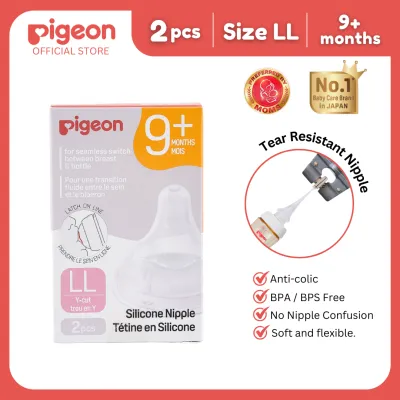
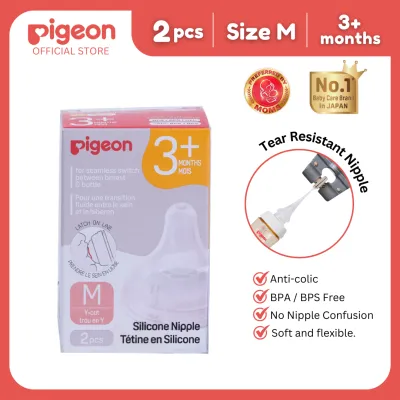
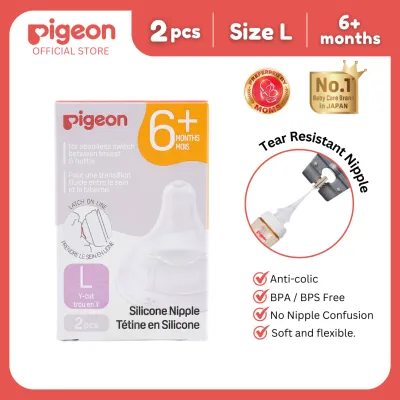
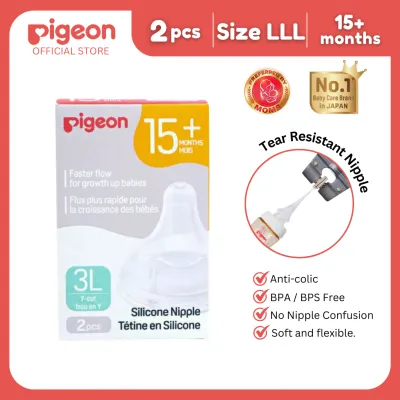
Prices are valid at publication and may change. Please refer to the product page for the latest price.
In contrast, latex nipples are made from natural rubber, giving them a distinct amber or light brown color with a matte, slightly opaque finish. Latex is significantly softer and more flexible than silicone, mimicking the natural elasticity and warmth of human skin. However, natural rubber latex carries a mild, characteristic organic scent and taste that some babies notice immediately. This natural elasticity means latex stretches easily during feeding, but it also makes the material more susceptible to absorbing oils from breast milk or formula over time.
Evaluating Safety and Allergy Risks
When assessing safety, the primary concern with natural rubber latex is the potential for an allergic reaction. Latex sensitivity can develop over time with repeated exposure, presenting as redness, swelling, itching, or a rash around your baby’s mouth. If you observe any of these signs, or if your baby shows unexplained distress during or immediately after feeding, stop using the latex nipple immediately and consult a qualified pediatrician or healthcare professional.

Medical-grade silicone is a hypoallergenic material, making it an excellent alternative for families with a history of latex allergies or babies with highly sensitive skin. Because silicone is synthetic and inert, it does not contain the plant proteins found in natural rubber that typically trigger allergic responses. This makes silicone a highly stable choice for long-term use, minimizing the risk of unexpected skin irritation.
To ensure you are using a safe product, always verify the material declarations and safety labels on the manufacturer’s packaging before purchase. Look for clear indications that the product is free from Bisphenol A (BPA) and other potentially harmful plasticizers. Check the packaging for official manufacturing details, batch numbers, and specific safety warnings. If the packaging lacks clear material labeling, avoid using the product and contact the manufacturer or an authorized distributor to verify its authenticity.
Managing Durability, Sterilization, and Replacement
The durability of your pigeon wideneck nipple depends heavily on the material you choose and how you care for it. Silicone is highly heat-resistant and chemically stable, allowing it to withstand various sterilization methods, including boiling water, steam, and ultraviolet (UV) sterilization. However, you must always check the manufacturer’s instructions for the specific heat and exposure limits of your exact nipple model, as excessive UV exposure can sometimes cause certain silicone formulations to discolor or lose their structural integrity prematurely.
Latex, being a natural organic material, is far more sensitive to environmental factors. It degrades much faster than silicone when exposed to high heat, direct sunlight, and moisture. In the warm and humid climate of the Philippines, latex nipples can quickly become sticky, soft, or swollen if they are not dried thoroughly and stored in a cool, dark place. When sterilizing latex, boiling is often preferred over UV sterilization, but you must strictly adhere to the recommended boiling times to prevent the rubber from breaking down.
Regardless of the material, you must inspect the nipple before every feed for observable signs of degradation. For silicone, look for cloudiness, micro-tears around the feeding hole, or a general loss of elasticity. For latex, watch out for a sticky surface, significant darkening of the amber color, or a floppy texture that collapses easily. Any nipple showing these signs, or any physical damage such as tears from developing teeth, must be discarded and replaced immediately to prevent choking hazards.
Matching Material and Flow to Your Baby's Stage
Selecting the right material is closely tied to your baby’s developmental stage, sucking strength, and feeding behavior. Because latex is exceptionally soft and pliable, it requires less sucking effort, making it a common choice for newborns or babies with weaker suction. The natural flexibility of latex allows it to conform easily to the baby’s oral cavity, facilitating a comfortable latch. However, as your baby grows and develops stronger jaw muscles, they may easily collapse a soft latex nipple, leading to frustration and air ingestion.
Silicone’s firmness is highly beneficial for older babies who have developed a stronger, more vigorous suck. The material resists collapsing, ensuring a steady, controlled flow of milk. When navigating the Pigeon Wide-Neck system, you must match the material choice with the appropriate flow size, which typically ranges from slow-flow options for newborns to variable or fast-flow options for older infants. Always refer to the manufacturer’s age and weight guidelines on the packaging as a starting point, but let your baby’s actual feeding behavior guide your final decision.
Carefully observe your baby’s feeding cues to determine if a change in material or flow rate is necessary. Signs that the flow is too fast include choking, coughing, or rapid gulping. Conversely, if your baby is sucking intensely, showing signs of fatigue, or taking an unusually long time to finish a feed, they may be struggling with a flow rate that is too slow or a nipple that is too firm. Adjusting either the material or the size can help restore a relaxed feeding rhythm.
Daily Inspection and Purchasing Checklist
To ensure the safety and authenticity of your pigeon wideneck nipple, establish a consistent routine for purchasing, preparing, and inspecting your baby’s feeding equipment.
First, perform a pre-purchase verification. Only buy nipples from authorized retailers, official brand stores, or reputable online marketplaces. Check that the packaging is fully sealed, displays clear branding, lists the specific material (silicone or natural rubber latex), and includes a batch number and manufacturer contact details.
Second, handle first-use preparation carefully. Before using a new nipple for the first time, wash it thoroughly in warm, soapy water, rinse it completely, and sterilize it according to the manufacturer’s instructions. Perform a visual inspection to ensure there are no manufacturing defects.
Third, conduct a daily pre-feed inspection. Before every feeding session, perform the stretch and pinch test. Wash your hands, then firmly pull the bulb of the nipple in all directions and pinch the tip to check for micro-tears, cracks, or changes in texture. If the material stretches and does not snap back quickly, or if you notice any stickiness or tearing, discard the nipple immediately.
Frequently Asked Questions (FAQ)
Can I alternate between silicone and latex nipples for the same baby?
Alternating between silicone and latex nipples is possible, but it may cause temporary latch confusion or feeding frustration for some infants. Because the two materials feel completely different in terms of firmness, texture, and warmth, your baby might develop a strong preference for one over the other. If you need to switch materials—such as transitioning from latex to silicone due to a suspected allergy—do so gradually and monitor your baby’s latch and feeding comfort closely during the transition.
How can I tell if a Pigeon nipple is silicone or latex if the box is lost?
If you no longer have the original packaging, you can easily identify the material using visual and tactile cues. A silicone nipple will be completely clear, transparent, and colorless, with a smooth, slightly shiny surface. A latex nipple will have a distinct yellow, amber, or light brown tint and a matte, slightly opaque finish. Additionally, if you perform a gentle stretch test, the silicone nipple will feel firmer and snap back into shape instantly, while the latex nipple will feel noticeably softer and more elastic.
Is it safe to continue using a silicone nipple that has turned cloudy?
A cloudy appearance on a silicone nipple is often caused by mineral deposits from hard water during boiling or steam sterilization, which is a cosmetic issue rather than a safety hazard. You can often remove this residue by washing the nipple thoroughly with a mild dishwashing liquid and warm water. However, if the cloudiness is accompanied by a sticky texture, micro-tears, discoloration, or a loss of elasticity, it indicates that the silicone has degraded. In such cases, the nipple is no longer safe to use and must be discarded immediately.

Community discussion
Share your experience or ask a question. Comments are reviewed before publication.