
Choosing between silicone and latex Pigeon teats depends on your baby’s feeding style, developmental stage, and potential sensitivities rather than one material being universally “safer.” Both materials are designed to meet strict safety standards when used correctly, but they offer distinct physical experiences. Silicone is a durable, synthetic material that is firm, clear, and highly resistant to heat, making it a popular choice for long-term use. Latex is a natural rubber material that is softer, highly flexible, and mimics the natural feel of a mother’s breast, though it degrades faster and can trigger allergies in sensitive infants.
In tropical climates like the Philippines, high humidity and ambient heat can accelerate the wear of natural rubber latex, making material choice and regular inspection even more critical for local parents. By understanding the observable differences, safety considerations, and proper maintenance routines for each material, you can confidently select the teat that supports your baby’s comfort and developmental milestones.
Silicone vs. Latex: Observable Traits and Feel
Silicone and latex teats are easily distinguishable by their appearance, texture, and physical behavior during feeding. Silicone teats are completely clear or translucent, allowing you to easily see the milk flow and check for any internal residue during cleaning. Tactilely, silicone is firmer and holds its shape exceptionally well, even under strong suction. This structural integrity makes it highly durable, though some newborns may initially find it less pliable than natural alternatives.
Products mentioned in this guide
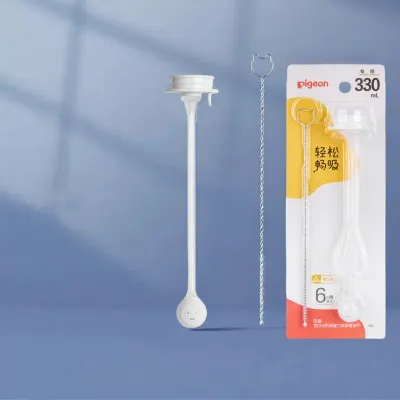
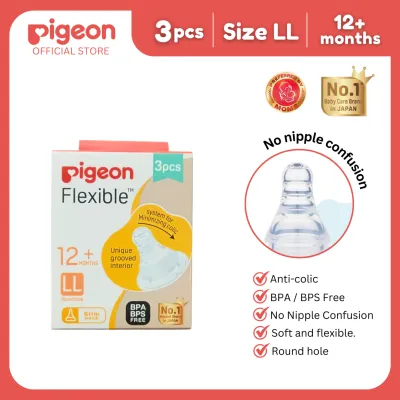
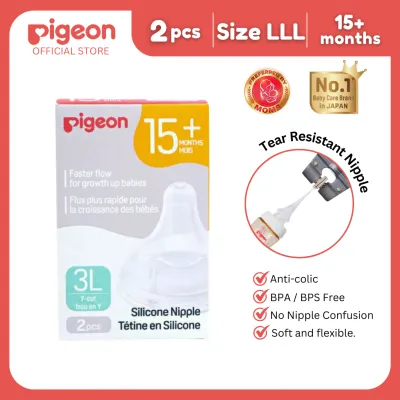
Prices are valid at publication and may change. Please refer to the product page for the latest price.
In contrast, latex teats feature a distinct yellowish, amber, or light brown tint due to their natural rubber origin. They are significantly softer and more elastic than silicone, bending easily to conform to the baby’s mouth and mimicking the natural flexibility of breastfeeding. This soft texture often makes latex a preferred choice for babies who struggle to latch onto firmer materials or those transitioning from breast to bottle.
Odor and taste profiles also differ between the two materials. Silicone is completely odorless and tasteless, which is ideal for babies who are highly sensitive to unfamiliar scents. Latex, being a natural rubber product, carries a mild, characteristic rubber scent that some infants accept readily, while others might reject it initially.
Over time, both materials show distinct signs of aging that indicate they need to be replaced. Silicone teats do not easily degrade from heat, but they can develop cloudiness, micro-tears, or a sticky film if exposed to oils or improper cleaning agents. Latex teats, being organic, are highly susceptible to heat, light, and moisture. As latex ages, it tends to lose its elasticity, swell, become sticky to the touch, or darken significantly in color, especially in warm, humid environments.
Assessing Safety and Feeding Suitability
When evaluating safety, the primary medical consideration is the potential for latex allergies. Natural rubber latex contains proteins that can trigger allergic reactions in sensitive individuals. If your family has a history of latex or rubber allergies, or if you notice any signs of oral irritation, redness, or a rash around your baby’s mouth during or after feeding, discontinue use immediately and consult a pediatrician. Silicone is naturally hypoallergenic and free from these organic proteins, making it a safer default choice for families with known sensitivities.

The firmness of the material also plays a role in your baby’s oral development and feeding comfort. Newborns and younger infants often prefer the soft, yielding texture of latex because it requires less jaw effort to compress. However, as babies grow and develop stronger suction or begin teething, they may easily collapse a soft latex teat, leading to frustration during feeds. For older infants, the firmer resistance of silicone is often more suitable, as it withstands biting and encourages active jaw movement without collapsing.
Rather than relying on general assumptions about material performance, parents must strictly follow the manufacturer’s printed age ranges and flow-rate indicators on the packaging. Pigeon designs its teats with specific hole shapes (such as round holes or Y-cuts) tailored to different developmental stages. Using a teat with a flow rate that is too fast can cause choking or spitting up, while a flow rate that is too slow can cause fatigue and air swallowing.
Always establish clear stop-conditions for any teat you use. If your baby exhibits signs of feeding refusal, excessive gas, prolonged feeding times, or skin irritation, it is essential to reassess the teat size and material. When in doubt about your baby’s feeding difficulties or physical reactions, seek guidance from a qualified healthcare professional or lactation consultant.
Daily Cleaning, Sterilization, and Wear Checks
Maintaining strict hygiene is vital for your baby’s health, but cleaning methods must be tailored to the specific material to prevent premature degradation. Because silicone is highly heat-resistant, it can withstand various sterilization methods, including boiling water, steam sterilizers, and UV sterilizers. However, you must always verify the exact temperature limits and recommended sterilization durations on your specific Pigeon product insert, as excessive exposure can still weaken the material over time.
Latex requires much gentler care due to its organic nature. High heat, UV light, and prolonged moisture accelerate the breakdown of natural rubber. If you choose latex teats, check the product packaging to confirm if they are compatible with steam or boiling sterilization, as many manufacturers recommend shorter exposure times or specific cold-water chemical sterilization methods instead. UV sterilizers, in particular, can cause latex to degrade and discolor rapidly, so alternative methods are often preferred for this material.
A routine visual and tactile inspection should be performed before and after every single feed. Gently stretch the teat in all directions, paying close attention to the tip and the ventilation valve. Look for micro-tears, punctures from teething, or thinning areas that might not be visible when the teat is relaxed. Any structural compromise, no matter how small, can cause the teat to tear completely during a feed, presenting a serious choking hazard.
Avoid using harsh chemical detergents, abrasive scrubs, or stiff wire brushes to clean either material. These can scratch silicone, creating crevices where bacteria can hide, or strip the protective surface of latex, causing it to become sticky and weak. Use a soft sponge or a dedicated silicone brush along with a mild, baby-safe bottle cleanser, and ensure the teats are completely dry before storing them in a clean, dry container away from direct sunlight.
Verifying Authenticity and Packaging Specifications
To ensure your baby is using genuine, safe materials, always verify the authenticity of your Pigeon teats before purchase. Counterfeit baby products may not comply with food-grade safety standards and could contain harmful chemicals or structural defects. Examine the packaging carefully for official markers, such as clear batch codes, detailed material composition lists, and holographic security seals or specific printed authenticity features unique to the brand.
To minimize the risk of purchasing counterfeit goods, buy your baby feeding supplies exclusively from authorized retailers, official brand stores on reputable ecommerce platforms, or established local pharmacies. Avoid buying unbranded or unusually cheap teats from third-party sellers, as these products often bypass quality control checks.
When purchasing, carefully match the teat’s specified flow rate (such as SS, S, M, L, or LL) and the recommended age range to your baby’s current developmental stage. These specifications are printed clearly on the packaging and are designed to support safe, comfortable feeding. Retain the original packaging or the enclosed instruction leaflet so you can refer back to the manufacturer’s care limits, sterilization guidelines, and warranty conditions whenever needed.
Frequently Asked Questions (FAQ)
Can I switch between silicone and latex teats?
Yes, you can transition your baby between silicone and latex teats, but the process requires careful observation. Some babies adapt quickly, while others may reject a new material due to the difference in texture, flexibility, or scent. When introducing a different material, closely monitor your baby’s latch, feeding comfort, and the volume of milk consumed. Watch for any signs of oral sensitivity, skin redness, or changes in feeding behavior, and allow your baby a few days to adjust to the new tactile experience.
How often should I replace Pigeon teats?
Regardless of how long you have used a teat, you must replace it immediately if you observe any physical signs of wear. These indicators include changes in texture (such as stickiness or roughness), swelling, discoloration, thinning, bite marks, or a loss of elasticity where the teat fails to spring back after being stretched. For routine replacement intervals when no visible wear is present, consult the specific product manual or packaging, as manufacturers generally recommend replacing latex teats more frequently than silicone due to natural degradation.

Community discussion
Share your experience or ask a question. Comments are reviewed before publication.