
Choosing the right nipple material for your baby’s bottle is a decision that directly shapes their daily comfort, feeding efficiency, and oral development. When navigating the Pigeon slim neck bottle system, parents are primarily presented with two distinct material options: silicone and natural rubber latex. While silicone offers a firmer, highly durable, and hypoallergenic feeding surface, latex provides an ultra-soft, flexible, and skin-like texture that closely mimics natural breastfeeding. The ideal choice depends on your baby’s unique sucking strength, latching habits, and potential material sensitivities. By understanding how these materials behave under daily use, you can select the option that ensures a smooth, comfortable, and safe feeding journey.
Why the Slim Neck Design and Material Matter
The slim neck design of a baby bottle is engineered with a specific anatomical goal in mind. Unlike wide-neck bottles that mimic a broader breast base, the slim neck profile features a narrower, more streamlined shape. This design encourages a narrower latch, which is often preferred by newborns, smaller infants, or babies transitioning between direct breastfeeding and bottle-feeding. The narrower base allows the baby to wrap their lips comfortably around the nipple without requiring a wide jaw stretch, promoting a secure seal that minimizes air intake during feeding.
However, the physical shape of the nipple is only half of the equation; the material itself dictates how that shape behaves under pressure. When a baby sucks, they apply both compression (squeezing the nipple with their tongue and gums) and suction (drawing milk out through negative pressure). A material’s flexibility, thickness, and elasticity directly influence how much the nipple stretches and compresses inside the baby’s mouth. If a material is too firm for a baby with a gentle suck, they may tire quickly and struggle to finish their milk. Conversely, if the material is too soft for a vigorous feeder, the nipple may collapse under strong suction, interrupting the flow and causing frustration.
Products mentioned in this guide
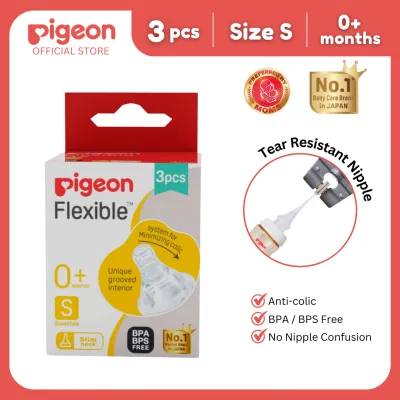
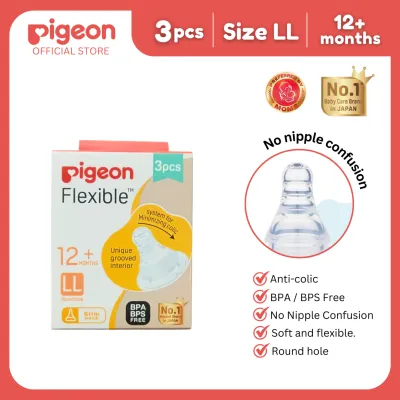
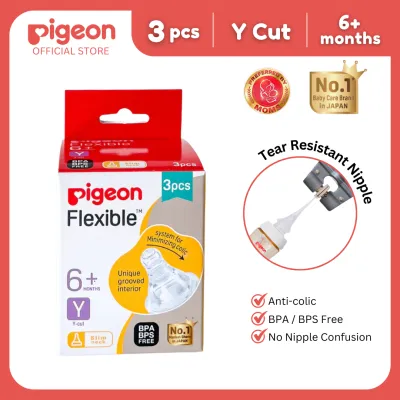
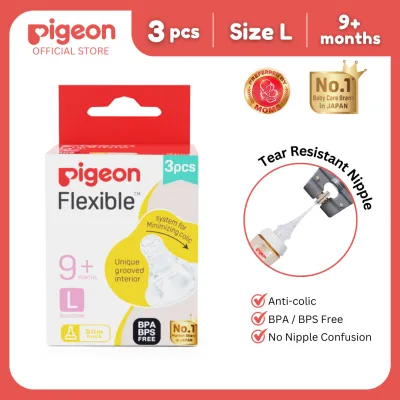
Prices are valid at publication and may change. Please refer to the product page for the latest price.
Ultimately, matching the material to your baby’s developmental stage and sucking style is key to a successful feeding routine. Observing how your baby interacts with the bottle—whether they prefer a highly pliable surface or a more structured, resistant one—will guide you toward the material that best supports their natural feeding mechanics.
Comparing Feel, Durability, and Performance
To make an informed decision, it is essential to compare how silicone and latex perform across key physical dimensions. While both materials are designed to deliver milk safely, they offer vastly different tactile experiences and lifespans. These differences affect not only how your baby accepts the bottle but also how often you will need to replace the nipples and how you must care for them daily.

Performance is not merely about how long a nipple lasts; it is about how consistently it maintains its flow rate and structural integrity during use. A baby’s feeding preference is highly sensory, meaning the texture, warmth, and resistance of the nipple can determine whether they accept the bottle or reject it. Let’s look closely at how each material behaves under daily feeding conditions.
Silicone: Firmness and Long-Lasting Use
Silicone is a synthetic, medical-grade polymer that has become the modern standard for baby bottle nipples. Its defining physical characteristic is its structural firmness. When your baby feeds from a silicone nipple, the material retains its shape exceptionally well, even under strong suction. This consistent structure ensures a steady, predictable flow of milk, making it an excellent option for babies who have established a strong, active sucking pattern.
One of the primary advantages of silicone is its outstanding durability. It is highly resistant to heat, light, and moisture, which are common environmental factors in tropical climates like the Philippines. Silicone does not easily absorb odors, flavors, or colors from breast milk or infant formula, allowing it to remain clear and clean-looking over months of use. Because of this stability, silicone nipples generally have a longer lifespan than their latex counterparts, resisting the typical wear and tear associated with frequent washing and sterilization.
Despite its durability, parents must still handle silicone with care. While it resists degradation, it is susceptible to tearing if punctured by sharp objects or baby teeth. It is crucial to check the manufacturer’s label on your specific Pigeon packaging to verify the recommended sterilization limits and heat tolerances. While silicone can typically withstand high temperatures, over-sterilizing or using incompatible cleaning tools can still compromise the material over time.
Latex: Softness and Natural Flexibility
Natural rubber latex nipples are made from the sap of rubber trees, resulting in a material that is remarkably soft, elastic, and warm to the touch. For many parents, latex is the preferred choice because its texture closely mimics the natural feel of human skin. This extreme softness allows the nipple to stretch, bend, and compress easily inside the baby’s mouth, accommodating the natural wave-like motion of the baby’s tongue during swallowing.
This high level of flexibility is particularly beneficial for newborns, premature babies, or infants with a weaker suck who might find firmer silicone nipples difficult to compress. The pliable nature of latex means the baby has to exert less effort to collapse the nipple and extract milk, which can help prevent feeding fatigue. Additionally, babies who are resistant to bottle-feeding or are transitioning back and forth from the breast often show a preference for the familiar, organic warmth and softness of latex.
However, this natural elasticity comes with a trade-off in terms of durability. Latex is an organic material, meaning it degrades much faster than synthetic silicone. Exposure to heat, sunlight, fats in milk, and frequent sterilization causes latex to soften, swell, and become sticky over time. In humid environments, this degradation can happen even more rapidly. Consequently, latex nipples require much more frequent inspection and replacement to ensure they remain safe and functional for your baby.
Navigating Allergies and Safety Concerns
When choosing between silicone and latex, health and safety considerations must take priority. The most significant safety distinction between the two materials is the potential for allergic reactions. Natural rubber latex contains proteins that can trigger allergic responses in sensitive individuals. While latex allergies in infants are relatively rare, they can develop over time with repeated exposure, making it essential for parents to remain vigilant.
An allergic reaction to latex typically presents as localized skin irritation. Parents should monitor their baby closely during and after feeding for observable signs of a reaction, such as redness, swelling, small bumps, or a rash around the mouth and lips where the nipple makes contact. In more severe cases, a baby might exhibit systemic signs like congestion, watering eyes, or general fussiness during feeding. If you observe any of these signs, you must stop using the latex nipple immediately, switch to a hypoallergenic alternative, and consult your pediatrician or a qualified healthcare professional for guidance.
Silicone, being a synthetic material, is inherently hypoallergenic. It does not contain the organic proteins found in natural rubber, making the risk of an allergic reaction extremely low. For families with a known history of latex allergies, or for babies who have highly sensitive skin or eczema, starting with silicone is generally the safest and most practical approach. Always prioritize your baby’s comfort and health by choosing a material that minimizes the risk of irritation.
Daily Care, Sterilization, and When to Replace
Proper maintenance is vital to keep your baby’s bottle nipples hygienic and structurally sound. Because baby nipples come into direct contact with milk and your baby’s mouth, they can easily harbor bacteria if not cleaned and dried thoroughly. In the warm, humid climate of the Philippines, moisture can quickly lead to mold or bacterial growth on damp feeding equipment. Therefore, establishing a rigorous cleaning and drying routine is essential.
Always refer to the specific sterilization instructions printed on your Pigeon product packaging. Different materials have different tolerances for heat and chemical exposure. While boiling, steam sterilization, and UV sterilization are common methods, some manufacturers specify different limits for latex compared to silicone. For instance, excessive exposure to high heat or UV light can accelerate the breakdown of natural rubber latex, causing it to degrade prematurely.
Regular visual and tactile inspections are your best defense against feeding hazards. Before every single use, perform a quick “pinch and pull” test: gently pull the tip of the nipple in all directions to check for structural integrity. For latex nipples, look for signs of wear such as stickiness, swelling, a gummy texture, or noticeable discoloration. For silicone nipples, inspect for tiny tears, cracks, a cloudy appearance, or a loss of its original shape. If you detect any of these changes, or if the milk flows too quickly because the feeding hole has enlarged, replace the nipple immediately to prevent choking hazards or milk aspiration.
Making the Final Choice for Your Baby
Deciding between silicone and latex Pigeon slim neck nipples comes down to matching the material’s properties with your baby’s developmental needs and your lifestyle preferences. There is no universal winner; instead, the best choice is the one that supports a comfortable, stress-free feeding experience for both you and your little one.
Choose Silicone if:
- You prioritize long-lasting durability and want a nipple that resists wear, odors, and stains over several months of use.
- Your baby has sensitive skin, eczema, or a family history of latex allergies, requiring a reliable hypoallergenic material.
- Your baby is an active, vigorous feeder who prefers a firmer nipple that maintains its shape and flow rate under strong suction.
- You prefer a low-maintenance material that can withstand frequent steam, boiling, or UV sterilization without degrading quickly.
Choose Latex if:
- Your baby prefers an ultra-soft, highly flexible texture that closely mimics the natural feel and warmth of human skin.
- You are transitioning a breastfed baby to a bottle, and they are rejecting firmer silicone options.
- Your baby has a gentler suck or is a newborn who benefits from a highly compressible nipple that requires less effort to feed.
- You are willing to perform daily inspections and replace the nipples more frequently as they naturally degrade.
Verify first if:
- Your baby shows any signs of skin irritation around the mouth, in which case you should consult a pediatrician immediately.
- You are using the correct flow rate size (S, M, L, or Y-cut) appropriate for your baby's age and feeding speed, regardless of the material chosen.
- The nipple collar fits securely onto your specific Pigeon slim neck bottle to prevent leaks during feeding.
Frequently Asked Questions (FAQ)
Can I switch my baby from latex to silicone?
Yes, you can transition your baby from latex to silicone, though it may require some patience. Because silicone is noticeably firmer and less elastic than latex, your baby will immediately feel the difference in texture and resistance. To make the transition smoother, try introducing the silicone nipple during a feeding when your baby is relaxed and not overly hungry. You can also try warming the silicone nipple slightly in warm water before feeding to make it feel more inviting. If your baby resists, try a gradual approach by replacing just one feeding session a day with the silicone nipple until they become accustomed to the firmer texture.
Do Pigeon slim neck nipples fit other bottle brands?
Pigeon slim neck nipples are engineered specifically to fit Pigeon’s proprietary slim neck bottle system. While some parents find that they can occasionally stretch or fit these nipples onto other standard or narrow-neck bottle collars, cross-brand compatibility is not guaranteed by the manufacturer. Using a nipple with an incompatible bottle collar can lead to improper sealing, resulting in milk leaks, air entering the bottle, or the nipple collapsing during feeding. To ensure optimal performance, anti-colic venting, and safety, it is highly recommended to use Pigeon slim neck nipples exclusively with matching Pigeon slim neck bottles.

Community discussion
Share your experience or ask a question. Comments are reviewed before publication.