
Choosing the right bottle nipple is one of the most critical decisions you will make during your baby’s early feeding journey. The material of the nipple directly affects your baby’s latch, feeding comfort, and overall safety. While natural rubber latex was once the standard choice for baby bottles, modern medical-grade silicone has largely replaced it as the superior, safer, and more durable option for modern infant care.
Silicone is the standard material used across Pigeon’s current product lines, including their highly regarded SofTouch series. Latex nipples are rarely used in premium baby care today due to natural rubber allergy risks, rapid degradation, and poor resistance to high-heat sterilization. For hypoallergenic safety, long-lasting durability, and guaranteed compatibility with authentic Pigeon bottles, silicone is the highly recommended choice. Latex should only be considered if specifically recommended by a pediatrician for a highly unique medical need, which is exceptionally rare in modern pediatric practice.
In tropical climates like the Philippines, where high humidity and ambient heat are constant, the differences between these two materials become even more pronounced. Understanding how silicone and latex perform under daily use, cleaning, and sterilization will help you make the best decision for your baby’s health and your peace of mind.
Products mentioned in this guide
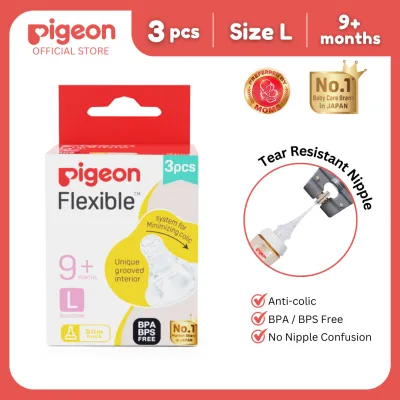
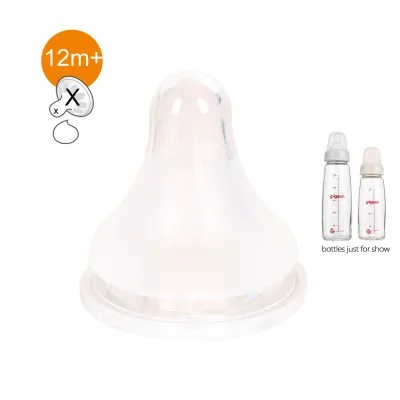
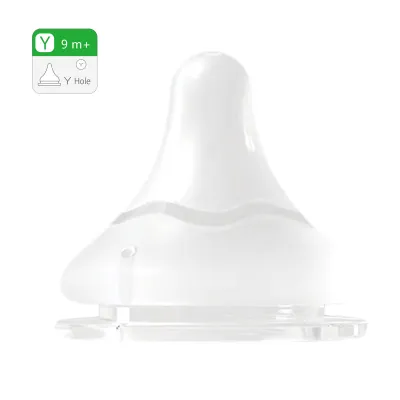
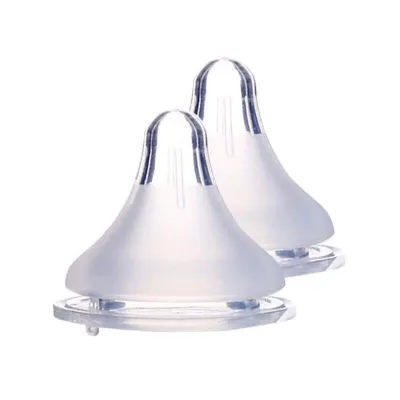
Prices are valid at publication and may change. Please refer to the product page for the latest price.
Silicone vs. Latex: Comparing Softness, Durability, and Safety
To make an informed choice, it is essential to compare silicone and latex across the key performance and safety dimensions that affect your baby’s daily feeding experience.
Softness and Flexibility
Natural rubber latex is inherently softer and more flexible than silicone. Historically, this extreme flexibility made latex popular because it closely mimicked the natural feel and elasticity of human skin. This softness can sometimes be comforting for babies who struggle to transition from breastfeeding to bottle-feeding.
Modern medical-grade silicone, however, has bridged this gap significantly. While silicone is slightly firmer than natural rubber, high-quality silicone nipples are engineered with varying thicknesses to provide the necessary resistance. This structural design encourages proper oral development by requiring the baby to use their jaw and tongue muscles in a way that mimics natural breastfeeding.
Durability and Aging
Latex is an organic material derived from the sap of rubber trees, which makes it highly susceptible to environmental wear. Over time, latex oxidizes, absorbs milk fats, and degrades when exposed to sunlight and heat. This degradation causes the material to become sticky, soft, and prone to swelling or warping, which can alter the flow rate and make the nipple unsafe.
Silicone is a synthetic material known for its exceptional structural integrity. It does not react with milk fats, does not absorb odors, and remains highly stable over months of continuous use. Silicone nipples resist tearing, warping, and stretching, ensuring that the flow rate remains consistent and safe for your baby over time.
Heat Resistance and Sterilization
In the Philippines, keeping baby feeding gear hygienic is a top priority, often requiring daily sterilization. Silicone excels in this area because it can withstand repeated exposure to high temperatures. Whether you use boiling water, steam sterilizers, or modern UV sanitizers, silicone maintains its shape and physical properties without releasing harmful compounds.
Latex has very low heat resistance. Repeated exposure to boiling water or steam sterilization rapidly accelerates its breakdown, causing the material to soften, melt, or warp. Furthermore, latex cannot be safely sanitized in many modern UV sterilizers, as the ultraviolet light breaks down the natural rubber polymers almost immediately, rendering the nipple unusable and potentially hazardous.
Allergy and Health Risks
Natural rubber latex contains organic proteins that can trigger allergic reactions in sensitive infants. A latex allergy can manifest as skin irritation, redness, swelling, or more severe respiratory issues. Because a baby’s immune system is still developing, pediatricians generally recommend avoiding unnecessary exposure to potential allergens.
Silicone is completely synthetic and hypoallergenic. It is entirely free of latex proteins, BPA, BPS, and other harmful plasticizers. Because it is odorless, tasteless, and chemically inert, silicone is the medically preferred material for infant feeding products worldwide.
Material Comparison Summary
| Feature | Medical-Grade Silicone | Natural Rubber Latex |
|---|---|---|
| Softness | Moderately soft, engineered flexibility | Extremely soft and highly elastic |
| Durability | High; resists tearing, warping, and stretching | Low; degrades, swells, and becomes sticky |
| Heat Resistance | Excellent; withstands high-temperature sterilization | Poor; warps and degrades under high heat |
| Allergy Risk | Hypoallergenic; completely safe for sensitive babies | Risk of natural rubber latex allergic reactions |
| Sterilization | Compatible with boiling, steam, and UV methods | Limited to low-heat washing; degrades in UV |
| Lifespan | Typically 1 to 3 months of active use | Typically 3 to 4 weeks; requires frequent replacement |
Why Pigeon Uses Silicone: Understanding the SofTouch Design
If you are shopping for authentic Pigeon nipples today, you will find that the brand has transitioned almost entirely to high-grade silicone. This shift aligns with global pediatric safety standards and the demand for long-lasting, hygienic baby products. Pigeon’s research into infant feeding behavior has allowed them to engineer silicone to perform with the natural feel that latex once offered, without any of the associated safety risks.

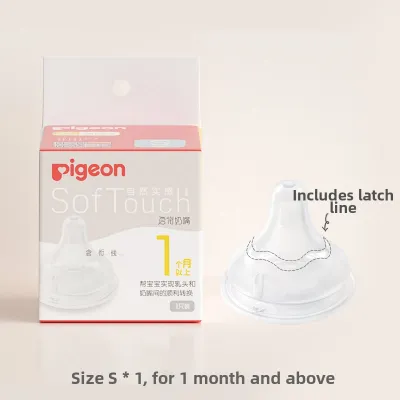
At the core of Pigeon’s product line is the SofTouch design, which is engineered to support the natural peristaltic tongue movement of infants. The tip of the SofTouch nipple is made from incredibly soft, ultra-flexible silicone that stretches easily to fit into the baby’s sucking fossa. Meanwhile, the base of the nipple is constructed from a slightly thicker, firmer silicone. This dual-thickness design prevents the nipple from collapsing under the pressure of the baby’s latch, ensuring a smooth, continuous flow of milk.
Additionally, Pigeon SofTouch nipples feature a unique textured surface. This matte finish mimics the natural texture of a mother’s breast, helping the baby’s lips secure a firm, non-slip latch. The inclusion of a visible latch-on line on the nipple guide helps caregivers position the bottle correctly in the baby’s mouth, promoting a deeper, more comfortable latch that reduces air ingestion.
Because Pigeon has optimized its silicone engineering, there is no practical reason to seek out alternative materials. Parents should be highly cautious of online listings claiming to sell “vintage” or rare latex Pigeon nipples. These products are often expired stock, counterfeit, or stored in conditions that have compromised the natural rubber, posing severe choking and chemical hazards to your baby.
How to Choose the Right Pigeon Flow Rate for Your Baby's Age
Because material choice is settled in favor of silicone, your primary decision when purchasing Pigeon nipples is selecting the correct flow rate. A baby’s feeding needs change rapidly as their jaw muscles strengthen and their stomach capacity grows. Using the wrong flow rate can lead to feeding frustration, excessive air intake, or physical discomfort.
Understanding Pigeon's Sizing System
Pigeon categorizes its nipples by sizes that correspond to developmental stages. However, because every baby develops at their own pace, these age recommendations should serve as a starting point rather than a strict rule. Always verify the specific size and flow characteristics on the product packaging before introducing a new nipple to your baby.
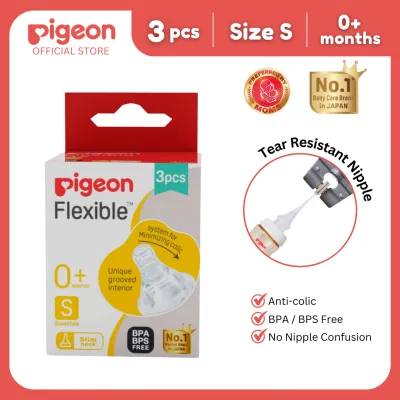
- SS (Super Slow / Round Hole): Designed for newborns from 0 months and older. The tiny round hole provides a highly controlled, slow flow that prevents delicate newborns from being overwhelmed by milk.
- S (Slow / Round Hole): Suitable for babies around 1 month and older. This size offers a slightly faster flow than the SS, matching the growing feeding strength of a one-month-old.
- M (Medium / Y-Cut): Recommended for babies around 3 months and older. The Y-cut (or cross-cut) design is variable-flow, meaning the opening only expands when the baby actively sucks, allowing them to control the pace.
- L (Large / Y-Cut): Designed for babies around 6 months and older. This size accommodates the stronger sucking reflex of older infants who require larger volumes of milk per feed.
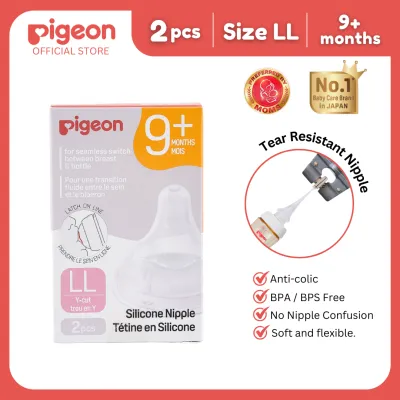
- LL (Very Large / Y-Cut): Suitable for babies around 9 months and older, providing a faster flow for babies who have established a highly efficient sucking pattern.
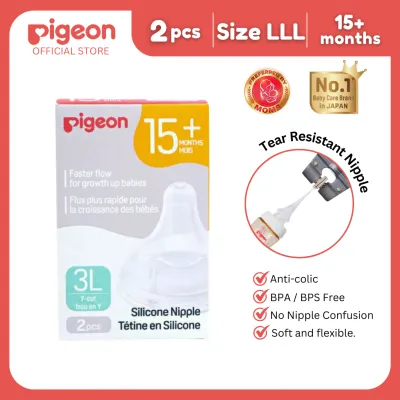
- 3L (Ultra Large / Y-Cut): Designed for toddlers around 15 months and older who are still bottle-feeding or transitioning to thicker liquids.
Reading Your Baby's Feeding Behavior
Monitoring how your baby behaves during a feed is the most reliable way to determine if they are using the correct nipple size. If the flow rate is too fast, your baby may cough, choke, gulp rapidly, or struggle to keep up. You might also notice milk leaking from the corners of their mouth, or they may finish an entire bottle in under 10 minutes, which can lead to gas and spit-up.
Conversely, if the flow rate is too slow, your baby will show signs of frustration during feeding. They may suck aggressively, causing the silicone nipple to collapse inward. Feeding sessions might stretch beyond 30 minutes, or the baby may grow tired and fall asleep before finishing their required amount of milk. If you observe these behaviors, it is usually time to transition to the next size up.
Specialized Feeding Needs
Pigeon also designs specialized silicone nipples for unique feeding scenarios. For instance, some nipples are engineered with wider openings to accommodate thicker liquids, such as milk thickened with infant cereal as recommended by a pediatrician. Other specialized designs exist for babies with cleft palates or specific oral development challenges. Always consult a pediatrician, lactation consultant, or pediatric dentist before using specialized feeding systems to ensure they are appropriate for your baby’s medical needs.
Tips for Transitioning Flow Rates
When stepping up to a larger nipple size, introduce the new flow rate during the first feed of the day when your baby is alert and hungry, but not overly tired. Be prepared for a brief adjustment period as your baby learns to manage the increased volume of milk. If your baby continues to choke or show distress after several attempts, return to the previous size for another week or two before trying again.
Cleaning, Sterilization, and When to Replace the Nipple
Proper maintenance of silicone nipples is essential to keep them hygienic and ensure they last as long as possible. Because silicone is highly durable, it can withstand rigorous cleaning, but it still requires careful handling to prevent damage.
Safe Cleaning and Sterilization for Silicone
After every feed, disassemble the bottle completely and wash the silicone nipple in warm, soapy water using a mild baby bottle cleanser. Use a specialized nipple brush to gently clean the inside of the tip, taking care not to push the brush forcefully through the feeding hole or the anti-colic ventilation valve, as this can tear the silicone.
Once washed, you can sterilize the silicone nipple using one of several approved methods:
- Boiling: Submerge the nipple in boiling water for 3 to 5 minutes. Ensure there is enough water in the pot so the silicone does not touch the hot bottom or sides of the pot, which can cause localized melting.
- Steam Sterilization: Use an electric steam sterilizer or a microwave steam bag according to the manufacturer's instructions.
- UV Sterilization: Place the clean, dry nipple inside a UV sterilizer. While UV light is highly effective at killing bacteria on silicone, always check your specific bottle and nipple manual to verify the maximum temperature and exposure limits.
Visual and Tactile Inspection Checklist
Before every single feed, perform a quick safety check on the nipple. Wash your hands thoroughly, then pull firmly on the bulb of the nipple in all directions. Inspect the silicone closely under good lighting for the following signs of wear:
- Micro-tears or cracks: Look closely around the feeding hole, the base, and the ventilation valve.
- Stickiness or tackiness: If the silicone feels sticky or gummy to the touch, it has begun to degrade and must be discarded immediately.
- Discoloration or cloudiness: While slight yellowing can happen over time due to milk fats, severe cloudiness or dark spots can indicate bacterial buildup or material breakdown.
- Enlarged feeding hole: If milk drips rapidly from the hole when the bottle is turned upside down (rather than dripping slowly or remaining sealed in Y-cut models), the hole has stretched or torn.
The Teething Factor
When your baby begins to sprout their first teeth, the wear and tear on silicone nipples increases dramatically. Babies often use the bottle nipple to soothe their sore, itchy gums, biting down hard during or after a feed. Sharp baby teeth can easily puncture or slice through silicone, creating small flaps of material that can tear off completely and pose a severe choking hazard. Once your baby starts teething, inspect the nipple daily and supervise all feeding sessions closely.
Replacement Timeline
As a general safety guideline, silicone bottle nipples should be replaced every 1 to 3 months of active use, even if they appear undamaged. The exact lifespan of a nipple depends heavily on how frequently it is used, how aggressively your baby sucks, and the sterilization methods you employ. If you notice any signs of damage, tearing, or material degradation during your daily inspection, discard the nipple and replace it immediately.
Frequently Asked Questions (FAQ)
Can I use a latex nipple if my baby rejects silicone?
It is highly discouraged to switch to a latex nipple if your baby rejects silicone. The risks of natural rubber latex allergies, rapid material degradation, and poor heat resistance make latex an unsafe long-term solution.
If your baby is rejecting a silicone nipple, the issue is usually not the material itself, but rather the flow rate or the shape of the nipple. Try adjusting the flow rate by stepping up or down a size, or try a different silicone nipple shape within the Pigeon range, such as transitioning from a slim-neck design to a wide-neck SofTouch design. You can also try warming the silicone nipple slightly in warm water before feeding to bring it closer to body temperature, making it feel more natural and comforting to your baby.
How do I know if a Pigeon nipple is authentic?
To protect your baby from counterfeit products made with low-grade, potentially toxic materials, you should only purchase Pigeon nipples from official brand stores, authorized pharmacies, or reputable department stores. Avoid buying from unverified third-party sellers on online marketplaces.
When inspecting the product, check the packaging carefully for high-quality printing, clear brand logos, and distinct batch numbers. Genuine Pigeon silicone nipples are completely odorless and tasteless, whereas counterfeit products often have a strong chemical or plastic smell. Authentic SofTouch nipples will also feature clean, precise molding with no rough edges, and the anti-colic ventilation valve at the base will be perfectly formed and functional.

Community discussion
Share your experience or ask a question. Comments are reviewed before publication.