
Choosing the right bottle nipple for your baby is a decision that directly impacts their daily comfort, feeding efficiency, and overall oral development. When browsing the baby care aisle or scrolling through an online marketplace in the Philippines, you will primarily encounter two materials: silicone and natural rubber latex. Neither material is universally superior to the other; instead, the ideal choice depends on your baby’s specific allergy profile, texture preferences, and your household’s daily sterilization routine.
Silicone nipples are synthetic, firm, highly durable, and hypoallergenic, making them an excellent choice for parents who prioritize longevity and easy maintenance. On the other hand, natural rubber latex nipples are softer, more flexible, and closely mimic the natural feel of a mother’s breast, which can be highly beneficial for babies transitioning between breast and bottle. However, latex requires vigilant monitoring for potential allergies and demands more frequent replacement due to its tendency to degrade under tropical heat and humidity. Understanding these fundamental differences allows you to make an informed decision tailored to your baby’s unique feeding journey.
Material Properties and Feeding Experience
The physical characteristics of silicone and latex create distinct feeding experiences for an infant. Silicone is a clear, medical-grade synthetic polymer that is relatively firm and holds its shape exceptionally well under pressure. Because of this structural rigidity, silicone nipples provide a highly consistent flow rate during feeds. The firmness requires the baby to apply a more active, structured sucking motion, which some infants prefer because the nipple does not easily collapse during a vigorous feed. However, this same firmness can sometimes make the transition from breastfeeding more challenging for babies accustomed to the soft, yielding texture of human skin.
Products mentioned in this guide
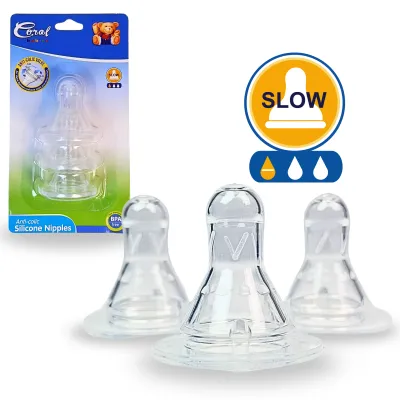
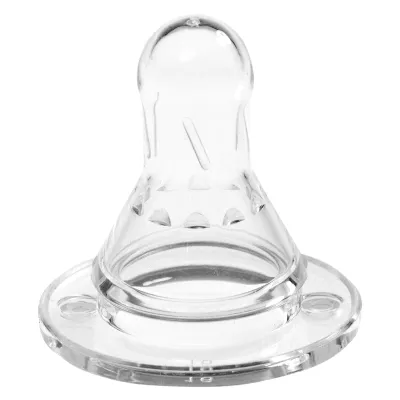
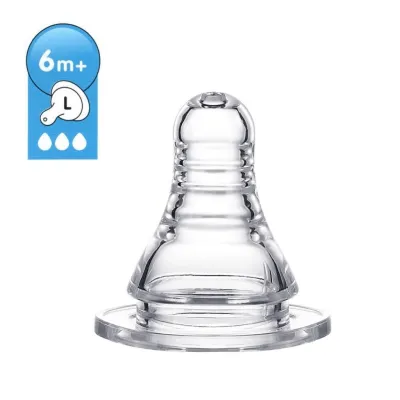
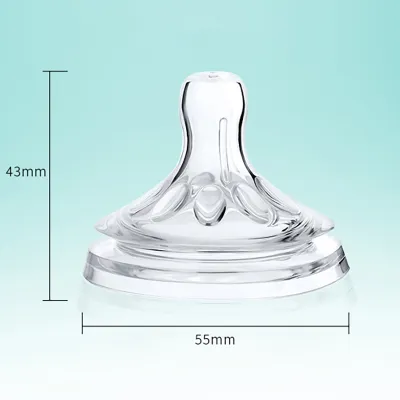
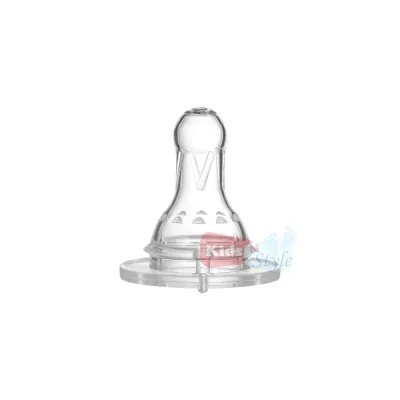
Prices are valid at publication and may change. Please refer to the product page for the latest price.
In contrast, natural rubber latex is harvested from the sap of rubber trees, resulting in a highly flexible, elastic, and soft material. Latex nipples stretch and compress easily in the baby’s mouth, mimicking the natural mechanics of breastfeeding. This pliability often makes latex the preferred choice for babies who struggle to latch onto firmer materials or those who exhibit a strong preference for a softer texture. The downside to this flexibility is that latex can collapse if the baby sucks very hard, temporarily interrupting the feeding flow and causing frustration during mealtime.
The shape of the nipple also interacts with the material’s physical properties. For instance, an orthodontic nipple designed to support jaw alignment may perform differently depending on whether it is made of rigid silicone or highly pliable latex. A firm silicone orthodontic nipple requires precise positioning in the mouth to be effective, whereas a soft latex version conforms more easily to the baby’s oral cavity but may wear down faster under the friction of active sucking.
Regardless of which material you choose, a thorough visual and tactile inspection of the nipple is required before every single feed. You should gently pull on the bulb of the nipple in all directions to check for micro-tears, thinning, or structural changes. In the warm, humid climate of the Philippines, materials can degrade faster than expected, making these pre-feed checks an essential safety habit for every caregiver.
Durability, Cleaning, and Replacement Signs
The lifespan and maintenance requirements of bottle nipples vary significantly between silicone and latex. Silicone is highly resistant to heat, light, and moisture, allowing it to withstand repeated sterilization cycles without losing its structural integrity. Whether you use boiling water, a steam sterilizer, or a UV sterilizer, silicone nipples generally maintain their shape and firmness for several months. This durability makes silicone a highly cost-effective option for busy households, as the nipples typically only need replacement when the baby is ready to graduate to a faster flow rate.

Latex, being an organic material, is far more sensitive to environmental factors. Exposure to high temperatures, direct sunlight, and even the natural fats present in breast milk or infant formula will cause latex to degrade over time. When sterilizing latex nipples, caregivers must carefully check the manufacturer’s instructions, as excessive boiling or exposure to high-heat steam can rapidly warp or weaken the material. UV sterilization may also accelerate the breakdown of natural rubber, making it crucial to verify the approved cleaning methods on the product packaging.
Furthermore, the lipids and proteins in breast milk and formula can cling to the porous surface of latex, requiring thorough but gentle washing. Caregivers should avoid using harsh dishwashing liquids or abrasive cleaning brushes, which can scratch silicone or tear latex, creating microscopic grooves where bacteria can accumulate. Instead, use a soft sponge or a dedicated nipple brush designed to clean the delicate tip without causing structural damage.
Because latex degrades relatively quickly, it generally requires replacement every four to six weeks, or even sooner if signs of wear appear. Caregivers must look out for specific observable signs of degradation on both types of nipples. For silicone, look for cloudiness, fine cracks, or a change in the flow rate caused by an enlarged hole. For latex, warning signs include a sticky or tacky texture, significant discoloration, swelling of the bulb, or a soft, gummy feel when squeezed. If a nipple exhibits any of these changes, or if it fails the stretch test—where you wash your hands, grip the base and tip, pull gently, and observe if it fails to snap back instantly—it must be discarded immediately to prevent choking hazards.
Safety Checks and Allergy Considerations
Safety is the paramount concern when selecting infant feeding gear, and each material presents unique considerations. The most significant concern associated with natural rubber latex is the risk of a latex allergy. Because latex is derived from natural plant proteins, sensitive infants can develop allergic reactions ranging from mild skin irritation to more severe respiratory issues. Caregivers must closely monitor their baby during and after feeding for observable symptoms such as redness around the mouth, hives, swelling of the lips or tongue, persistent spitting up, or unexplained fussiness. If you suspect any adverse reaction, stop using the latex nipple immediately and consult a pediatrician.
Silicone, being a synthetic material, is inherently hypoallergenic and does not contain the plant proteins that trigger latex allergies. This makes silicone the safer default choice if there is a known history of latex sensitivity or eczema in your family. However, parents should not assume that all silicone products are identical. It is essential to verify material purity and chemical-free claims—such as being free from Bisphenol A (BPA), phthalates, and other harmful plasticizers—directly on the product packaging or the official manufacturer specifications.
Rather than relying on general material assumptions, always look for clear labeling that indicates the product is made from 100% food-grade or medical-grade silicone. In the Philippines, where a wide variety of imported baby products are available on online marketplaces, taking the time to read the packaging and verify manufacturer credentials ensures that you are introducing a safe, non-toxic item into your baby’s daily routine. Look for compliance with recognized international safety standards or local regulatory marks printed on the packaging to confirm the product has undergone proper quality control. If your baby exhibits any feeding aversion, persistent coughing during feeds, or signs of discomfort, always seek professional guidance from a healthcare provider.
Matching the Nipple to Your Baby's Feeding Stage
Selecting the right nipple involves more than just choosing between silicone and latex; it also requires matching the nipple’s flow rate and shape to your baby’s developmental stage. Both materials are manufactured in a wide range of shapes—such as standard round, orthodontic, or wide-neck—and flow rates, which are typically categorized from slow (for newborns) to fast or Y-cut (for older infants and thicker liquids). The flow rate must align with your baby’s age and swallowing coordination to ensure a comfortable and safe feeding experience.
As a baby grows, their sucking strength and jaw muscles develop significantly. A newborn has a weaker suck and may benefit from a highly responsive, soft latex nipple that requires less effort. However, as the infant grows stronger, they may easily collapse a soft latex nipple during vigorous feeding, indicating it is time to transition to a firmer silicone nipple or a faster flow rate. Caregivers should watch for observable cues that indicate the current flow rate is incorrect. If the flow is too fast, your baby may choke, cough, sputter, or have milk leaking from the corners of their mouth. Conversely, if the flow rate is too slow, the baby may suck frantically, pull away from the bottle in frustration, or fall asleep mid-feed due to exhaustion.
When transitioning your baby between different nipple materials, shapes, or flow rates, it is best to do so gradually. Introduce the new nipple during the first feed of the day when the baby is alert and hungry but not overly tired. Monitor their acceptance, latch quality, and feeding efficiency closely over several days. If your baby consistently rejects a new material or struggles to maintain a proper seal, respect their preference and consult a lactation consultant or pediatrician to rule out any underlying latch or feeding difficulties.
Decision Framework: Which Nipple Should You Choose?
To help you finalize your decision, consider this practical framework based on your baby’s needs and your daily routine:
Choose silicone if:
- Your family has a history of latex allergies, sensitive skin, or eczema.
- You prefer a highly durable, long-lasting nipple that resists wear and tear over several months.
- You want a material that can withstand frequent high-heat steam or UV sterilization without degrading.
- Your baby has no aversion to a firmer, more structured nipple texture.
Choose latex if:
- Your baby rejects silicone nipples and prefers a softer, highly flexible, breast-like feel.
- You are actively transitioning between breastfeeding and bottle-feeding and need a material that mimics natural skin elasticity.
- You do not mind replacing the nipples more frequently (every four to six weeks) and are willing to follow gentle cleaning protocols.
- There is no history of latex sensitivity in your household.
Verify first if:
- Your baby was born prematurely, has complex feeding difficulties, or has a diagnosed medical condition. In these cases, always consult a pediatrician, pediatric occupational therapist, or lactation specialist before selecting or changing nipple materials.
Frequently Asked Questions (FAQ)
Can I mix silicone and latex nipples for the same baby?
While it is physically possible to use both, alternating between silicone and latex nipples can sometimes cause feeding confusion or latch issues for your baby. Because the two materials feel completely different in terms of firmness and flexibility, your baby may struggle to adjust their sucking technique when switching back and forth. To support consistent oral development and efficient feeding, it is generally best to maintain consistency with one material and shape once your baby has successfully accepted it, unless a transition is recommended by a healthcare professional.
Do silicone nipples turn yellow over time?
Yes, silicone nipples can experience slight discoloration or yellowing over time, often due to exposure to food pigments in formula, breast milk, or dish soaps, as well as natural aging. While mild yellowing alone does not necessarily mean the nipple is unsafe, you must perform a tactile check. If the silicone feels sticky, cloudy, or greasy, or if you notice any cracks or thinning when stretching the bulb, the nipple has degraded and must be replaced immediately.
Are all clear nipples made of silicone and brown ones made of latex?
While traditional natural rubber latex nipples are typically amber, brown, or honey-colored, and silicone nipples are traditionally clear, you should not rely solely on color to identify the material. Modern manufacturing techniques can produce tinted silicone or lighter-colored latex. To ensure your baby’s safety—especially if you are managing a suspected latex allergy—always read the product label and official packaging specifications to confirm the exact material composition rather than guessing by visual appearance.

Community discussion
Share your experience or ask a question. Comments are reviewed before publication.