
Choosing the right nipple for your baby’s bottle is a critical decision that directly impacts their feeding comfort, latch quality, and overall safety. When it comes to replacing the nipples on your Comotomo baby bottles, parents often find themselves weighing the differences between silicone and latex materials. While Comotomo bottles are widely recognized for their signature wide-neck design and soft, squeezable silicone bodies, understanding how different nipple materials perform can help you make an informed choice for your little one’s daily feeding routine.
Selecting a replacement nipple involves evaluating material safety, durability under frequent sterilization, and how well the nipple mimics natural breastfeeding. In tropical climates like the Philippines, where high humidity and heat can accelerate the wear and tear of baby products, choosing the right material becomes even more essential. By comparing the distinct properties of synthetic silicone and natural rubber latex, you can ensure a safe, comfortable, and leak-free feeding experience that matches your baby’s developmental stage.
Understanding the Core Differences: Silicone vs Latex
To make the best decision for your baby, it is essential to understand the fundamental differences in how silicone and latex nipples are manufactured and how they behave. Silicone is a synthetic, man-made polymer primarily composed of silicon, oxygen, carbon, and hydrogen. This material is highly stable, clear, and engineered to withstand extreme temperatures and environmental exposure without breaking down.
Products mentioned in this guide
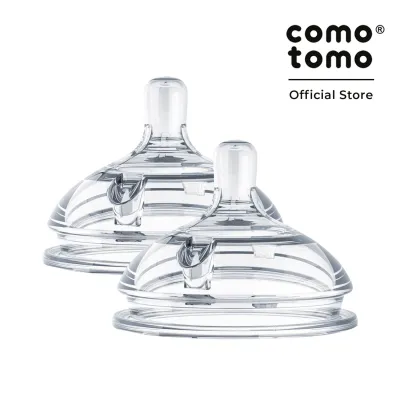
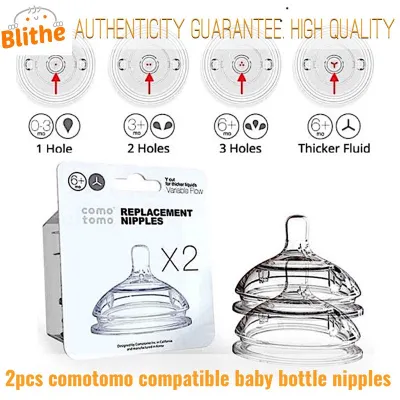
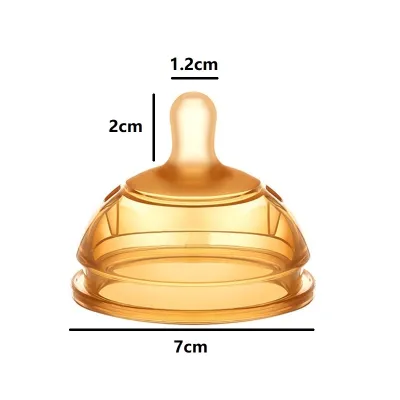
Prices are valid at publication and may change. Please refer to the product page for the latest price.
In contrast, latex is a natural material harvested from the sap of rubber trees. Because it is organic, natural rubber latex possesses a distinct amber or golden-brown color and a highly flexible, elastic texture. This organic origin gives latex its characteristic softness, which many parents find closely resembles the natural feel of skin.
These material differences directly affect how each nipple type looks, feels, and ages over time. Silicone nipples are completely transparent, odorless, and firm to the touch, maintaining their structural integrity even after months of use. Latex nipples are opaque, have a slight natural rubber scent, and are significantly softer and more pliable than their silicone counterparts.
The lifespan of these materials also varies greatly under normal household conditions. Silicone is highly resistant to environmental factors such as sunlight, moisture, and heat, allowing it to maintain its shape and clarity for an extended period. Latex, being an organic substance, is highly susceptible to degradation from UV light, heat, and exposure to fats or oils found in breast milk and infant formula, meaning it generally requires more frequent replacement.
Safety and Allergy Considerations for Your Baby
When selecting feeding gear, your baby’s health and safety are the top priorities. One of the primary concerns with natural rubber latex is the risk of an allergic reaction. Because latex is derived from natural plant sources, it contains proteins that can trigger sensitivities or allergic responses in some infants.

Parents choosing latex must remain vigilant for any signs of an allergic reaction during or after feeding. These signs can include redness, swelling, a rash around the baby’s mouth, hives, or persistent fussiness during feeds. If you observe any of these symptoms, it is critical to stop using the latex nipple immediately and consult a pediatrician or healthcare professional for guidance.
Silicone, on the other hand, is a hypoallergenic material that does not contain the natural proteins found in rubber. This makes silicone nipples an exceptionally safe choice for babies with sensitive skin or a family history of latex allergies. Silicone’s chemical stability also means it does not leach chemicals or absorb odors and flavors from milk, ensuring a neutral and consistent feeding experience.
Regardless of the material you choose, regular inspection is vital to prevent choking hazards or chemical exposure. Always check the nipple before every feed by pulling on the bulb in all directions to ensure there are no tears or weak spots. If you notice any structural changes, discard the nipple immediately to protect your baby’s safety.
Durability, Maintenance, and Sterilization
The way a nipple handles daily wear, cleaning, and sterilization is a major factor in its overall utility. Latex is highly elastic and exceptionally resistant to tearing from biting, making it a popular choice for older babies who have started teething. However, its organic nature means it absorbs oils from milk and saliva, which gradually weakens the material structure over time.
Silicone is highly durable and resistant to scratches, but it is more prone to tearing if a teething baby punctures it with sharp teeth. Once a silicone nipple is punctured, the tear can quickly expand under the pressure of sucking, which can lead to a sudden increase in milk flow and pose a choking risk.
Sterilization requirements also differ significantly between the two materials. Silicone has an incredibly high heat tolerance, making it compatible with boiling water, steam sterilizers, and UV sterilizers. Always verify the manufacturer’s specific guidelines on your sterilization equipment to ensure compatibility, as some UV sterilizers can cause minor cosmetic yellowing over time without affecting safety.
Latex is highly sensitive to heat and light, meaning frequent boiling or exposure to steam sterilizers will rapidly accelerate its degradation. Under high temperatures, latex can quickly become sticky, warped, or cracked. If you use latex, you must carefully monitor the material for signs of heat damage and replace it at the first sign of stickiness or structural softening.
Feeding Experience and Baby's Acceptance
A baby’s acceptance of a bottle often depends on how the nipple feels in their mouth and how easily they can establish a secure latch. Latex nipples are highly valued for their extreme softness and flexibility, which closely mimic the natural stretch and movement of a mother’s breast during nursing. This high level of elasticity can make the transition between breast and bottle smoother for some infants.
However, this extreme flexibility can sometimes affect the consistency of the milk flow. Because latex stretches easily, a baby with a strong suck may cause the nipple to collapse or distort during feeding, which can disrupt the flow of milk and cause frustration. Parents must observe their baby’s feeding behavior to ensure they are not swallowing excess air due to a collapsing nipple.
Silicone nipples, while firmer, provide a highly consistent and predictable flow rate. The structural firmness of silicone helps the nipple maintain its shape under active sucking, ensuring that the anti-colic vents function correctly and the milk flows smoothly. This consistency is often preferred by babies who have established a steady feeding rhythm.
When introducing a new replacement nipple, pay close attention to your baby’s behavioral cues. Signs of a good latch include a wide mouth seal around the base, active sucking without clicking sounds, and a relaxed demeanor during feeds. If your baby repeatedly rejects the nipple, spits up excessively, or shows signs of frustration, it may be necessary to adjust the flow rate or re-evaluate the material choice.
Compatibility Check: Using Latex with Comotomo Bottles
If you are considering using latex nipples with your Comotomo bottles, you must perform a thorough compatibility check. Comotomo bottles are engineered with a unique, ultra-wide neck and a specific collar system designed to work seamlessly with their proprietary medical-grade silicone nipples.
It is important to note that Comotomo officially manufactures replacement nipples exclusively in silicone. The brand does not produce or authorize latex replacement nipples for their bottle systems. Attempting to use third-party latex nipples on a Comotomo bottle collar introduces several functional and safety risks.
A mismatched third-party nipple may not form a proper seal with the Comotomo collar, leading to persistent leaks during feeding. Furthermore, Comotomo’s anti-colic system relies on dual vents built directly into the base of their silicone nipples. If you install a third-party latex nipple that lacks these specific vents or blocks the collar’s airflow paths, it can create a vacuum inside the bottle, causing the nipple to collapse and increasing the amount of air your baby swallows.
Before attempting to use any non-original nipple, carefully check the base width, thread alignment, and vent compatibility against your specific Comotomo bottle model. If the fit is loose, uneven, or results in any leaking, stop use immediately. To ensure optimal performance and safety, using official Comotomo silicone replacement nipples is highly recommended.
How to Choose the Right Replacement Nipple
To finalize your decision and select the best replacement nipple for your baby’s feeding needs, consider the following decision framework:
- Choose Silicone if: You prioritize long-lasting durability, hypoallergenic properties, easy sterilization, and guaranteed official compatibility with your Comotomo bottles. Silicone is the standard choice for Comotomo systems and offers a highly consistent flow rate.
- Choose Latex if: Your baby strongly rejects firmer silicone nipples, prefers an ultra-soft and flexible feel, has no history of latex sensitivity, and you have verified a safe, fully compatible third-party option that fits securely without leaking.
- Verify first if: You are unsure of the correct flow rate. Always check the official manufacturer guidelines on the packaging to match the nipple size (slow flow, medium flow, fast flow, or variable flow) with your baby's age and developmental stage.
- Neither may fit if: Your baby exhibits persistent feeding frustration, signs of allergic reactions, or if the bottle continues to leak despite correct assembly. In these cases, consult a pediatrician or a lactation consultant to evaluate your baby's feeding mechanics.
Frequently Asked Questions (FAQ)
How often should I replace Comotomo silicone nipples?
You should inspect your Comotomo silicone nipples daily for any signs of wear and tear. Look for physical indicators of degradation, such as discoloration, a cloudy appearance, stickiness, or tiny tears around the feeding hole or anti-colic vents. Additionally, monitor your baby’s feeding behavior; if the nipple collapses frequently or the milk flows too quickly, it is time for a replacement. While manufacturers generally recommend replacing silicone nipples every two to three months on the product packaging, you should replace them immediately if you detect any structural damage.
Can I boil latex nipples for sterilization?
Before boiling latex nipples, you must check the specific product labels and manufacturer instructions for their maximum heat thresholds. Latex is highly sensitive to high temperatures, and frequent boiling can cause the material to warp, melt, or become sticky and weak. If boiling exceeds the verified limits of your latex nipples, explore gentler cleaning methods, such as washing thoroughly with warm, soapy water and air-drying, or using cold-water chemical sterilizing tablets as recommended by the manufacturer.

Community discussion
Share your experience or ask a question. Comments are reviewed before publication.