
Choosing the right bottle nipple for your baby is not about finding a single, universally perfect material, but rather matching the specific physical properties of the nipple to your baby’s unique latch preference, allergy profile, and your daily maintenance routine. Caregivers often find themselves deciding between silicone and latex, two materials that offer vastly different feeding experiences. While one baby might thrive on the firm, consistent shape of silicone, another might only settle with the soft, highly flexible feel of latex. Observing how your baby responds during feeding sessions is the most reliable way to determine which material supports a comfortable and efficient latch.
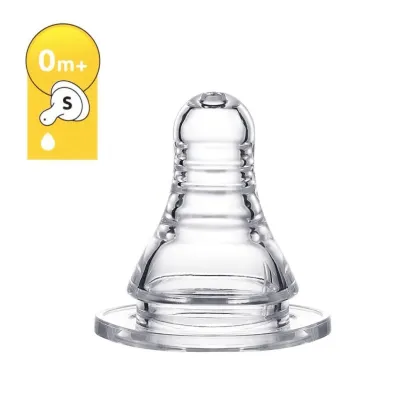
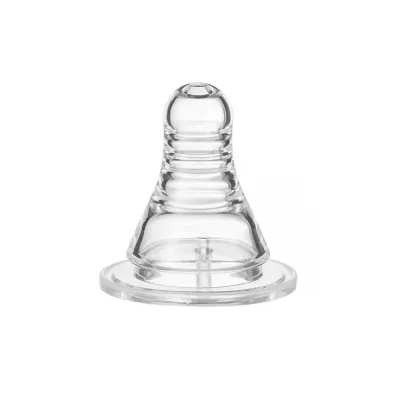
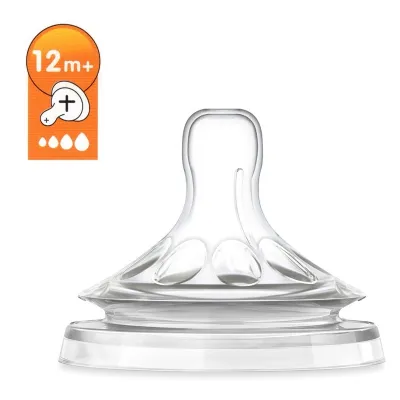
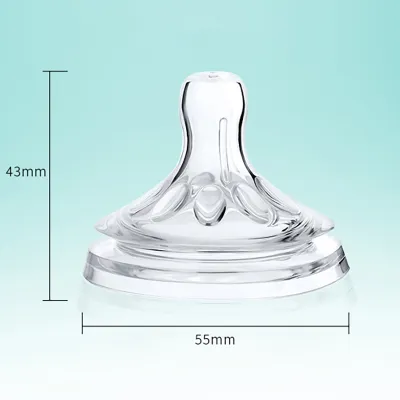
Silicone nipples are synthetic, clear, and relatively firm. This firmness allows the nipple to retain its shape under suction, preventing it from collapsing easily during vigorous feeding. Because silicone resists deformation, it provides a highly consistent flow rate that does not change over weeks of use. This structural stability can be highly beneficial for babies who have already established a strong, steady latch and prefer a predictable, firm surface to press their tongue against.
Latex nipples, made from natural rubber, are recognizable by their distinct amber or golden-brown color. They are significantly softer and more elastic than silicone, closely mimicking the natural flexibility and warmth of human skin. This pliable texture allows the latex nipple to contour easily to the shape of the baby’s mouth, which can make the transition from breastfeeding to bottle-feeding smoother for some infants. However, this extreme flexibility also means the nipple can collapse more easily if the baby sucks very strongly, requiring caregivers to monitor the feeding pace closely.
Products mentioned in this guide
Prices are valid at publication and may change. Please refer to the product page for the latest price.
Because every infant’s oral anatomy and sucking strength are unique, there is no guaranteed way to predict which material a baby will accept first. Some babies show an immediate preference for the soft, yielding texture of latex, while others prefer the steady resistance of silicone. Paying close attention to your baby’s feeding cues—such as spitting out the nipple, fussing during feeds, or taking in excessive air—will guide you toward the material that best suits their developmental stage and comfort.
Safety, Allergies, and Health Checks
When selecting feeding equipment, safety and health considerations must always come first. The most significant health distinction between the two materials lies in their allergenic potential. Natural rubber latex contains proteins that can trigger allergic reactions in sensitive individuals. While latex allergies are relatively rare in infants, they can present serious health risks, making it essential for caregivers to remain vigilant. Silicone, on the other hand, is a synthetic, inert polymer that is generally considered hypoallergenic, making it an excellent alternative for families with a history of skin sensitivities or latex allergies.
Before introducing any bottle nipple to your baby, it is crucial to inspect the product packaging and manufacturer labels for specific safety certifications. Do not assume that all products on the shelf meet the same high standards. Look for explicit labels indicating that the product is food-grade and free from potentially harmful chemicals such as Bisphenol A (BPA). In the Philippines, where a wide variety of imported and local baby products are available in physical stores and online marketplaces, verifying these certifications on the physical packaging is a vital step in protecting your infant’s health.
If you observe any unusual physical symptoms during or immediately after a feeding session, stop using the nipple immediately and consult a qualified pediatrician. Signs of a potential allergic reaction or sensitivity can include redness, swelling around the mouth, a sudden rash, or persistent fussiness during feeds. A healthcare professional can help diagnose the underlying cause and advise you on whether a complete switch to a hypoallergenic material like silicone is necessary for your baby’s safety.
To ensure you are purchasing genuine, safety-tested products, always buy bottle nipples from authorized retailers, official brand stores, or reputable pharmacies. Counterfeit baby products, which often bypass strict quality control and safety testing, are a growing concern on various online marketplaces. These imitation products may contain unverified materials, industrial-grade colorants, or chemical additives that do not meet food-grade standards, posing a direct risk to your baby’s developing system.
Durability, Cleaning, and Replacement Signs
The physical environment plays a substantial role in how bottle nipples wear down over time, particularly in tropical climates. Silicone is highly durable and exceptionally resistant to heat, light, and moisture. It does not easily degrade when exposed to the high temperatures required for sterilization, nor does it absorb odors or flavors from breast milk or infant formula. This resilience makes silicone a long-lasting option that maintains its structural integrity and clear appearance through months of regular use and cleaning.

In contrast, latex is a natural material that is highly sensitive to environmental factors. In warm, humid tropical conditions, latex nipples tend to degrade much faster than their silicone counterparts. Exposure to sunlight, body heat, fats from milk, and frequent sterilization can cause the natural rubber to break down, lose its elasticity, and become sticky, soft, or discolored. Because of this rapid degradation, latex nipples generally require much more frequent replacement to ensure they remain safe and functional for your baby.
To maintain a safe feeding routine, establish a habit of performing a thorough visual and tactile inspection of the nipple before every single feed. Gently pull the tip of the nipple in all directions to check for tiny tears, cracks, or areas where the material has become thin or weak. In the Philippines, where daily temperatures and humidity can accelerate material wear, this quick check is especially important. If you notice any structural changes, such as a widened hole that allows milk to flow too quickly, discard the nipple immediately to prevent choking hazards.
Proper cleaning and sterilization are essential to prolong the life of your bottle nipples and protect your baby from harmful bacteria. Always refer to the manufacturer’s specific instructions for cleaning, as different brands may have unique guidelines for boiling, steam sterilizing, or using UV sterilizers. While silicone can generally withstand repeated steam or boiling water sterilization without issue, latex can warp or degrade rapidly if subjected to prolonged high heat. Hand-washing with mild dish soap and warm water, followed by air-drying in a clean, well-ventilated space, is often recommended to preserve the integrity of natural rubber.
Regardless of any general guidelines or estimated lifespans provided on product packaging, you must follow one strict rule: discard and replace the nipple immediately at the first sign of wear, stickiness, discoloration, or damage. A sticky or swollen latex nipple indicates that the natural rubber is actively breaking down, which can lead to small pieces tearing off during feeding. Prioritizing immediate replacement over trying to stretch the use of a worn-out nipple is a simple, highly effective way to ensure your baby’s safety.
Decision Framework: Which Nipple Should You Choose?
Choosing between silicone and latex does not have to be overwhelming if you break down the decision into a few practical, observable factors. By evaluating your baby’s feeding style, your household’s sterilization habits, and any family health histories, you can confidently select the material that aligns best with your daily routine.
You should choose silicone nipples if your baby prefers a firmer, more consistent latch and does not struggle with transitioning between different feeding surfaces. Silicone is also the ideal choice if you prefer a low-maintenance material that can withstand frequent, high-heat sterilization in steam or boiling water without degrading. Additionally, if there is any family history of skin sensitivities, eczema, or latex allergies, starting with hypoallergenic silicone is a highly prudent step to minimize health risks.
You should choose latex nipples if your baby is highly sensitive to texture and has rejected firmer silicone options during bottle-feeding trials. The soft, warm, and highly flexible nature of natural rubber can be particularly comforting for infants who are transitioning from breastfeeding to bottle-feeding, as it closely mimics the natural feel of skin. If your baby has a weaker suck and benefits from a highly pliable nipple that responds easily to gentle jaw movements, latex may provide the responsive feeding experience they need.
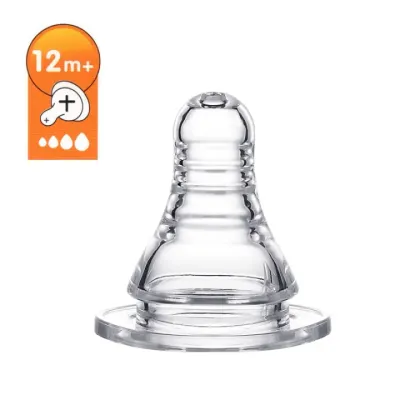
You should verify first if your baby shows any signs of skin irritation or discomfort after feeding, or if you are uncertain about the specific sterilization limits of your chosen bottle brand. Always read the manufacturer’s documentation to confirm the maximum temperature limits and recommended cleaning methods for the exact model you purchase. Furthermore, remember that selecting the correct flow rate—whether slow, medium, or fast—is a separate, critical decision that must be matched to your baby’s age, developmental stage, and feeding pace, completely independent of whether you choose silicone or latex.
Frequently Asked Questions (FAQ)
Can I mix silicone and latex nipples for the same baby?
While it is physically possible to use both silicone and latex nipples, alternating between them can sometimes cause confusion or frustration for your baby. The two materials feel completely different in the mouth; silicone is firm and holds its shape, while latex is soft, warm, and highly flexible. Some babies adapt quickly to these differences, but others may struggle to maintain a consistent latch or become fussy when switched back and forth. If you notice your baby showing signs of frustration, leaking milk from the corners of their mouth, or refusing the bottle, it is best to choose one material and stick with it to establish a predictable, comfortable feeding routine.
How do I know if a latex nipple has gone bad?
A latex nipple has gone bad and must be discarded immediately if you observe any changes in its texture, color, or structural integrity. Common visual and tactile indicators include a sticky or tacky feel when touched, noticeable swelling or enlargement of the nipple tip, dark discoloration, or a stretched-out shape that no longer resembles its original form. In the warm and humid climate of the Philippines, these signs of degradation can appear relatively quickly. Using a degraded latex nipple is highly unsafe, as the weakened rubber can easily tear or break apart while the baby is sucking, presenting a serious choking hazard.

Community discussion
Share your experience or ask a question. Comments are reviewed before publication.