
Choosing the right nipple for bottle feeding is a decision that directly impacts your baby’s daily comfort, feeding success, and oral development. Parents often choose between two primary materials: food-grade silicone and natural rubber latex. In the warm and humid climate of the Philippines, environmental factors like ambient heat and moisture play a significant role in how these materials wear down over time. While silicone is widely recognized for its durability and resistance to high temperatures, latex offers a soft, highly flexible texture that closely mimics the natural feel of a mother’s breast.
Making the right choice requires looking beyond marketing claims to understand how each material behaves during feeding, cleaning, and sterilization. Neither material is a universal winner; instead, the best option depends on your baby’s age, latching habits, and your household’s daily maintenance routine. By learning how to evaluate safety certifications, recognize signs of material degradation, and match the nipple to your baby’s developmental stage, you can ensure a safe and comfortable feeding experience.
Understanding the Core Differences Between Silicone and Latex
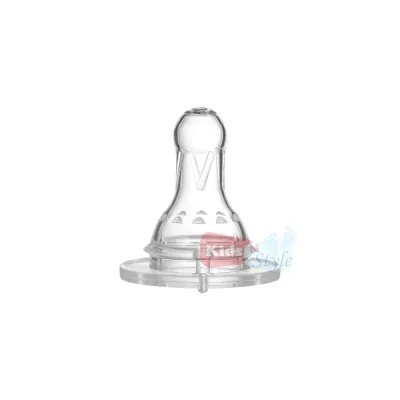
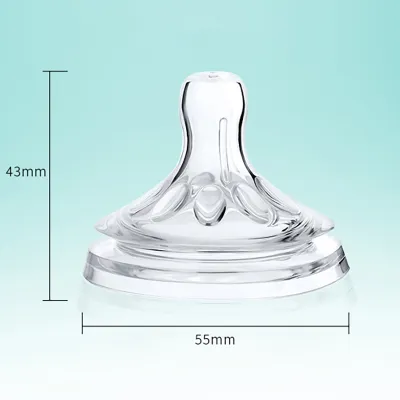
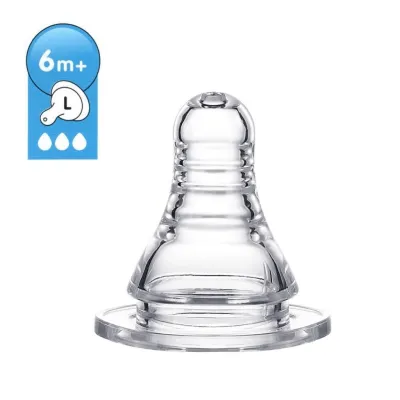
To make an informed decision, start with the physical and tactile characteristics of each material. Silicone is a clear, transparent, synthetic polymer. It is structurally firm, holds its shape well, and does not absorb odors or flavors from milk. When touched, a silicone nipple feels smooth and slightly rigid, providing a consistent flow rate because the material resists collapsing under suction.
Products mentioned in this guide
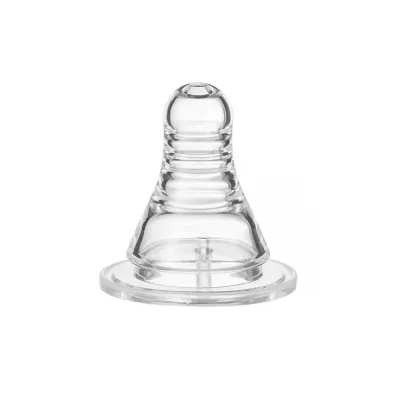
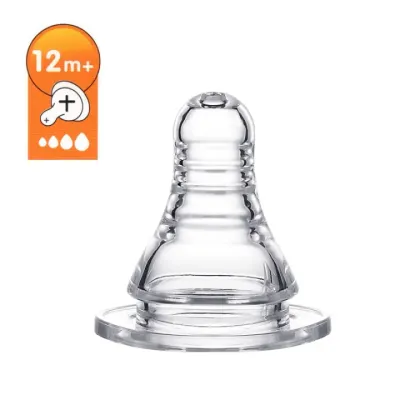
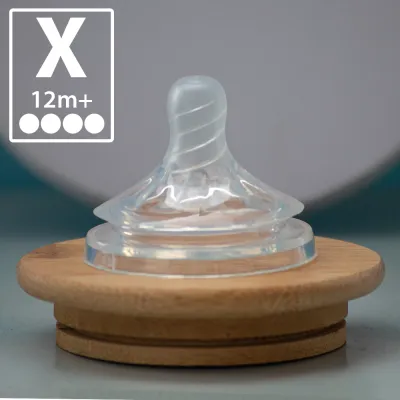

Prices are valid at publication and may change. Please refer to the product page for the latest price.
In contrast, natural rubber latex is made from the sap of rubber trees, giving it a distinct amber or golden-brown color. Latex is highly flexible, incredibly soft, and stretches easily in response to the baby’s tongue movements. This elasticity allows the latex nipple to conform closely to the shape of the baby’s mouth, mimicking the natural mechanics of breastfeeding.
These physical differences directly influence how your baby latches. The soft, yielding nature of latex often makes it an easier transition for newborns or breastfed infants who prefer a highly flexible texture. However, the firmness of silicone can support jaw development by requiring a more active, structured sucking rhythm. Some infants adapt seamlessly to silicone, while others may reject it initially in favor of the softer latex alternative.
Evaluating Safety and Health Considerations
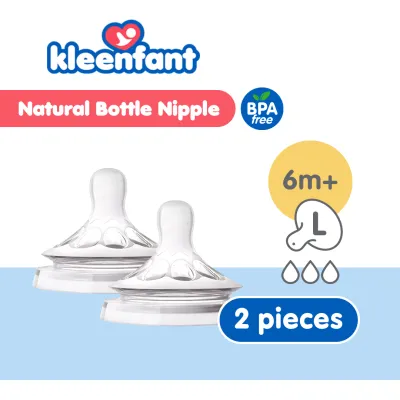
Ensuring the safety of your baby’s feeding equipment involves active verification rather than relying on attractive packaging designs. When shopping for a nipple for bottle feeding, always inspect the product label for verified safety standards. Look for explicit “BPA-free” and “BPS-free” certifications, which indicate that the material does not contain these common chemical plasticizers. Additionally, verify that the packaging states the product is made from food-grade silicone or medical-grade materials, ensuring it meets strict regulatory standards for infant contact.

Because latex is a natural plant-derived product, it contains proteins that can occasionally trigger allergic reactions in sensitive infants. Caregivers must remain vigilant, especially during the first few uses of a latex nipple. Monitor your baby closely for any signs of a latex allergy, which can manifest as skin redness, localized rashes around the mouth, hives, or facial swelling. If you observe any of these symptoms, stop using the latex nipple immediately, switch to a silicone alternative, and consult your pediatrician or a qualified healthcare professional.
Regardless of the material you choose, establish a daily inspection routine. The tropical heat and humidity in the Philippines can accelerate the breakdown of both synthetic and natural materials. Before preparing any bottle, perform a visual and tactile check of the nipple. Look for signs of degradation such as unusual discoloration, a cloudy appearance in silicone, or a sticky, tacky texture in latex. If the nipple appears stretched out, fails to return to its original shape, or shows any signs of thinning, discard it immediately.
Comparing Durability, Cleaning, and Sterilization
Maintaining hygienic feeding gear requires a careful balance of thorough cleaning and material preservation. Both silicone and latex require regular sterilization, but their tolerance for heat and moisture varies significantly. Always consult the manufacturer’s specific instructions for boiling, steam, or UV sterilization, as temperature limits and exposure times differ by brand and material blend.
Silicone is highly resilient and boasts excellent heat tolerance. It can withstand repeated exposure to steam sterilizers, boiling water, and UV sanitizing devices without losing its shape or structural strength. This makes silicone an incredibly convenient option for busy parents who rely on electric steam sterilizers for daily hygiene. Furthermore, silicone is non-porous, meaning it resists absorbing oils from milk and is less likely to harbor bacterial growth over time.
Latex, on the other hand, is highly sensitive to heat, light, and moisture. Frequent boiling or exposure to high-temperature steam sterilizers can cause natural rubber to degrade rapidly, making it sticky, soft, and prone to tearing. UV sterilization can also accelerate the breakdown of natural latex fibers. If you choose latex, you may need to rely on cold-water chemical sterilizing tablets or very brief boiling cycles, strictly adhering to the manufacturer’s guidelines to prevent premature wear.
To ensure your baby’s safety, perform a quick three-step check before every feed. Gently stretch the nipple bulb to check for elasticity and structural strength. Next, inspect the feeding hole and anti-colic vents closely for micro-tears, cracks, or enlargement. Finally, run a clean finger over the surface to feel for any stickiness, thinning, or rough patches. If the nipple fails any part of this check, replace it immediately to prevent the risk of the tip tearing off during a feed.
How to Choose the Right Bottle Nipple for Your Baby's Stage
Selecting the ideal nipple for bottle feeding is not a one-time decision; it must evolve alongside your baby’s growth, developmental milestones, and changing feeding behaviors. During the newborn stage, many infants benefit from the soft, compliant texture of latex, which requires less suction force to compress and mimics the familiar feel of skin. However, as your baby’s suction grows stronger, a soft latex nipple may collapse frequently during feeds, causing frustration and air ingestion. At this stage, transitioning to a firmer silicone nipple can provide the structural support needed for a steady, uninterrupted flow.
The emergence of baby teeth marks a critical transition point in your material choice. Teething infants naturally seek relief by chewing on whatever is in their mouths, including their bottle nipples. Because latex is soft and highly flexible, emerging teeth can easily puncture or tear the material, creating a serious choking hazard if a piece of the rubber breaks off. Silicone, with its superior tear resistance and firm structure, is much better suited to withstand the pressure of active chewing, making it the safer and more durable choice for teething babies.
In addition to material, align your choice with the appropriate flow rate, which typically ranges from slow-flow for newborns to fast-flow or Y-cut for older infants. Observe your baby’s feeding cues closely. If your baby is fussing during feeds, sucking aggressively, or taking an unusually long time to finish a bottle, the flow rate may be too slow, or the nipple material may be collapsing. Conversely, if you notice milk leaking from the corners of their mouth, coughing, or rapid swallowing, the flow rate is likely too fast. Regularly assessing these cues ensures that your choice of material and flow rate matches your baby’s developmental needs.
Frequently Asked Questions (FAQ)
Can I mix silicone and latex nipples for the same baby?
While it is physically possible to alternate between silicone and latex nipples, doing so can sometimes disrupt your baby’s feeding consistency. Because the two materials feel vastly different in terms of firmness and flexibility, some infants may develop a strong preference for one texture and reject the other. If you decide to use both, monitor your baby’s latch comfort closely. Additionally, remember to track the wear and tear of each material separately, as latex nipples will degrade much faster than silicone under the same cleaning and sterilization routine.
How often should I replace silicone and latex bottle nipples?
There is no fixed calendar timeline for replacing bottle nipples, as the lifespan depends heavily on sterilization frequency, feeding habits, and environmental exposure. Generally, natural rubber latex nipples require more frequent replacement—often every 4 to 6 weeks—because they degrade naturally when exposed to heat and milk fats. Silicone nipples are more durable and can last longer, but they still require replacement if they show signs of wear. Regardless of age, you must replace any nipple immediately if you observe cloudiness, surface stickiness, micro-tears, or an altered flow rate. Always refer to the manufacturer’s guidelines for specific replacement recommendations.
Are natural rubber latex nipples more eco-friendly than silicone?
Natural rubber latex is harvested from the sap of rubber trees, making it a renewable resource, whereas silicone is a synthetic polymer derived from silica. While latex is biodegradable under specific environmental conditions, this does not automatically make it a fully sustainable choice for every household. In practice, neither silicone nor latex bottle nipples are accepted in standard municipal recycling programs in the Philippines. Caregivers should check local waste management and disposal guidelines rather than assuming either material can be easily recycled or composted at home.

Community discussion
Share your experience or ask a question. Comments are reviewed before publication.