
Choosing the right bottle nipple material is one of the most practical decisions you will make for your baby’s daily feeding routine. The two primary options available are silicone and latex, each offering distinct physical properties, durability profiles, and tactile experiences. While silicone is highly durable, heat-resistant, and hypoallergenic, latex provides a softer, more flexible texture that closely mimics the natural feel of skin.
Understanding the differences between these materials helps ensure a comfortable feeding experience while maintaining high hygiene standards. In tropical environments where heat and humidity are constant factors, your choice of material will also influence how you clean, sterilize, and store your baby’s feeding gear. By comparing their physical characteristics, durability, and safety profiles, you can confidently select the option that best aligns with your baby’s developmental stage and your family’s daily routine.
Understanding Silicone and Latex Nipple Materials
Silicone and latex nipples are easily distinguishable by their appearance, texture, and structural behavior. Silicone is a synthetic, clear, and transparent material. It is firmer to the touch and retains its molded shape exceptionally well, even under strong suction. Because of its synthetic composition, silicone is completely odorless and tasteless, which can make it easier for some infants to accept without any sensory distraction.
Products mentioned in this guide
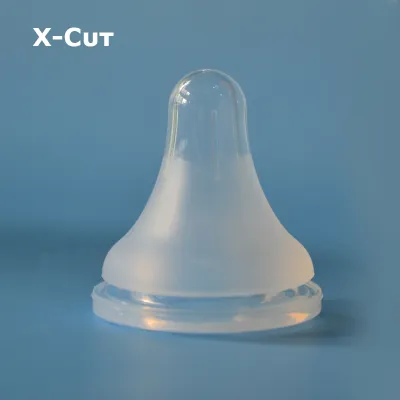
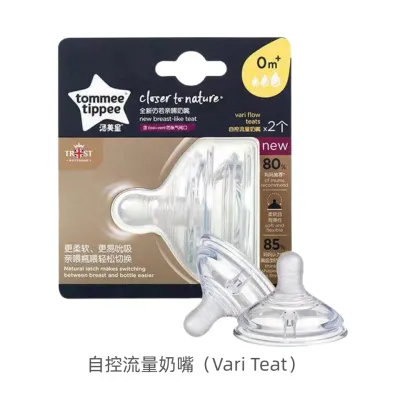
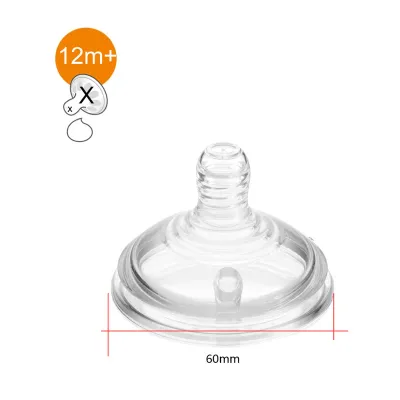
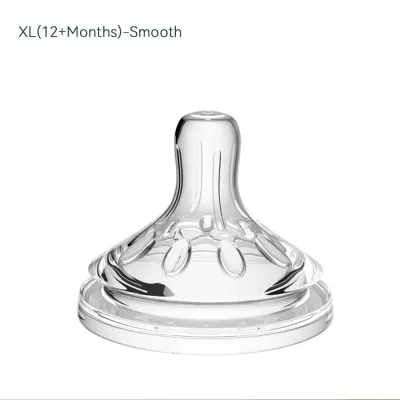
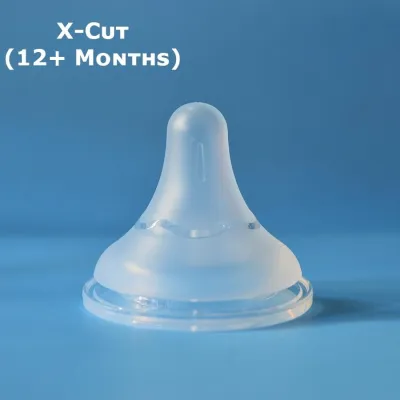

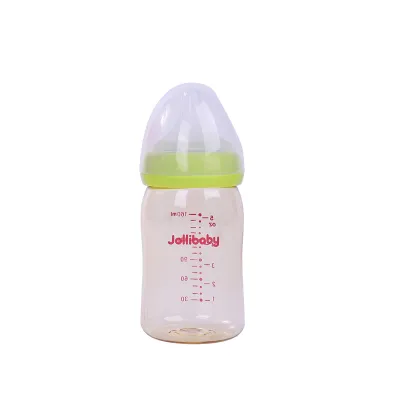
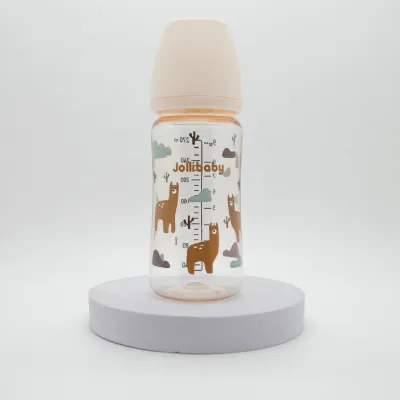
Prices are valid at publication and may change. Please refer to the product page for the latest price.
In contrast, latex is a natural rubber product, typically recognizable by its golden-brown, amber, or yellow hue. It is significantly softer and more pliable than silicone, stretching and flexing easily in response to the baby’s tongue movements. This high elasticity allows the latex nipple to mimic the warmth and natural feel of skin, which is why some breastfed infants transition to it more readily.
When shopping for feeding accessories, parents should always examine the product packaging to verify the exact material composition. Manufacturers clearly print whether a product is made of food-grade silicone or natural rubber latex. Checking these details ensures you do not rely solely on visual cues, as some modern silicone nipples are textured or tinted to resemble other materials.
Comparing Durability, Care, and Sterilization Needs
The physical environment plays a major role in how bottle nipples hold up over time. In warm, humid tropical climates like the Philippines, materials are subjected to environmental stressors that can accelerate their degradation. Silicone is highly stable and resistant to temperature extremes, making it exceptionally durable. It does not react to the natural fats and acids found in breast milk or infant formula, allowing it to maintain its structural integrity through months of regular use.

Latex, being a natural organic material, is far more sensitive to environmental factors. Exposure to direct sunlight, ambient heat, and the oils present in milk will cause latex to break down over time. As latex degrades, it tends to absorb moisture, causing the material to swell, soften, and become sticky. This structural softening can alter the flow rate of the nipple, potentially causing the baby to swallow too much milk or struggle with a collapsing tip.
Sterilization routines must also be tailored to the material’s limits. Silicone can easily withstand the high temperatures of steam sterilizers, UV sterilizers, and boiling water without warping or losing its shape. Latex, however, has a much lower heat tolerance. Frequent boiling or exposure to intense steam can rapidly weaken natural rubber. Parents using latex must carefully check the manufacturer’s instructions on the packaging to determine the maximum safe temperature and recommended sterilization methods to avoid premature wear.
Safety Considerations and Allergy Awareness
Safety is the foremost priority when selecting any product that comes into direct contact with your baby’s mouth. The primary safety consideration unique to latex is the potential for allergic reactions. Because latex is harvested from rubber trees, it contains natural proteins that can trigger sensitivities or allergic contact dermatitis in susceptible infants.
Parents choosing latex nipples must remain vigilant and monitor their baby closely during and after feedings. Early signs of a latex sensitivity or allergic reaction include localized redness, swelling, a rash around the lips and chin, or unusual fussiness during feeding. If you observe any of these symptoms, you should immediately discontinue the use of all latex products and consult a pediatrician or healthcare professional for guidance.
Silicone, on the other hand, is a hypoallergenic material. It does not contain the organic proteins found in natural rubber, making the risk of an allergic reaction extremely low. Regardless of the material you choose, always inspect the product packaging for safety certifications and purity labels. Ensure the packaging explicitly states that the product is BPA-free and complies with food-contact safety standards. Verifying these certifications on the box helps guarantee that your baby’s feeding equipment is free from harmful chemical additives.
Choosing the Right Material for Your Baby's Feeding Needs
Selecting the ideal nipple material requires balancing your baby’s developmental stage with your household’s daily routine and budget. Newborns and younger infants, who are still developing their sucking reflex, often benefit from the soft, highly flexible nature of latex. The ease with which latex compresses can make feeding less tiring for a small baby. However, as babies grow, develop stronger suction, and begin the teething process, they may easily bite through or tear soft latex. For teething babies, the firm, bite-resistant quality of silicone is generally more suitable and safer.
Compatibility is another critical factor when purchasing replacement parts. If you are using a specific bottle system, such as a Jollibaby bottle, you must ensure that any replacement Jollibaby nipple you purchase matches the exact model and collar size of your existing bottles. Mixing incompatible brands or sizes can lead to persistent leaks, improper venting, or a collapsed nipple during feeding. Always refer to the manufacturer’s compatibility charts before making a purchase.
Finally, consider the long-term cost and maintenance effort. While latex nipples may sometimes have a slightly lower initial purchase price, their rapid degradation means they must be replaced much more frequently. In contrast, silicone nipples represent a highly cost-effective option over time. Although a pack of silicone nipples might require a slightly higher upfront investment—often ranging from ₱150 to ₱300 depending on the brand and pack size—their long lifespan and ease of cleaning make them a highly practical choice for busy parents.
When to Inspect and Replace Bottle Nipples
Establishing a routine inspection habit is essential for preventing feeding hazards. Before every single feeding session, take a few seconds to perform a physical and visual check of the nipple. Gently pull on the bulb of the nipple in all directions to test its elasticity. If the material stretches and snaps back quickly, it is still structurally sound. If it feels weak, sticky, or fails to return to its original shape, it must be discarded immediately.
There are several immediate red flags that indicate a nipple is no longer safe for use. For silicone, look out for fine cracks, punctures, or tears, especially around the feeding hole or the anti-colic vent. For latex, watch for significant swelling, a sticky or tacky texture, or a dark, cloudy discoloration. Another critical warning sign is the flow rate: if milk pours out in a continuous stream rather than steady, controlled drops, the feeding hole has stretched or torn, posing a serious choking hazard to your baby.
Even in the absence of visible damage, routine replacement is necessary to maintain optimal hygiene. As a general guideline, manufacturers typically recommend replacing latex nipples every 4 to 6 weeks due to natural material breakdown. Silicone nipples, being more resilient, can generally be used for 2 to 3 months before replacement is needed. Always check the manufacturer’s specific guidelines on the product packaging, as individual usage patterns and sterilization methods will ultimately dictate the exact lifespan of each nipple.
Frequently Asked Questions (FAQ)
Can I mix silicone and latex nipples for the same baby?
Yes, you can alternate between silicone and latex nipples, but it depends largely on your baby’s acceptance. Some infants adapt easily to different textures, while others may reject a firmer silicone nipple after becoming accustomed to the ultra-soft feel of latex. If you choose to mix materials, monitor your baby closely for any signs of confusion or delayed skin sensitivity when switching between the two.
Why did my clear silicone nipple turn yellow?
Clear silicone nipples can turn yellow over time due to exposure to milk fats, pigments in dish soaps, or repeated high-heat sterilization. While mild discoloration is often a harmless cosmetic change, a nipple that has turned deeply yellow, cloudy, or sticky has reached the end of its lifespan and should be replaced immediately to ensure feeding safety.
Are all Jollibaby nipples made of the same material?
No, brands like Jollibaby often manufacture nipples in both silicone and latex, as well as in various flow rates and shapes to accommodate different developmental stages. Always check the product packaging of your specific Jollibaby nipple to confirm its material composition and ensure it is fully compatible with your bottle model.

Community discussion
Share your experience or ask a question. Comments are reviewed before publication.