
Choosing the right bottle nipple is one of the most important decisions you will make when preparing for your baby’s feeding journey. The material you select directly impacts your baby’s latch, comfort, and overall feeding experience, as well as your daily cleaning and maintenance routine. While walking down the baby care aisle or browsing an online marketplace, you will primarily encounter two options: silicone and latex. Both materials have distinct physical properties, benefits, and limitations that make them suitable for different feeding scenarios.
To make the best choice for your family, it is essential to understand how these materials perform under daily use. Silicone is a durable, heat-resistant synthetic polymer that holds up well to frequent sterilization, making it a popular choice for long-term use. Latex is a softer, highly flexible natural rubber that closely mimics the natural feel of human skin, which can be highly comforting for newborns but requires more frequent replacement. Balancing these characteristics against your baby’s unique preferences and your lifestyle will help you select the ideal option.
Key Differences Between Silicone and Latex Nipples
Silicone is a man-made, food-grade synthetic polymer derived from silicon, oxygen, carbon, and hydrogen. It is highly stable, firm, and completely clear. Because it is a synthetic material, manufacturers can precisely control its thickness and structural integrity during production. This allows for highly consistent flow rates and specialized shapes that do not easily warp or stretch over time.
Products mentioned in this guide
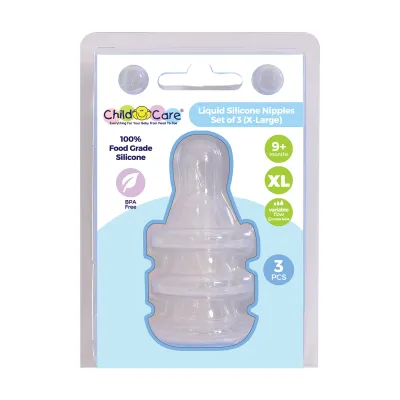
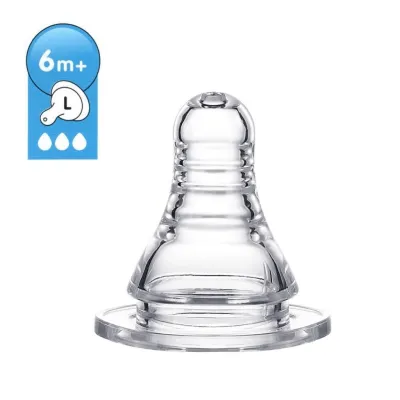
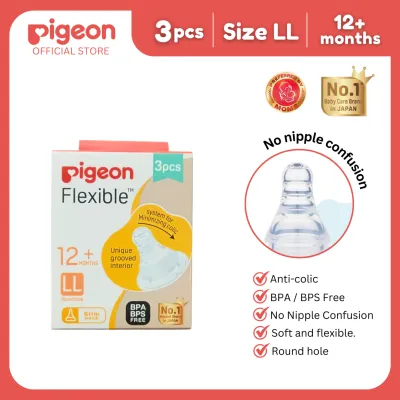
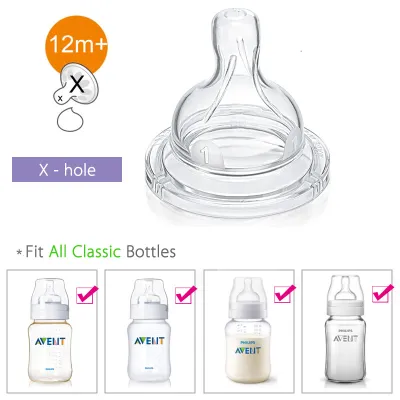
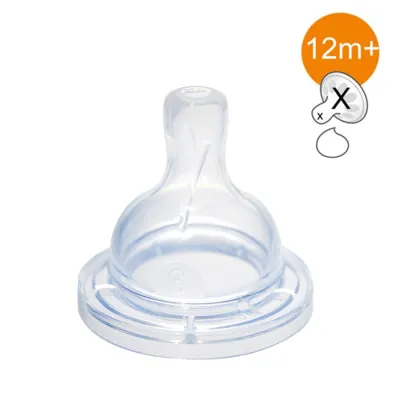
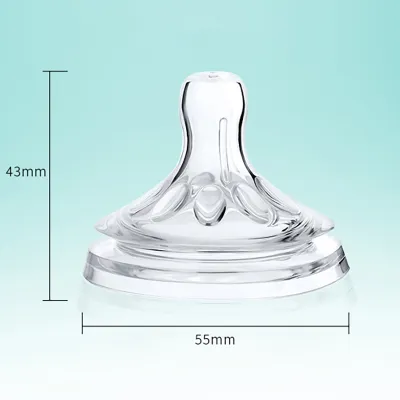
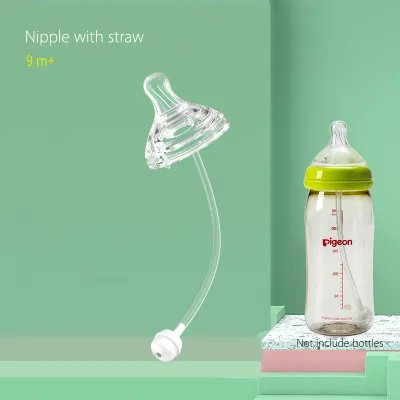
Prices are valid at publication and may change. Please refer to the product page for the latest price.
Latex, on the other hand, is a natural rubber harvested from the sap of rubber trees. This organic origin gives latex its characteristic amber, golden-brown, or yellowish translucent appearance. When you touch a latex nipple, it feels noticeably softer, more matte, and highly pliable compared to silicone. This high elasticity allows the nipple to stretch and flex easily in response to your baby’s sucking movements.
In terms of physical performance, silicone is highly resistant to environmental factors. It does not easily absorb odors, flavors, or colors from milk and formula, and it maintains its shape even after hundreds of sterilization cycles. Latex is much more sensitive to environmental exposure. In warm, humid tropical climates like the Philippines, natural rubber is prone to absorbing moisture and oils from milk, which can cause the material to break down, expand, or become sticky over time.
Safety and Allergy Considerations
Safety is the top priority for any parent, and understanding the potential risks associated with each material is crucial. Because latex is a natural plant product, it contains proteins that can trigger allergic reactions in some infants. While rare, a latex allergy can cause symptoms such as skin redness, hives, swelling around the lips or mouth, and in severe cases, respiratory distress. Caregivers must monitor their baby closely during and after feedings, especially when introducing a latex nipple for the first time. If you observe any signs of an allergic reaction, stop using the latex nipple immediately and consult a pediatrician or qualified healthcare professional.

Silicone is hypoallergenic and does not contain the plant proteins found in natural rubber, making it an excellent alternative for families with a history of latex sensitivities. Regardless of the material you choose, always verify safety certifications directly on the product packaging before purchasing. Look for clear labels indicating that the nipples are BPA-free, phthalate-free, and made from food-grade materials to ensure they meet modern safety standards.
Additionally, check the manufacturer’s age and developmental stage recommendations. Nipples are designed with specific flow rates—such as slow, medium, or fast—to match your baby’s growing feeding capabilities. Using a nipple that does not align with your baby’s developmental stage can lead to feeding difficulties, such as choking from a flow that is too fast or exhaustion from a flow that is too slow. Always supervise your baby during feeds to ensure they are swallowing comfortably.
Durability, Maintenance, and Cleaning
Maintaining a hygienic feeding setup requires regular cleaning and sterilization, but silicone and latex handle these processes very differently. Silicone is exceptionally heat-resistant, meaning it can safely undergo various sterilization methods, including boiling water, electric steam sterilizers, and UV sterilizers. It does not warp or degrade under high temperatures, making it a highly durable option for busy households.
Latex requires much gentler care. Because natural rubber is sensitive to high heat and light, frequent boiling or steam sterilization can accelerate its degradation. UV sterilization can also weaken the molecular structure of natural rubber, causing it to become brittle or sticky. When cleaning latex nipples, always check the manufacturer’s instructions for specific temperature limits and approved sterilization methods to avoid damaging the material.
Regular inspection is vital for both materials to ensure your baby’s safety. Before every feeding, perform a quick pull test by tugging on the bulb of the nipple to check for structural integrity. For silicone, look for tiny tears, cracks, or cloudy discoloration. For latex, watch out for stickiness, swelling, thinning of the rubber, or a change in color to a dark brown. If you notice any of these signs of wear and tear, discard the nipple immediately. A damaged nipple can tear completely during a feed, presenting a serious choking hazard.
Due to these differences in durability, their lifespans vary significantly. Latex nipples generally need to be replaced every 4 to 6 weeks because of natural degradation. Silicone nipples are much more resilient and typically last between 2 to 3 months before showing signs of wear. While silicone nipples may have a slightly higher initial cost—often ranging from ₱150 to ₱400 per pack depending on the brand—their longer lifespan often makes them a more cost-effective choice in the long run.
Feeding Experience and Baby's Preference
A baby’s acceptance of a bottle often comes down to how the nipple feels in their mouth. Latex nipples are highly favored for babies transitioning from breastfeeding to bottle-feeding. The soft, flexible, and warm texture of natural rubber closely mimics the natural elasticity of a mother’s breast, which can make the transition smoother for sensitive or picky infants who reject firmer materials.
Silicone nipples, while firmer, are designed to maintain a consistent shape and flow rate throughout the feed. This firmness prevents the nipple from collapsing under strong suction, ensuring a steady flow of milk. Many modern silicone nipples feature textured surfaces or ultra-soft zones near the tip to help simulate a natural feel, bridging the gap between durability and comfort.
To find the optimal fit, observe your baby’s latch and feeding behavior. A proper latch is characterized by the baby’s lips flanging outward around the wide base of the nipple, creating a secure seal. If your baby is constantly collapsing the nipple, swallowing excessive air, or showing signs of frustration during feeds, it may be time to experiment with a different material, shape, or flow rate to match their sucking strength.
Decision Framework: Which Nipple Should You Buy?
To finalize your decision, consider your family’s daily routine, sterilization equipment, and your baby’s unique preferences.
Choose Silicone if:
- You want a highly durable, low-maintenance nipple that can withstand frequent high-heat steam or UV sterilization.
- You prefer a material that does not absorb odors, lasts for several months, and offers a consistent, collapse-resistant flow.
- You want a hypoallergenic option with no risk of natural rubber latex allergies.
Choose Latex if:
- Your baby is transitioning from breastfeeding and prefers an ultra-soft, highly flexible texture that mimics skin-like elasticity.
- Your baby rejects firmer silicone options and struggles to maintain a proper latch on standard bottles.
- You are comfortable replacing the nipples frequently (every 4 to 6 weeks) and sterilizing them with extra care.
Verify first if:
- There is any family history of latex allergies, which would make silicone the safer starting choice.
- Your home sterilizer's operating instructions warn against processing natural rubber products, as this will limit your ability to use latex safely.
Frequently Asked Questions (FAQ)
Can I mix silicone and latex nipples for the same bottle brand?
While some major bottle brands manufacture both silicone and latex nipples designed to fit their specific bottle collars, you must always verify cross-compatibility in the manufacturer’s official guidelines. Even within the same brand, slight variations in material thickness or collar design can prevent a proper seal. Using incompatible parts can lead to milk leaking around the collar or disrupt the bottle’s anti-colic venting system, which can cause your baby to swallow excess air during feeds.
How do I safely dispose of old latex and silicone nipples?
When it is time to replace your baby’s bottle nipples, disposal methods depend on the material. Natural latex is a biodegradable material derived from rubber trees, meaning it breaks down more naturally in standard municipal waste systems over time compared to synthetic alternatives. Silicone is a synthetic polymer that does not easily biodegrade. Because baby bottle nipples are food-contact items, they are generally not accepted in standard curbside recycling bins due to sanitary regulations and material sorting limitations. Both degraded silicone and latex nipples should be disposed of in your regular household waste.

Community discussion
Share your experience or ask a question. Comments are reviewed before publication.