
Selecting the right bottle nipple for your baby involves balancing comfort, safety, and long-term durability. While both silicone and latex are widely available, neither material is a universal winner for every infant. Silicone is a synthetic, firm, and highly durable material that resists heat and wear, making it a practical choice for busy households and frequent sterilization. Latex, made from natural rubber, offers a softer, more flexible texture that closely mimics the feel of skin, which can be highly comforting for newborns or breastfed babies. However, latex degrades much faster, especially in warm, humid climates, and carries a risk of allergic reactions. Understanding how these materials perform under daily use, sterilization, and teething will help you make an informed decision for your baby’s feeding journey.
Understanding the Physical Differences Between Silicone and Latex
To make an informed choice when browsing a chupon for nipple sale online or at a local baby store, it is essential to understand how these two materials differ physically. The most immediate difference lies in their texture and flexibility. Silicone is a clear, medical-grade synthetic polymer that feels relatively firm to the touch. It is designed to retain its shape even after prolonged use and repeated cleanings. Because of this structural rigidity, silicone nipples provide a consistent flow rate, but they require more active sucking effort from the baby, which some newborns might find challenging.
In contrast, latex is a natural rubber product characterized by its exceptional softness and elasticity. It is highly flexible and stretches easily, closely mimicking the natural movement and warmth of a mother’s breast during feeding. This pliable nature often makes latex the preferred choice for infants who struggle with a latch or those transitioning between breastfeeding and bottle-feeding.
Products mentioned in this guide
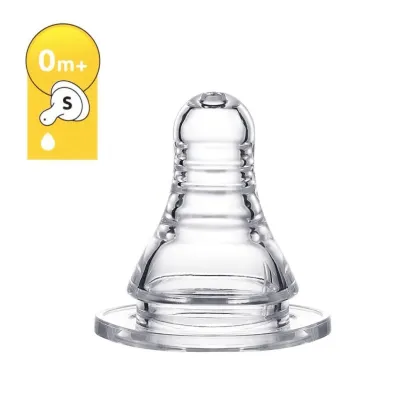
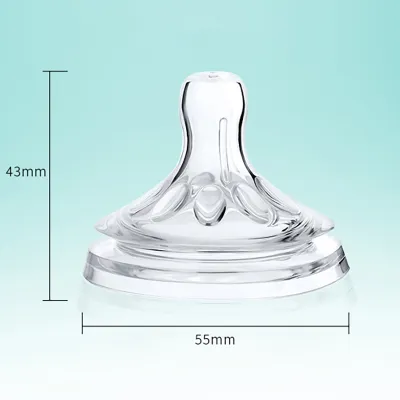
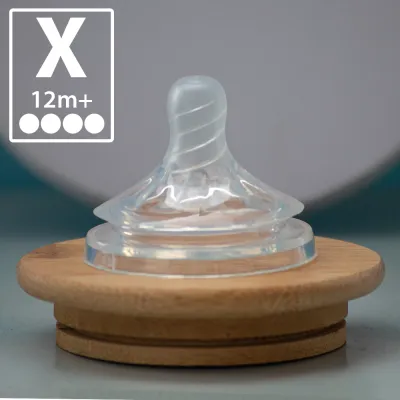
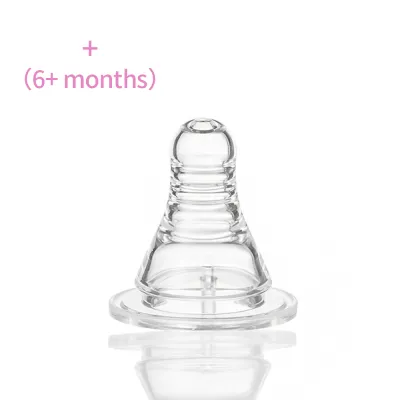
Prices are valid at publication and may change. Please refer to the product page for the latest price.
Visually and olfactorily, the two materials are distinct. Silicone nipples are completely transparent, allowing you to easily monitor the milk flow and check for any internal residue or blockages during cleaning. They are also entirely odorless and tasteless, which prevents any sensory distraction for your baby. Latex nipples, on the other hand, have a distinct golden-brown or yellowish tint. Because they are made from natural rubber, they carry a mild, characteristic scent and taste that some babies find comforting, while others may reject it. These physical attributes play a significant role in how quickly your baby accepts the bottle, making it wise to observe their latching behavior closely during the first few feedings.
Evaluating Safety, Allergies, and Material Composition
Safety is the primary concern for any parent, and evaluating the material composition of bottle nipples is a critical step before introducing them to your baby. The most significant safety consideration associated with latex is the potential for allergic reactions. Because latex is derived from natural rubber sap, it contains natural proteins that can trigger allergic responses in sensitive individuals. While latex allergies in infants are relatively rare, they can be serious. If your family has a history of latex allergies, or if your baby shows signs of skin irritation, eczema, or respiratory discomfort, you should avoid latex nipples entirely and consult a pediatrician or a qualified healthcare professional for guidance.

Silicone is widely recognized as a hypoallergenic alternative because it is a synthetic material free of natural rubber proteins. This makes it an excellent choice for families with sensitive skin or a history of allergies. However, choosing silicone does not mean you can skip checking the product labels. When purchasing silicone nipples, always verify that the packaging explicitly states the material is food-grade or medical-grade, and look for clear labels indicating that the product is free from Bisphenol A (BPA) and Bisphenol S (BPS).
Regardless of the material you choose, never rely solely on general assumptions about safety. Always inspect the packaging for specific age-grade suitability, flow rate indicators, and manufacturer warning labels. Manufacturers design nipples with specific flow rates tailored to different developmental stages, and using an incorrect flow rate can lead to choking hazards or feeding frustration. Always cross-reference the product specifications with your baby’s current age, weight, and feeding habits to ensure a safe experience.
Comparing Durability, Wear, and Sterilization Impact
The lifespan of a bottle nipple depends heavily on its material composition and how it responds to daily wear, biting, and your sterilization routine. In tropical climates like the Philippines, where heat and humidity are constant factors, these materials behave very differently over time.
When it comes to biting and chewing, latex has a distinct advantage due to its high elasticity. If your baby has started teething and tends to bite down on the nipple, latex is highly resistant to tearing and can withstand a fair amount of stretching without splitting. Silicone, while firmer, is more brittle under localized pressure. Once a baby’s sharp primary teeth puncture the surface of a silicone nipple, the tear can quickly expand, causing the nipple to split completely and posing a serious choking hazard.
However, the comparison reverses when evaluating sterilization and heat resistance. Silicone is highly stable and can withstand repeated exposure to high temperatures without degrading. Whether you use boiling water, electric steam sterilizers, or UV sanitizing units, silicone retains its structural integrity, clarity, and shape for a long time. Latex, conversely, is highly sensitive to heat, light, and moisture. Frequent exposure to high-temperature sterilization or prolonged storage in warm, humid environments causes latex to degrade rapidly. Over time, latex nipples will expand, lose their elasticity, become sticky to the touch, and develop a cloudy or dark appearance.
To maximize the lifespan of either material, it is crucial to strictly follow the manufacturer’s specific care and sterilization instructions. Avoid exposing latex to direct sunlight or leaving it submerged in sterilizing solutions longer than recommended, as this accelerates chemical breakdown.
Decision Framework: Which Material Fits Your Baby’s Needs?
Choosing between silicone and latex does not require finding a universal winner; instead, it requires matching the material’s properties to your baby’s specific developmental stage and your household routine.
You should choose silicone if:
- Your baby is older, has started teething, and you need a material that resists tearing from occasional biting, provided you inspect it daily.
- You prefer a low-maintenance feeding setup and rely heavily on high-heat steam sterilizers or boiling water for daily sanitation.
- You want a durable option that retains its shape and flow rate over several months of regular use, offering better long-term value for your budget.
You should choose latex if:
- Your baby is a newborn or is transitioning directly from breastfeeding and rejects the firmer texture of silicone nipples.
- Your baby prefers a highly flexible, soft teat that mimics the natural warmth and feel of skin.
- You are willing to replace the nipples more frequently to accommodate the faster degradation rate of natural rubber.
You must verify first if:
- Your baby or any immediate family member has a known or suspected allergy to natural rubber latex.
- The specific bottle brand you own uses proprietary collar rings that only fit their own brand-specific nipples, which may limit your ability to switch between materials.
Daily Inspection and Safe Replacement Guidelines
No matter which material you select, establishing a daily inspection routine is vital to ensure your baby’s safety during every feed. Before every single feeding session, take a few seconds to perform a thorough visual and physical check of the nipple. Hold the nipple up to the light and inspect it for any visible cracks, tears, discoloration, or cloudiness. Next, perform a gentle pull test: grasp the bulb of the nipple and pull firmly. A safe, structurally sound nipple will stretch and immediately snap back into its original shape. If it stretches and remains deformed, or if you feel any stickiness, the material has degraded and must be discarded immediately.
There are several absolute stop-use conditions that require immediate disposal of the nipple to prevent choking or aspiration:
- The nipple has any visible tears, splits, or punctures, especially around the feeding hole or the vent valve.
- The material feels sticky, tacky, or soft and swollen, which indicates advanced degradation (common in older latex nipples).
- The feeding hole has enlarged, causing the milk to flow too quickly, which can lead to gagging or choking.
- The nipple has become severely discolored or cloudy, suggesting a buildup of residue or material breakdown.
As a general guideline, manufacturers typically recommend replacing silicone nipples every two to three months, and latex nipples every four to six weeks, even if they look undamaged. However, you should always adjust this timeline based on the actual wear and tear observed during your daily inspections, especially if your baby is teething or if you live in a highly humid environment.
Frequently Asked Questions (FAQ)
Can I mix silicone and latex nipples on the same bottle brand?
While many bottle brands design their collar rings to accommodate both silicone and latex options within their product line, mixing materials is generally discouraged. Different materials have distinct flow rates and textures, and switching back and forth can confuse your baby or disrupt their latching pattern. Additionally, you must verify the manufacturer’s guidelines to ensure that the specific collar design secures both materials with equal pressure. A poor fit can lead to slow leaks, air entry, or the nipple collapsing during a feed.
How do I properly dispose of worn-out latex or silicone nipples?
When disposing of degraded feeding nipples, safety should remain your top priority. Before throwing them away, use a pair of scissors to cut or puncture the nipple bulb completely. This simple step ensures that the discarded item cannot be accidentally reused or become a choking hazard for pets or stray animals. In terms of environmental impact, latex is a natural material, but because it undergoes chemical vulcanization during manufacturing, it should generally be disposed of in your regular household waste unless a local recycling program specifically accepts it. Silicone is highly durable and does not decompose easily, meaning it must go to general waste or be sent to specialized silicone recycling facilities where available.

Community discussion
Share your experience or ask a question. Comments are reviewed before publication.