
Quick Answer: Which Nipple Material Is Best for Your Baby?
Choosing between silicone and latex for your infant’s bottle is a decision that directly impacts their daily comfort, feeding success, and oral development. For the vast majority of parents, a high-quality silicone nipple for baby bottle use is the most practical and reliable choice. Medical-grade silicone is hypoallergenic, highly durable, and exceptionally resistant to the high-heat sterilization methods required to keep infant feeding gear safe. It maintains its structural integrity over months of use, making it both a safe and cost-effective option for busy households.
However, natural rubber latex remains a popular alternative for specific feeding scenarios. Latex nipples are significantly softer, more flexible, and mimic the natural warmth and texture of human skin more closely than silicone. This pliability can be highly beneficial for breastfed babies who struggle to latch onto firmer materials or infants with weaker oral muscles. Despite these sensory benefits, latex carries a small risk of triggering natural rubber allergies, degrades rapidly under heat, and requires much more frequent replacement.
Ultimately, the ideal material depends on your baby’s unique feeding preferences, physical sensitivities, and your daily sterilization routine. If your family has no history of latex allergies and your baby rejects firmer bottles, latex may ease the transition. For long-term durability, easy maintenance, and peace of mind regarding allergen exposure, silicone remains the industry standard. Always observe your baby’s feeding behavior and consult a pediatrician if you notice any signs of discomfort or feeding difficulties.
Products mentioned in this guide
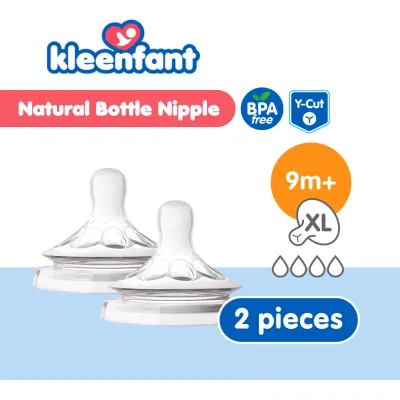
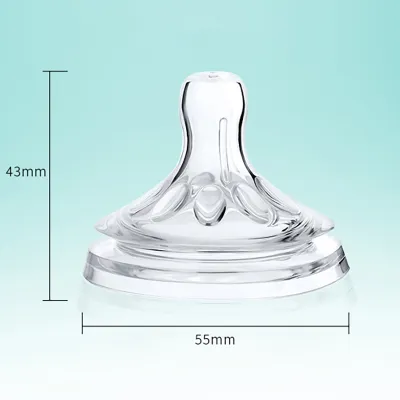
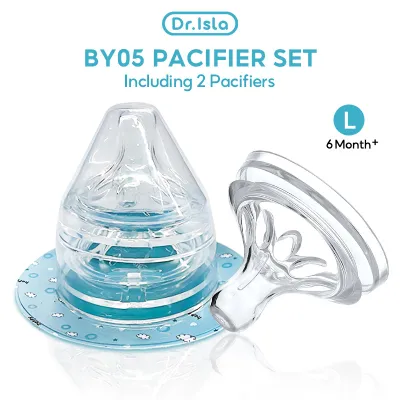
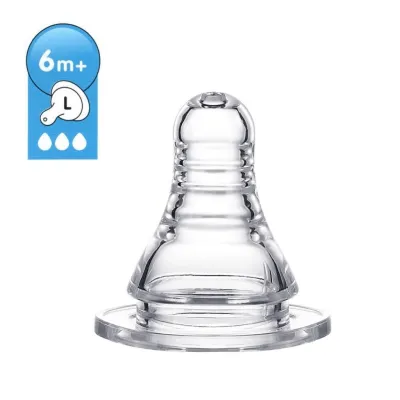
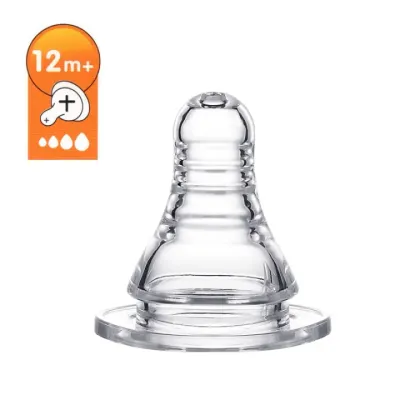
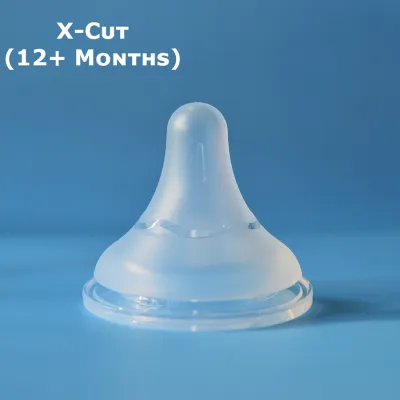
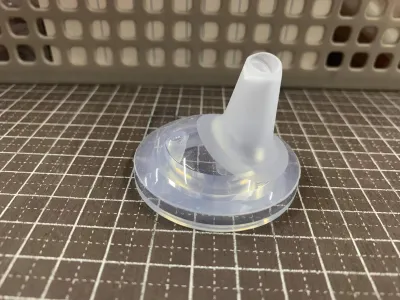
Prices are valid at publication and may change. Please refer to the product page for the latest price.
Silicone vs. Latex: Core Material Differences
To make an informed choice, it is essential to understand the fundamental physical and chemical differences between these two materials. Silicone is a synthetic crystalline polymer made from silicon, oxygen, carbon, and hydrogen. Because it is manufactured in controlled laboratory environments, food-grade and medical-grade silicone are highly consistent, inert, and completely free of organic plant proteins. This synthetic origin gives silicone its characteristic crystal-clear appearance, firm structure, and remarkable stability when exposed to environmental stressors.

In contrast, natural rubber latex is harvested as an organic sap from the Hevea brasiliensis (rubber) tree. This sap is processed and molded into the familiar amber or golden-brown nipples seen on retail shelves. Because latex is an organic material, it contains naturally occurring plant proteins and lipids. These organic components give latex its unmatched elasticity and soft, skin-like texture, but they also make the material highly sensitive to heat, light, and fats.
While general material traits remain consistent, parents must remember that exact physical properties, chemical formulations, and heat limits vary significantly by manufacturer. Always verify the specific product labels and user manuals for the exact specifications of your chosen brand. Below is a general comparison of the two materials to help you visualize their core differences:
| Feature | Silicone Nipples | Latex Nipples |
|---|---|---|
| Material Origin | Synthetic polymer (silicon-based) | Natural organic rubber tree sap |
| Visual Appearance | Crystal clear and transparent | Amber, golden-brown, or translucent yellow |
| Texture & Firmness | Firmer, highly structured, holds shape | Extremely soft, highly pliable, elastic |
| Heat Tolerance | High (withstands frequent steam, boiling, and UV) | Low to moderate (degrades quickly under high heat) |
| Allergy Risk | Extremely low (hypoallergenic) | Potential risk of natural rubber latex allergy |
| Lifespan | Long-lasting; highly resistant to wear | Short-lived; degrades and becomes sticky quickly |
Safety First: Allergies, Chemicals, and Health Risks
When it comes to infant feeding, health and safety are the absolute priorities for any caregiver. The most significant safety distinction between the two materials lies in the risk of allergic reactions. Natural rubber latex contains organic proteins that can trigger contact sensitivities or systemic allergic reactions in susceptible infants. If there is a known family history of latex allergies, healthcare professionals strongly advise avoiding latex nipples entirely to prevent sensitizing your baby’s developing immune system.
Silicone, being a fully synthetic and inert material, is inherently hypoallergenic. It does not contain any organic proteins, making it an exceptionally safe default option for babies with highly sensitive skin, eczema, or a family history of allergies. Because it is non-porous, silicone also resists harboring microscopic food particles and bacteria, adding an extra layer of hygienic safety to your daily feeding routine.
Chemical safety is another crucial consideration for parents evaluating bottle components. While Bisphenol A (BPA) is primarily a concern associated with rigid plastic bottles rather than the nipples themselves, caregivers must remain vigilant. When purchasing any feeding accessory, always inspect the packaging to ensure the product is certified BPA-free and explicitly labeled as food-grade or medical-grade silicone or natural rubber.
Regardless of the material you choose, careful observation during feeding is vital. Watch your baby closely for any signs of physical irritation, such as redness, swelling, a rash around the mouth, or unexplained fussiness during or immediately after a feed. If you suspect your baby is experiencing an allergic reaction or skin sensitivity, stop using the nipple immediately and consult a qualified pediatrician for a professional diagnosis and guidance.
Durability and Daily Maintenance in Humid Climates
Caring for baby bottle accessories in a tropical climate like the Philippines presents unique challenges. High ambient temperatures and persistent humidity can dramatically accelerate the degradation of organic materials. Understanding how silicone and latex respond to daily cleaning, high-heat sterilization, and environmental moisture is key to ensuring your baby’s feeding equipment remains safe and functional.
Silicone is exceptionally resilient and handles the rigors of tropical maintenance with ease. It can withstand repeated exposure to high-heat sterilization methods, including boiling water, electric steam sterilizers, and ultraviolet (UV) sterilization units, without losing its shape, clouding, or breaking down. This high thermal tolerance makes silicone incredibly convenient for parents who rely on daily sterilization to protect their infants from foodborne pathogens.
Natural rubber latex, however, degrades rapidly when subjected to high heat and humidity. Frequent boiling or steam sterilization breaks down the organic bonds of the rubber, causing the nipple to soften excessively, swell, and lose its original shape. Furthermore, the high humidity in tropical environments can prevent wet latex from drying thoroughly, which can lead to the rapid growth of mold or bacteria within the porous structure of degraded rubber.
Teething introduces another durability challenge. As babies develop their primary teeth, they often bite down hard on bottle nipples during feeds. Silicone is highly resistant to punctures and tears, making it much safer for older, teething infants. Latex is far softer and can be easily punctured or torn by sharp baby teeth, creating a serious choking hazard if a small piece of the rubber breaks off in the baby’s mouth.
To maintain safety in your home, establish a strict daily inspection routine before every single feed. Use this simple checklist to evaluate the condition of your bottle nipples:
- Feel for stickiness: Gently squeeze the bulb; if the material feels tacky, gummy, or fails to snap back instantly, discard it immediately.
- Check for swelling: Compare the nipple to a new one; if it has enlarged or the flow hole has stretched, it must be replaced.
- Inspect for discoloration: Throw away any latex nipples that have turned dark brown or show black spots, which can indicate mold growth.
- Look for physical damage: Gently stretch the nipple and inspect it under bright light for micro-tears, cracks, or bite marks.
- Monitor the flow: If milk pours out in a steady stream rather than dripping evenly, the structural integrity has failed.
As a general rule, manufacturers recommend replacing latex nipples every 4 to 8 weeks due to natural wear, while silicone nipples can typically last between 2 to 3 months. However, always defer to the specific replacement guidelines printed on your product’s packaging, and discard any nipple immediately if it fails your visual or tactile inspection.
Feeding Experience: Texture, Flow, and Baby’s Acceptance
Beyond safety and durability, the practical feeding experience from your baby’s perspective is a major factor in determining which nipple is best. The physical sensation of the nipple in the baby’s mouth influences their latch, sucking efficiency, and overall comfort during mealtime. Because infants have unique oral structures and sensory preferences, one material may succeed where the other struggles.
Latex nipples are widely celebrated for their superior pliability and warmth. When filled with warm breast milk or infant formula, latex quickly absorbs the liquid’s temperature, mimicking the natural warmth of a mother’s breast. Its extreme softness allows it to conform effortlessly to the shape of the baby’s palate, facilitating a more natural, peristaltic tongue movement. This makes latex an excellent transitional tool for breastfed babies who initially reject firmer bottle materials.
On the other hand, the firmer structure of a silicone nipple for baby bottle feeding provides excellent stability. Because silicone holds its shape under pressure, it resists collapsing even when a hungry baby sucks vigorously. This structural integrity ensures a highly consistent, predictable flow of milk, which helps prevent the baby from swallowing excess air—a common trigger for painful gas and colic. Older infants with stronger jaw muscles often prefer this firmer resistance.
Ultimately, baby acceptance is highly individual and cannot be predicted with certainty. If your newborn is struggling to latch, constantly rejecting the bottle, or becoming frustrated during feeds, transitioning to the alternative material can be a highly effective troubleshooting step. Always monitor your baby’s feeding pace and comfort, and ensure you are using the correct flow rate for their specific developmental stage.
The Final Decision: When to Choose Silicone or Latex
To finalize your decision, weigh the unique lifestyle needs of your household against the physical characteristics of each material. By assessing your sterilization habits, your baby’s age, and any family medical history, you can confidently select the option that ensures a happy, healthy feeding journey.
Choose Silicone If:
- You prioritize longevity and value: You want a durable product that lasts for several months and resists damage from teething bites.
- You prefer high-heat sterilization: Your daily routine relies heavily on steam, boiling water, or UV sterilizers, and you need a material that will not degrade under heat.
- There is an allergy risk: Your family has a history of skin sensitivities, eczema, or latex allergies, making a hypoallergenic option essential.
- You want easy hygiene monitoring: You prefer a crystal-clear material that makes it simple to spot trapped milk residue, cloudiness, or mold during washing.
Choose Latex If:
- Your baby rejects silicone: Your infant has a strong preference for ultra-soft textures and has repeatedly rejected firmer silicone nipples.
- You are transitioning from breastfeeding: You need a highly flexible, warm material that closely mimics the natural feel of maternal skin to ease the transition to bottle-feeding.
- There is no family history of allergies: You have confirmed that your baby and immediate family members have no sensitivities to natural rubber.
- You are committed to frequent replacements: You are willing to inspect the feeding equipment daily and budget for new nipples every few weeks.
Before making your final purchase, always verify the compatibility of the nipple with your specific bottle collars and sterilizing equipment. Read the manufacturer’s instruction manual carefully to ensure that your preferred cleaning method is safe for the specific material you choose, protecting your investment and your baby’s health.
Frequently Asked Questions (FAQ)
Can I switch between silicone and latex nipples on the same bottle?
While many standard-neck or wide-neck bottle collars can physically accommodate both silicone and latex nipples, you must always verify cross-compatibility with the specific bottle manufacturer. Mixing brands or using nipples not explicitly designed for your specific bottle collar can cause a poor seal. This mismatch often leads to frustrating milk leaks, improper venting, or altered flow rates. In worst-case scenarios, an incompatible nipple can slip out of the collar entirely during a feed, presenting a sudden choking or spilling hazard. Always consult the manufacturer’s compatibility charts before mixing components.
How do I know if my baby is allergic to a latex nipple?
An allergy or sensitivity to natural rubber latex typically manifests as contact dermatitis around the areas that touch the nipple. Common observable signs include redness, swelling, dry or cracked skin, or a localized rash around your baby’s lips, mouth, and tongue. Your baby may also exhibit unusual fussiness, crying, or refuse to feed due to oral discomfort. If you observe any of these symptoms, stop using the latex nipple immediately, switch to a hypoallergenic silicone alternative, and consult a pediatrician or healthcare professional for a proper medical evaluation and diagnosis.

Community discussion
Share your experience or ask a question. Comments are reviewed before publication.