
Choosing the right nipple for your baby bottle involves balancing safety, durability, and your baby’s unique feeding preferences. Silicone nipples are highly durable, hypoallergenic, and resistant to high heat, making them a convenient option for busy parents who rely on frequent sterilization. Latex nipples, made from natural rubber, offer a softer, more flexible texture that closely mimics the feel of a mother’s breast, which can be highly beneficial for babies struggling to latch.
There is no single superior material that suits every infant or household. Instead, the ideal choice depends on how your baby responds to the texture, whether there are any underlying sensitivities, and how much time you can dedicate to maintaining and replacing the nipples. Understanding the physical properties of each material allows you to make an informed decision that supports safe, comfortable, and stress-free feeding sessions.
Key Differences Between Silicone and Latex Nipples
To make the best choice for your baby, it helps to understand what sets these two materials apart at a structural level. Silicone is a synthetic, man-made polymer known for its stability, clarity, and resilience. It is completely clear or slightly translucent, maintaining its clean appearance even after multiple uses. Because it is synthetic, silicone can be manufactured to precise levels of firmness, allowing brands to create distinct flow rates that remain consistent over time.
Products mentioned in this guide
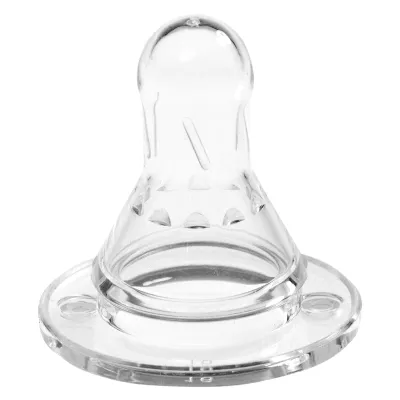
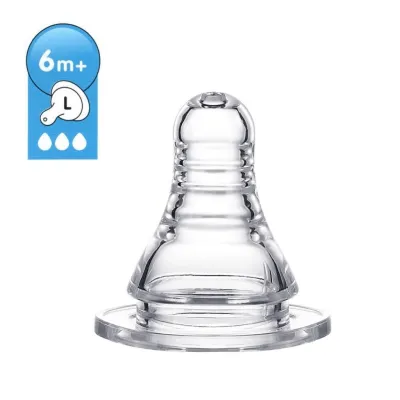
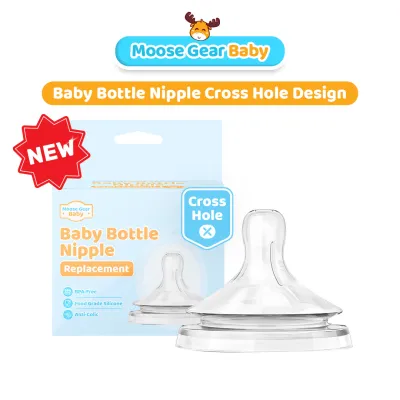
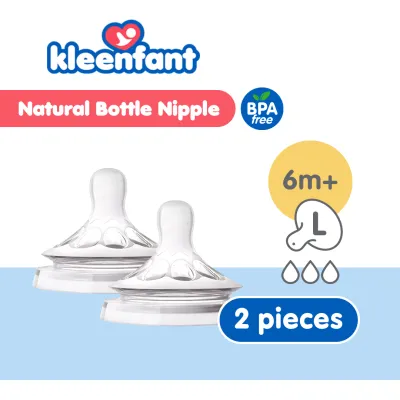
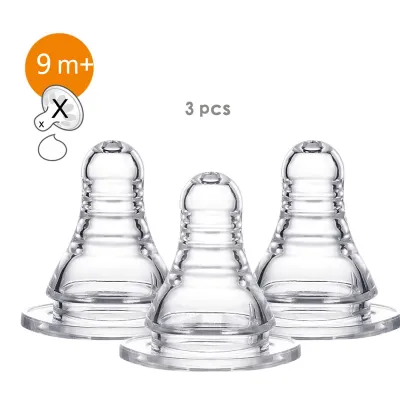
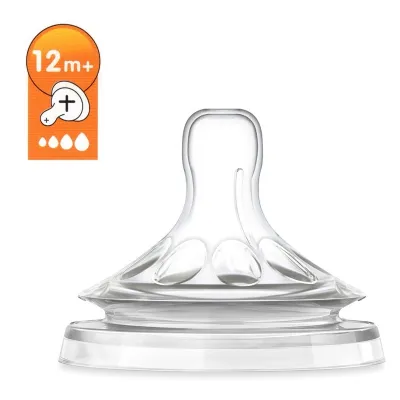
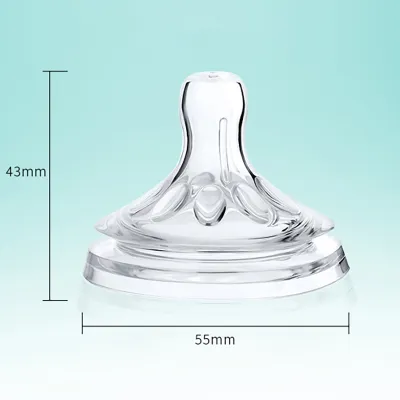

Prices are valid at publication and may change. Please refer to the product page for the latest price.
Latex, on the other hand, is harvested from the sap of rubber trees, making it a natural elastomer. This organic origin gives latex nipples their characteristic golden-brown or amber hue. Latex is inherently softer and more elastic than silicone, stretching easily under gentle pressure. This extreme flexibility allows the nipple to contour dynamically to the baby’s mouth during feeding, mimicking the natural mechanics of breastfeeding.
These physical differences directly impact how a baby latches onto the bottle. Some infants prefer the firm, predictable shape of a silicone nipple, which provides a steady guide for their tongue and jaw. Other babies, particularly those transitioning between breast and bottle, may reject silicone because it feels too rigid. For these infants, the pliable, warm texture of a latex nipple can feel much more familiar and comforting, helping to ease the transition.
Safety and Allergy Considerations
Safety is the foremost priority when selecting feeding gear, and both materials present distinct considerations for parents. The primary concern with latex is the potential for natural rubber latex allergies. Because latex is derived from organic plant sources, it contains natural proteins that can trigger allergic reactions in sensitive individuals. While rare in newborns, a latex allergy can develop over time with repeated exposure, making it crucial to monitor your baby closely during and after feedings.

If your baby has a latex sensitivity, you may notice localized physical signs around the mouth and face. These can include redness, swelling, a mild rash, or persistent fussiness during feeding sessions. In more severe cases, a baby might experience congestion or breathing difficulties. If you observe any of these symptoms, or if there is a known family history of rubber allergies, it is best to stop using latex immediately and consult a pediatrician for professional guidance.
Silicone serves as an excellent, hypoallergenic alternative for families concerned about allergies. Because it is synthetic, it does not contain the organic proteins found in natural rubber, making allergic reactions to silicone extremely rare. When purchasing silicone nipples, always inspect the product packaging to verify that they are labeled as “BPA-free” and made from “food-grade” silicone. These labels ensure the material has been manufactured to meet strict safety standards for food contact, giving you peace of mind during every feed.
Durability and Wear Resistance
How well a nipple holds up to daily wear, biting, and environmental factors is a major factor in its overall value and safety. Silicone is highly durable and resistant to structural breakdown. It does not easily degrade when exposed to sunlight, heat, or the natural fats found in breast milk and infant formula. Even when a baby begins teething and starts to bite down on the nipple, high-quality silicone resists tearing and maintains its original shape and flow rate for a relatively long time.
Latex is significantly more delicate and prone to rapid wear, especially in warm, humid tropical climates. The natural fibers in rubber are highly sensitive to environmental factors like heat, moisture, and UV light. Over time, exposure to the baby’s saliva and the fats in milk causes latex to swell, lose its elasticity, and become structurally weak. This degradation can cause the feeding hole to enlarge unexpectedly, leading to a flow rate that is too fast for your baby, which increases the risk of choking.
To ensure feeding safety, you must perform regular visual and tactile checks on all bottle nipples, regardless of the material. Inspect the nipple before every feed by pulling firmly on the bulb to check for structural integrity. Replace the nipple immediately if you notice any of the following warning signs:
- Changes in color, such as darkening or cloudiness.
- A sticky or tacky texture when touched.
- Visible cracks, tears, or thinning of the material.
- Milk pouring out in a steady stream instead of dripping at the designated flow rate.
Cleaning, Sterilization, and Maintenance
Your daily cleaning routine and the sterilization equipment you own should heavily influence your choice of nipple material. Silicone possesses excellent heat tolerance, allowing it to withstand various sterilization methods without losing its shape or safety properties. You can safely place silicone nipples in boiling water, electric steam sterilizers, or modern UV sterilizers. This versatility makes silicone highly convenient for parents who prefer quick, high-heat sanitizing methods to keep harmful bacteria at bay.
Latex requires a much gentler touch because of its low tolerance for extreme heat and radiation. Subjecting latex nipples to prolonged boiling or electric steam sterilization accelerates their breakdown, causing them to become sticky, soft, and unusable much faster. Furthermore, UV sterilizers can rapidly degrade natural rubber, causing micro-cracks and discoloration. If you choose latex, you must carefully read the manufacturer’s instructions on the packaging to identify the approved sanitizing methods, which often involve brief warm-water washes rather than intense heat.
Proper washing techniques are essential to prolong the lifespan of both materials. Use a mild, baby-safe dishwashing liquid and warm water to clean the nipples immediately after each feed to prevent milk residue from drying inside. Avoid using harsh, oil-based cleansers, as oils can cling to silicone and rapidly dissolve the natural compounds in latex. When scrubbing, use a soft nipple brush gently; aggressive scrubbing with stiff-bristled brushes can cause micro-tears in silicone or stretch out the delicate tip of a latex nipple.
How to Choose the Right Nipple for Your Baby
Selecting the ideal nipple involves matching the material’s characteristics with your baby’s developmental stage, feeding habits, and your household routine. To simplify your decision, you can use a straightforward framework based on your specific circumstances.
Choose silicone if:
- Your baby has started teething and tends to bite or chew on the nipple during feeds.
- You prefer using high-heat steam sterilizers or UV sanitizing appliances for daily cleanup.
- There is a family history of latex allergies, or you want a completely hypoallergenic option.
- You want a durable nipple that maintains a consistent flow rate over several months of use.
Choose latex if:
- Your baby consistently rejects silicone nipples because they feel too firm or rigid.
- You are practicing mixed feeding (breast and bottle) and need a highly flexible material that mimics the natural breast.
- You do not mind replacing the nipples more frequently and are willing to use gentler, low-heat cleaning methods.
Verify first if:
- The nipple is fully compatible with your existing baby bottle brands, as mixing brands can cause leaks.
- The flow rate matches your baby's current age and swallowing capability to prevent gas or choking.
- The manufacturer's manual for your specific sterilizer model explicitly approves the material you plan to use.
Frequently Asked Questions (FAQ)
Can I mix silicone and latex nipples for the same baby?
Yes, you can alternate between silicone and latex nipples, provided your baby accepts both textures without confusion or feeding distress. Some parents use softer latex nipples during transition periods or nighttime feeds when comfort is a priority, while relying on durable silicone nipples during the day. However, you should monitor your baby’s latch and feeding behavior closely. If your baby begins to reject one material or struggles with the difference in flow rates, it is best to stick to the single material that they prefer consistently.
How often should I replace baby bottle nipples?
As a general guideline, silicone nipples should be replaced every two to three months, while latex nipples typically require replacement every four to six weeks due to their faster rate of degradation. However, these timelines are secondary to physical wear. You must replace any nipple immediately—regardless of how long you have owned it—if you observe signs of damage, such as stickiness, cracks, discoloration, or an altered flow rate. Regularly inspecting the nipples ensures your baby’s feeding sessions remain safe and comfortable.

Community discussion
Share your experience or ask a question. Comments are reviewed before publication.